Color recognition Easy Reading Worksheets for Ages 3-8
12 filtered results
-
From - To
Explore our engaging Color Recognition Easy Reading Worksheets designed for children ages 3-8! These fun, interactive worksheets help young learners identify and recognize colors while enhancing their reading skills. Each worksheet features vibrant illustrations and age-appropriate activities that encourage creativity and critical thinking. Perfect for homeschoolers and classroom settings, these resources support early literacy and color identification in a playful manner. Whether your child is mastering basic color names or expanding their vocabulary, our easy-to-use worksheets provide a solid foundation for future learning. Download today and watch your child's confidence and skills blossom with each colorful activity!
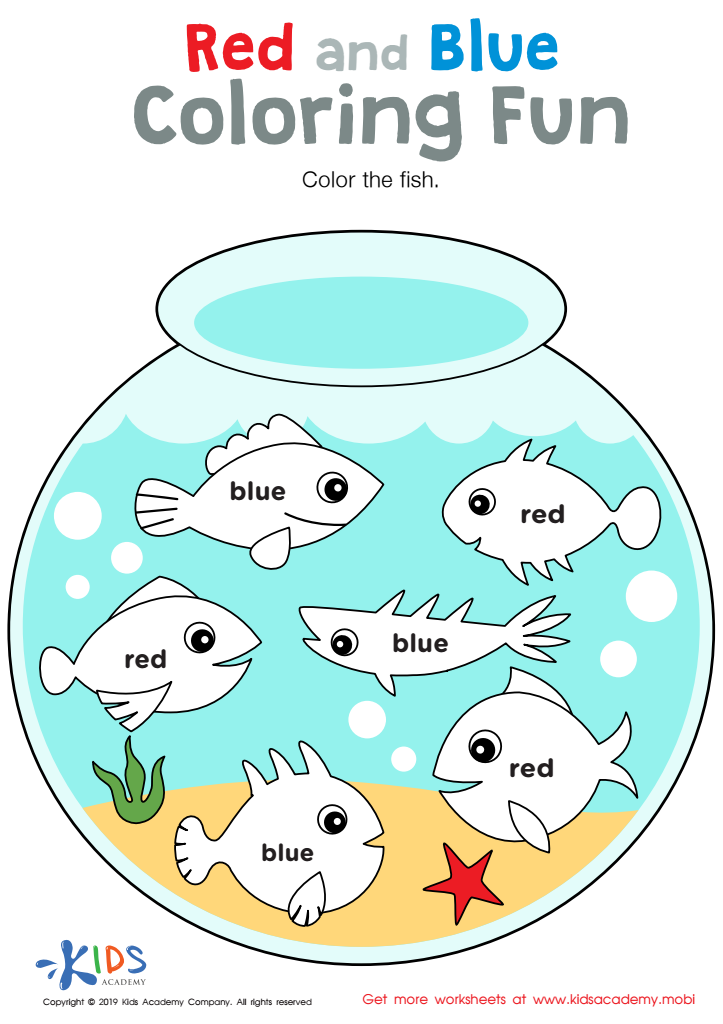
Red and Blue Coloring Fun Worksheet
 Assign to My Students
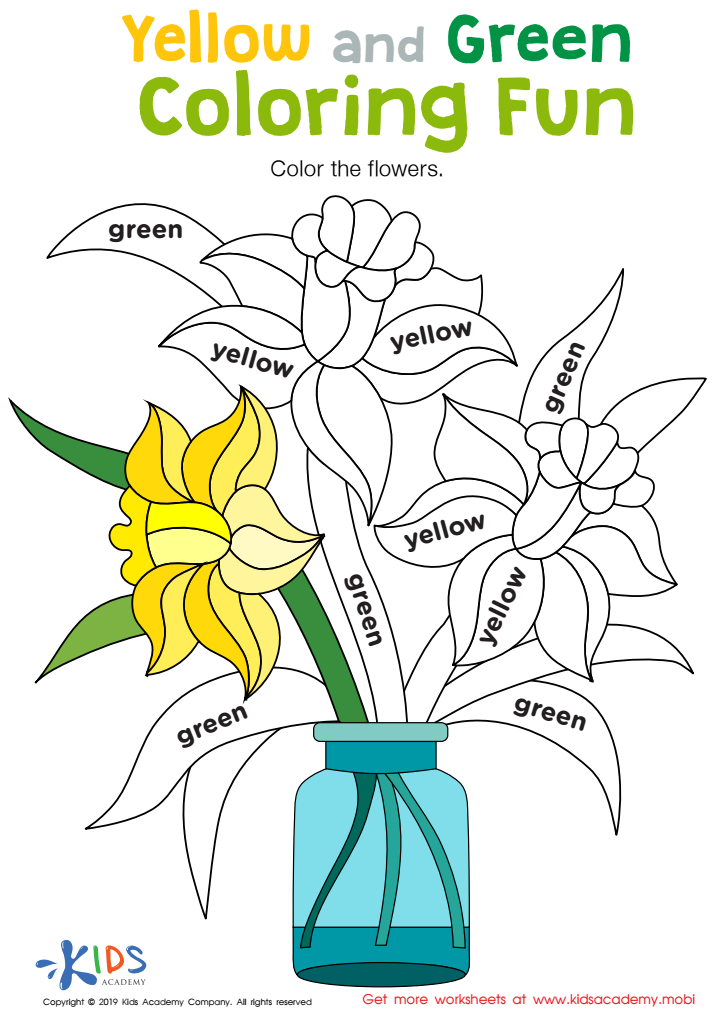
Yellow and Green Coloring Fun Worksheet
Assign to My Students
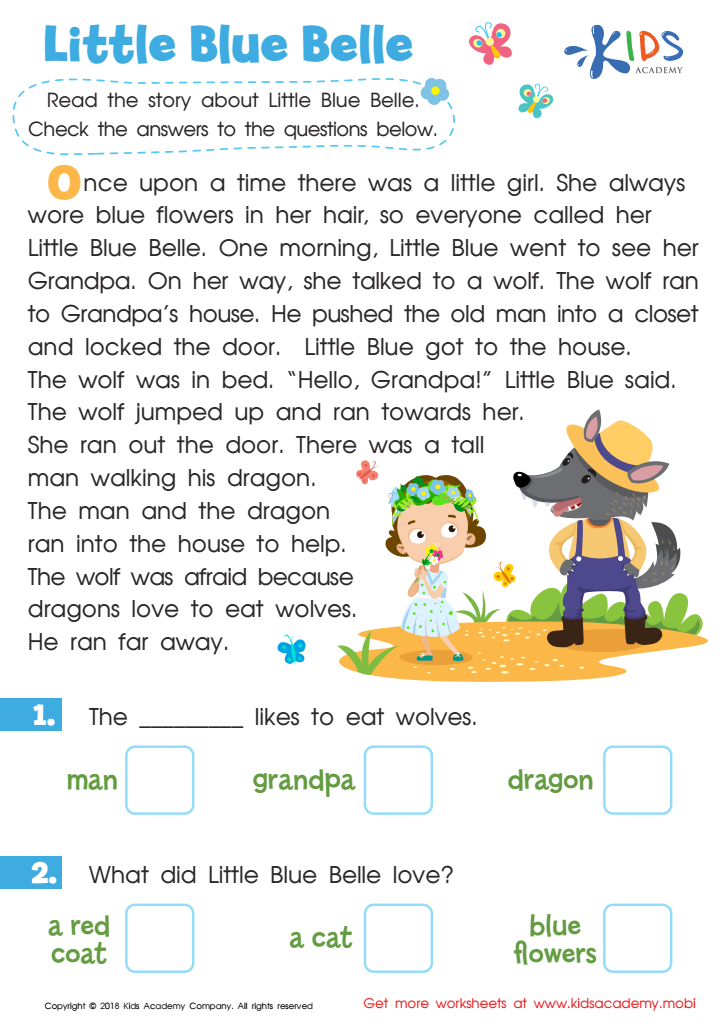
Little Blue Belle Worksheet
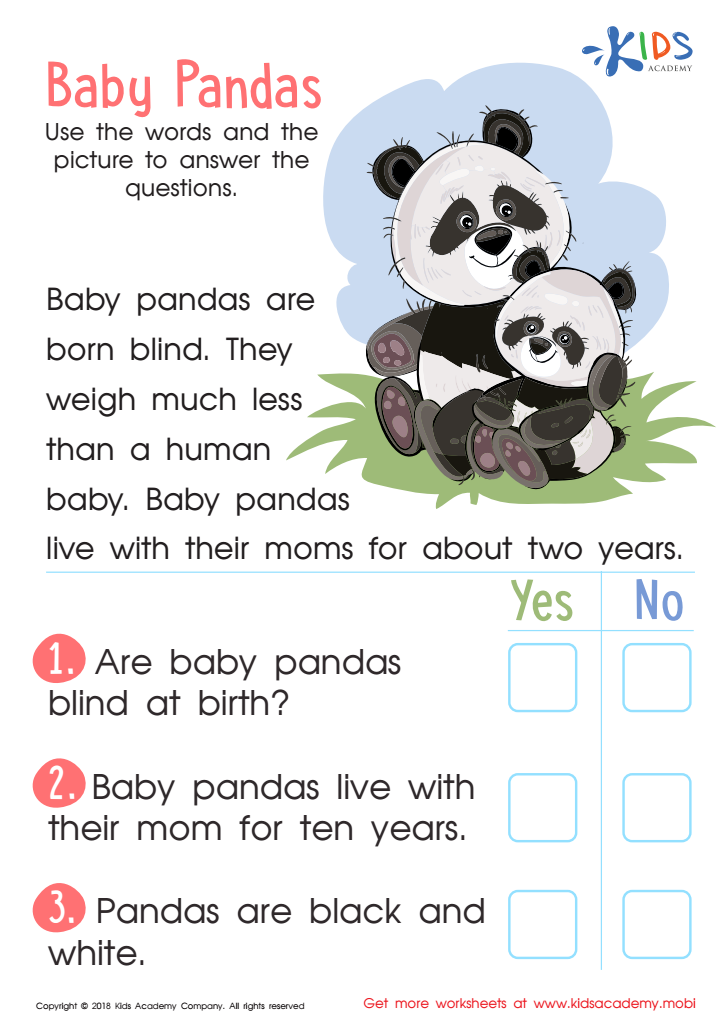
Baby Pandas Worksheet
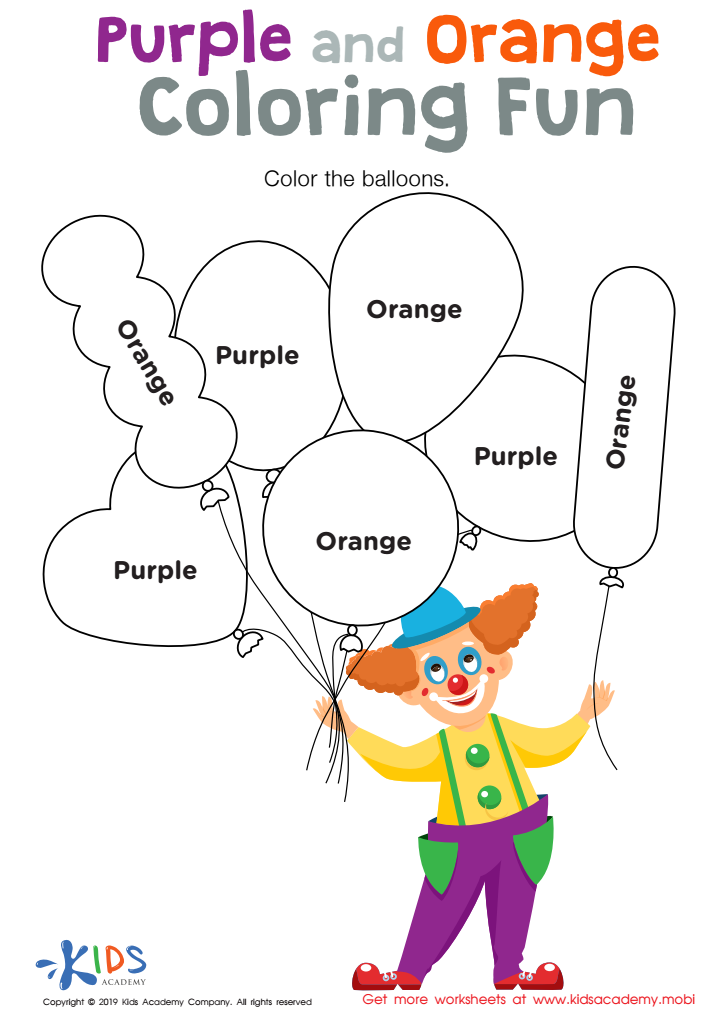
Purple and Orange Coloring Fun Worksheet
Assign to My Students
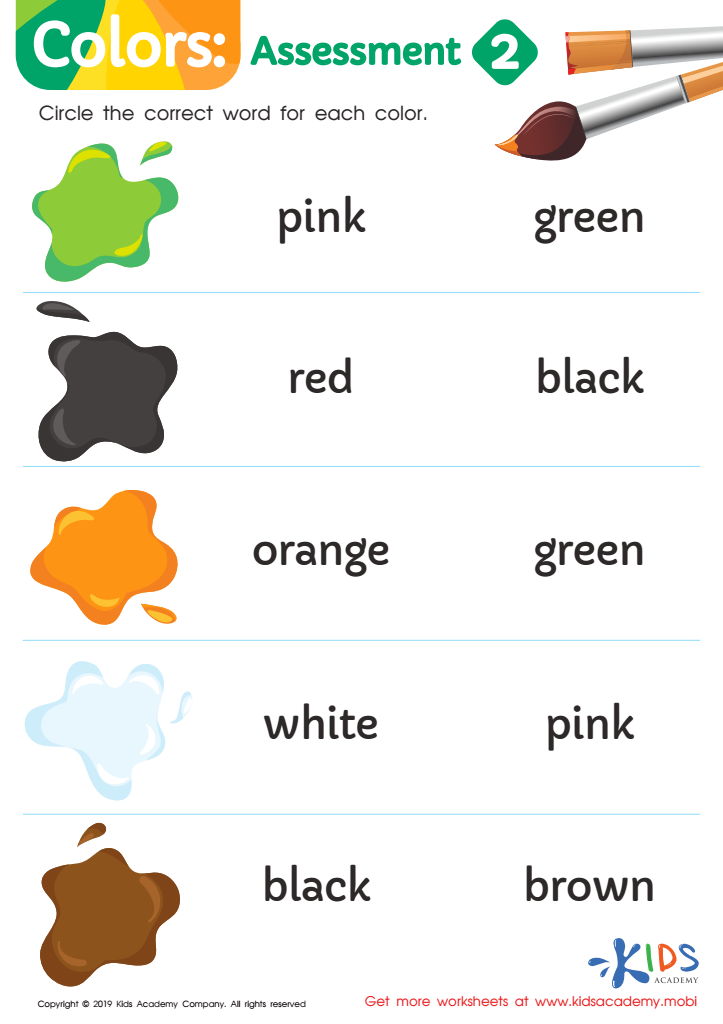
Colors: Assessment 2 Worksheet
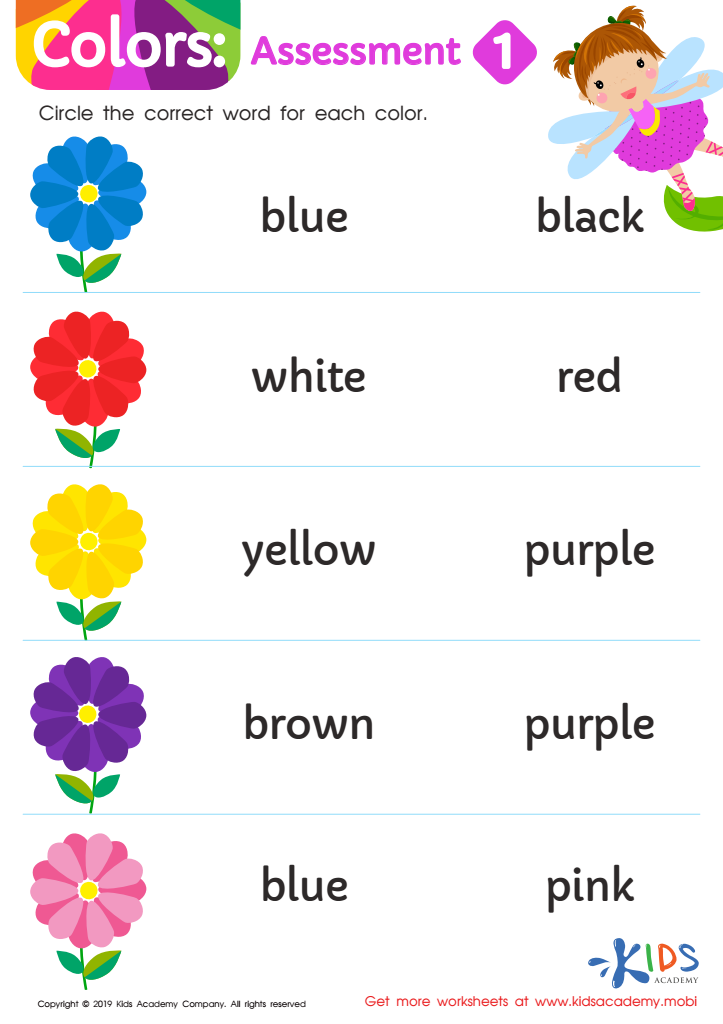
Colors: Assessment 1 Worksheet
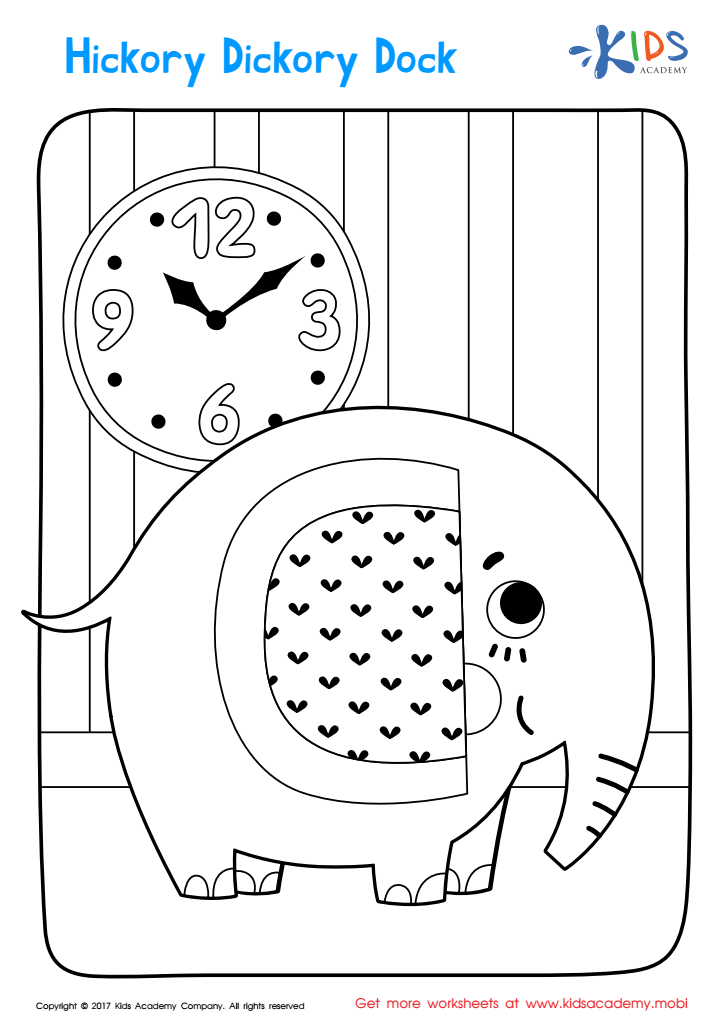
Hickory Dickory Dock Coloring Page
Assign to My Students
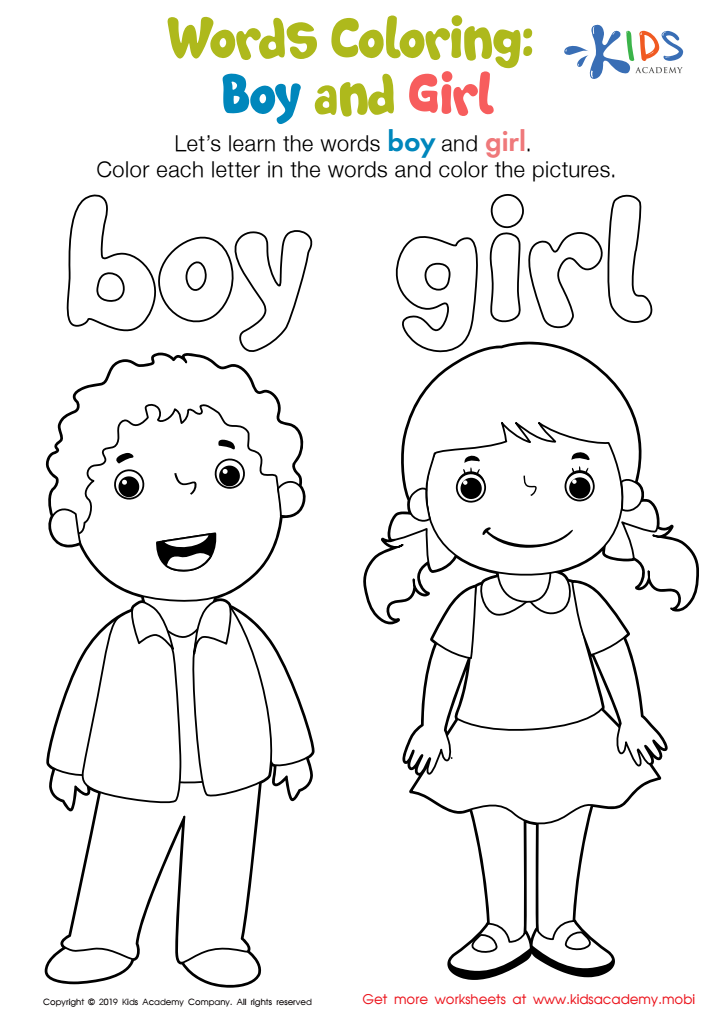
Boy and Girl Words Coloring Worksheet
Assign to My Students
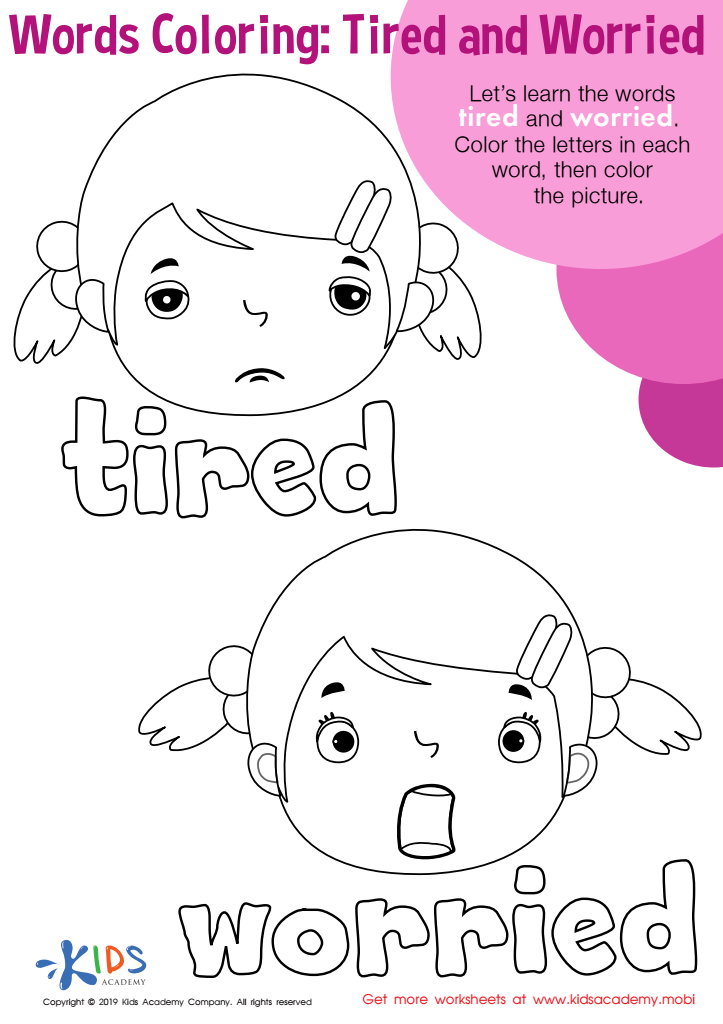
Tired and Worried Words Coloring Worksheet
Assign to My Students
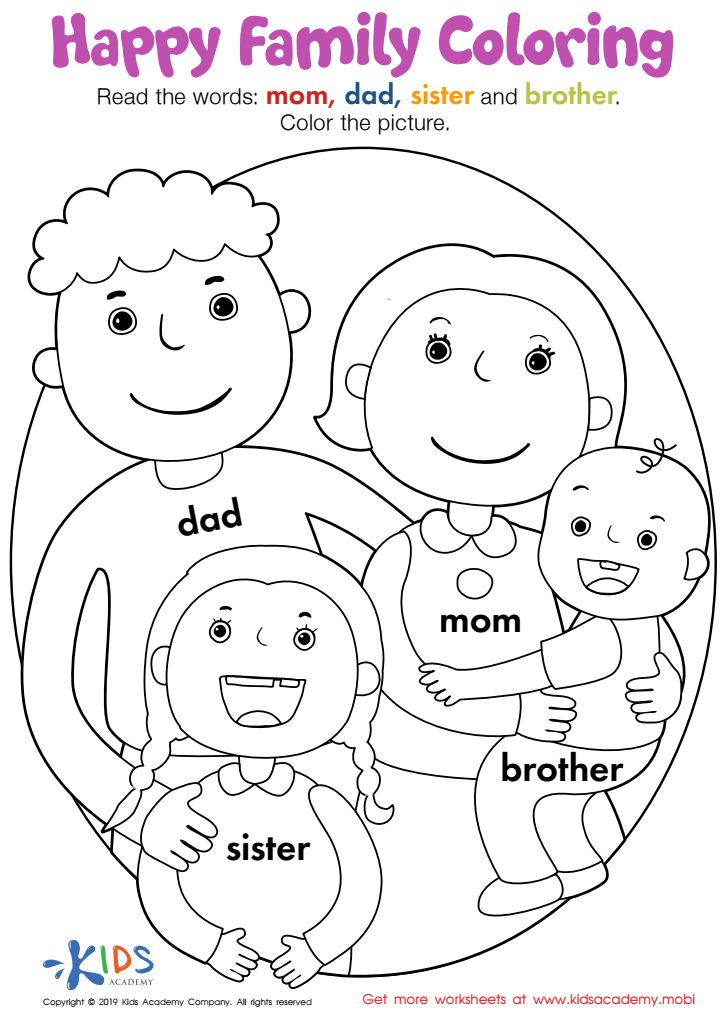
Happy Family Coloring Worksheet
Assign to My Students
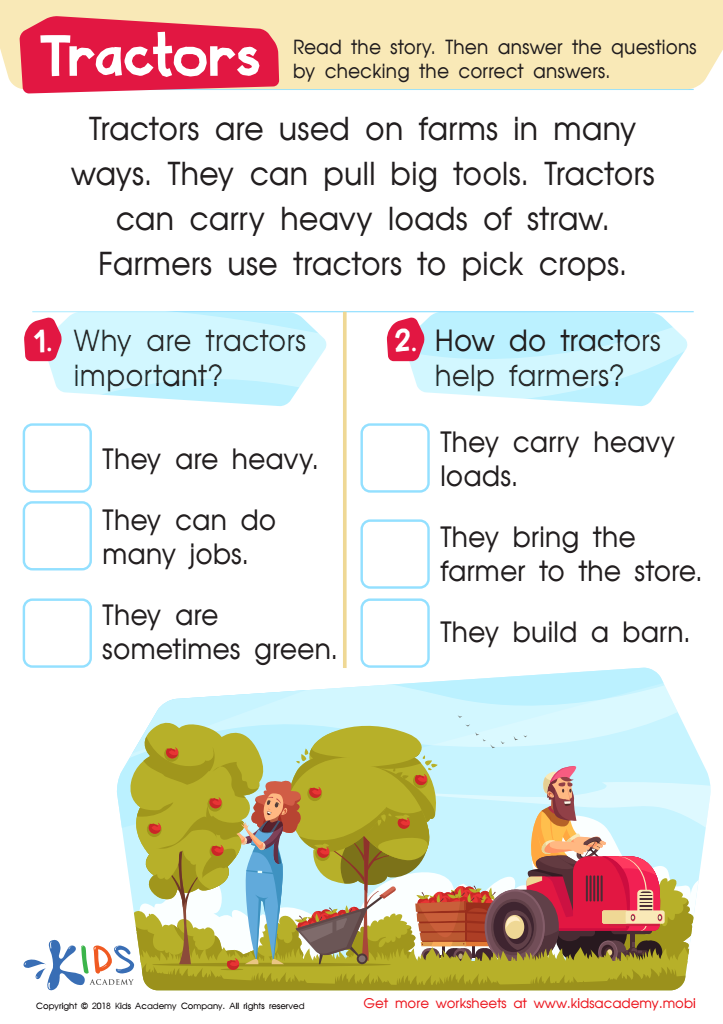
Tractors Worksheet








Color recognition is a crucial skill for children aged 3-8 as it serves as a foundation for their cognitive development and learning processes. Parents and teachers should prioritize this skill for several reasons.
Firstly, understanding colors aids in language development. By naming colors, children expand their vocabulary and improve their communication skills. It encourages them to express themselves and describe the world around them more accurately.
Secondly, color recognition enhances creativity and imagination. When children can identify and differentiate colors, they can engage in artistic activities like drawing, painting, and crafting, fostering their self-expression and creativity.
Additionally, colors are often used in organizing and categorizing information, aiding in problem-solving skills. Learning to recognize colors can help children with early math concepts, such as sorting and counting.
Moreover, recognizing colors has practical applications in everyday life, from choosing clothes to understanding traffic signals.
Finally, developing this skill contributes to confidence and self-esteem, as children feel accomplished when they can identify and name colors.
Overall, color recognition is an essential milestone in early childhood education, promoting communication, creativity, and cognitive skills while preparing children for future learning experiences. Parents and teachers have a vital role in encouraging this development through engaging activities and resources.