Vocabulary development Easy Science Worksheets for Ages 3-8
3 filtered results
Difficulty Level
Grade
Age
-
From - To
Subject
Activity
Standards
Unlock your child's potential with our "Vocabulary Development Easy Science Worksheets" designed for ages 3-8! These engaging worksheets blend science concepts with vocabulary building, making learning both fun and effective. Children will explore a variety of topics, from animals to plants, while enhancing their language skills through colorful visuals and interactive activities. Perfect for early grade teachers and parents, our worksheets encourage creative thinking and scientific curiosity. Foster a love for learning and prepare your child for future academic success with these easy-to-use resources. Visit us to download and spark your child's journey into the world of science and vocabulary today!
Favorites
With answer key
Interactive
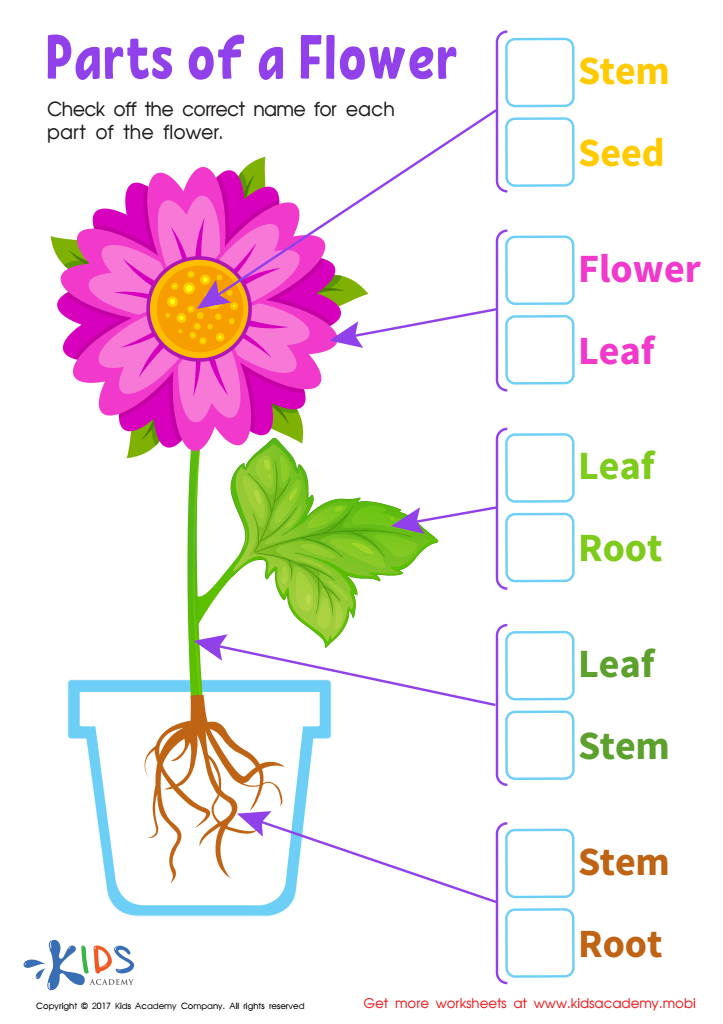
Parts Flower Printable
Introduce your child to life science with this vivid parts of a flower worksheet! They'll learn basic flower structures while building biology vocabulary and discovering plants are living creatures too! Perfect for budding little scientists!
 Assign to My Students
Parts Flower Printable
Worksheet
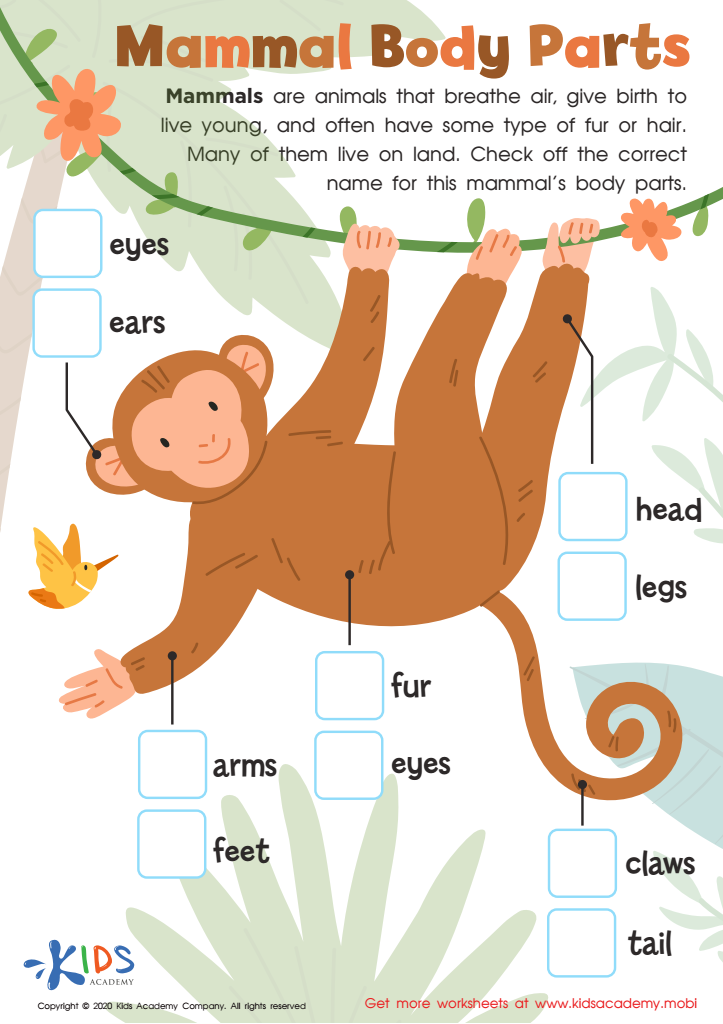
Mammal Body Parts Worksheet
Help your little scientist identify a mammal's body parts with this cute and colorful worksheet. It includes fur, arms, legs, tails, and more! Read the passage to learn what makes an animal a mammal, then have them check off the boxes to identify parts of the monkey. It's a fun way to learn about animals in the animal kingdom!
Mammal Body Parts Worksheet
Worksheet
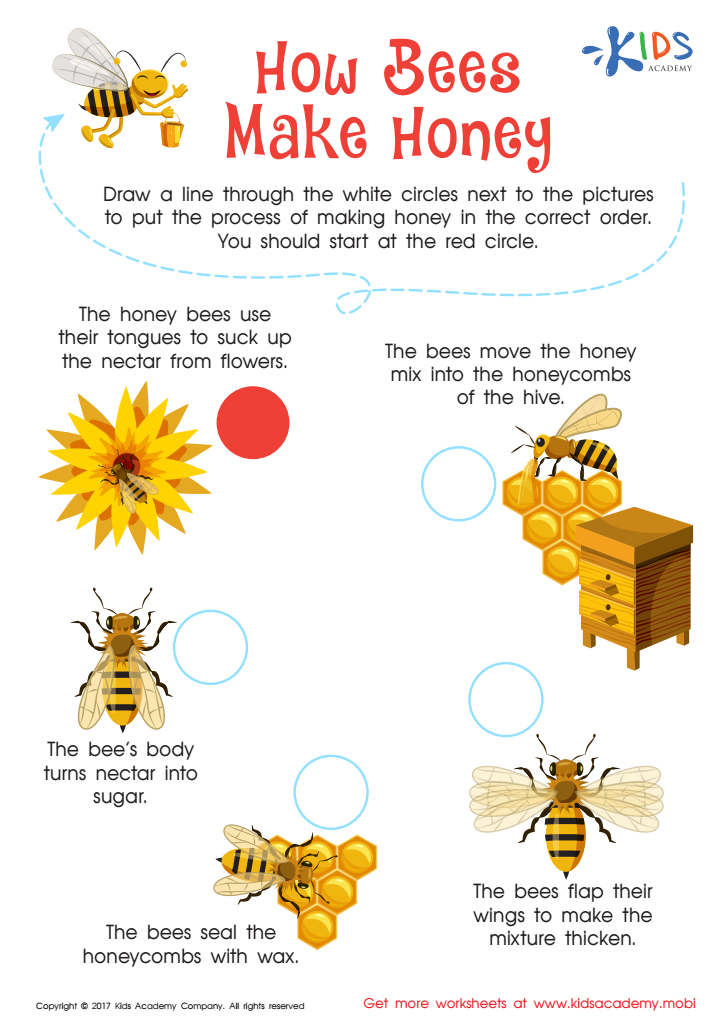
Honey Bee Worksheet
Kids learn about life science and the process of making honey with this sweet honeybee worksheet for 3rd grade. They identify the steps bees take and put the cycle in order, developing knowledge and appreciation for honeybees!
Honey Bee Worksheet
Worksheet
Join Kids Academy for Free
Who is primarily going to use this learning content?







Vocabulary development in early childhood is crucial for laying the foundation for future learning, especially in science. From ages 3 to 8, children are like sponges, absorbing new words and concepts that shape their understanding of the world. A strong vocabulary enables young learners to express their thoughts, ask questions, and engage with scientific content effectively.
When parents and teachers prioritize vocabulary development, they facilitate critical thinking skills and improve comprehension, which is essential for subjects like science. For example, knowing terms like "habitat," "experiment," or "solar system" allows children to better grasp scientific concepts and participate meaningfully in discussions.
Additionally, a rich vocabulary enhances reading and writing abilities. As children encounter diverse words during story time or science activities, they become more articulate and confident in their communication.
By fostering an environment rich in language, through reading, conversations, and hands-on activities, parents and teachers help nurture curiosity and a love for learning. Active vocabulary development not only strengthens language skills but also encourages children to explore scientific ideas, cultivate creativity, and build problem-solving abilities—skills that are vital for success in academics and life. Disregarding this development could limit a child's potential and enthusiasm for learning.