Cultural awareness Easy Social Studies Worksheets for Ages 3-8
3 filtered results
-
From - To
Explore our engaging collection of Cultural Awareness Easy Social Studies Worksheets designed specifically for children aged 3-8. These thoughtfully crafted worksheets introduce young learners to diverse cultures, traditions, and global communities, fostering empathy and understanding from an early age. With vibrant visuals and interactive activities, kids will love discovering cultural differences and similarities through fun exercises that promote critical thinking and social awareness. Perfect for both classroom and home use, these worksheets align with early learning standards to nurture curiosity about the world. Enhance your child's appreciation for diversity and create a well-rounded, culturally aware individual with our stimulating resources!

Happy Diwali Printable
 Assign to My Students
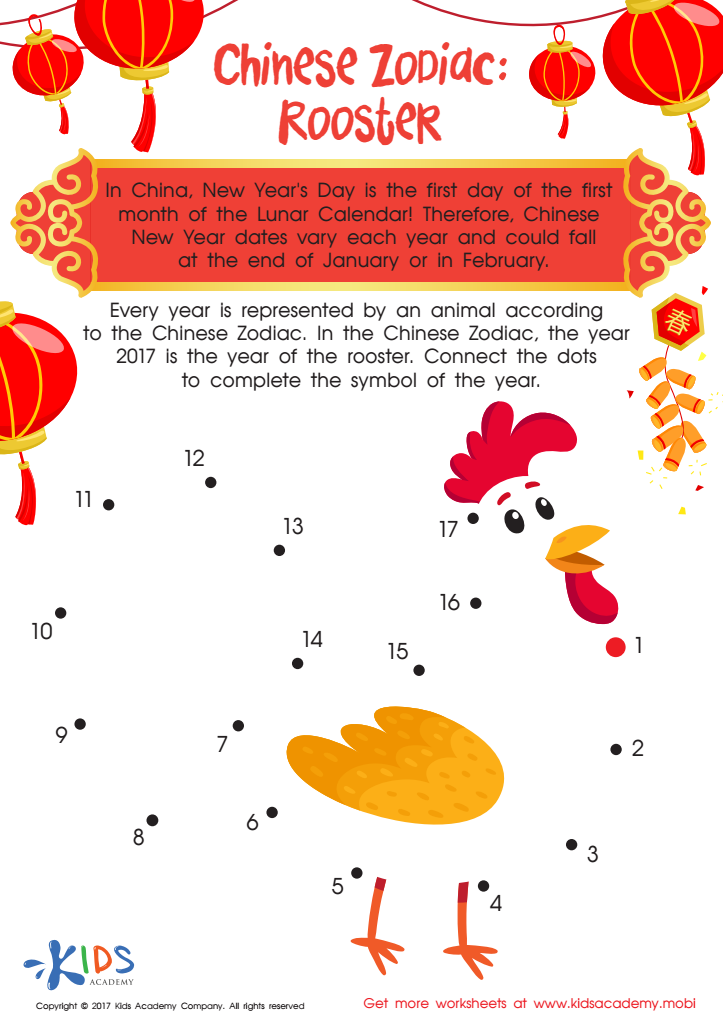
Chinese Zodiac Printable
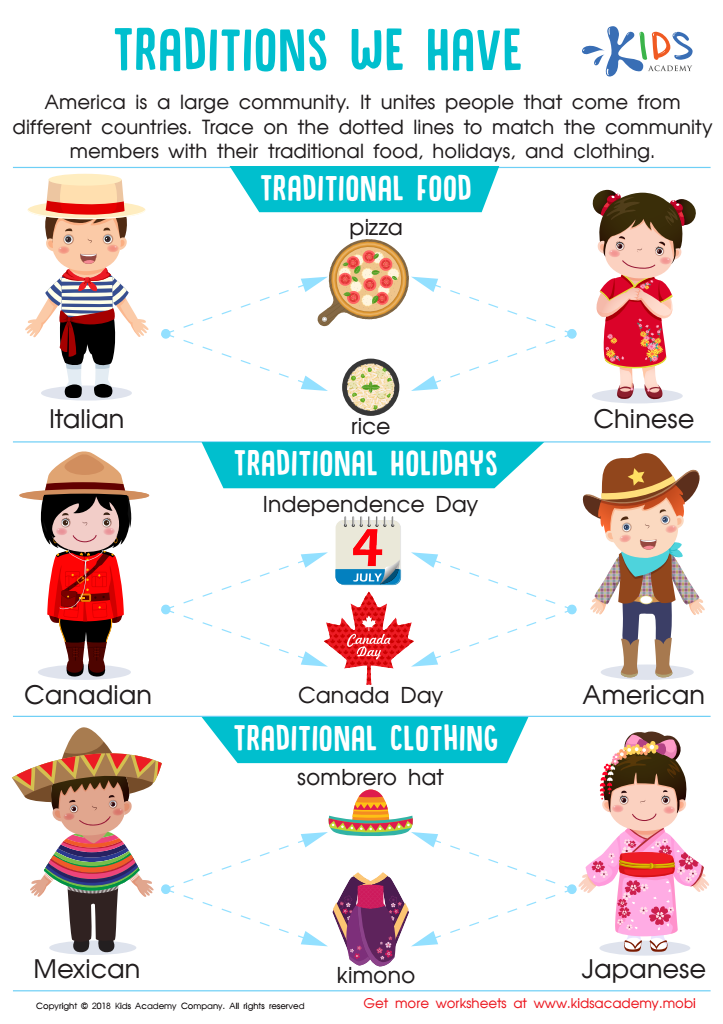
Traditions We Have Worksheet








Cultural awareness is a vital aspect of education, especially for young children aged 3-8. Parents and teachers should prioritize it for several reasons. First, it fosters respect and empathy toward diverse cultures, promoting harmony in increasingly multicultural societies. By introducing children to various customs, traditions, and perspectives, they learn to appreciate differences and form more inclusive mindsets.
Additionally, early exposure to cultural awareness enriches children’s understanding of the world. Learning about various cultures can spark curiosity, helping children develop critical thinking skills as they question and compare their own experiences with those of others. Furthermore, culturally aware children are more likely to become open-minded adults who embrace diversity in their personal and professional lives.
Integrating easy social studies concepts into early education provides a strong foundation for global citizenship. Storytelling, art, and community interactions can serve as engaging tools for teaching these lessons. This engagement cultivates a sense of belonging and identity among children, which enhances their emotional wellbeing.
In summary, caring about cultural awareness in social studies for young learners is essential as it prepares them for a diverse world, nurtures social skills, and strengthens community bonds, paving the way for a more inclusive future.