Writing practice Easy Alphabet Worksheets for Ages 3-9
3 filtered results
-
From - To
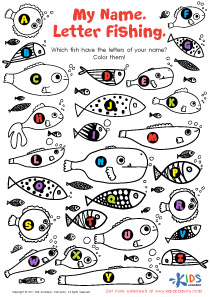
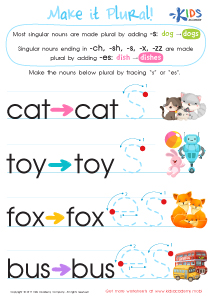
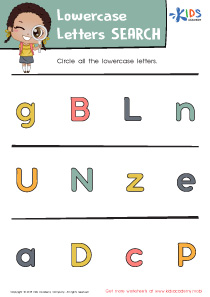
Enhance your child's writing skills with our Easy Alphabet Worksheets designed for ages 3-9! These engaging, printable worksheets provide a fun and interactive way for young learners to practice their uppercase and lowercase letters. Each worksheet features bright illustrations and tracing activities that not only boost handwriting proficiency but also improve letter recognition. Perfect for homeschooling or supplementary learning, these worksheets cater to various learning styles, ensuring every child can thrive. Our carefully crafted exercises promote fine motor skills development as children explore the world of letters. Equip your little ones with the foundational skills they need for literacy success today!
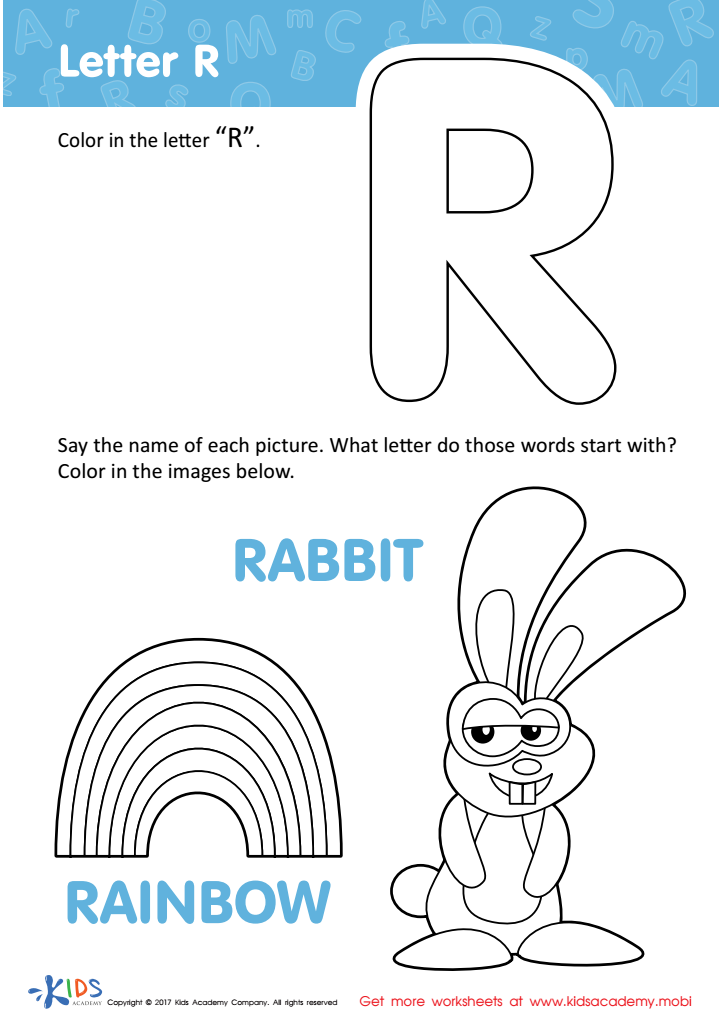
Letter R Coloring Sheet
 Assign to My Students
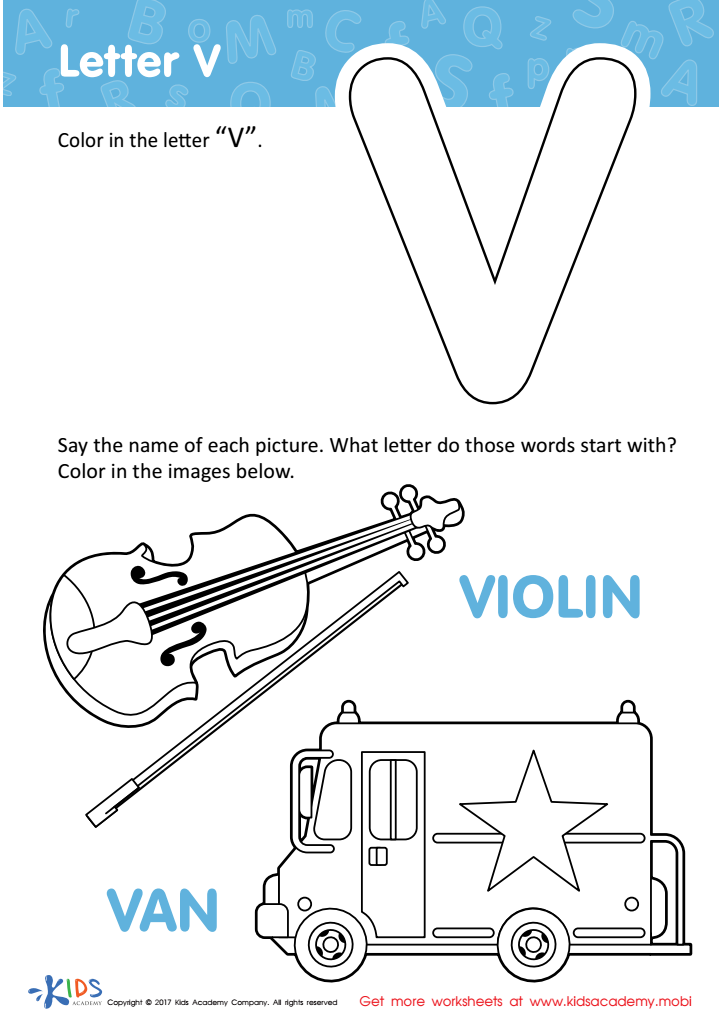
Letter V Coloring Sheet
Assign to My Students
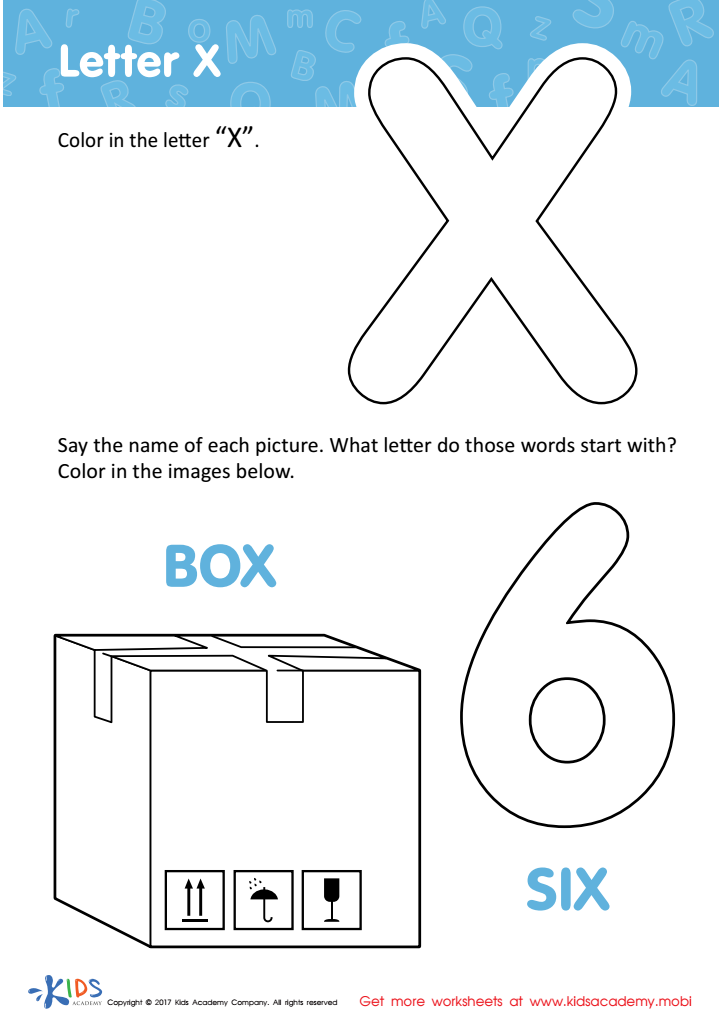
Letter X Coloring Sheet
Assign to My Students







Writing practice is essential for children aged 3-9 as it lays the foundation for their literacy skills and overall cognitive development. Engaging in writing activities helps children develop fine motor skills, which are crucial for more complex tasks as they grow. Children learn to hold writing instruments correctly, control their grip, and develop hand-eye coordination through fun writing exercises like practicing the alphabet.
Additionally, early writing practices encourage creativity and self-expression. Allowing children to explore their thoughts through writing fosters their imagination and boosts their confidence as they see their ideas come to life on paper. Furthermore, writing aids in language development; children learn to form letters, sounds, and words together, enhancing their vocabulary and comprehension.
It's also a bonding experience for parents and teachers to engage young learners in writing activities. Collaborating in this process promotes a positive attitude towards education and instills a love for learning early on. Structured writing practice contributes to academic success, preparing students for future challenges in reading, language arts, and beyond. Overall, fostering writing skills in young learners is not just about learning to write; it's about building critical skills necessary for lifelong growth and communication.