Math problem-solving Easy Worksheets for Ages 3-9
4 filtered results
-
From - To
Welcome to our Math Problem-Solving Easy Worksheets for Ages 3-9! Designed to build foundational math skills, these fun and engaging worksheets are perfect for young learners. Each worksheet provides age-appropriate problems that help children develop critical thinking and problem-solving abilities in a playful, stress-free environment. With colorful illustrations and interactive activities, kids will enjoy practicing addition, subtraction, and pattern recognition while boosting their confidence. Ideal for parents and educators alike, our worksheets encourage independent learning and make mastering math concepts enjoyable. Start your child’s math journey today with our creative, easy-to-use resources tailored for ages 3 to 9!
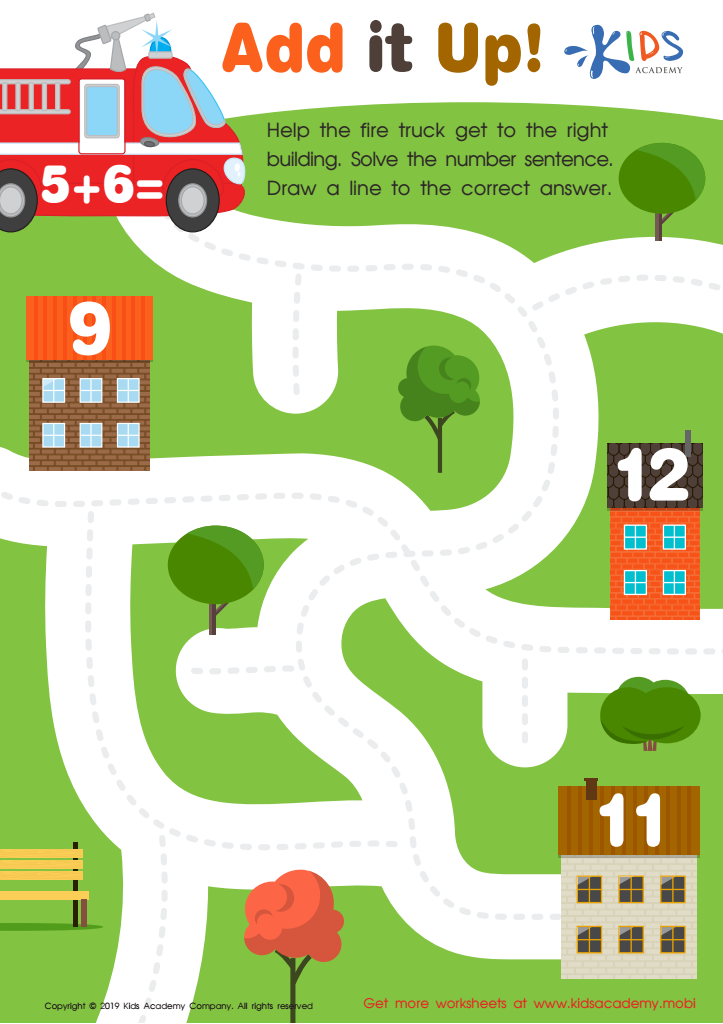
Add it Up Worksheet
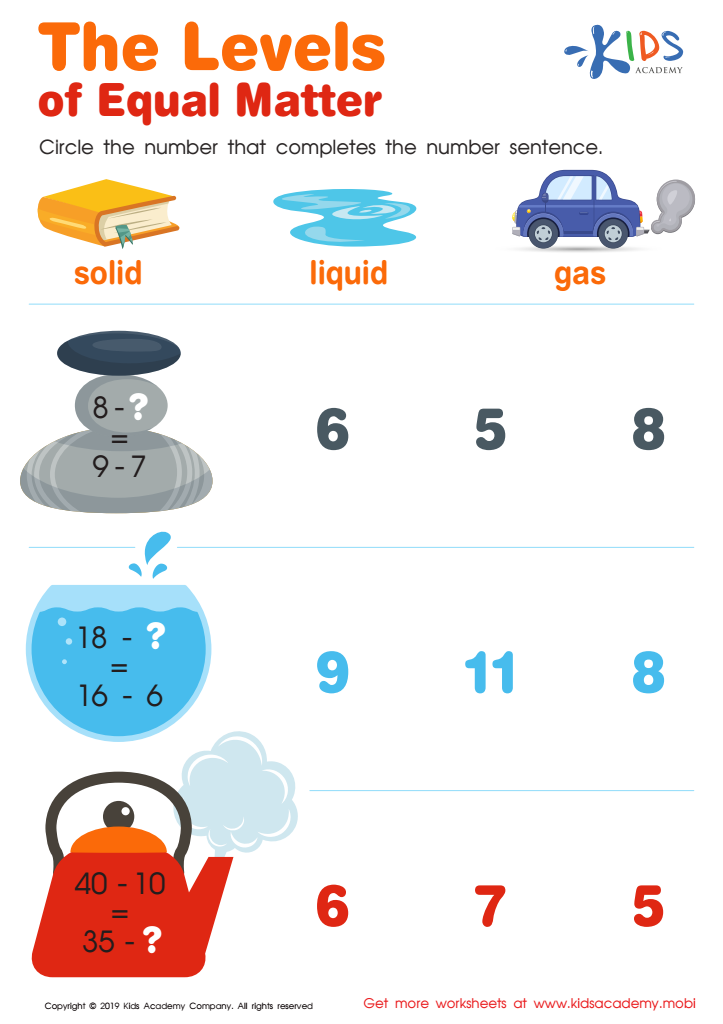
The Levels of Equal Matter Worksheet
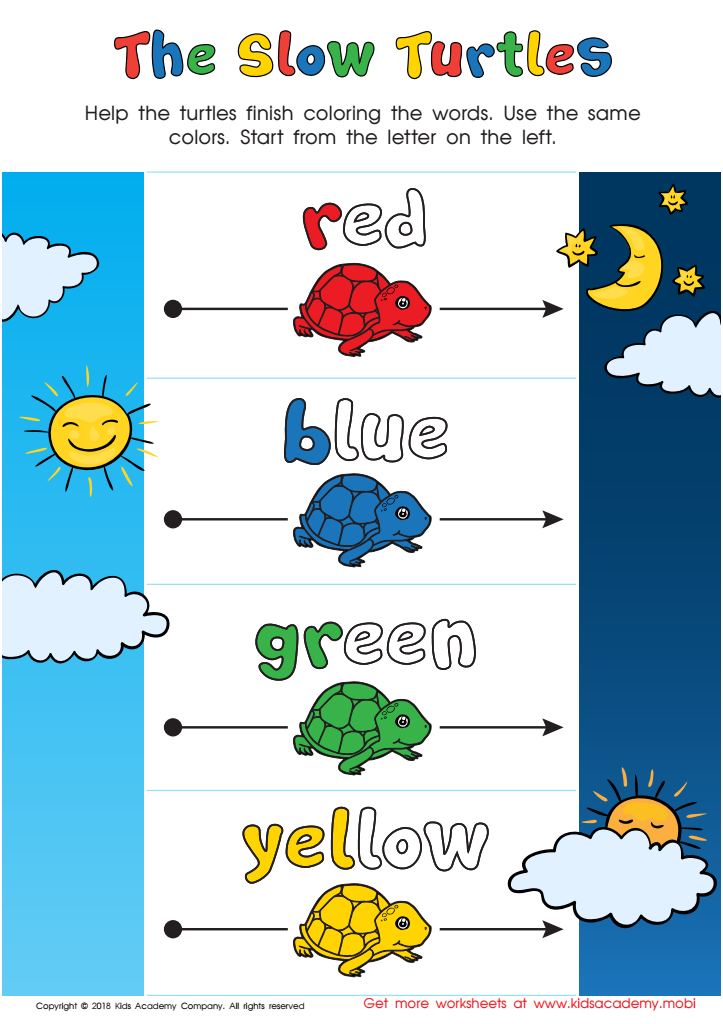
Read from Left to Right: Slow Turtles Worksheet
 Assign to My Students
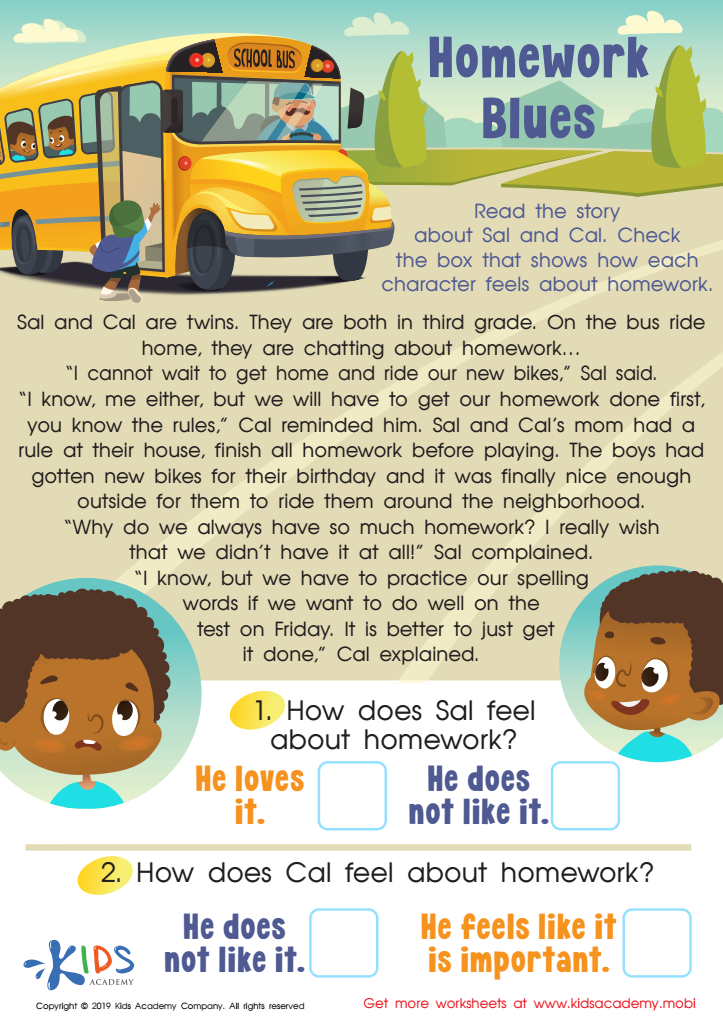
Homework Blues Worksheet








Parents and teachers should prioritize math problem-solving for children ages 3-9 because it lays the foundation for critical thinking and cognitive development. At this early age, children are naturally curious and open to exploration, making it an ideal time to introduce mathematical concepts. Engaging in problem-solving helps young learners develop important skills such as reasoning, pattern recognition, and logical thinking.
Furthermore, math problem-solving promotes perseverance and resilience as children learn to tackle challenges and understand that mistakes are part of the learning process. These experiences foster a growth mindset and build confidence in their abilities. Incorporating math into playful activities and everyday situations makes learning more enjoyable and relatable for children, ensuring they see the relevance of math in their lives.
Moreover, early exposure to problem-solving can boost later academic success. Research indicates that strong foundational skills in early childhood correlate with better performance in later grades. By actively engaging in math problem-solving, parents and teachers also encourage communication skills as children discuss their thought processes and solutions.
In conclusion, cultivating math problem-solving skills in young children enriches their learning journey, enhances cognitive development, and prepares them for future academic challenges.








