Observational skills Easy Worksheets for Ages 3-9
5 filtered results
-
From - To
Enhance your child's observational skills with our engaging worksheets designed for ages 3-9! Our collection features fun and interactive activities that encourage young learners to observe their surroundings, identify details, and strengthen their attention span. Each worksheet is carefully crafted to be age-appropriate, fostering critical thinking and boosting cognitive development through play-based learning. From spotting differences to completing puzzles, these worksheets make learning an enjoyable experience. Perfect for at-home learning or as supplementary material for early education. Discover the joy of observation and help your child develop essential skills that will benefit their lifelong learning journey!
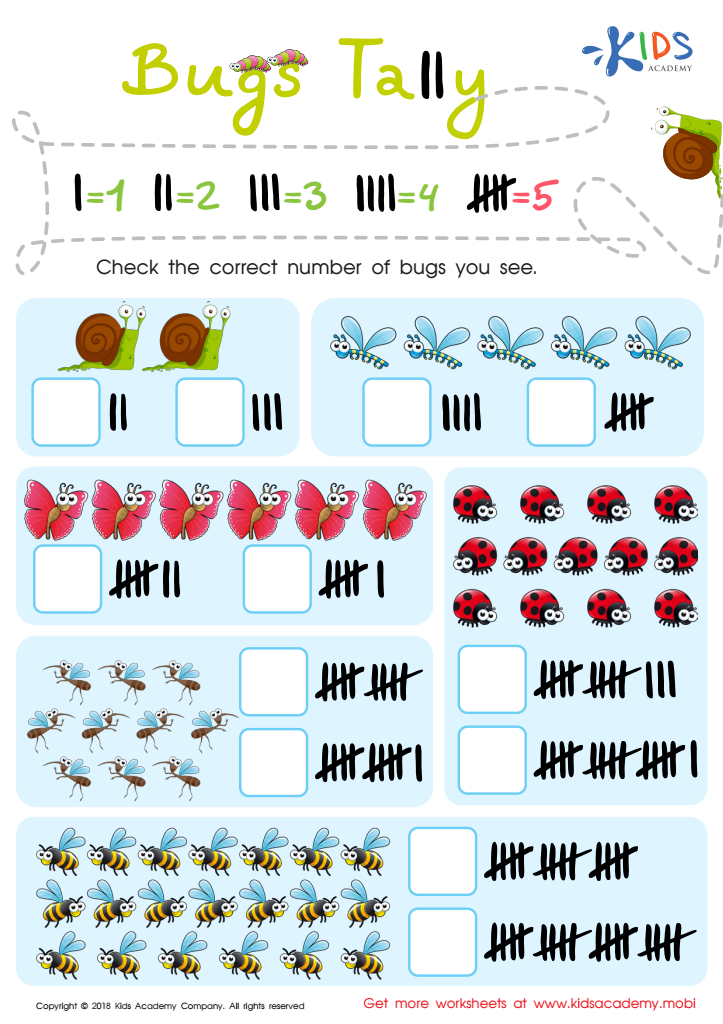
Bugs Tally Worksheet
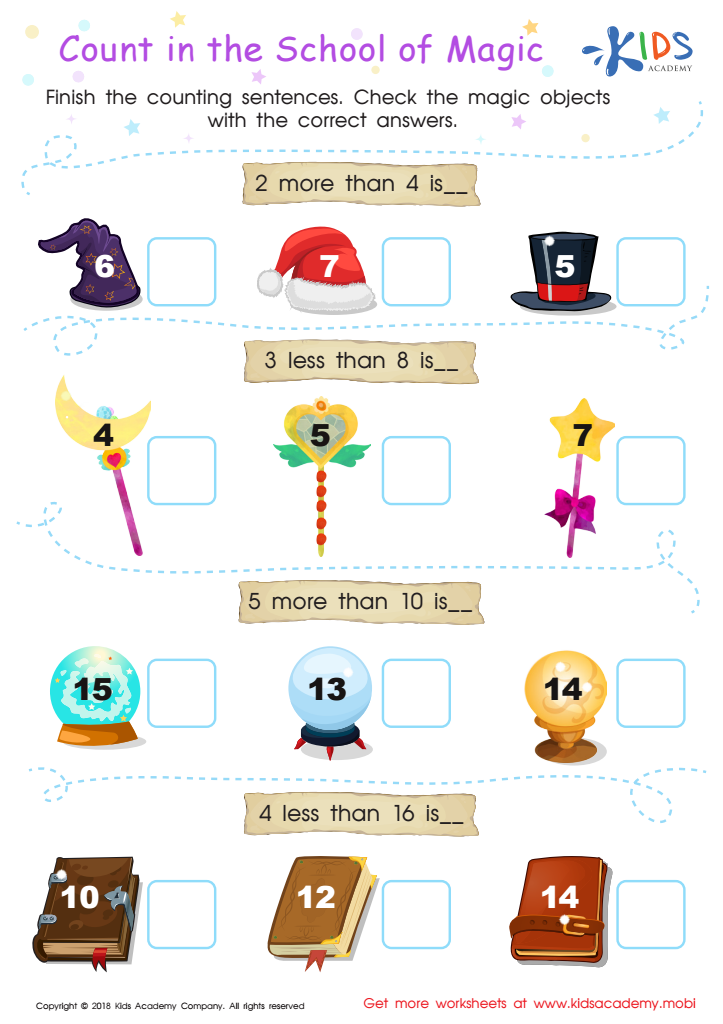
Count in the School of Magic Worksheet
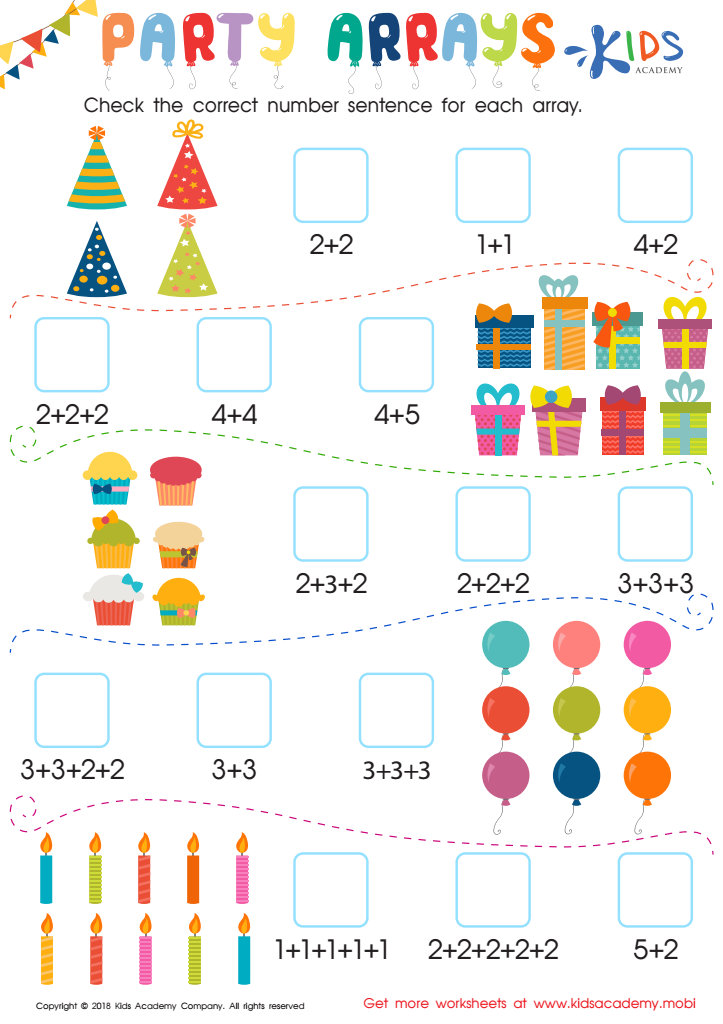
Party Arrays Worksheet
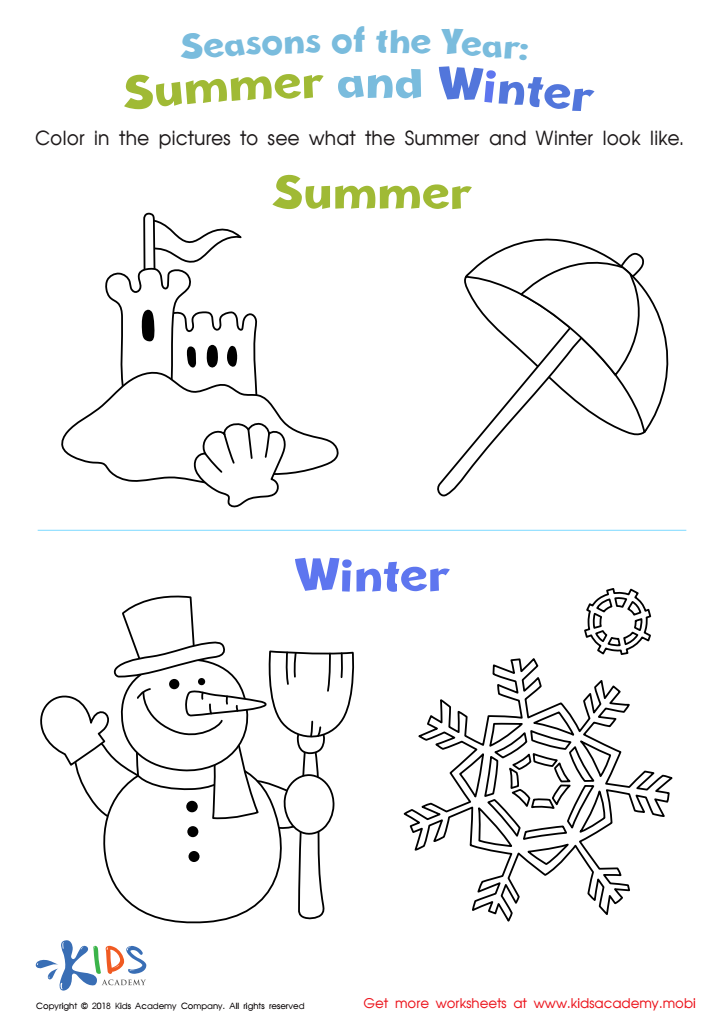
Summer and Winter Worksheet
 Assign to My Students
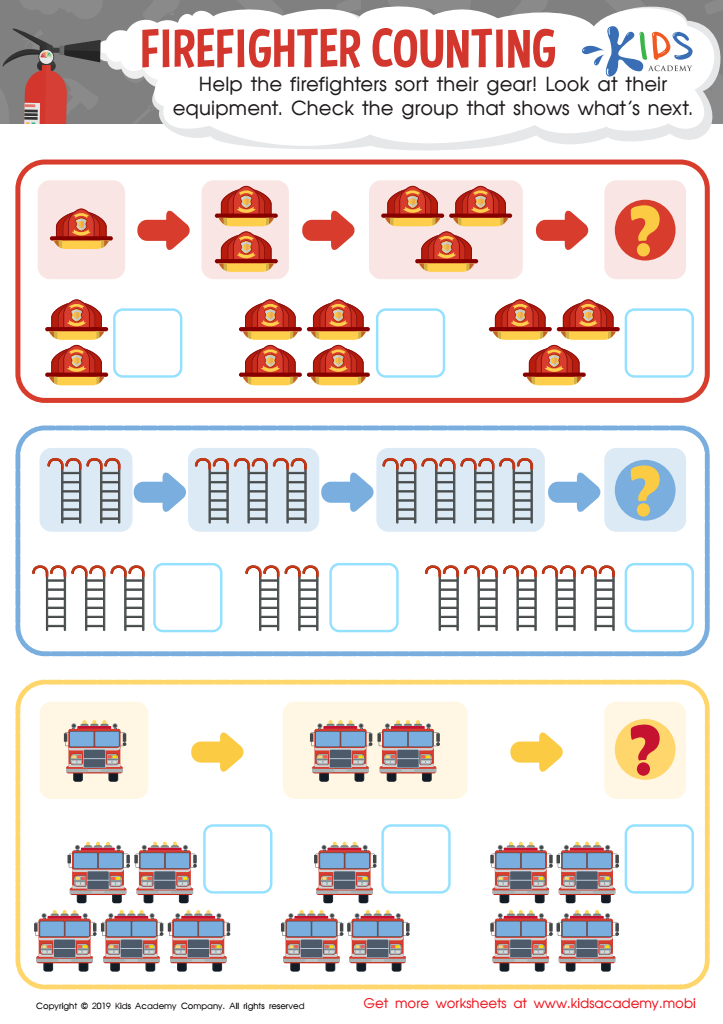
Firefighter Counting Worksheet







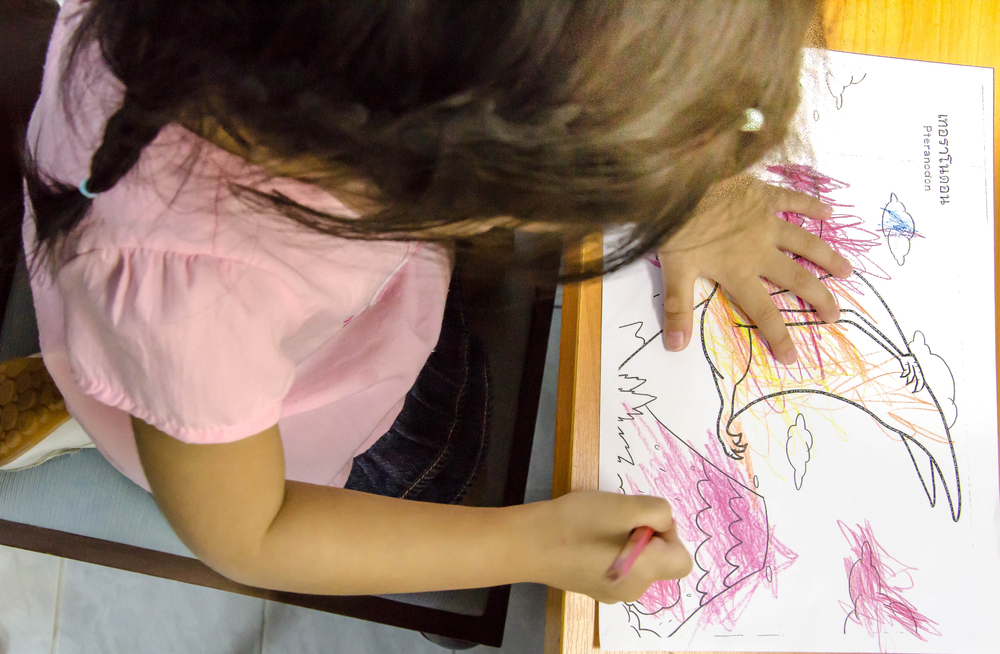
Observational skills are crucial for children aged 3-9 as they form the foundation for learning and development. For parents and teachers, nurturing these skills can profoundly impact children's cognitive, social, and emotional growth.
Firstly, strong observational skills enhance a child’s ability to learn from their environment. Observing interactions, outcomes, and environments allows children to make connections and understand the world around them. This is essential for problem-solving and critical thinking – abilities that start developing during early childhood.
Furthermore, children who can observe details effectively tend to be more aware of others' emotions and needs, fostering empathy and effective social interactions. As they observe their peers in play, they learn how to communicate, share, and negotiate, vital skills for making friends and building healthy relationships.
Finally, good observational skills promote engagement in their learning process. When children actively notice changes in nature, read visuals in a book, or follow actions in games, they become more invested and curious. For parents and teachers, encouraging this attentiveness can lead to holistic development, preparing children for future learning and life experiences. Taking time to observe, ask questions, and discuss findings with children fosters a culture of inquiry and discovery essential in early education.








