Phonics recognition Easy Worksheets for Ages 3-9
5 filtered results
-
From - To
Discover our Phonics Recognition Easy Worksheets tailor-made for children ages 3-9! These engaging, fun-filled sheets help young learners master the foundations of phonics effortlessly. Carefully designed to boost early reading skills, each worksheet features vibrant illustrations and interactive activities that captivate and educate. Parents and teachers will love our structured, step-by-step approach, ensuring steady progress and confidence in sound and letter recognition. Perfect for both the classroom and at-home learning, our worksheets transform the learning journey into an exciting adventure. Equip your child today with the essential tools they need to become a confident reader!
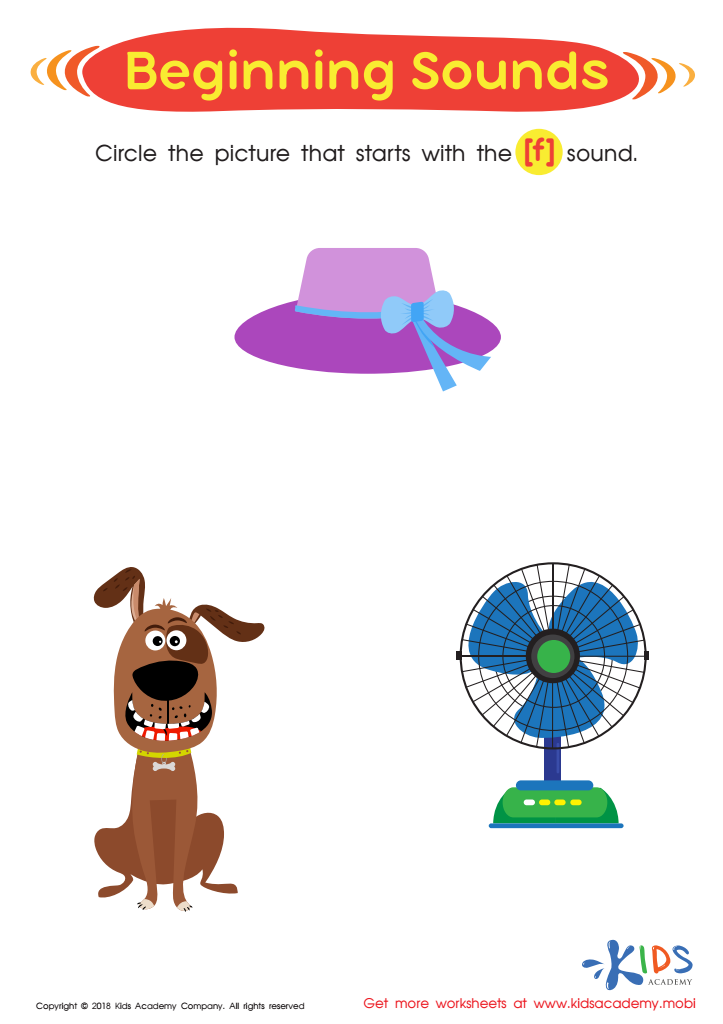
Beginning Sounds Assessment Printable
 Assign to My Students
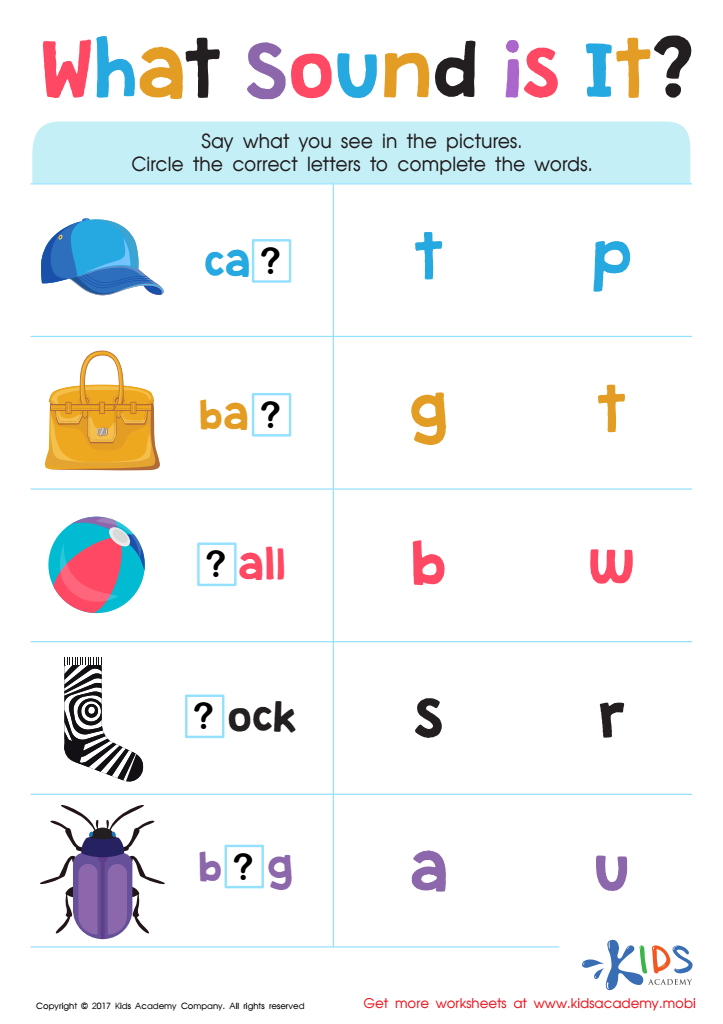
What Sound Is it? Worksheet
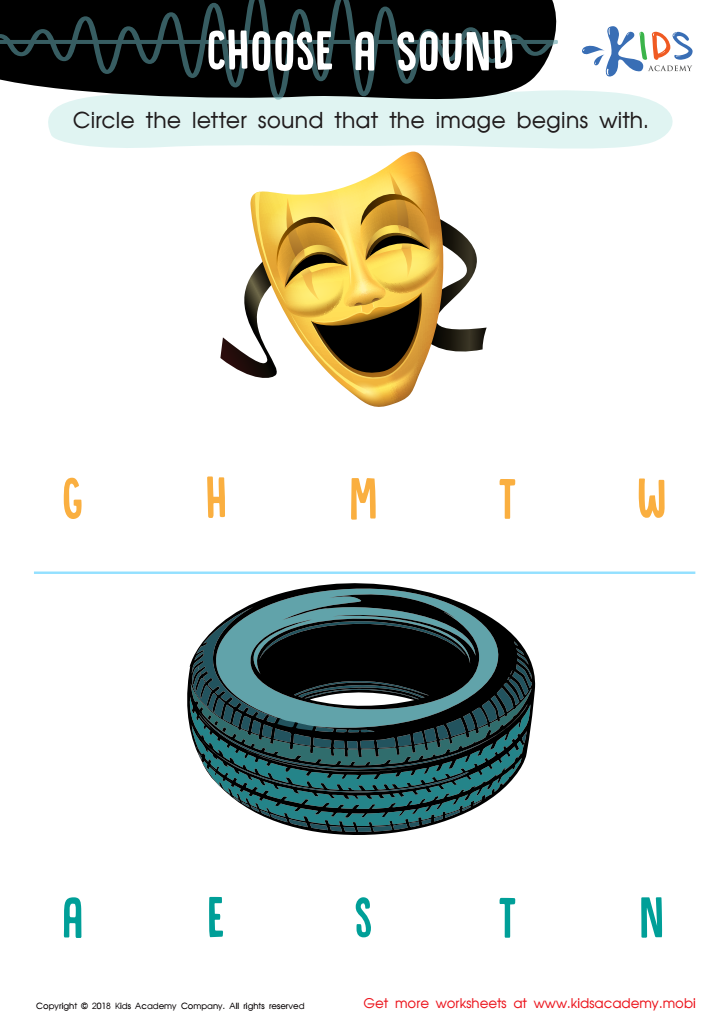
Choose a Sound Worksheet
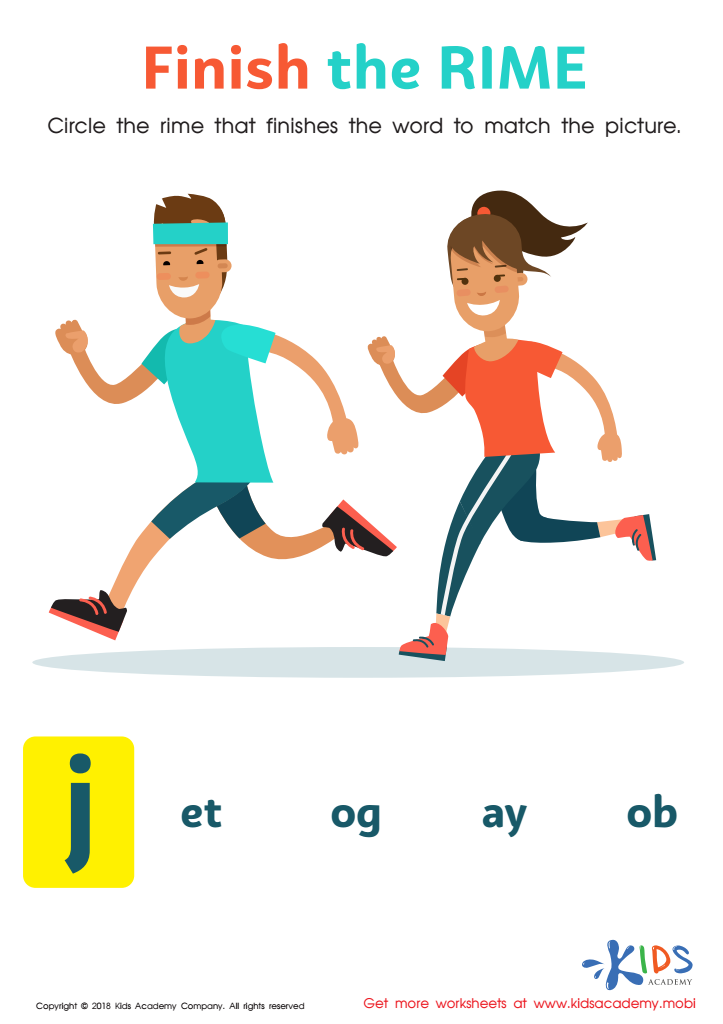
Finish the Rime Worksheet
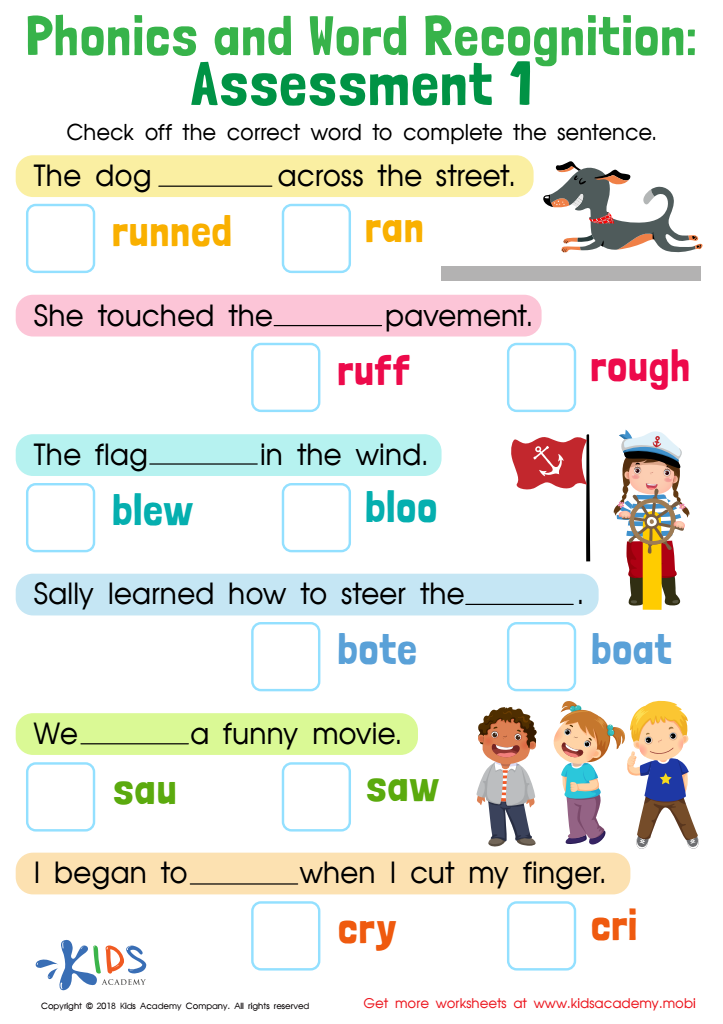
Phonics and Word Recognition: Assessment 1 Worksheet







Phonics recognition is crucial for children aged 3-9 because it lays the foundational building blocks for successful reading and literacy development. During these early years, children are developing key cognitive and language skills; understanding phonics—the connections between sounds and their corresponding letters—helps them decode words, which is essential for fluent reading.
For parents and teachers, focusing on phonics at this stage accelerates vocabulary growth and enhances comprehension. When children can sound out words, they read more independently, boosting their confidence and fostering a love for reading. This early literacy competence directly impacts academic performance across subjects, as reading is integral to overall learning.
Phonics also aids in spelling and writing, as recognizing letter-sound relationships gives children tools to spell new words and articulate thoughts coherently. Additionally, early phonics recognition supports better communication skills, as it reinforces the mechanics of speech and pronunciation.
Investing time in phonics instruction for kids aged 3-9 not only equips them with essential reading skills but also promotes lifelong learning and cognitive development. Engaged and proactive involvement from parents and teachers can translate into more successful educational outcomes, act as a buffer against reading difficulties, and set the stage for a lifelong passion for learning.








