Visual discrimination skills Easy Worksheets for Ages 3-9
3 filtered results
-
From - To
Enhance your child's visual discrimination skills with our easy worksheets designed for ages 3-9! These engaging activities will help young learners identify differences and similarities in shapes, colors, and patterns, promoting critical thinking and observation abilities. Each worksheet is thoughtfully crafted to keep children motivated while fostering essential cognitive skills. Perfect for home or classroom use, our printable worksheets offer a fun and interactive way for kids to build their visual perception. Dive into a world of learning and watch your child's confidence grow as they master visual discrimination through play! Start exploring our resources today for an educational adventure!
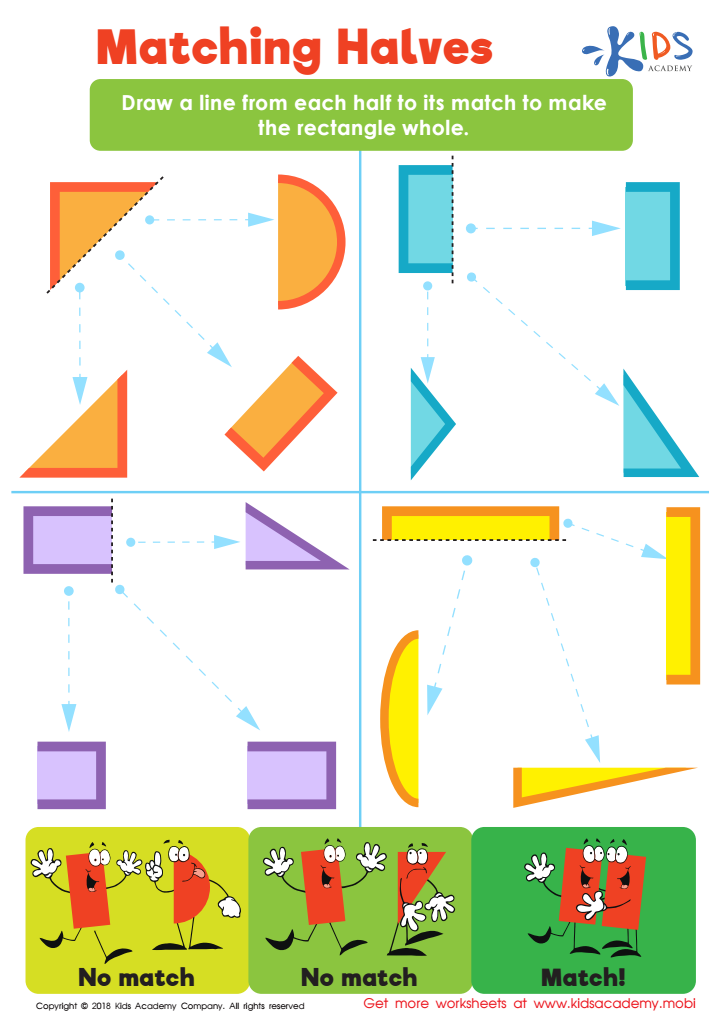
Matching Halves Worksheet
 Assign to My Students
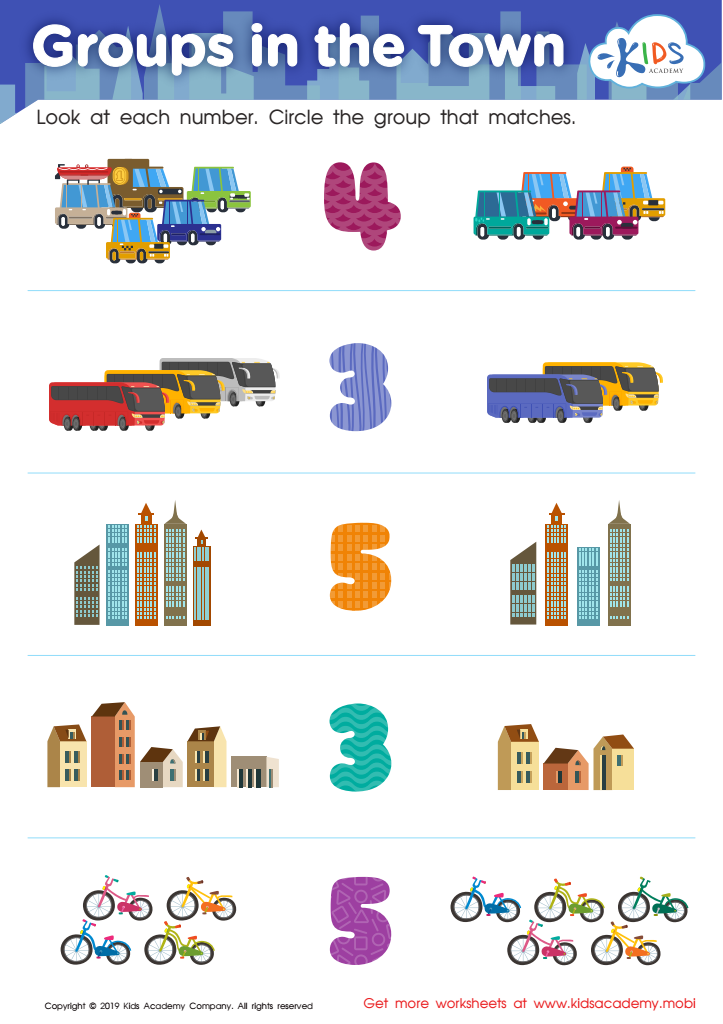
Groups in the Town Worksheet
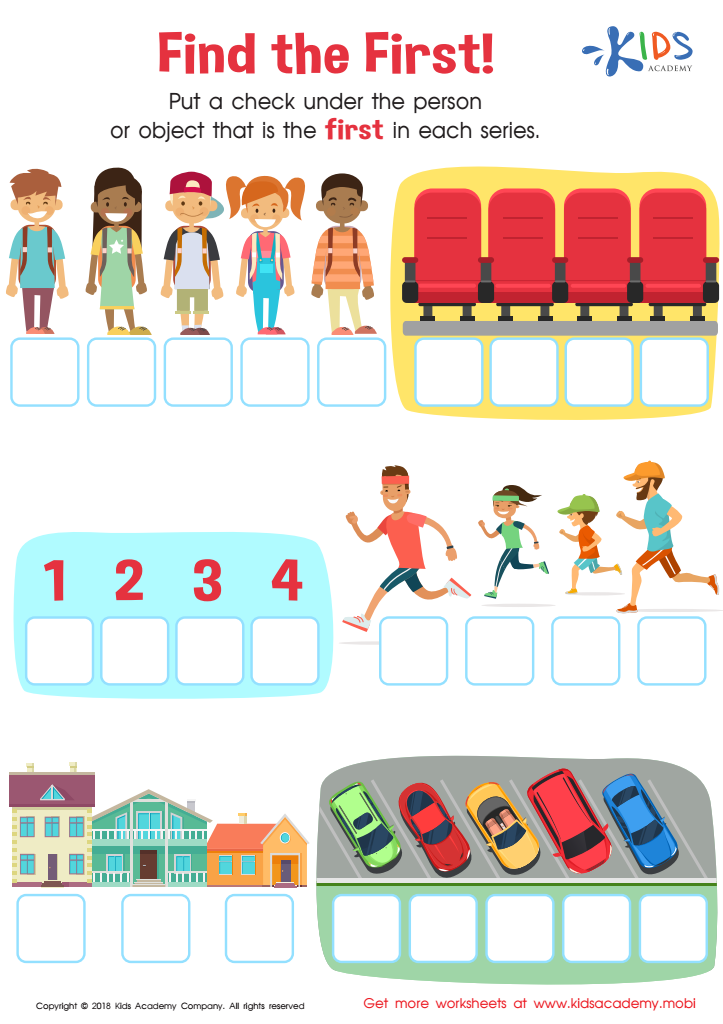
Find the First! Worksheet





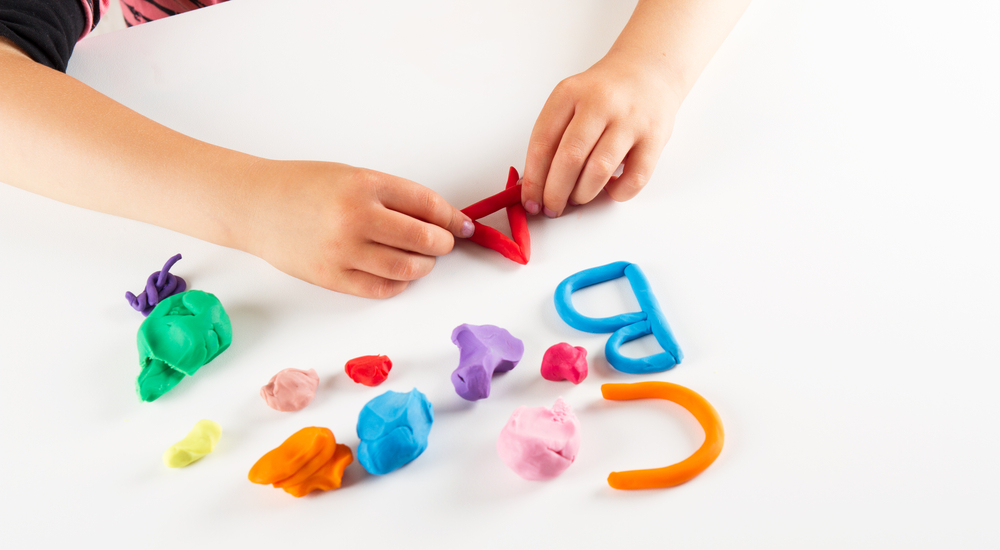


Visual discrimination skills are essential for children and play a foundational role in their early development. These skills enable kids to recognize differences and similarities in shapes, colors, sizes, and patterns, which are crucial for learning. For ages 3 to 9, developing strong visual discrimination abilities supports critical learning outcomes, such as reading, writing, and math.
When children can differentiate letters that look similar (like 'b' and 'd') or quantities in counting, they build confidence in their academic abilities. This lays the groundwork for more complex tasks in the future. Furthermore, visual discrimination skills enhance cognitive development; they improve memory, focus, and the ability to solve problems.
For parents and teachers, actively engaging children in activities that boost these skills—like puzzles, matching games, or identifying patterns—can create a fun learning environment. Children will be better equipped to navigate the educational landscape, leading to positive school experiences.
By caring about and fostering visual discrimination skills, parents and teachers support children's overall brain development, boost their self-esteem, and ultimately pave the way for a successful journey through education. This early attention to visual skills can significantly impact their lifelong learning and adaptability.








