Visual Perception Skills Easy Worksheets for Ages 3-9
5 filtered results
-
From - To
Discover our collection of Visual Perception Skills Easy Worksheets tailored for children aged 3-9! These engaging, printable activities are designed to enhance your child's visual tracking, pattern recognition, and spatial awareness. With a variety of fun exercises that range from matching and sorting to puzzles and mazes, children will develop crucial skills while enjoying the learning process. Each worksheet is thoughtfully crafted to align with early education standards, ensuring a seamless blend of play and skill-building. Start boosting your child’s visual perception skills today and lay a strong foundation for future academic success!
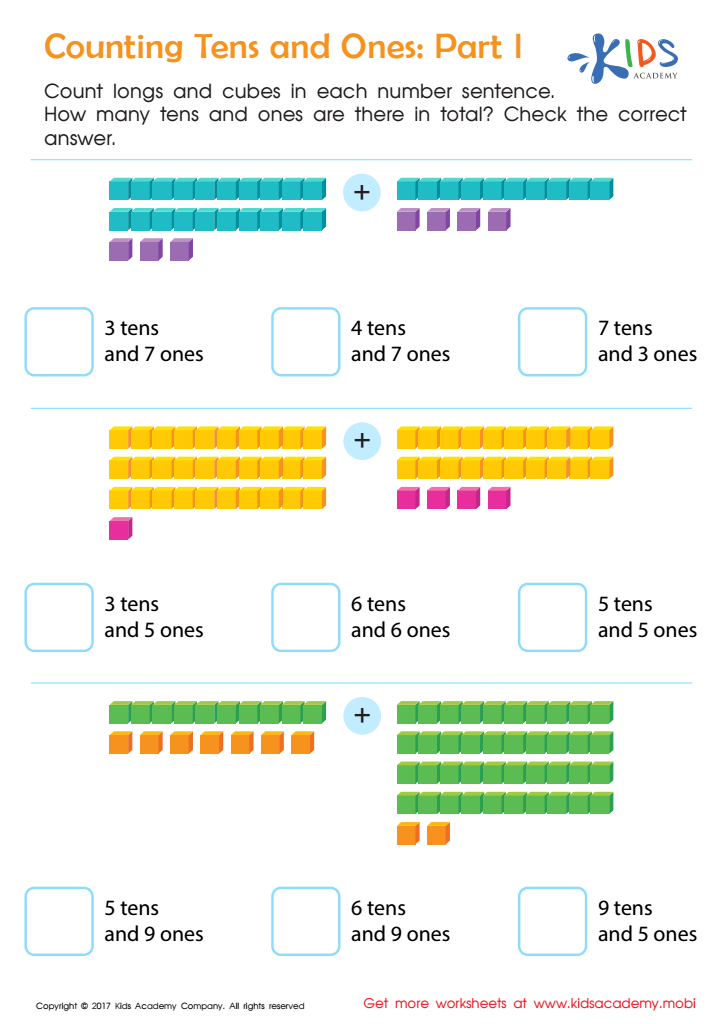
Counting Tens and Ones: Part 1 Worksheet
 Assign to My Students
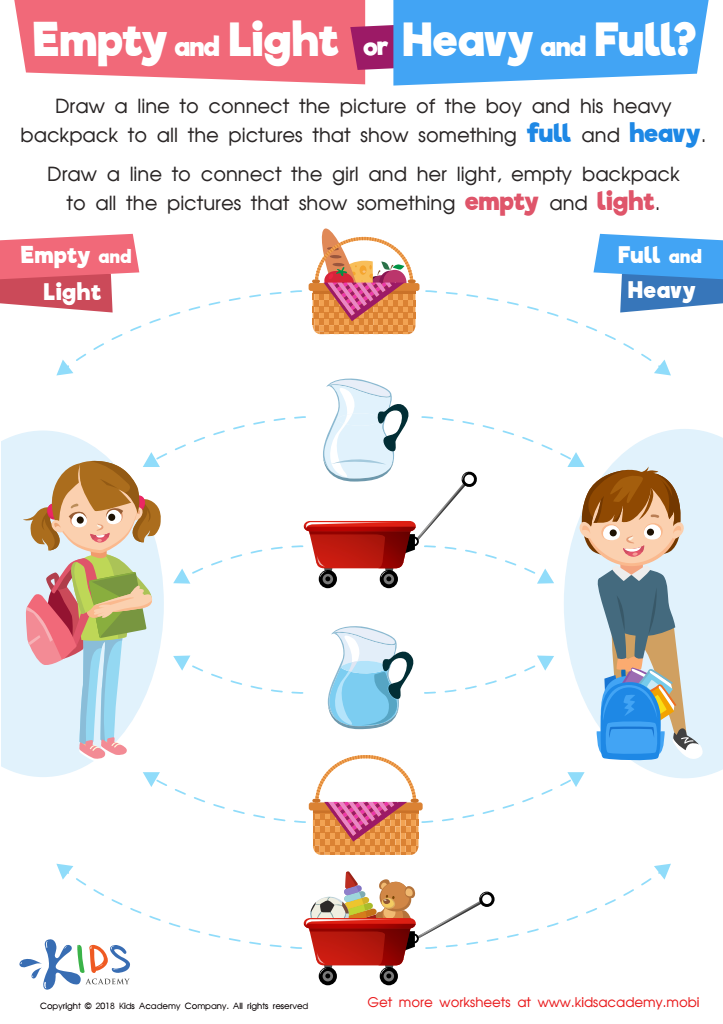
Empty and Light or Heavy and Full? Worksheet
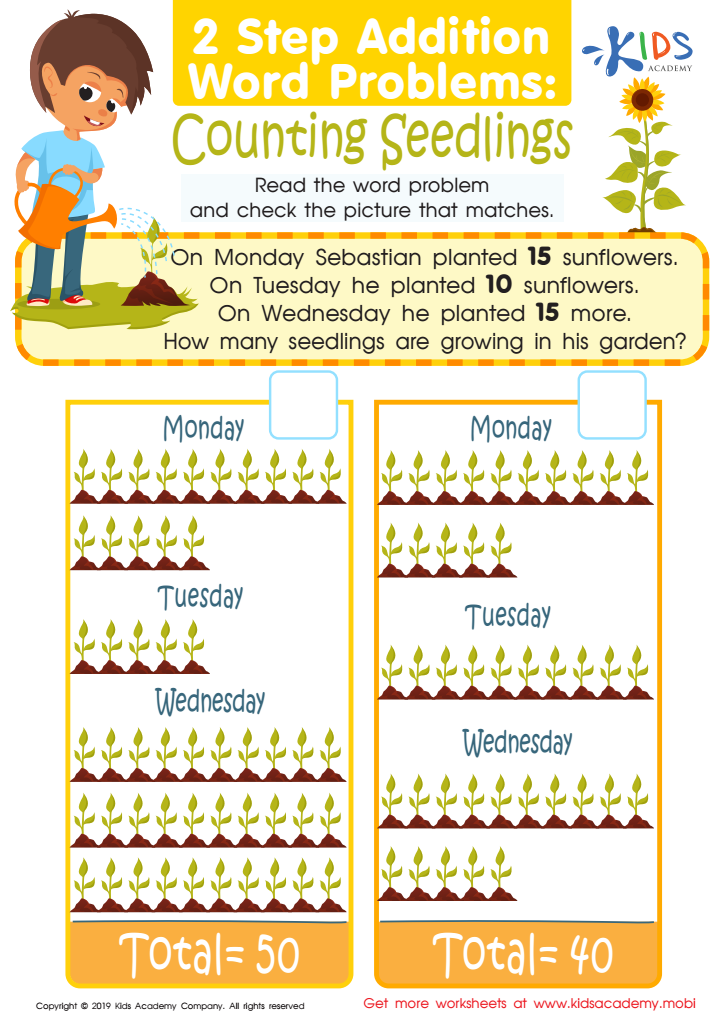
Counting Seedlings Worksheet
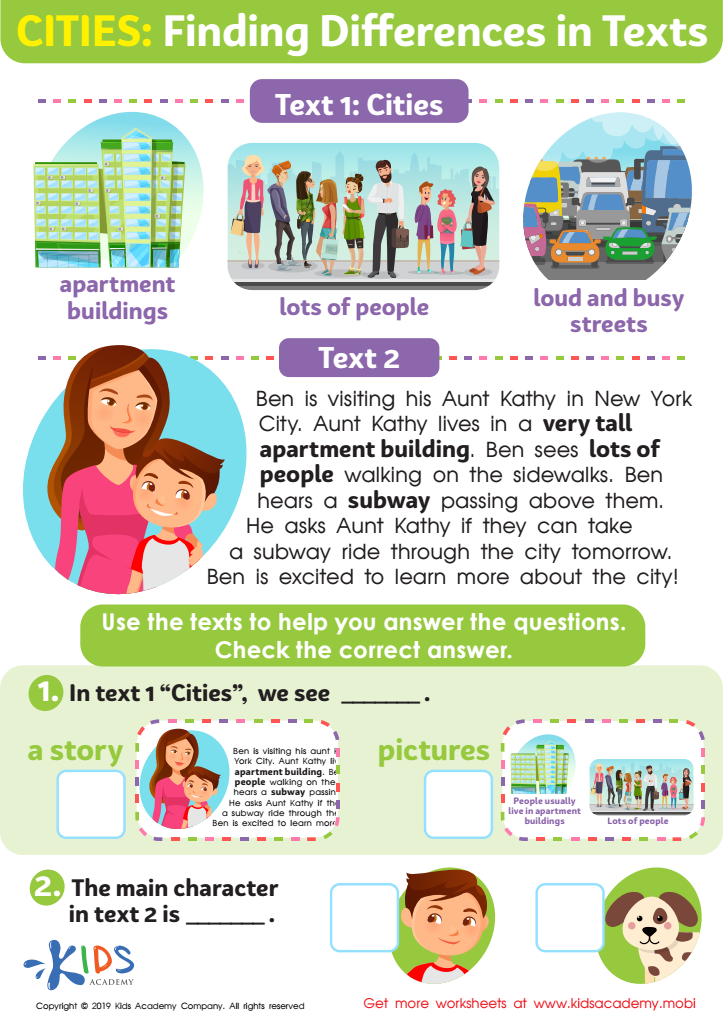
Cities: Finding Differences Worksheet
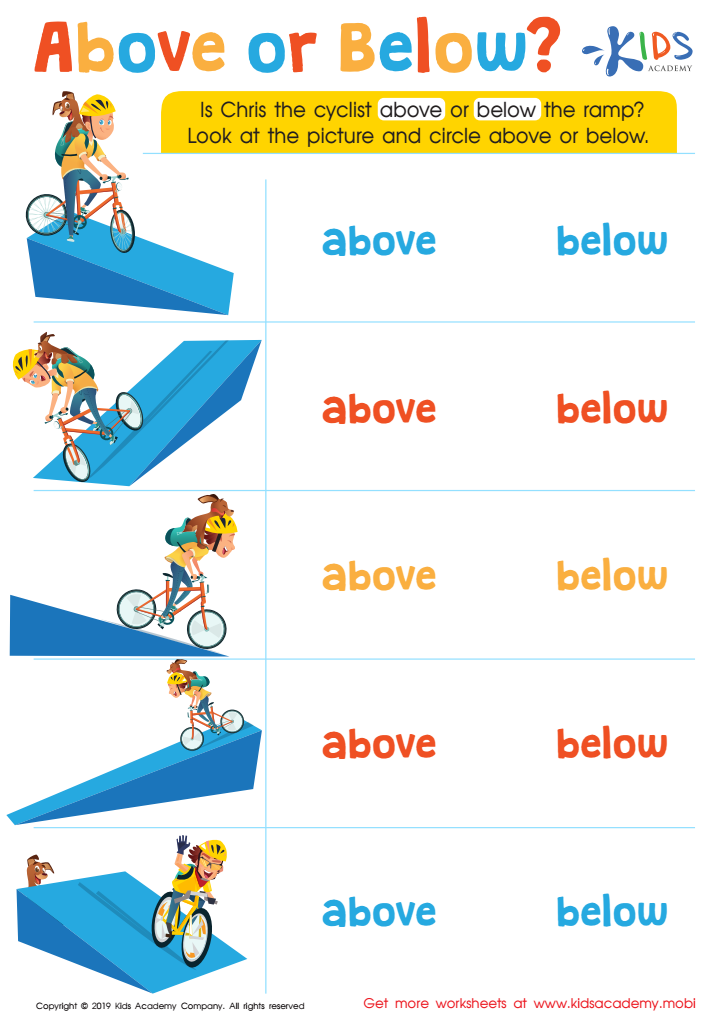
Above or Below? Worksheet


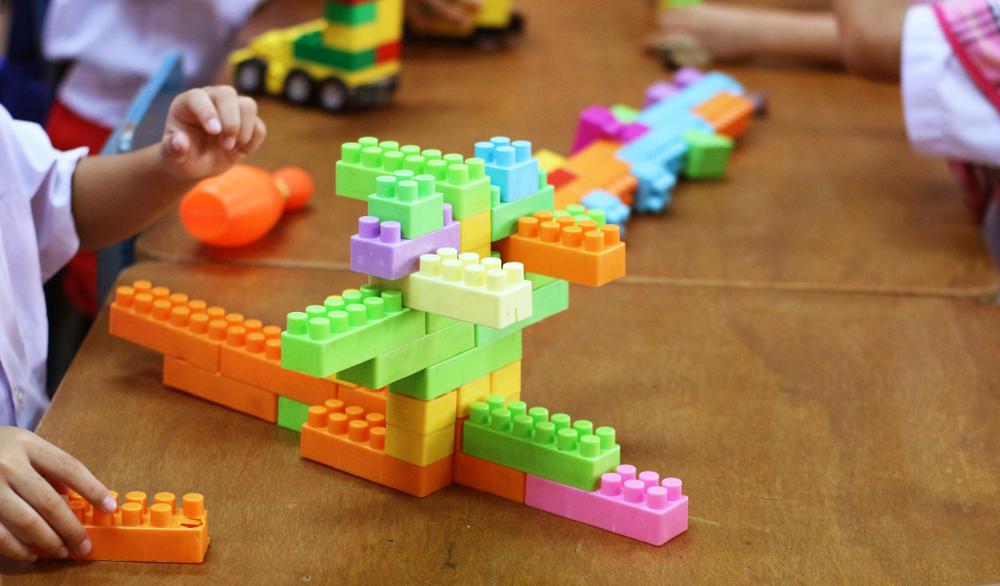





Parents and teachers should care about Visual Perception Skills for children aged 3-9 because these skills are crucial for early learning and overall development. Visual perception skills enable children to interpret what they see, make sense of it, and act appropriately. These skills encompass recognizing shapes, colors, spatial relationships, and understanding visual sequences — all foundational for reading, writing, mathematics, and general problem-solving.
Strong visual perception skills can help children distinguish letters and numbers, enhancing their ability to read and comprehend text. For instance, differentiating 'b' from 'd' or '6' from '9' relies heavily on visual discrimination skills. In mathematics, understanding geometric shapes and spatial properties directly links back to visual perception abilities.
Furthermore, well-developed visual perception helps children in daily activities and fosters independence. Recognizing patterns or sequences assists with tasks like sorting and organizing, while spatial awareness is vital for physical coordination in activities like sports and play.
Neglecting these skills can lead to learning difficulties, low self-esteem, and increased frustration for young learners. Therefore, focusing on enhancing visual perception skills through puzzles, memory games, drawing, and interactive activities ensures that children build a solid foundation for academic success and everyday functioning.








