Following instructions Easy Numbers Worksheets for Ages 3-9
5 filtered results
-
From - To
Introducing our "Following Instructions Easy Numbers Worksheets for Ages 3-9," designed to make learning numbers engaging and straightforward. Perfectly tailored for young learners, these worksheets focus on building foundational math skills while enhancing the ability to follow directions. Each activity is crafted to develop key learning skills, ensuring children grasp number concepts with ease. By combining fun illustrations and simple instructions, these worksheets keep kids motivated and eager to learn. Ideal for home or classroom use, parents and educators can support early math success effortlessly. Start nurturing your child's love for numbers today with our easy-to-use worksheets!
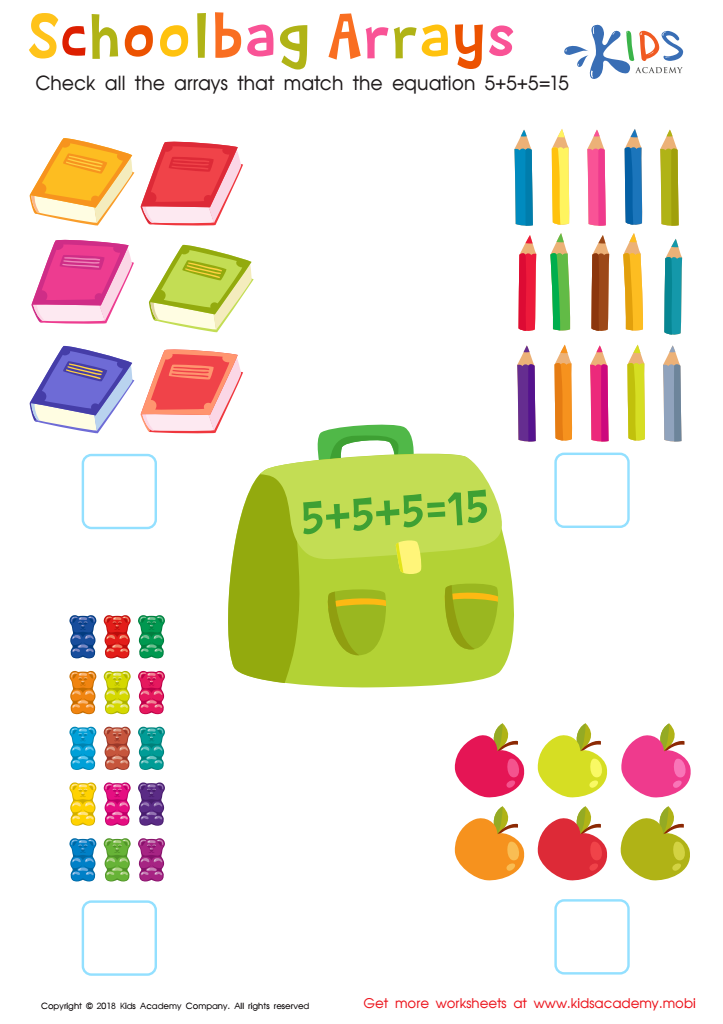
Schoolbag Arrays Worksheet
 Assign to My Students
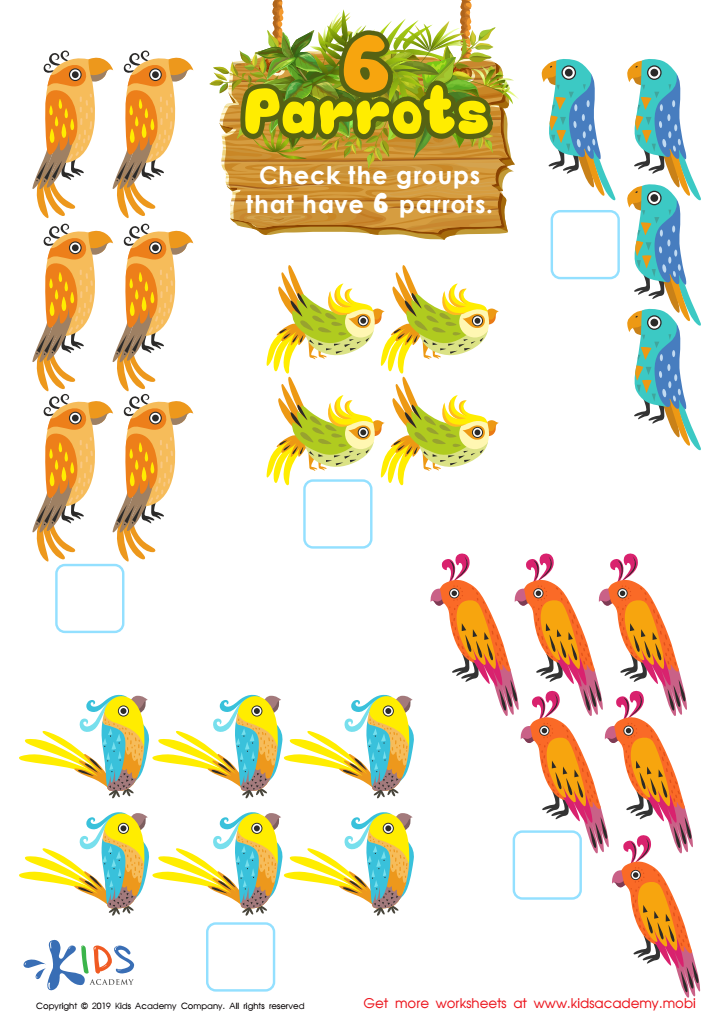
6 Parrots Worksheet
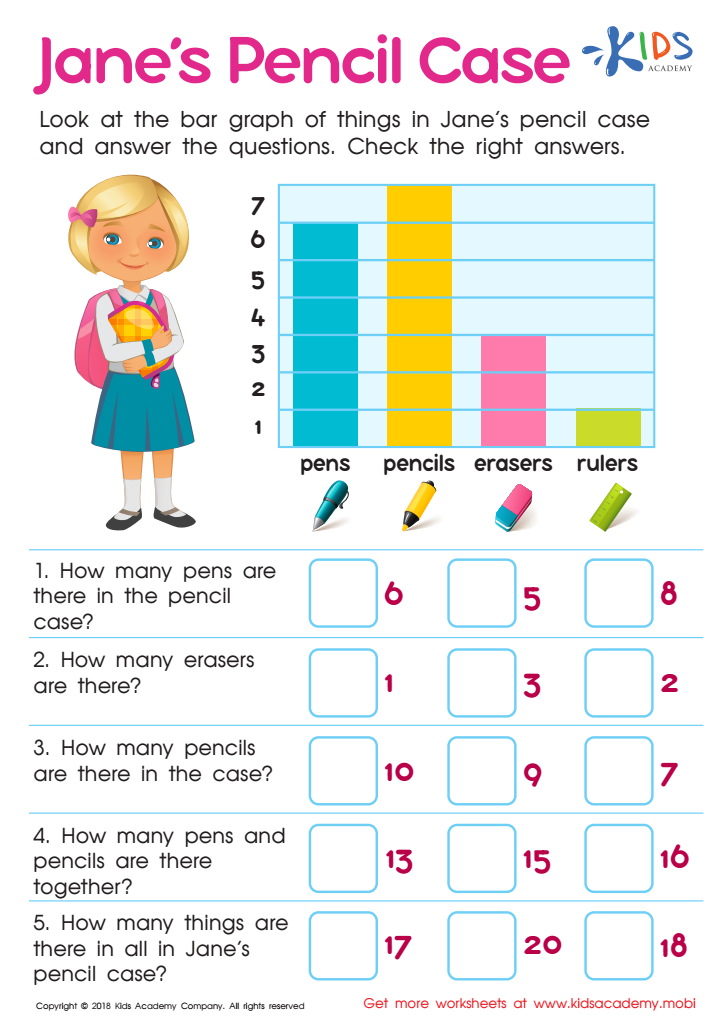
Jane's Pencil Case Worksheet
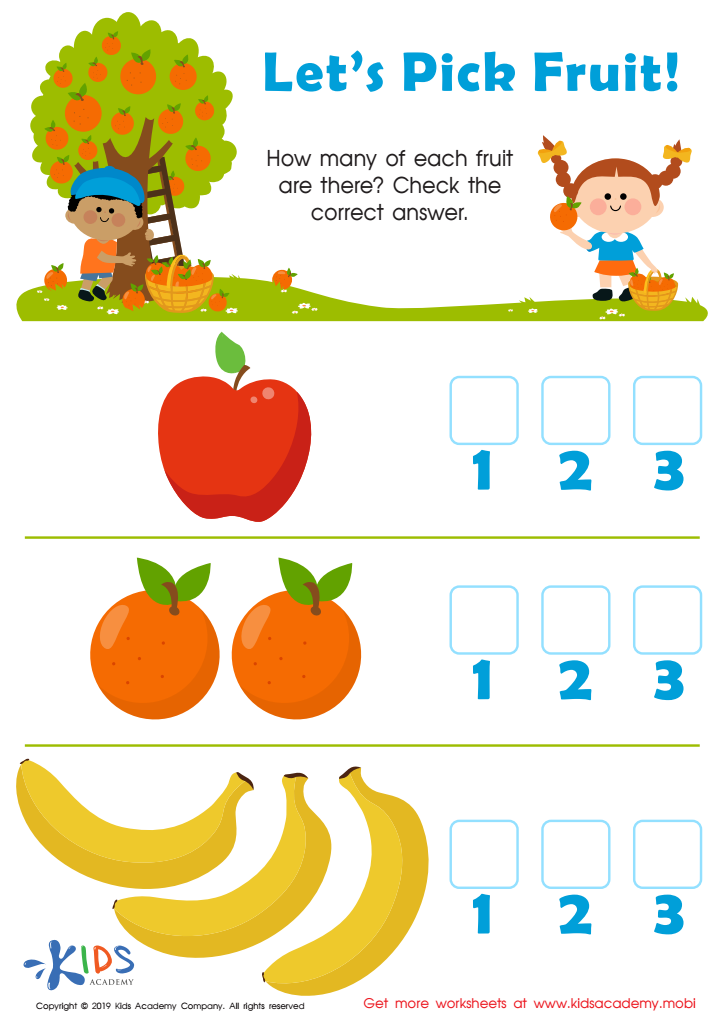
Let's Pick Fruit Worksheet
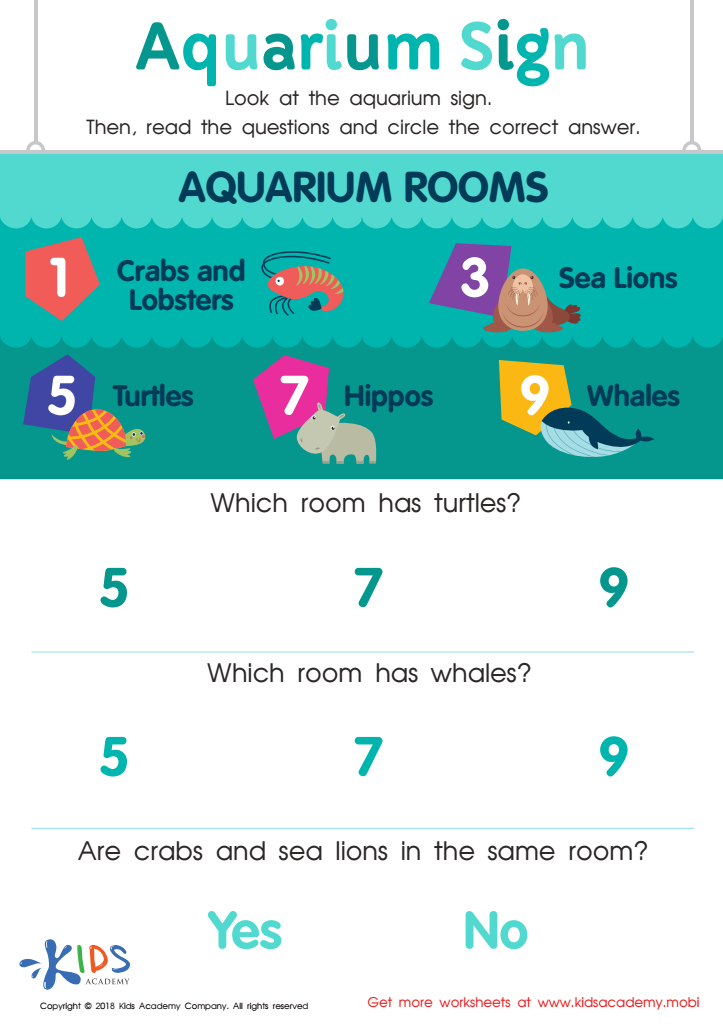
Assessment: Aquarium Sign Worksheet








Parents and teachers should prioritize teaching young children how to follow instructions and grasp fundamental numerical concepts, as these skills are foundational to their future academic and personal success. For ages 3-9, children are rapidly developing their cognitive abilities, and learning to comprehend and execute instructions cultivates their attention span, listening skills, and ability to process information, all of which are crucial for their overall learning experience.
Early exposure to "Following Instructions Easy Numbers" helps children understand basic mathematical principles, such as counting, recognizing numerals, and simple arithmetic. This fosters a strong numerical foundation, which is essential for more complex mathematical concepts encountered in later academic stages. Moreover, the practice of following instructions related to numbers improves their problem-solving skills and enhances their logical reasoning abilities.
In addition, grasping these essential skills early on can boost a child’s confidence and autonomy, allowing them to participate more actively in learning activities and daily routines. By encouraging children to follow instructions and understand basic numbers from a young age, parents and teachers set them on a path toward academic success and empower them to navigate everyday challenges with greater ease and competence.








