Spatial reasoning Easy Math Worksheets for Ages 3-9
3 filtered results
-
From - To
Discover our collection of Spatial Reasoning Easy Math Worksheets designed for children aged 3-9! These engaging worksheets help young learners develop crucial spatial awareness skills through fun and interactive activities. Each worksheet is thoughtfully crafted to encourage skills such as shape recognition, pattern formation, and spatial visualization. Perfect for both classroom and home use, our easy-to-follow worksheets make math enjoyable and effective. With colorful illustrations and clear instructions, children will enhance their logical thinking and problem-solving abilities while having fun. Explore our resources today and give your child the confidence to excel in math through spatial reasoning!
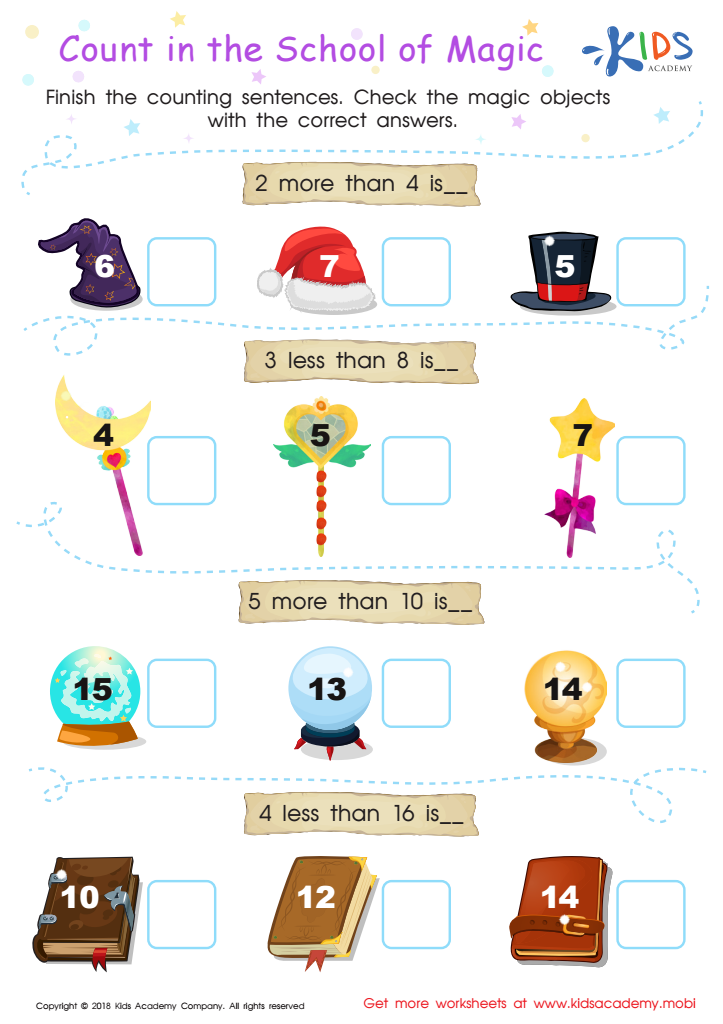
Count in the School of Magic Worksheet
 Assign to My Students
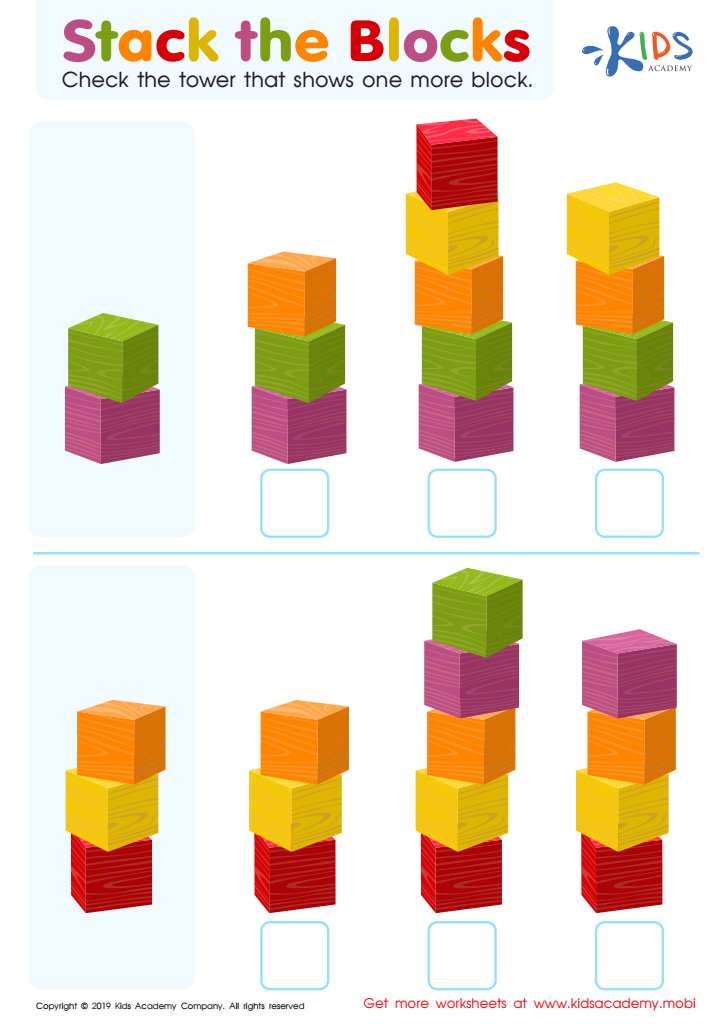
Stack the Blocks Worksheet
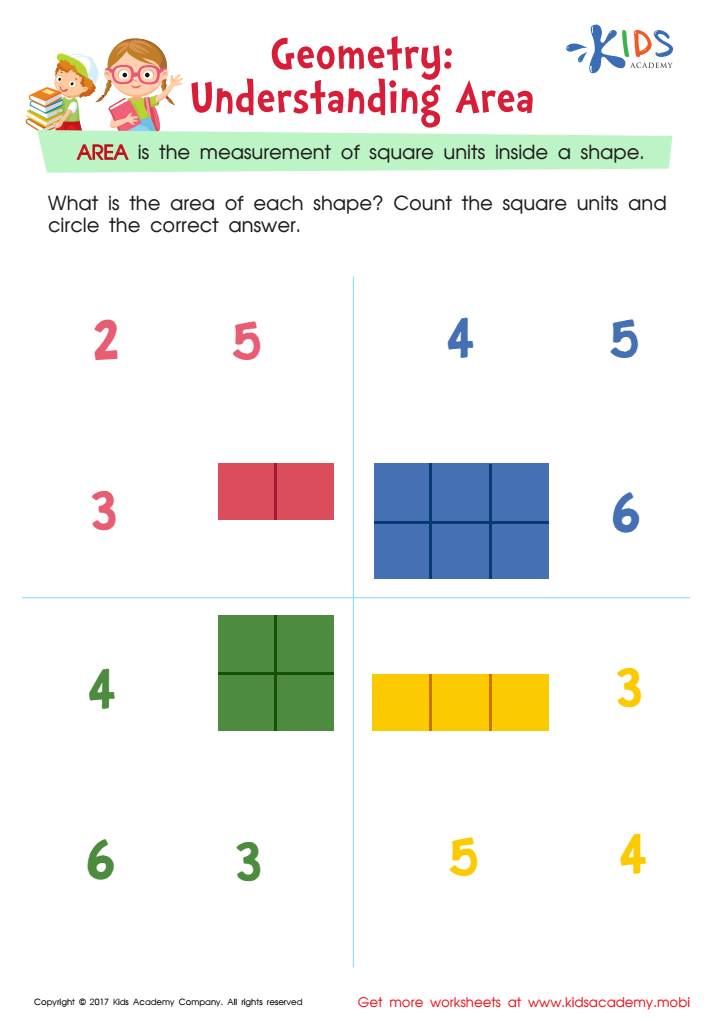
Understanding Area Worksheet


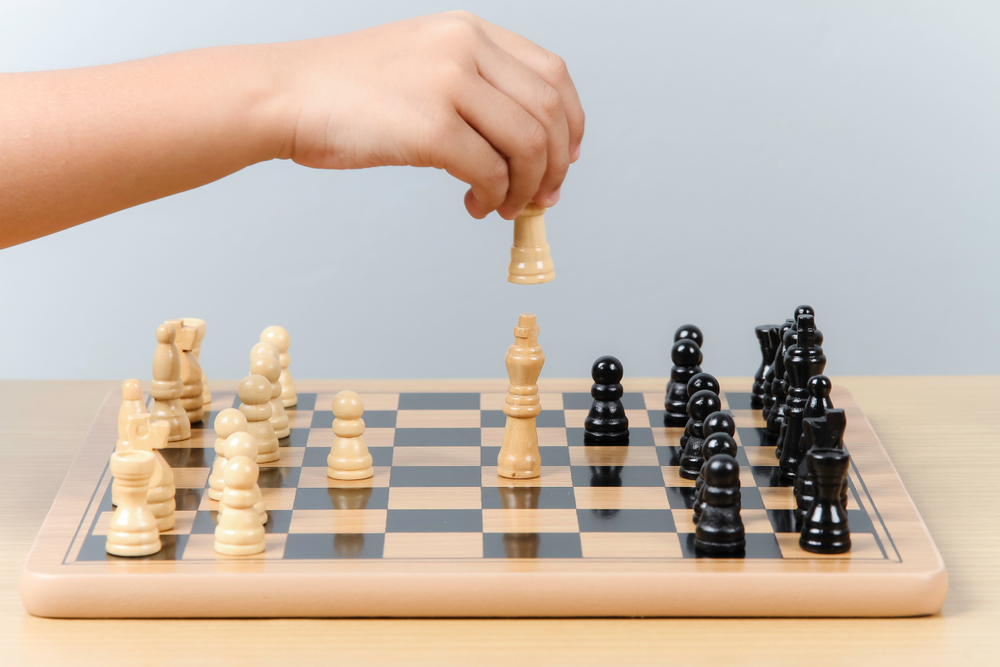



.jpg)
Spatial reasoning is a crucial skill for young learners, impacting various areas of their development and future learning. For children ages 3-9, engaging in "Easy Math" activities that promote spatial reasoning can significantly enhance their cognitive skills. Understanding spatial relationships helps children visualize shapes, comprehend measurements, and develop problem-solving abilities. These foundational skills lay the groundwork for later success in subjects like mathematics, science, and engineering.
Parents and teachers should care about fostering spatial reasoning because it aids in logical thinking and promotes creativity. Activities that incorporate puzzles, building blocks, and other hands-on learning tools stimulate a child's imagination while providing a context for practical math applications. Moreover, strong spatial skills enable children to navigate the world more effectively, assisting them with tasks such as arranging furniture, following maps, and even interpreting graphs.
Investing time and resources into spatial reasoning activities not only supports children's academic growth but also builds confidence. As they master spatial challenges, they become more resilient problem solvers, well-equipped to tackle future complexities in their education and everyday life. Thus, prioritizing spatial reasoning in early math education is essential for fostering well-rounded, capable learners.








