Visual Learning Easy Math Worksheets for Ages 3-9
6 filtered results
-
From - To
Discover fun and engaging Visual Learning Easy Math Worksheets designed for children ages 3-9. These interactive worksheets enhance early math skills through vivid illustrations and step-by-step exercises. Kids will explore basic concepts such as counting, addition, subtraction, shapes, and patterns while developing visual learning and analytical thinking. The easy-to-follow activities ensure a positive learning experience for preschoolers and early graders, fostering confidence and a love for math. Explore our collection at [Website Link] and help your child build a strong math foundation with visually stimulating, age-appropriate worksheets.
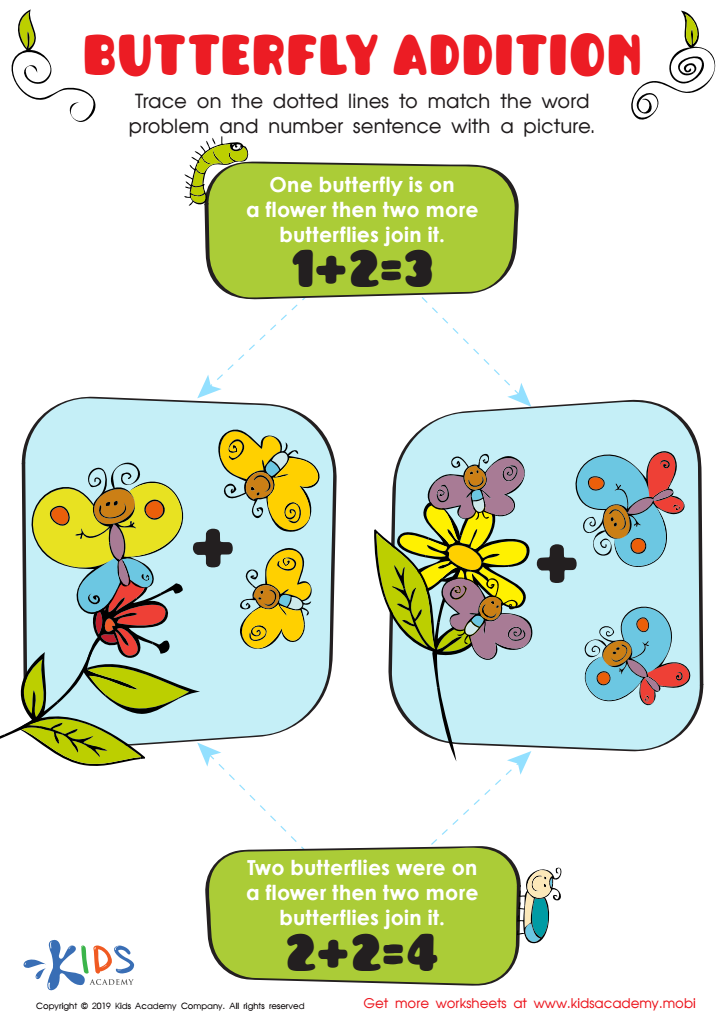
Butterfly Addition Worksheet
 Assign to My Students
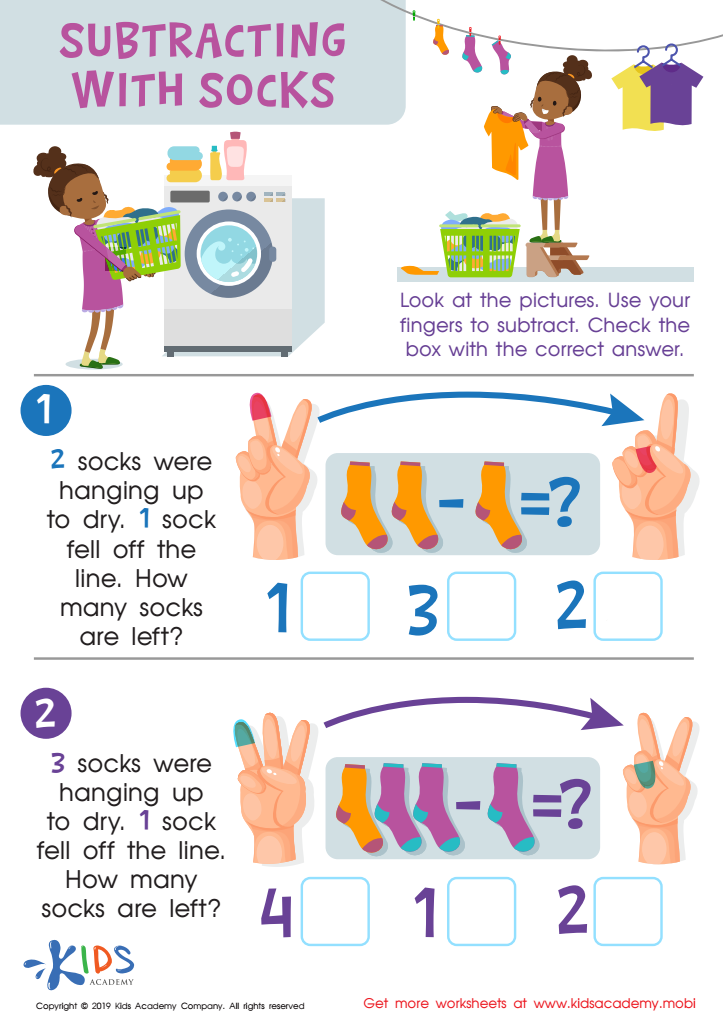
Subtracting Socks Worksheet
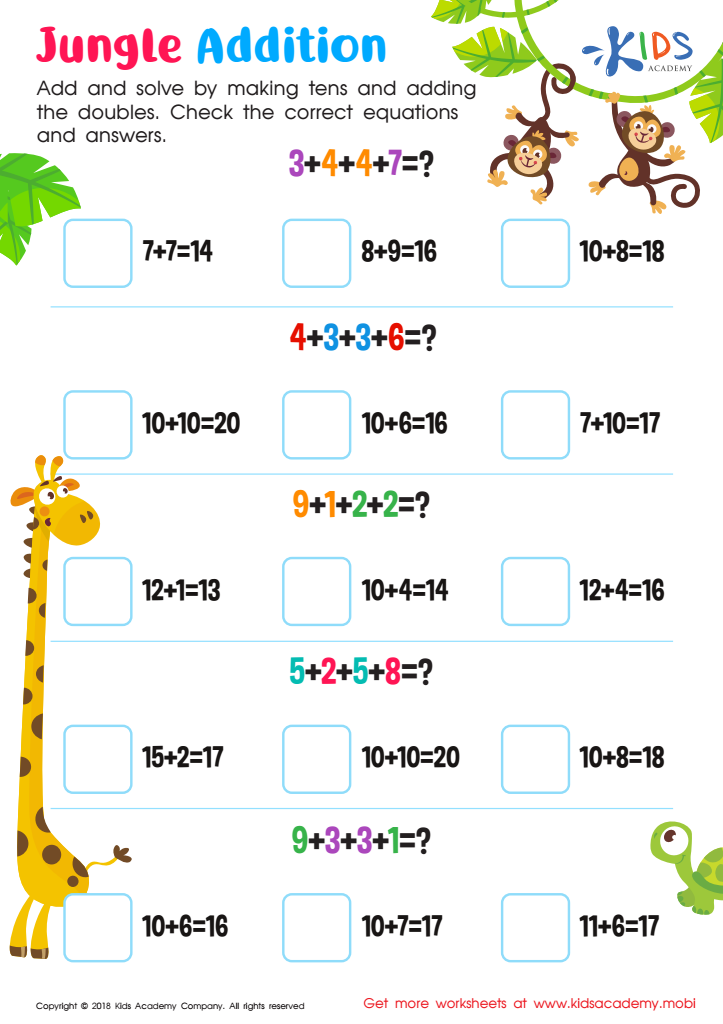
Jungle Addition Worksheet
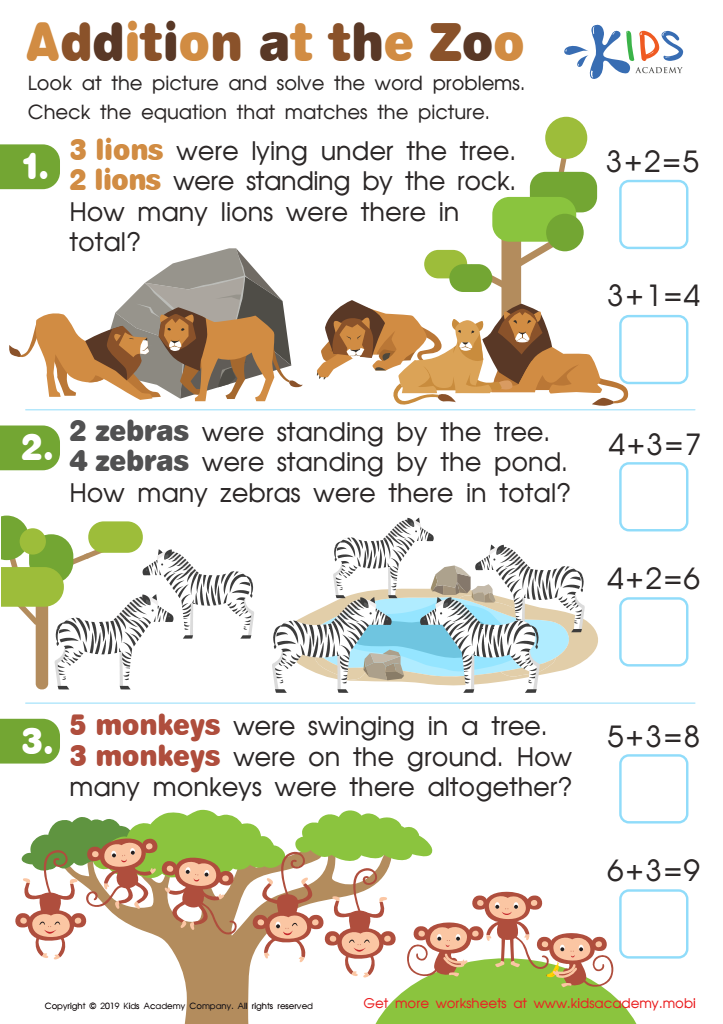
Addition at the Zoo Worksheet
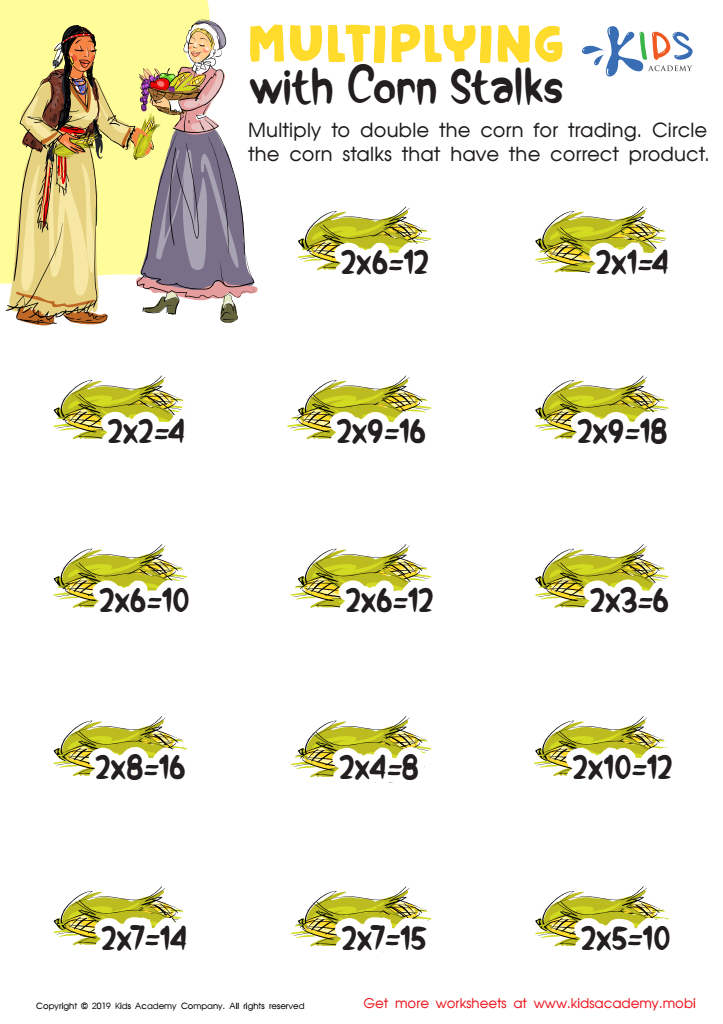
Multiplying With Corn Stalks Worksheet
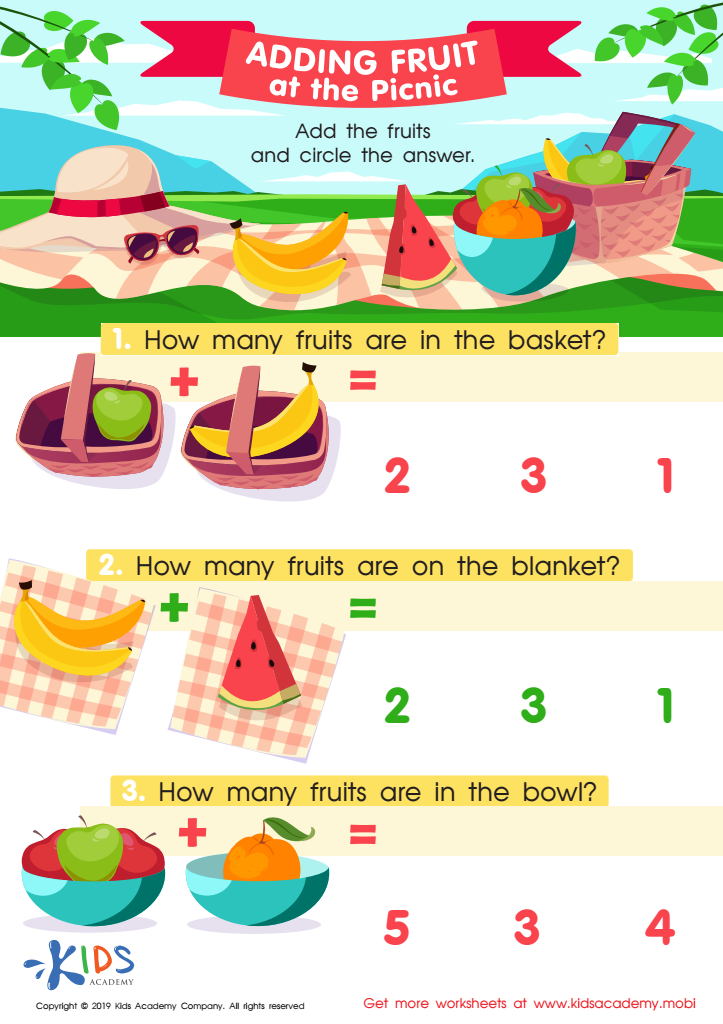
Adding Fruit at the Picnic Worksheet







.jpg)
Visual Learning Easy Math for ages 3-9 is a crucial educational tool for both parents and teachers, offering immense benefits in the foundational development of math skills. At this stage, young children's brains are highly receptive to visual stimuli, making visual learning extremely effective for grasping basic math concepts. Here’s why it matters:
-
Engagement and Interest: Visual aids, colorful pictures, and interactive elements capture children's attention more than traditional methods. This increased engagement helps children stay interested and invested in learning math.
-
Concrete Understanding: Visual representations like charts, graphs, and models make abstract concepts, such as addition and subtraction, more concrete and comprehensible. They bridge the gap between tangible experiences and abstract reasoning.
-
Memory Retention: Associating math concepts with visual images can improve memory retention. Children are more likely to remember a math problem they have seen illustrated compared to one explained solely through text.
-
Problem-Solving Skills: Visual learning encourages children to develop essential problem-solving skills. They learn to visualize problems, break them down into manageable parts, and come up with solutions.
-
Confidence Building: Successfully engaging with visual math aids can boost a child's confidence. Positive early experiences with math are crucial, as they lay the groundwork for future academic success.
Incorporating Visual Learning Easy Math into early education helps build a solid mathematical foundation, making learning both effective and enjoyable.








