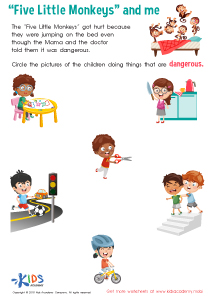
Cognitive Development Easy Building Vocabulary Worksheets for Ages 3-9
4 filtered results
-
From - To
Empower your child's cognitive growth with our engaging Building Vocabulary Worksheets tailored for ages 3-9. These expertly designed activities focus on enhancing your child's language skills and vocabulary. Each worksheet promotes critical thinking, reading comprehension, and early literacy development. Perfect for both classroom settings and home learning, our resources encourage a love for words through fun and interactive exercises, suitable for young learners at varying skill levels. Make learning an enjoyable and rewarding experience with Kids Academy, where foundational language skills blossom into advanced cognitive abilities. Explore our worksheets today and watch your child's vocabulary soar!
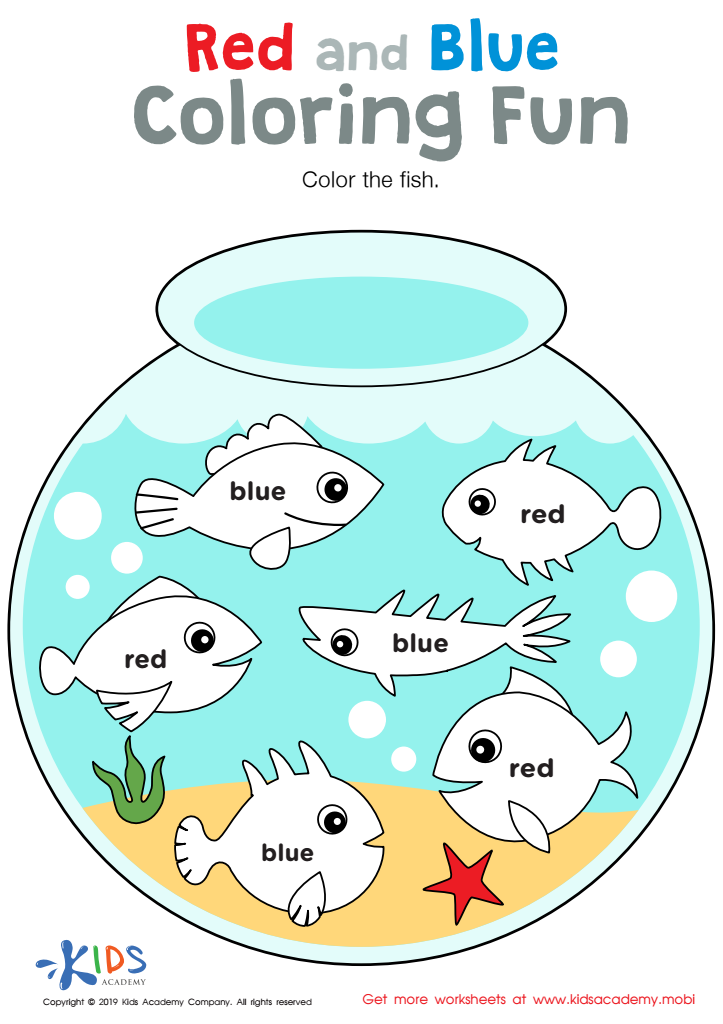
Red and Blue Coloring Fun Worksheet
 Assign to My Students











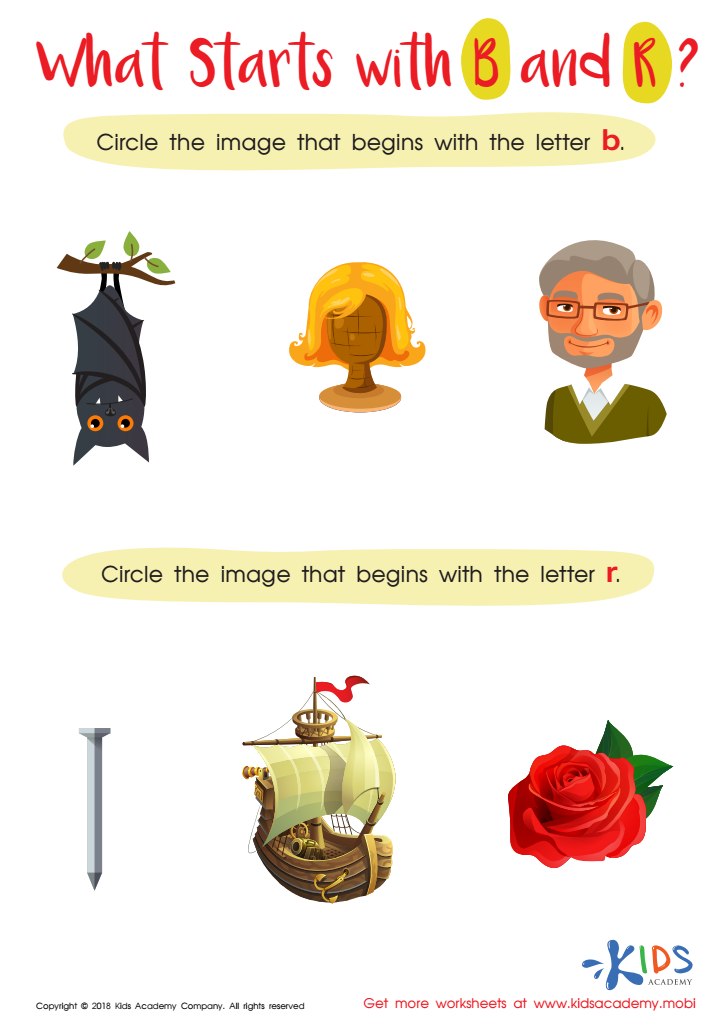
What Starts with B and R? Worksheet
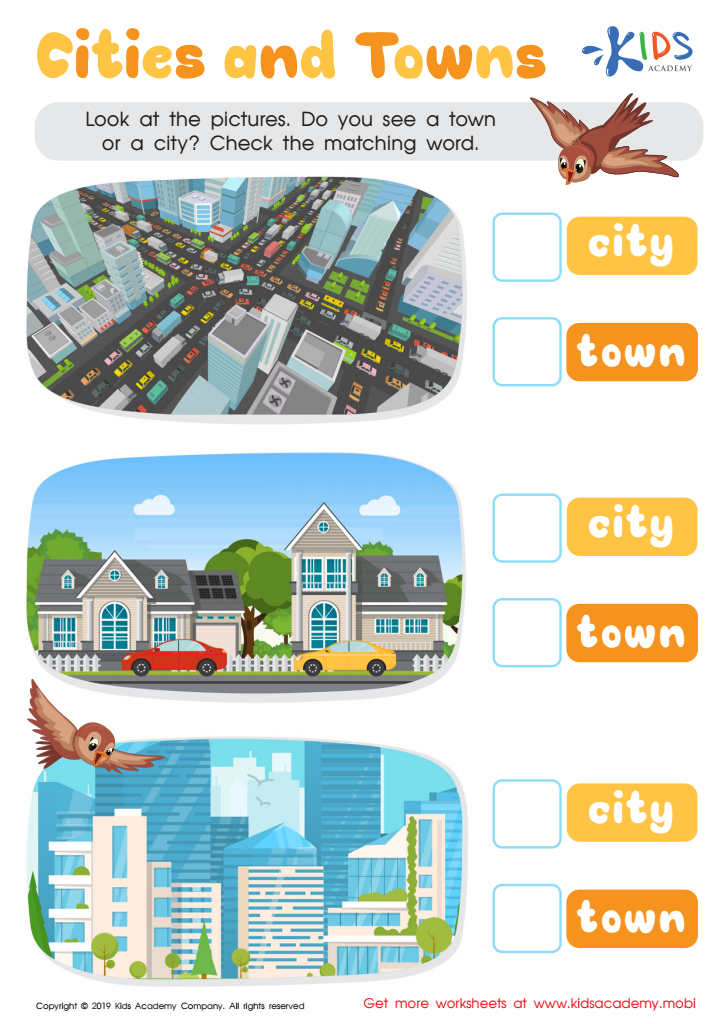
Cities and Towns Worksheet
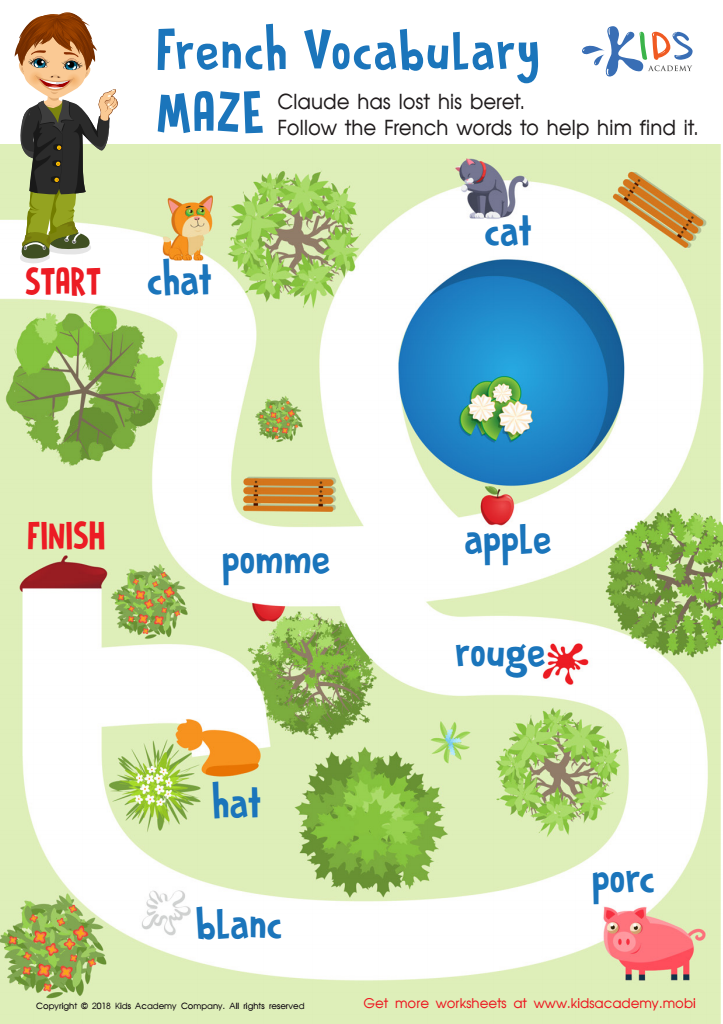
French Vocabulary Maze Worksheet





.jpg)
.jpg)

Parents and teachers should prioritize cognitive development and vocabulary building for children ages 3-9 because these early years are foundational for lifelong learning and overall intellectual growth. During this period, children's brains are exceptionally receptive to acquiring new words and concepts, which significantly boosts their cognitive abilities. Rich vocabulary exposure enhances their communication skills, allowing them to express thoughts, emotions, and ideas more clearly and effectively.
Furthermore, a robust vocabulary helps children excel in reading comprehension and academic performance. As they encounter new words, they develop improved reasoning and problem-solving skills—key components of cognitive development. This early linguistic proficiency also lays the groundwork for social interactions, enabling children to engage more confidently and empathetically with peers and adults.
In sum, fostering cognitive development and vocabulary from ages 3-9 equips children with critical thinking, effective communication, and strong social skills. By investing in these areas, parents and teachers can ensure children become more competent and confident learners, thereby establishing a solid foundation for future educational and personal success. Engaging in activities such as reading aloud, playful conversations, and interactive learning not only enriches vocabulary but also makes the learning process enjoyable and memorable.