Counting practice Easy Reading Worksheets for Ages 3-9
4 filtered results
-
From - To
Our Counting Practice Easy Reading Worksheets for ages 3-9 offer a fun and interactive way for young learners to develop essential numeracy skills. Designed to engage children through vibrant visuals and engaging activities, these worksheets support counting proficiency, number recognition, and problem-solving abilities. Perfect for beginners and early elementary students, our resources cater to different learning styles and paces, making counting a delightful experience. Encourage your child's mathematical confidence with our range of thoughtfully crafted, age-appropriate counting exercises that not only teach but also inspire a lifelong love for numbers and learning. Download now for endless educational fun!
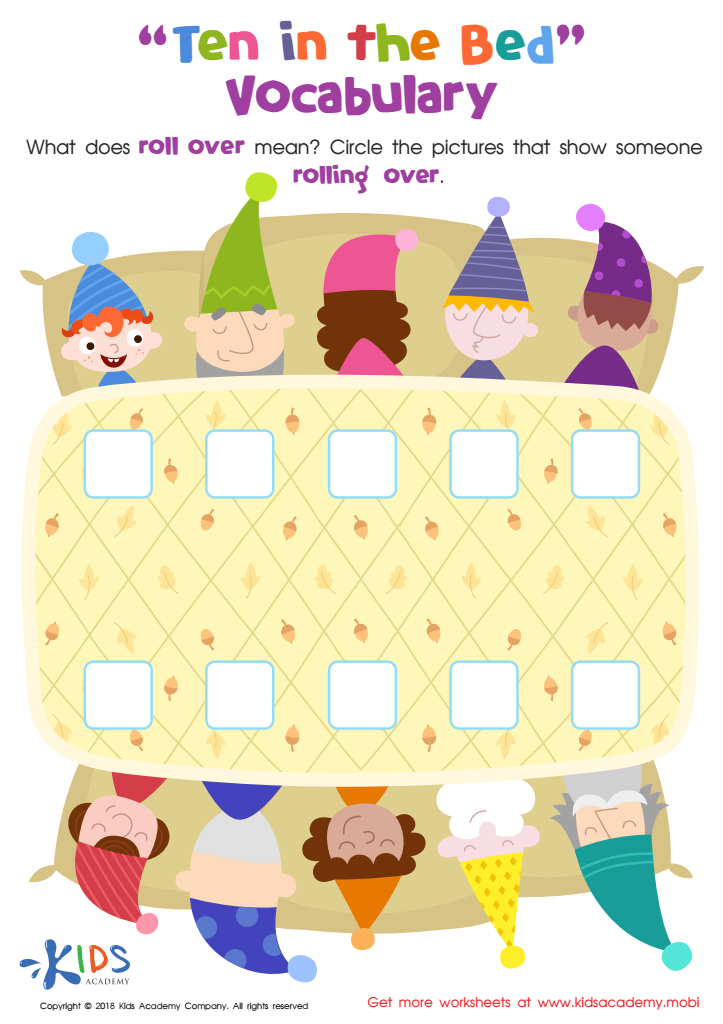
Ten in the Bed: Vocabulary Worksheet
 Assign to My Students
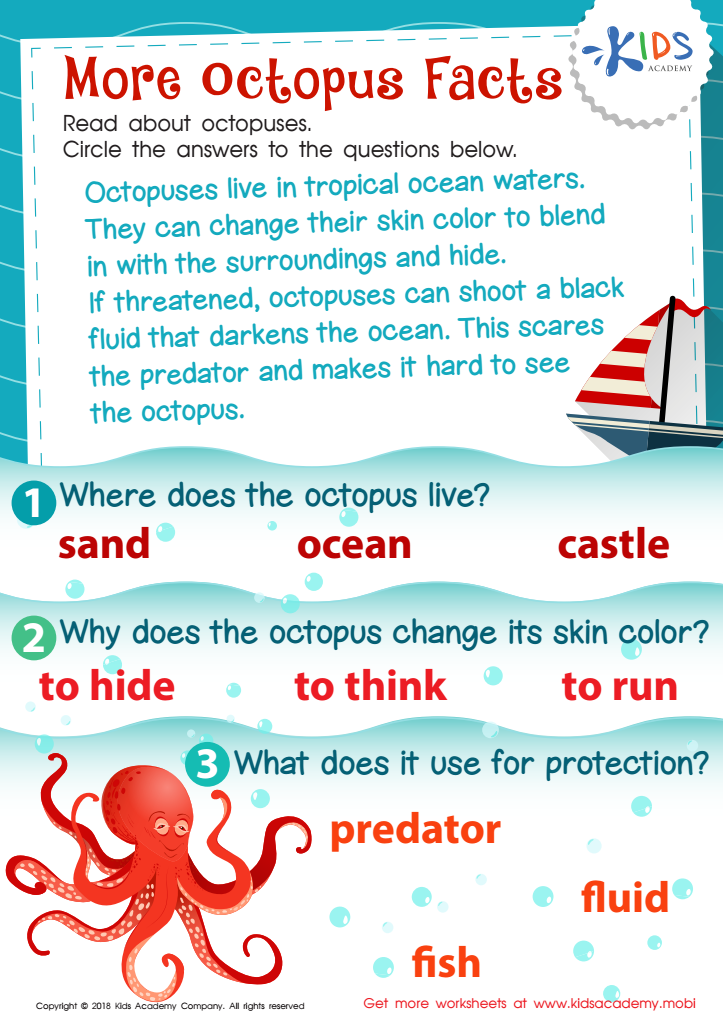
More Octopus Facts Worksheet
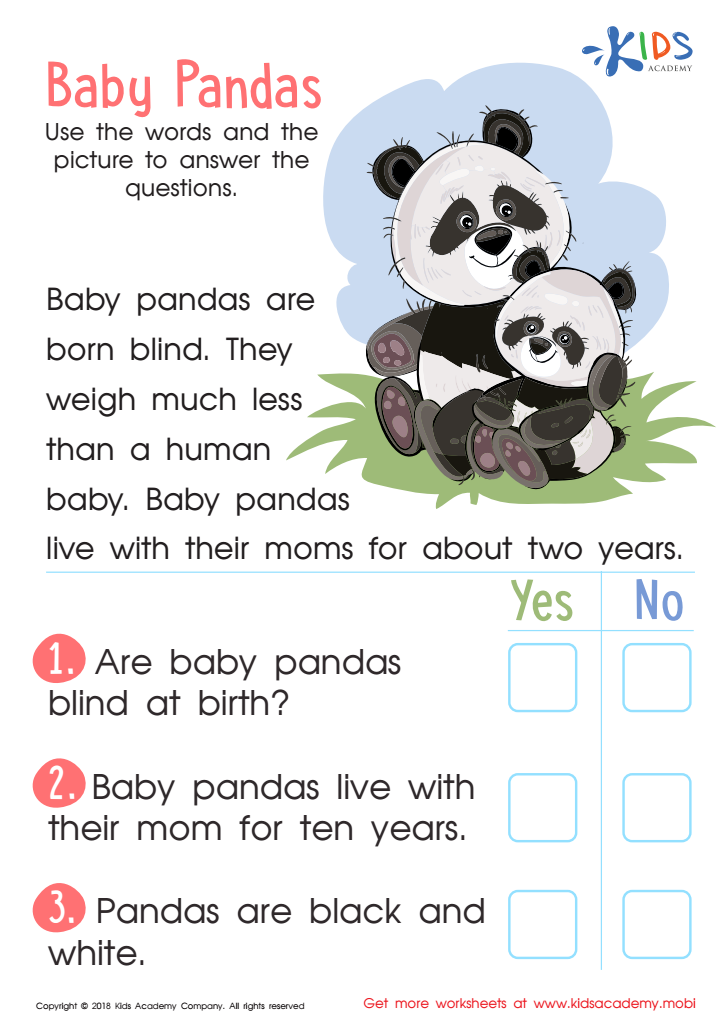
Baby Pandas Worksheet
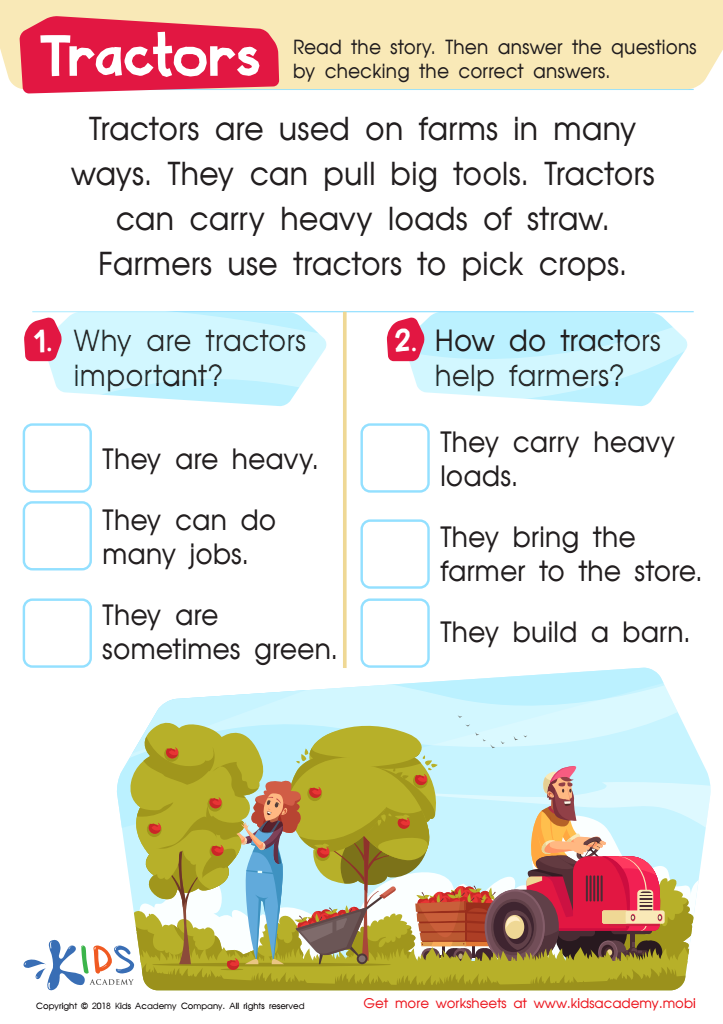
Tractors Worksheet





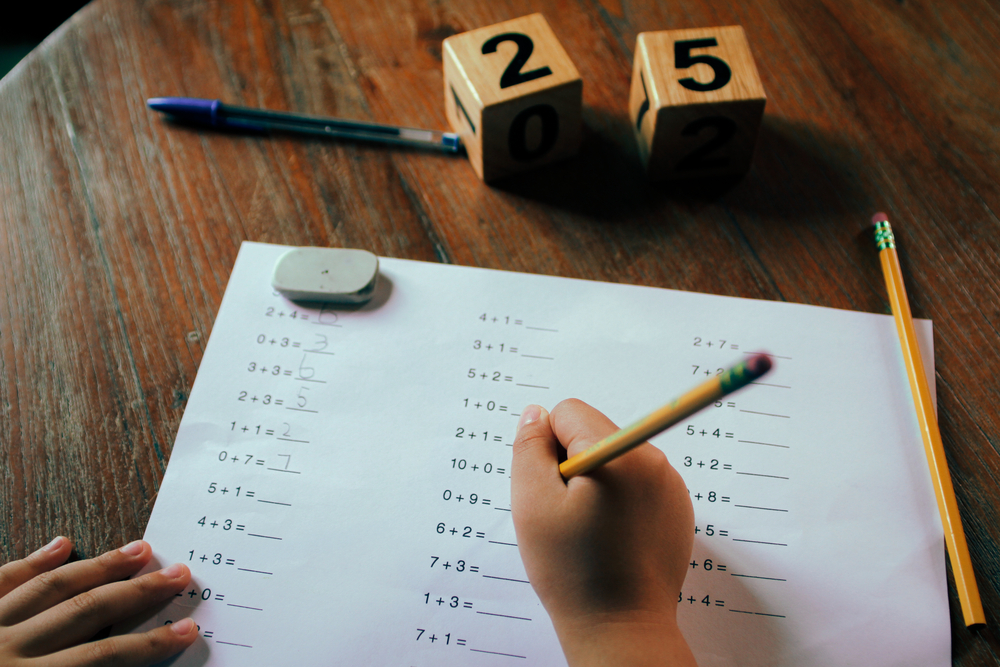

.jpg)
Counting practice and easy reading for ages 3-9 are fundamental activities that significantly shape children's cognitive development. At this formative stage, counting is not just about recognizing numbers, but also about developing essential life skills such as logical thinking and problem-solving. These activities foster numerical literacy, which is foundational for later mathematical learning. Additionally, engaging with numbers helps children understand the concepts of quantity, order, and cause-and-effect relationships, which are applicable beyond mathematics.
Similarly, easy reading introduces children to language, phonetics, vocabulary, and comprehension skills. These early reading experiences set the stage for future literacy. Books with simple text and familiar topics can ignite a child's interest in reading, build confidence, and develop an intrinsic motivation to learn more. Moreover, reading together strengthens the emotional bond between the child and adult, fostering a positive learning environment.
Counting practice intertwined with easy readers often incorporates pictures and stories that make learning engaging and enjoyable for young children. This integrated approach not only makes learning relatable and fun but also aids in the retention of concepts. By supporting these activities, parents and teachers can create a solid foundation for further academic achievements, ensuring children are not just prepared for school, but set to thrive in life.