Fine Motor Skills Easy Science Worksheets for Ages 3-9
4 filtered results
Difficulty Level
Grade
Age
-
From - To
Subject
Activity
Standards
Discover our engaging Fine Motor Skills Easy Science Worksheets, specially designed for children ages 3-9! These printable worksheets blend fun and learning, helping young learners develop essential fine motor skills while exploring basic scientific concepts. Each worksheet is filled with exciting activities, including tracing, coloring, and cutting tasks that promote hand-eye coordination and dexterity. Our resources are perfect for enhancing preschool and kindergarten education, ensuring that children build a solid foundation for future learning. Foster curiosity and creativity in your young scientists today with our easy-to-use worksheets that make science a fun adventure! Visit us now to start exploring!
Favorites
With answer key
Interactive
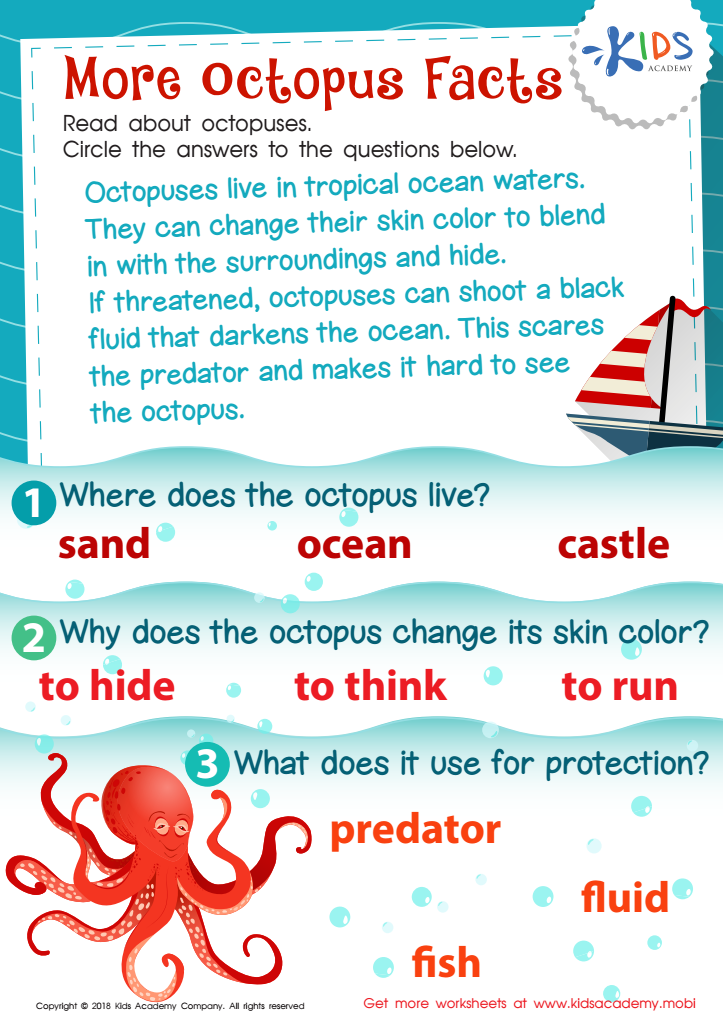
More Octopus Facts Worksheet
This worksheet will help your kids learn about the Octopus. Read the text carefully and have kids read with you. Now, ask them questions based on it and help them answer them by circling the right choices. Teaching your kids facts about animals will help them in the long run.
 Assign to My Students
More Octopus Facts Worksheet
Worksheet
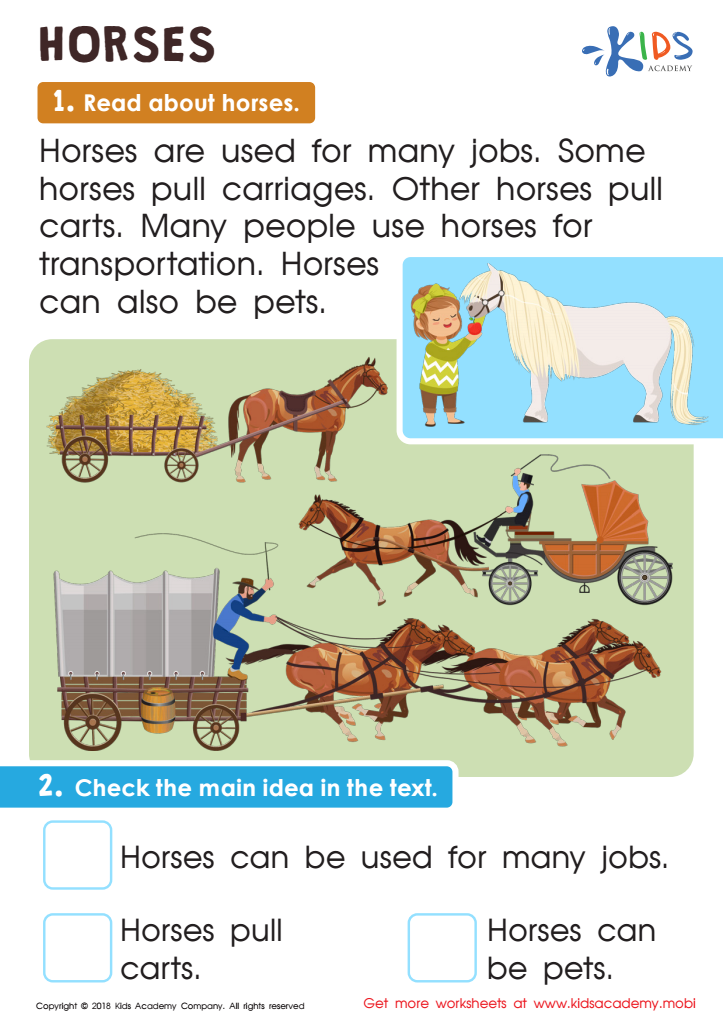
Horses Worksheet
Help your little reader differentiate between details and the main idea with this fun worksheet about horses. Kids will be excited to learn about the different roles horses play. To ensure they understand the overall concept, discuss it before having them choose the right statement at the end.
Horses Worksheet
Worksheet
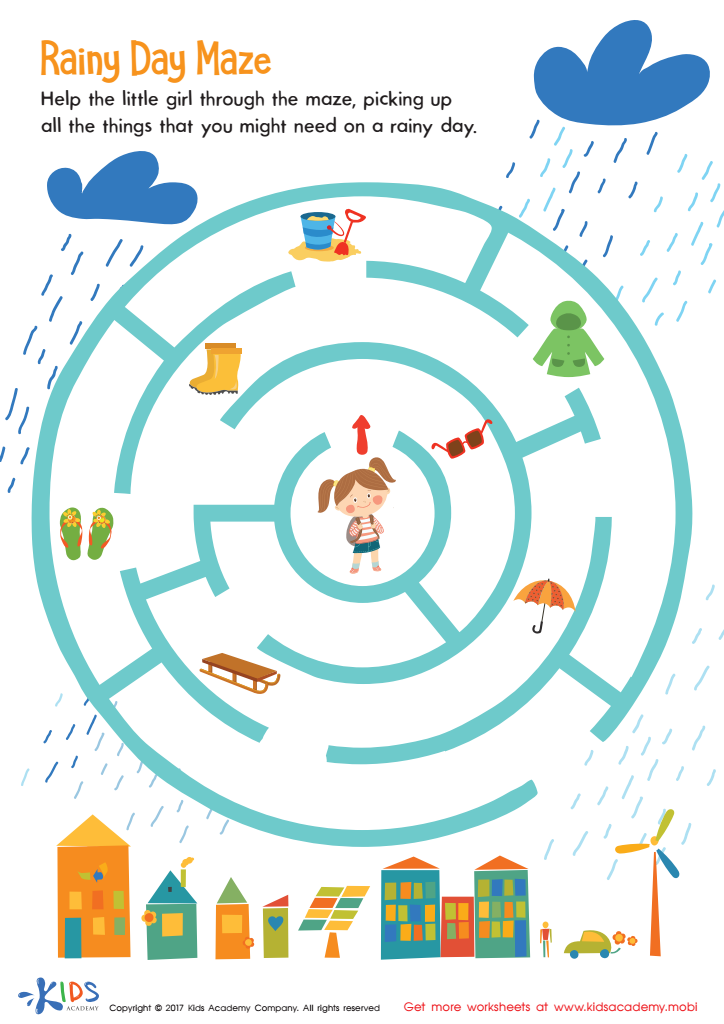
Rainy Day Maze Worksheet
Help your child use critical and problem solving skills to choose the right items! With this fun rainy day worksheet, they'll have a blast helping the character in the maze while learning about weather. Let’s get started!
Rainy Day Maze Worksheet
Worksheet
Join Kids Academy for Free
Who is primarily going to use this learning content?





.jpg)


Fine motor skills are essential for the growth and development of young children, making it important for parents and teachers to pay attention to activities that enhance these skills. Fine motor skills involve the use of small muscles in the hands and fingers, which are crucial for everyday tasks such as writing, buttoning clothes, and using utensils. For children aged 3-9, these skills also play a significant role in their cognitive and social development.
Engaging children in activities that promote fine motor skills—such as cutting with scissors, threading beads, or manipulating clay—supports their hand-eye coordination, concentration, and problem-solving abilities. These activities not only prepare children for academic tasks like writing and drawing but also encourage creativity and self-expression.
Moreover, strong fine motor skills boost a child's independence and self-esteem, making them confident learners. Teachers and parents should incorporate easy science experiments that involve precise movements—like building structures with blocks or conducting simple drawing tasks—to make learning interactive and fun. By emphasizing fine motor development, adults can help equip children with necessary foundational skills for future educational success, enhancing their overall academic journey and social interactions in these formative years.