Easy Social Studies Worksheets for Ages 3-9 - Page 2
36 filtered results
-
From - To
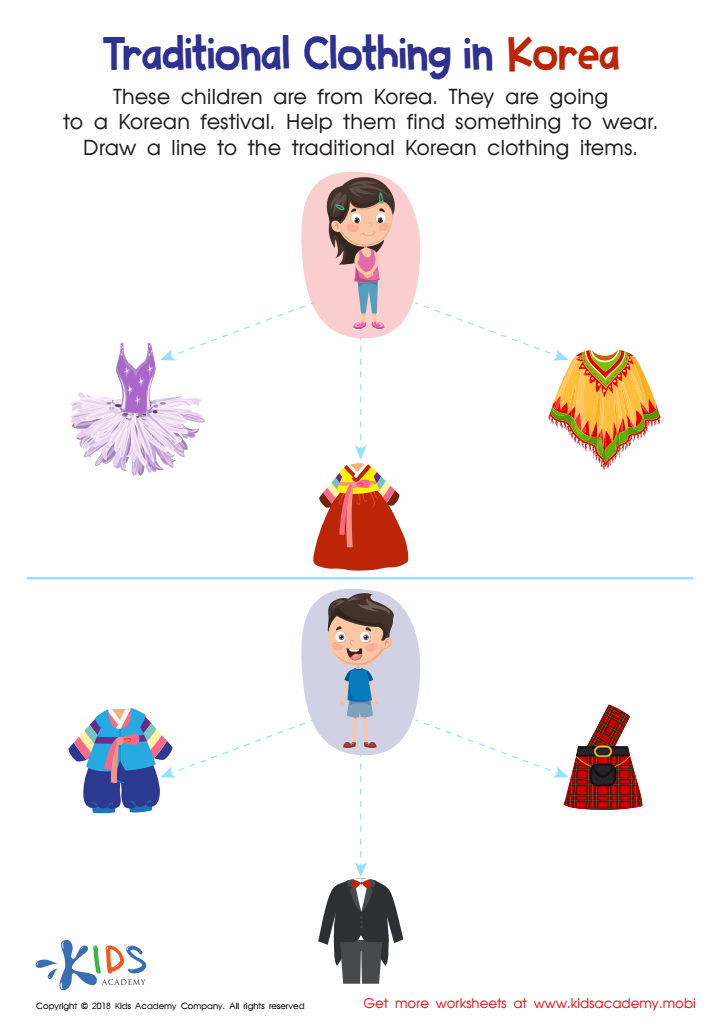
Traditional Clothing in Korea Worksheet
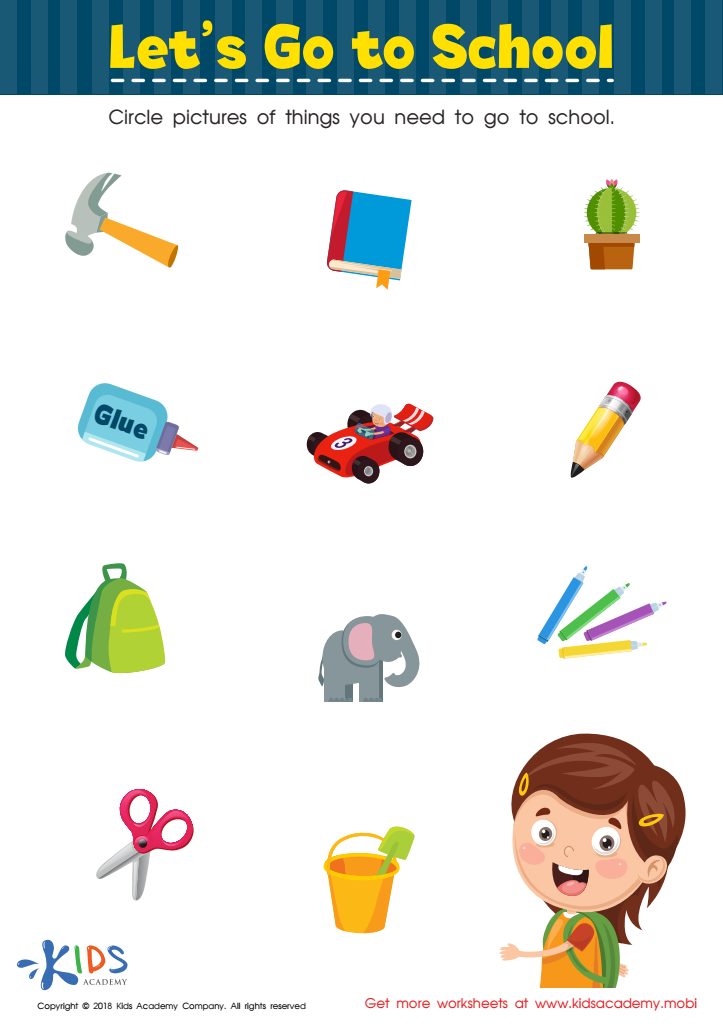
Let's Go to School! Worksheet
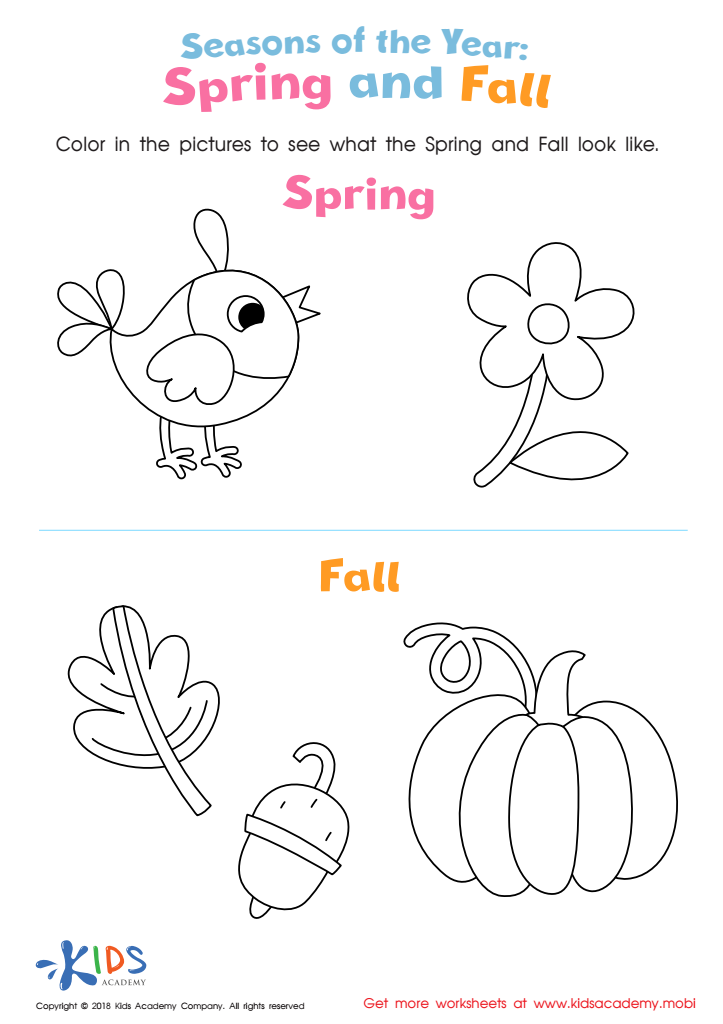
Spring and Fall Worksheet
 Assign to My Students
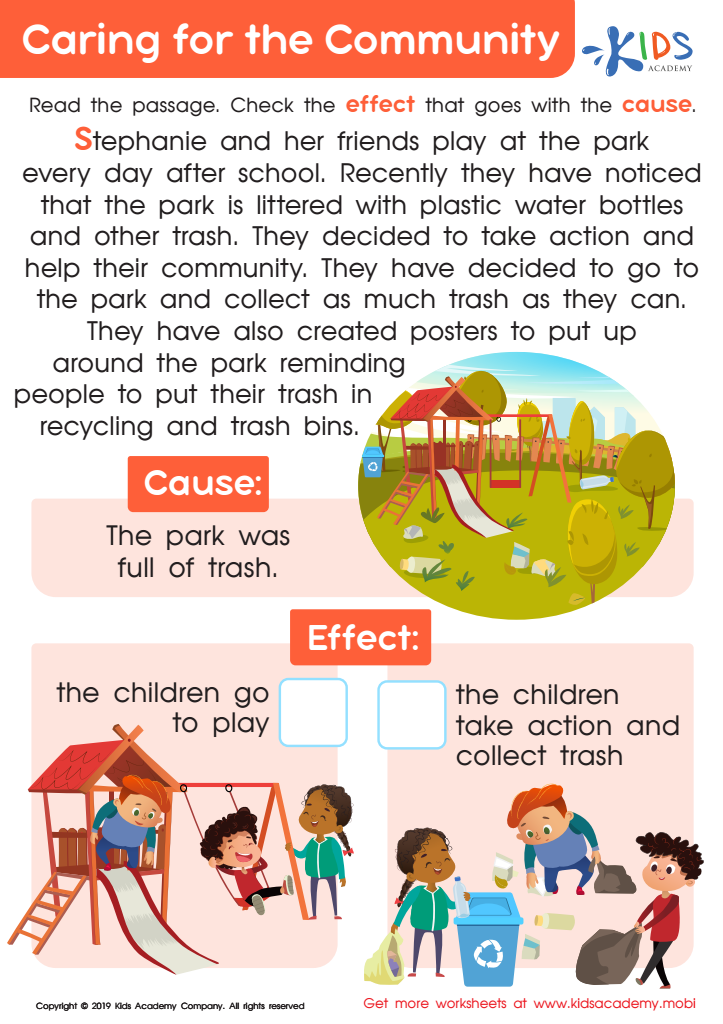
Caring for the Community Worksheet
Globe Coloring Page Worksheet
Assign to My Students
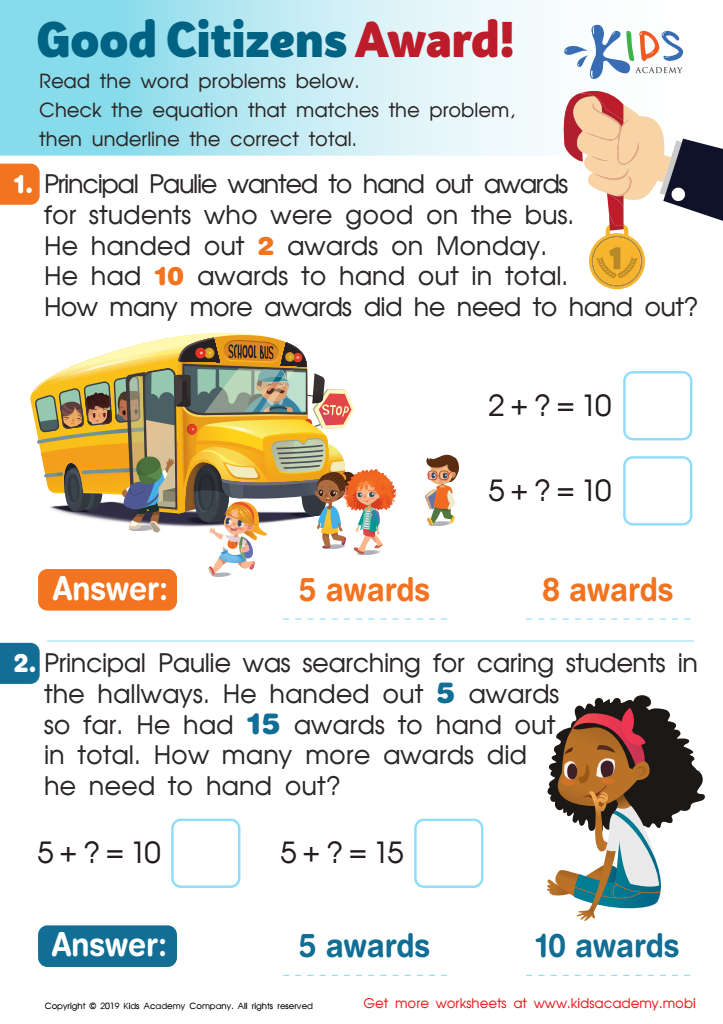
Good Citizens Award! Worksheet
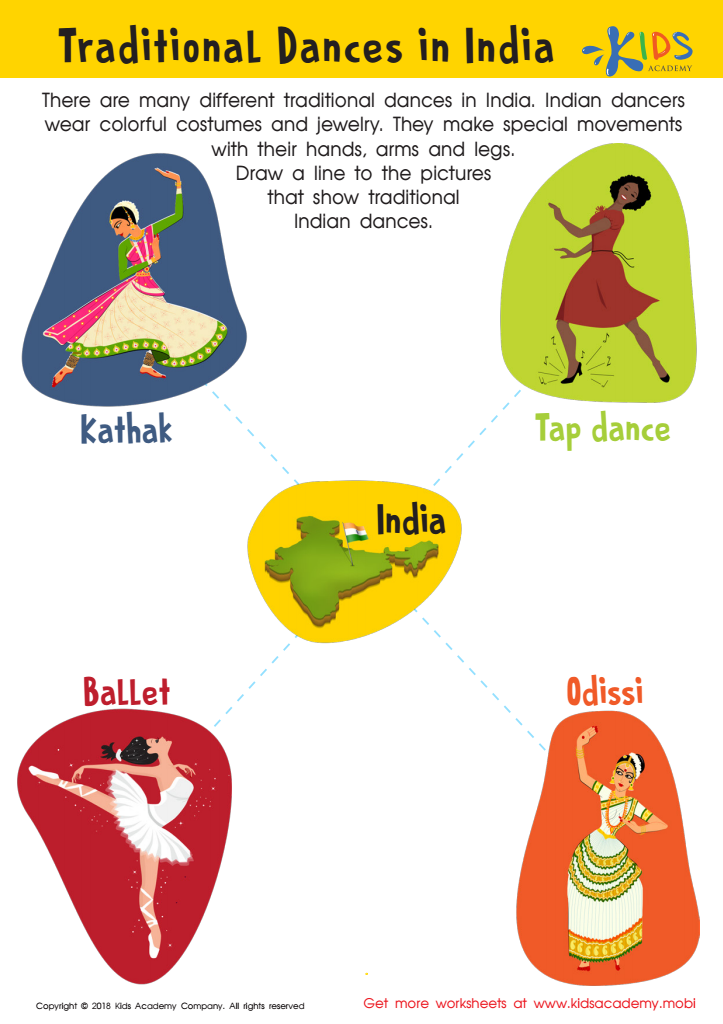
Traditional Dances in India Worksheet
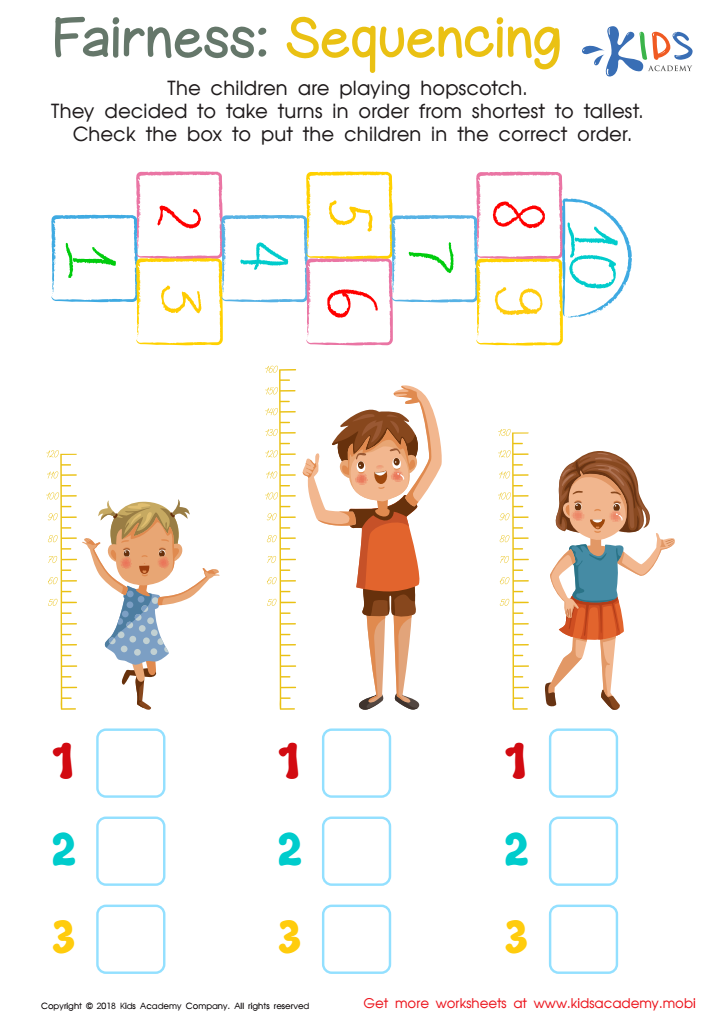
Fairness: Sequencing Worksheet
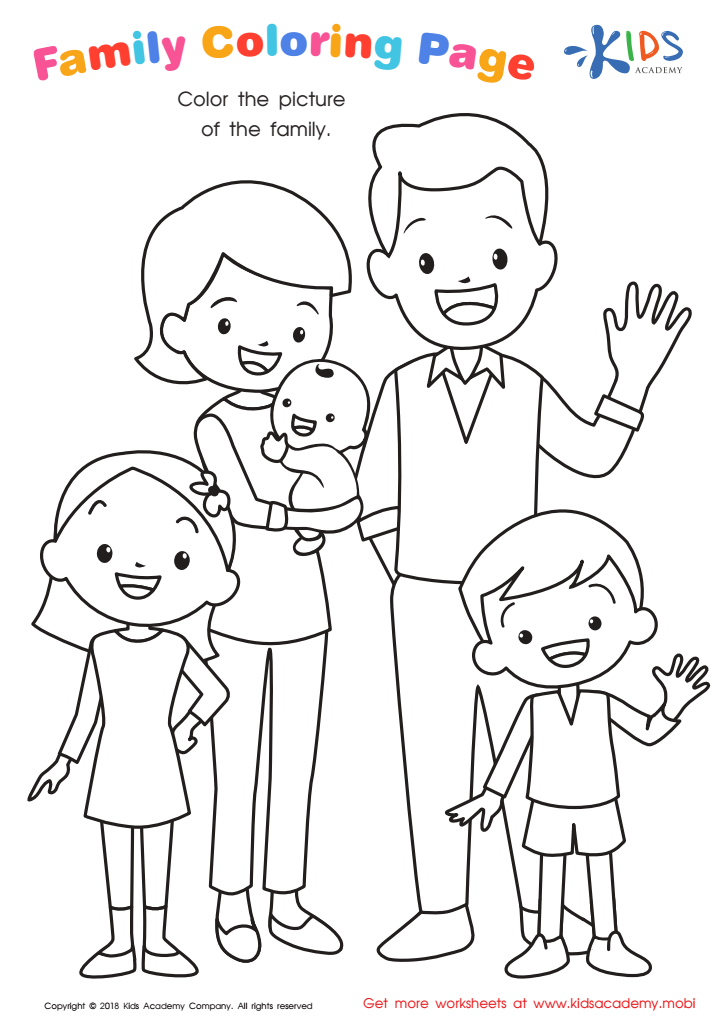
Family Coloring Page
Assign to My Students
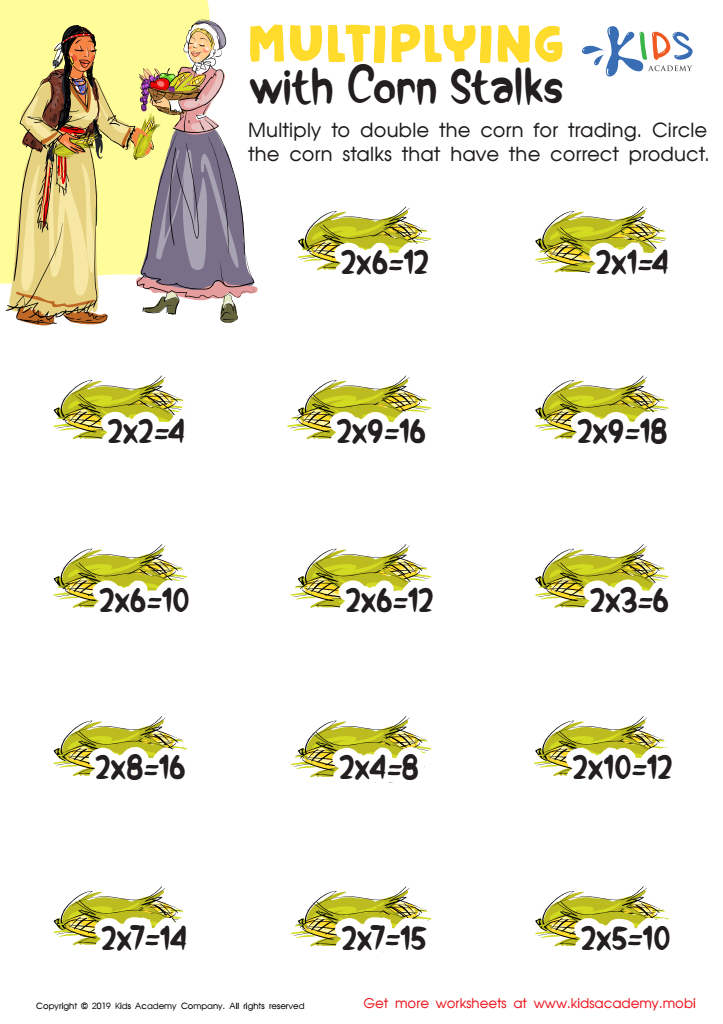
Multiplying With Corn Stalks Worksheet
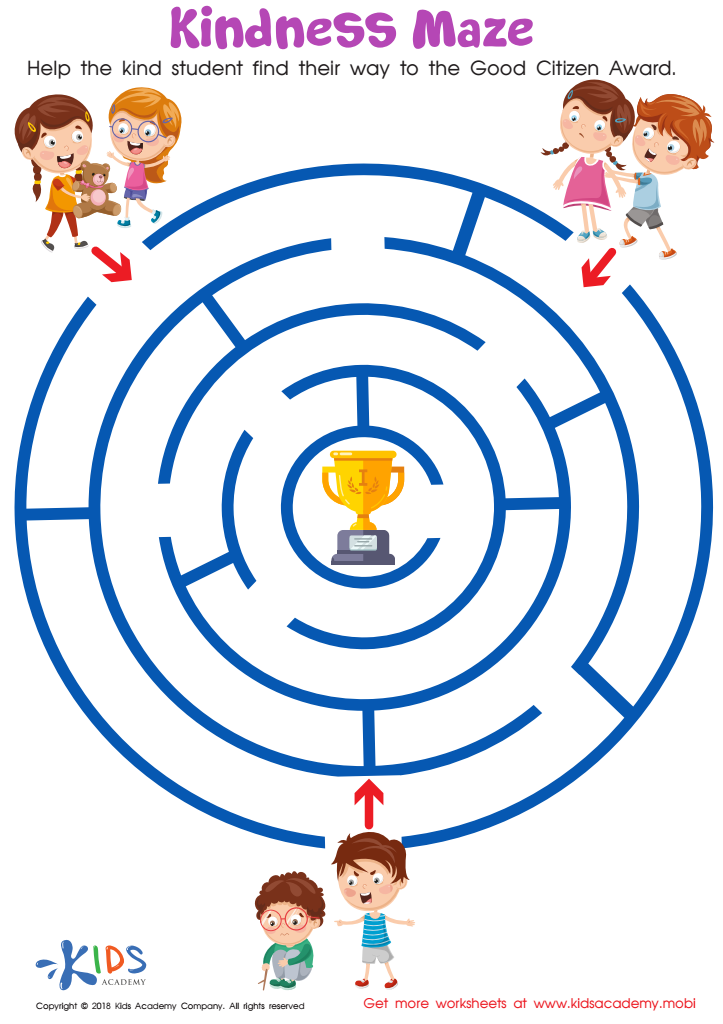
Kindness Maze Worksheet
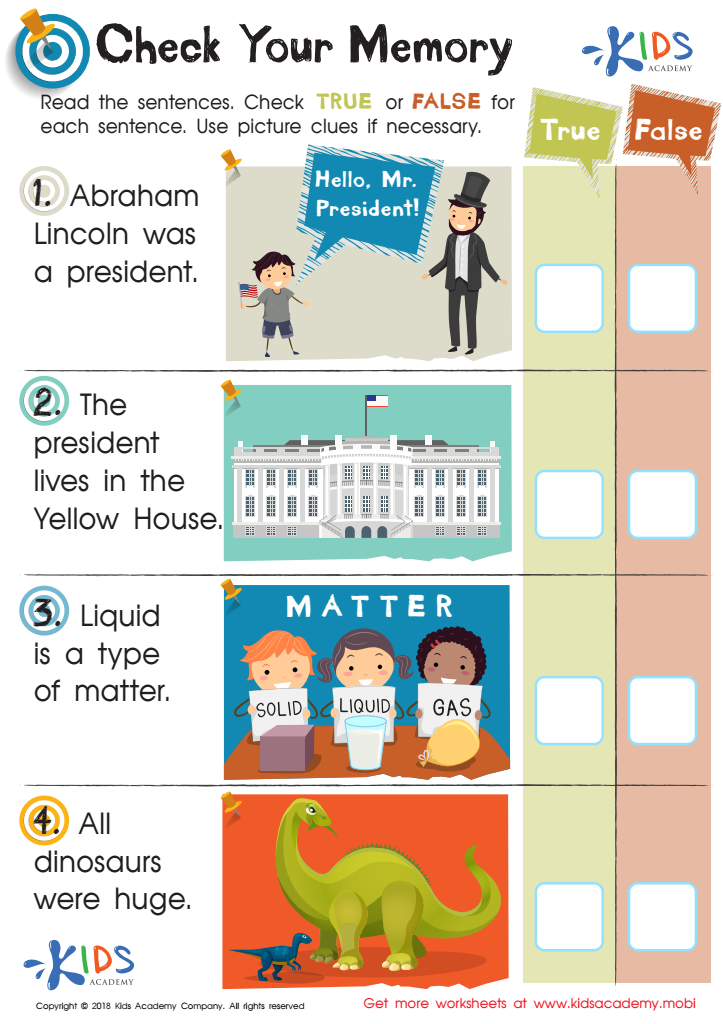
Check Memory Worksheet







Parents and teachers should prioritize Easy Social Studies for children aged 3-9, as this formative period is critical for cognitive, emotional, and social development. Introducing young learners to social studies lays a foundation for understanding the world they live in, fostering a sense of identity, community, and global awareness.
At these early ages, children are naturally curious and impressionable. Simple social studies concepts like family structures, community roles, cultural diversity, and basic geography can stimulate their curiosity about how society functions. These lessons help build early critical thinking skills and encourage empathy by teaching children to appreciate differences and recognize commonalities among people.
Additionally, social studies promote crucial life skills such as cooperation, problem-solving, and informed decision-making. Through interactive activities—like storytelling, role-playing, and simple map reading—children develop their communication abilities and learn to work collaboratively with their peers.
For teachers, integrating social studies into the curriculum ensures a well-rounded educational experience that transcends mere academic learning. For parents, reinforcing these lessons at home cultivates informed, responsible, and compassionate future citizens. Ultimately, engaging children in social studies from an early age helps create a foundation for lifelong learning and shapes them into thoughtful, proactive participants in their communities.