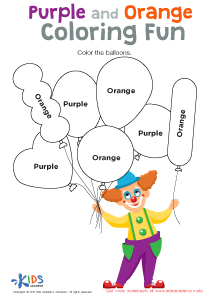
Alphabet Recognition Easy English for Beginners Worksheets for 3-Year-Olds
6 filtered results
-
From - To
Welcome to our "Alphabet Recognition Easy English for Beginners Worksheets for 3-Year-Olds"! These engaging and interactive worksheets are designed to introduce young learners to the English alphabet in a fun and accessible way. Each activity focuses on letter recognition through simple exercises that promote cognitive development. Ideal for both classroom and homeschool settings, our worksheets incorporate colorful illustrations and enjoyable tasks to keep your little ones motivated. As they explore and learn, children will build a solid foundation for reading and writing. Start your child's journey towards literacy today with our captivating alphabet recognition resources!
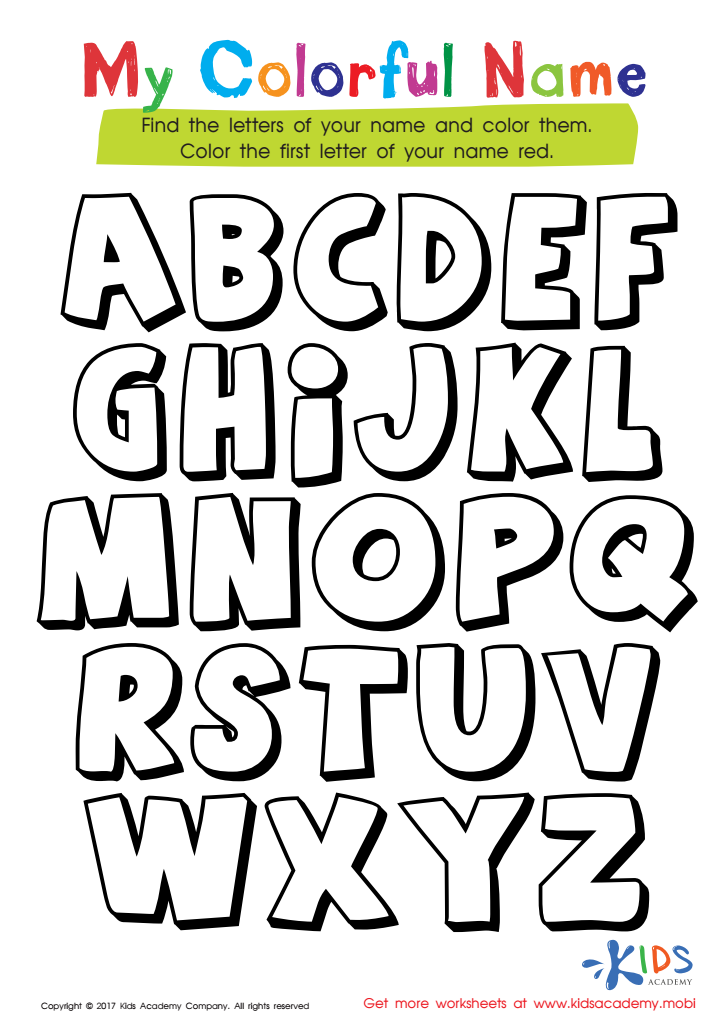
My Colorful Name Worksheet
 Assign to My Students
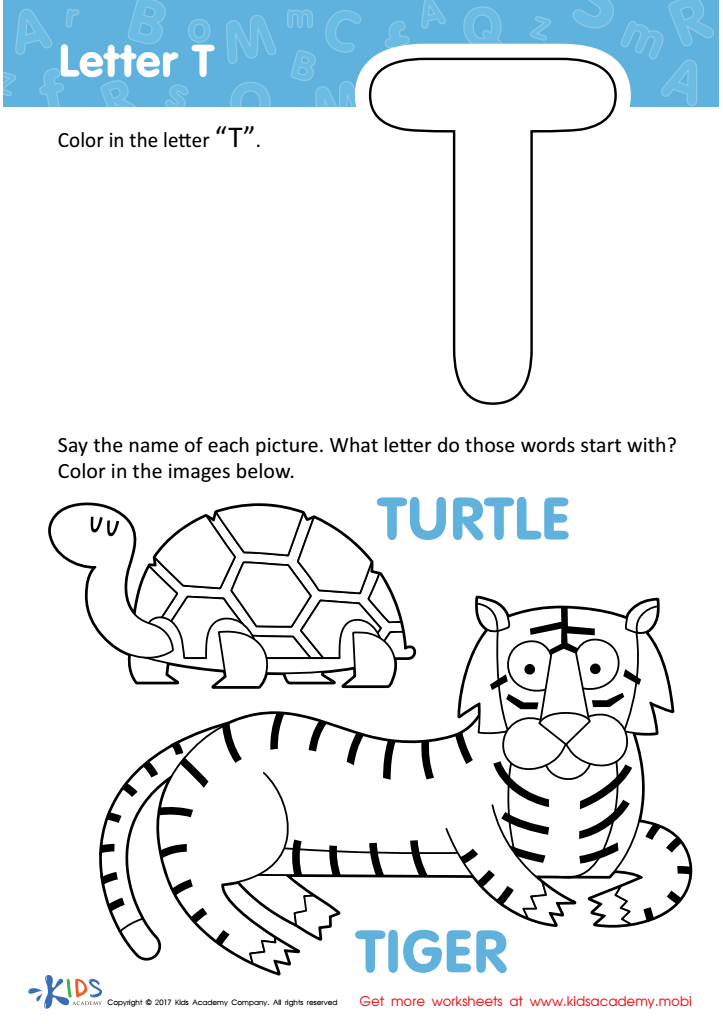
Letter T Coloring Sheet
Assign to My Students
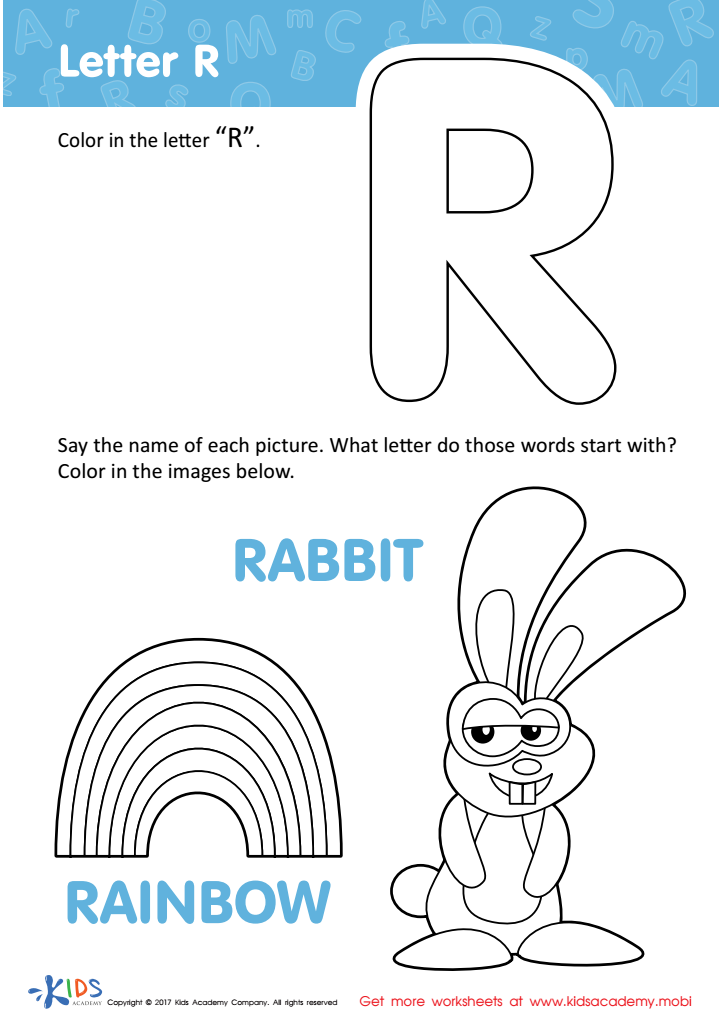
Letter R Coloring Sheet
Assign to My Students
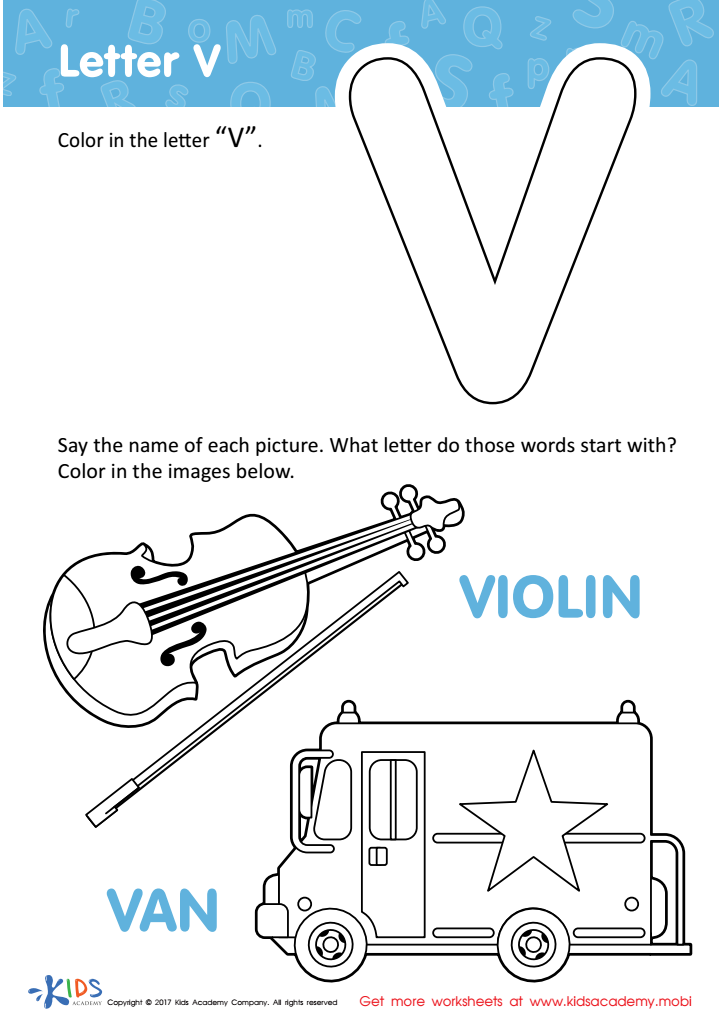
Letter V Coloring Sheet
Assign to My Students
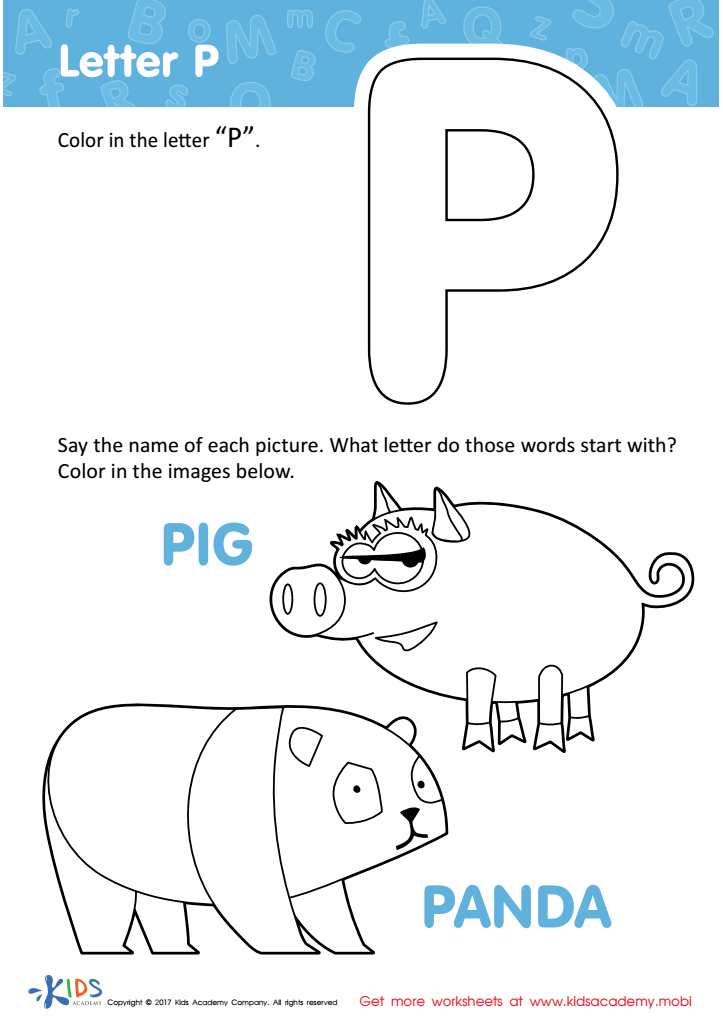
Letter P Coloring Sheet
Assign to My Students
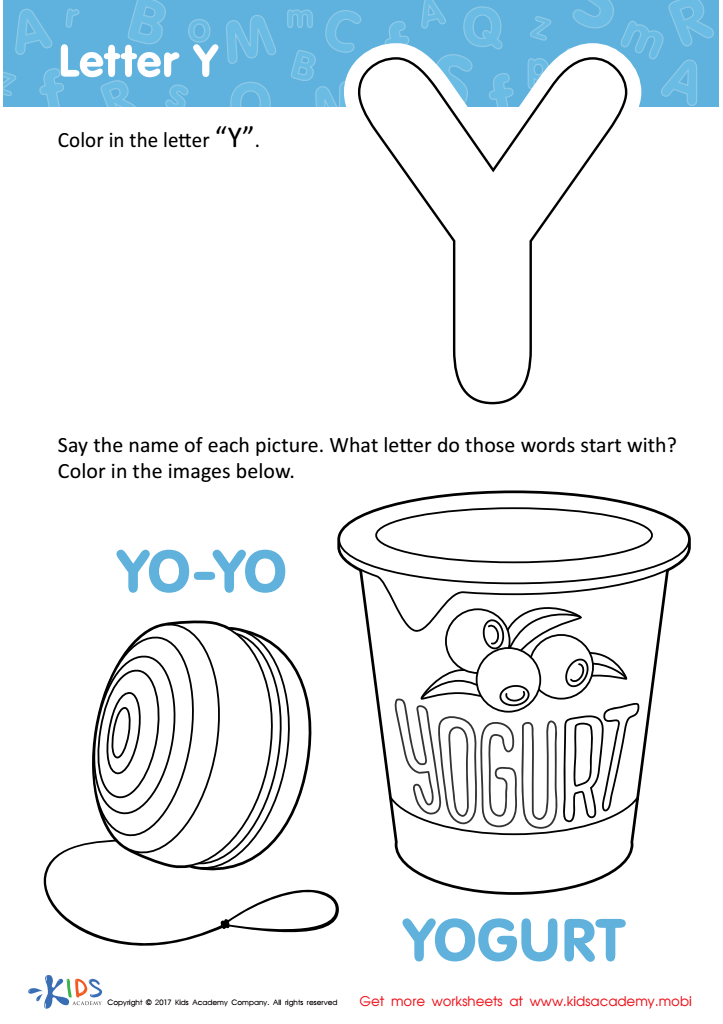
Letter Y Coloring Sheet
Assign to My Students




Alphabet recognition is a crucial foundational skill for young children, particularly for 3-year-olds. Parents and teachers should prioritize this early literacy skill because it serves as the building block for reading and writing. Recognizing letters helps children develop phonemic awareness, connecting sounds to letters, which is essential for decoding words.
Furthermore, early engagement with the alphabet can significantly boost a child's confidence and motivation towards learning. Every time a child recognizes a letter—whether in a book, on a sign, or in a game—they experience a sense of accomplishment. This positive reinforcement encourages further exploration of language and literacy.
Additionally, introducing alphabet recognition in a fun and engaging way—through songs, games, and interactive activities—helps foster a love for learning. It also aids in the development of critical cognitive skills, such as memory, visual processing, and concentration.
By focusing on alphabet recognition, educators and parents equip children with essential tools for academic success and lifelong learning. Investing time in these early lessons reaps long-term benefits, laying a strong foundation for future literacy development. Overall, supporting young learners in recognizing the alphabet is a vital step in their educational journey.