Number Recognition Easy Addition Worksheets for 3-Year-Olds
9 filtered results
-
From - To
Welcome to our "Number Recognition Easy Addition Worksheets for 3-Year-Olds" page! These engaging worksheets are designed to introduce young learners to the exciting world of numbers and basic addition in a fun and interactive way. Specifically crafted for children ages three and up, our materials promote early math skills while also enhancing number recognition. Through colorful illustrations and simple exercises, kids will enjoy counting, matching, and solving easy addition problems. These worksheets are a fantastic resource for parents and educators, fostering a love for math from an early age. Let’s build a strong foundation for future learning together!
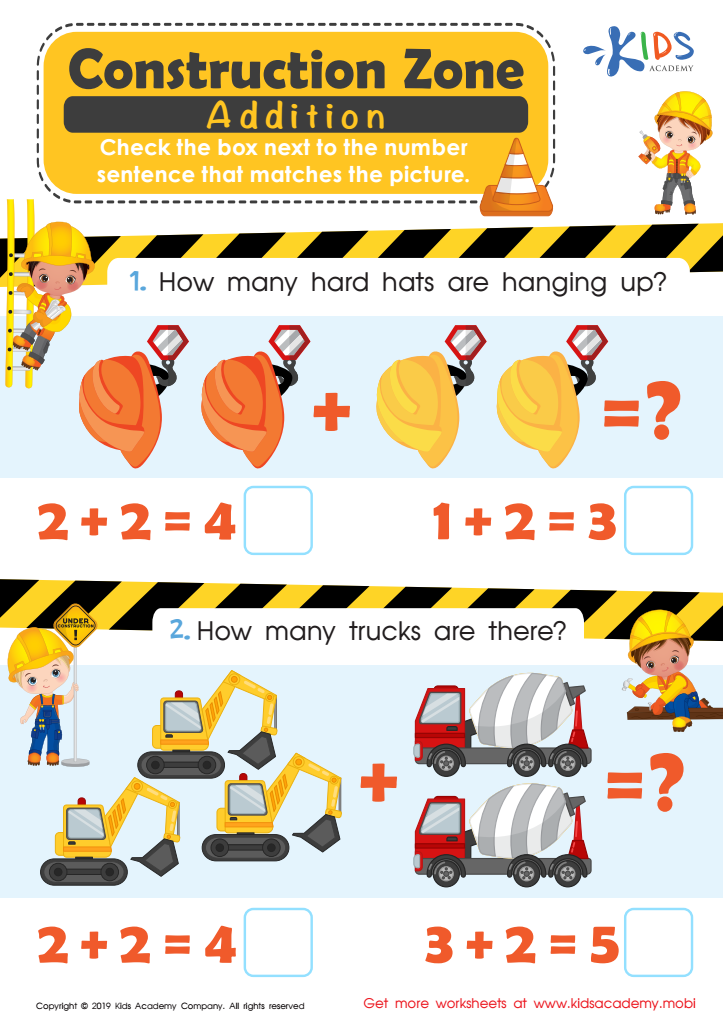
Construction Zone Addition Worksheet
 Assign to My Students
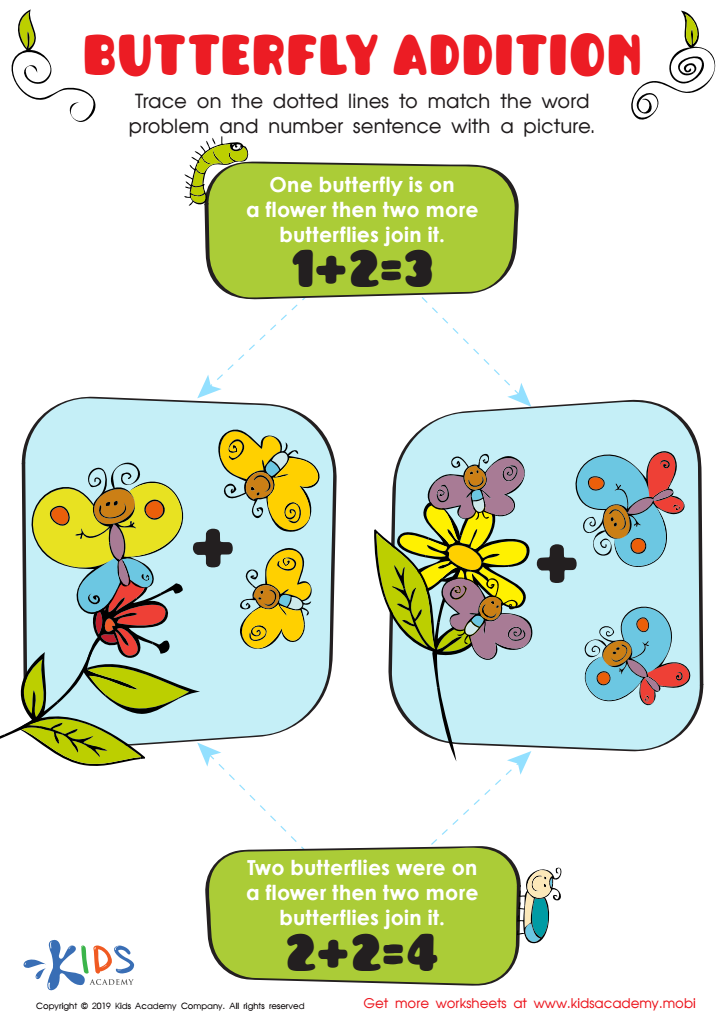
Butterfly Addition Worksheet
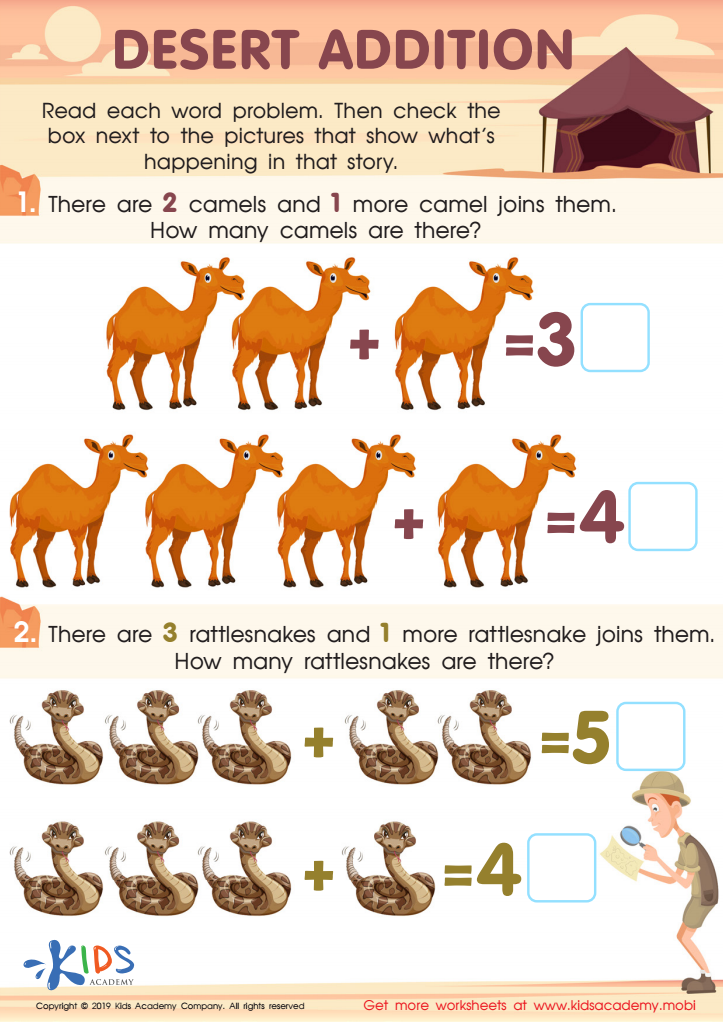
Desert Addition Worksheet
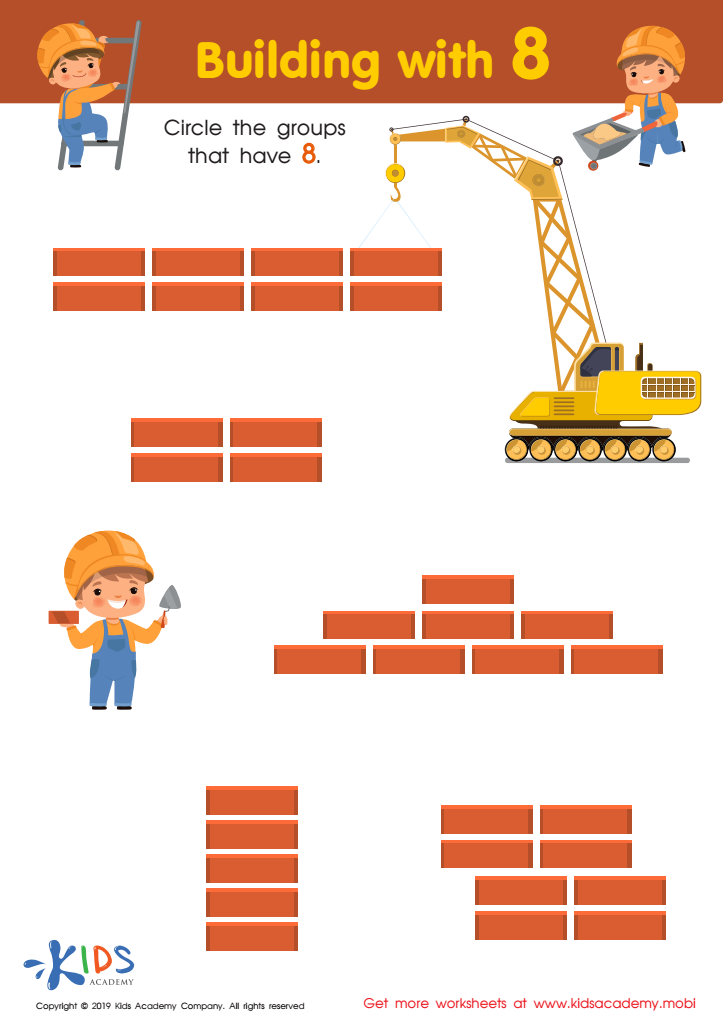
Building with 8 Worksheet
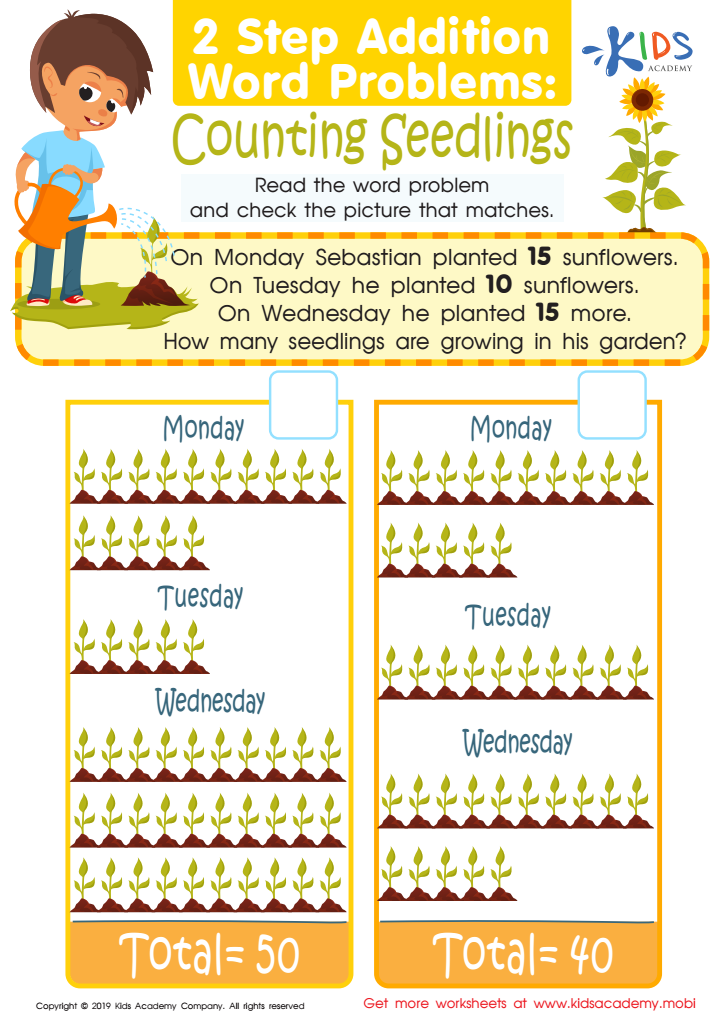
Counting Seedlings Worksheet
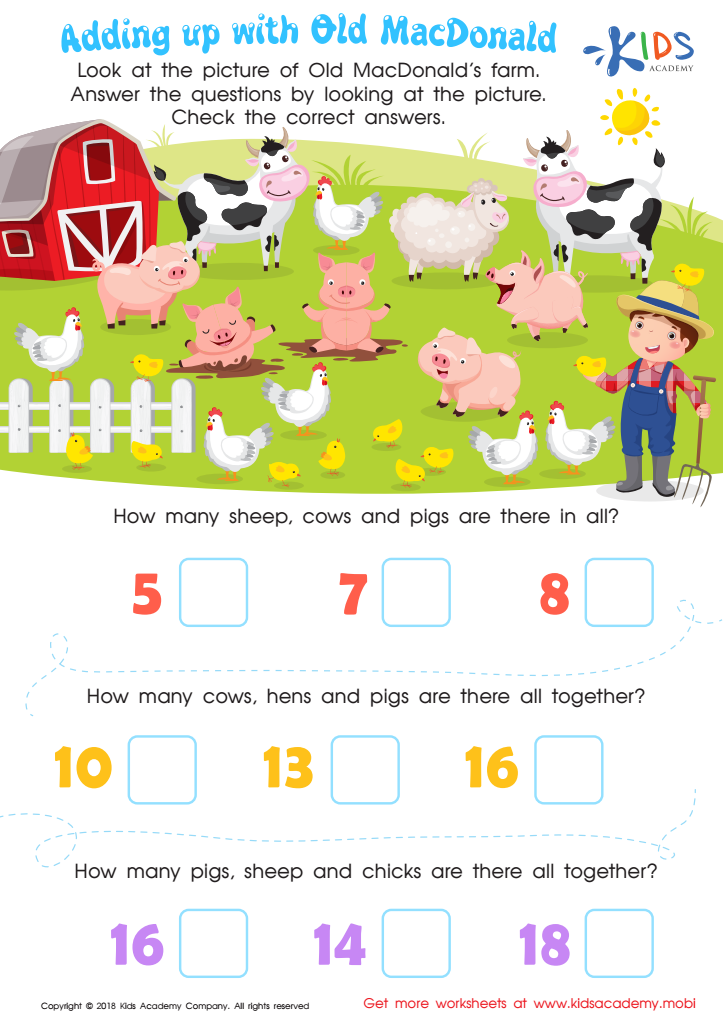
Adding Up with Old MacDonald Worksheet
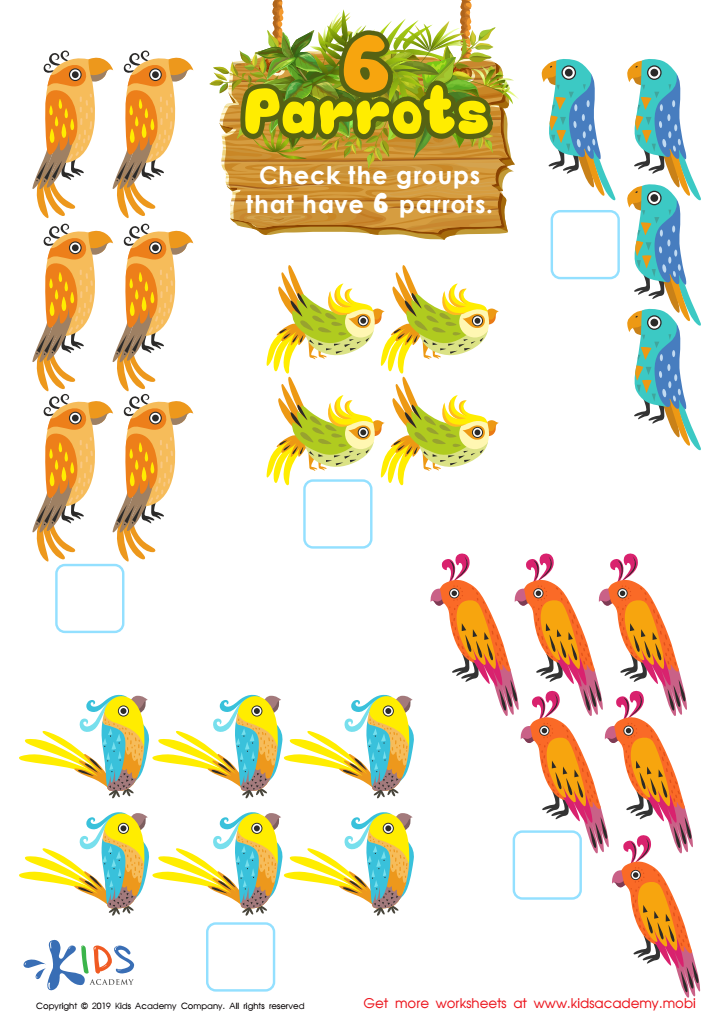
6 Parrots Worksheet
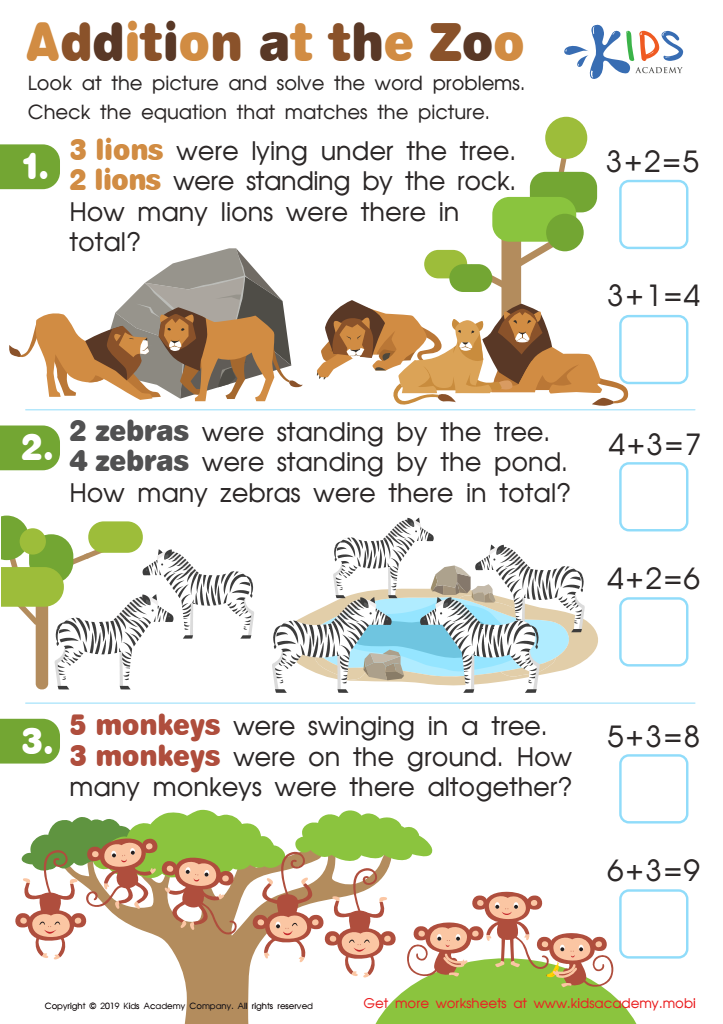
Addition at the Zoo Worksheet
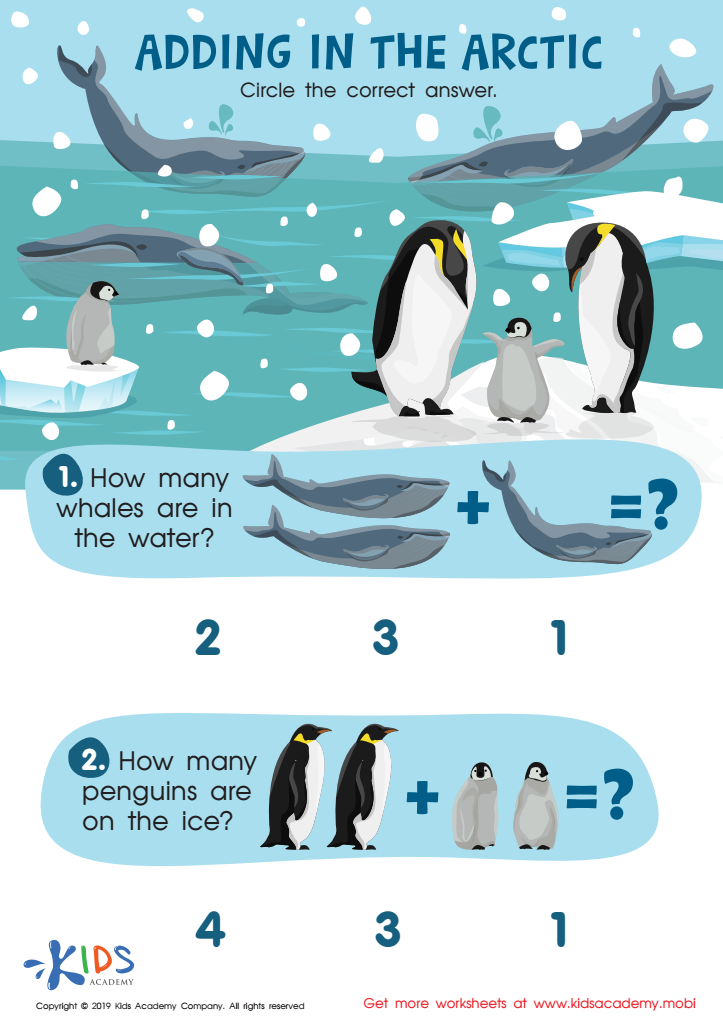
Adding in the Arctic Worksheet






.jpg)

Number recognition and easy addition are foundational skills that set the stage for a child's mathematical understanding. For parents and teachers, fostering these skills in 3-year-olds is crucial for several reasons.
First, early exposure to numbers helps children develop a sense of numerical literacy, which boosts their confidence and enthusiasm for learning math later on. Recognizing numbers allows children to make connections between quantity and symbol, a fundamental concept in mathematics.
Moreover, easy addition activities enhance cognitive skills like problem-solving and critical thinking. These basic math concepts can be integrated into playful, engaging activities—such as counting toys or adding snacks—which can make learning fun and interactive. This playful approach encourages a positive attitude toward math, shaping how children perceive the subject in their later educational journey.
Additionally, early number recognition and addition not only help children academically but also aid in their social development. As they play games that involve counting or comparing numbers with peers, they learn cooperation and sharing.
In summary, nurturing number recognition and easy addition skills in 3-year-olds is an important investment in their academic success, cognitive development, and social abilities, laying a strong foundation for their future learning.








