Addition skills Easy Math Worksheets for 3-Year-Olds
5 filtered results
-
From - To
Welcome to our "Addition Skills Easy Math Worksheets for 3-Year-Olds" page! Designed for early learners, these engaging worksheets introduce basic addition concepts in a fun and interactive way. Children will enjoy colorful illustrations and age-appropriate exercises that promote number recognition and simple counting skills. Our worksheets encourage hands-on learning with various activities, helping kids develop a solid foundation in math. Perfect for parents and educators, these printable resources make learning addition easy and enjoyable for little ones. Foster a love for math and support your child's educational journey with our thoughtfully crafted worksheets today! Explore and watch them thrive!
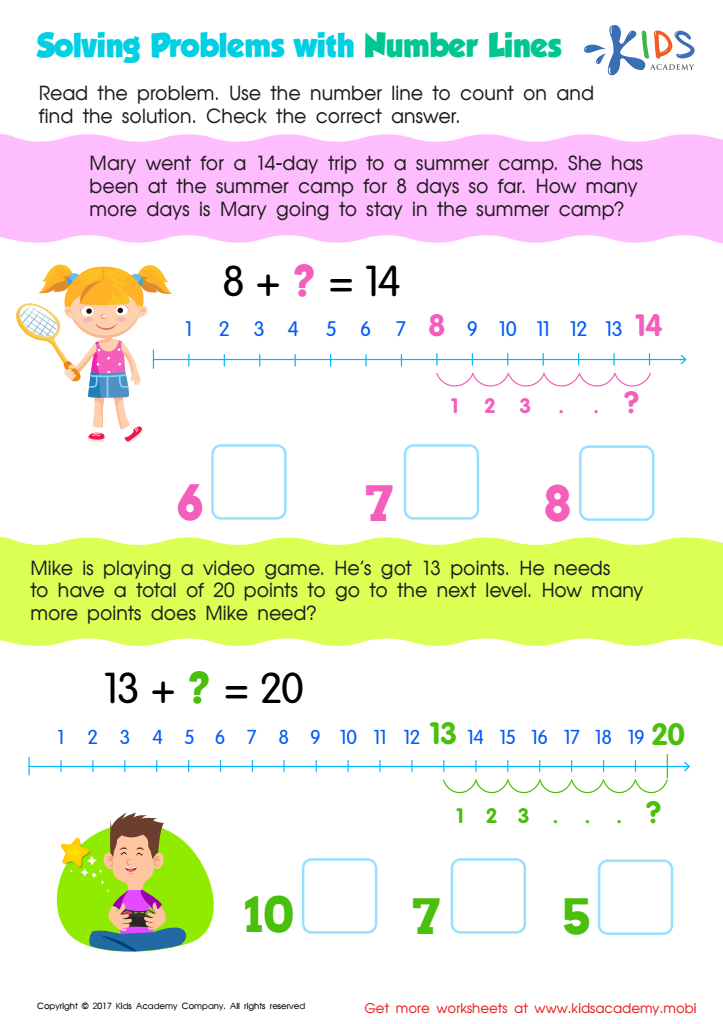
Solving Problems: Number Lines Worksheet
 Assign to My Students
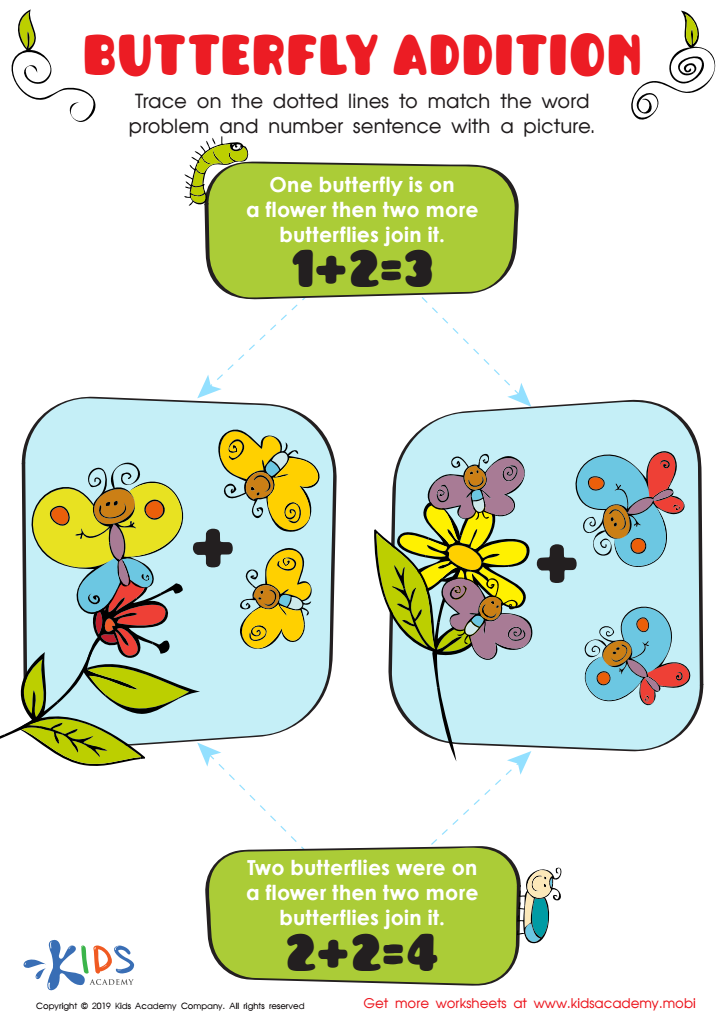
Butterfly Addition Worksheet
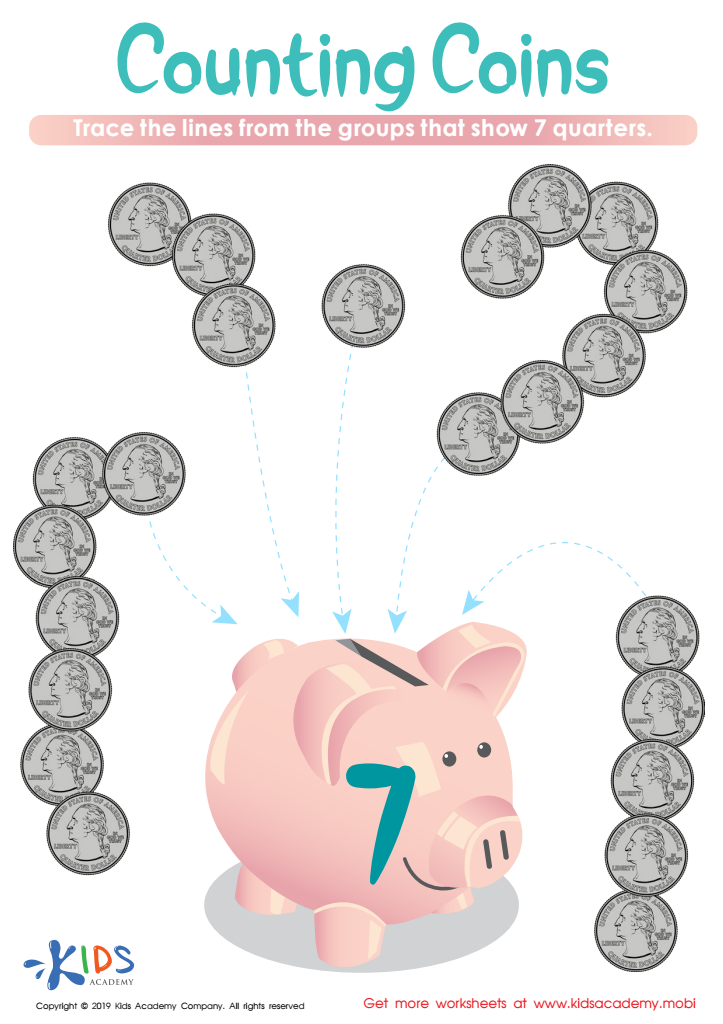
Counting Coins Worksheet
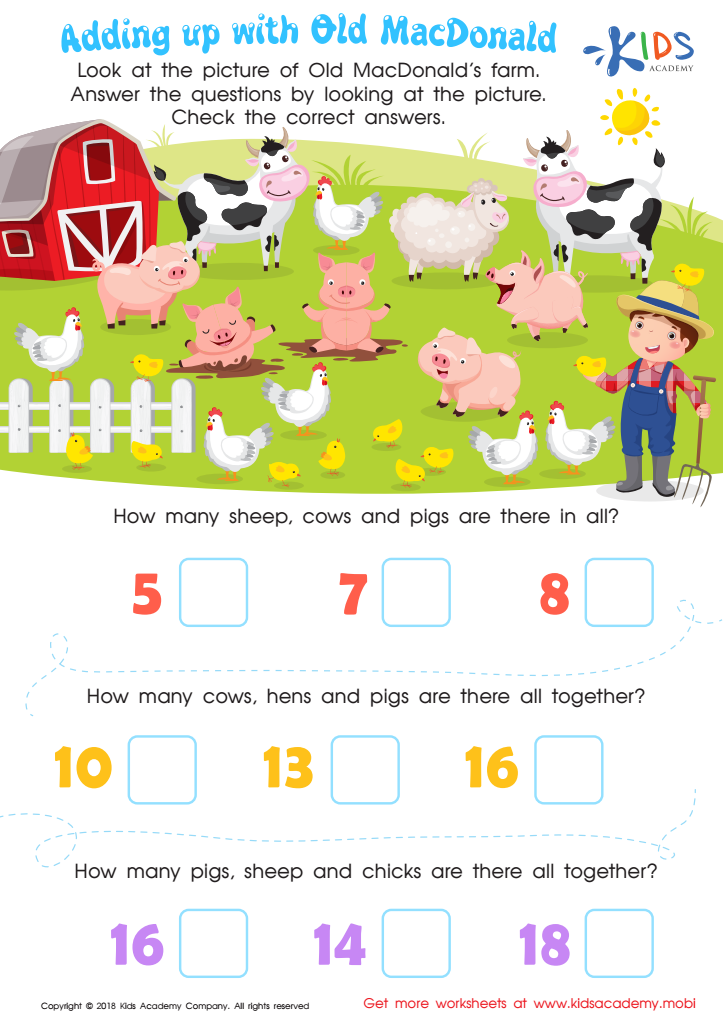
Adding Up with Old MacDonald Worksheet
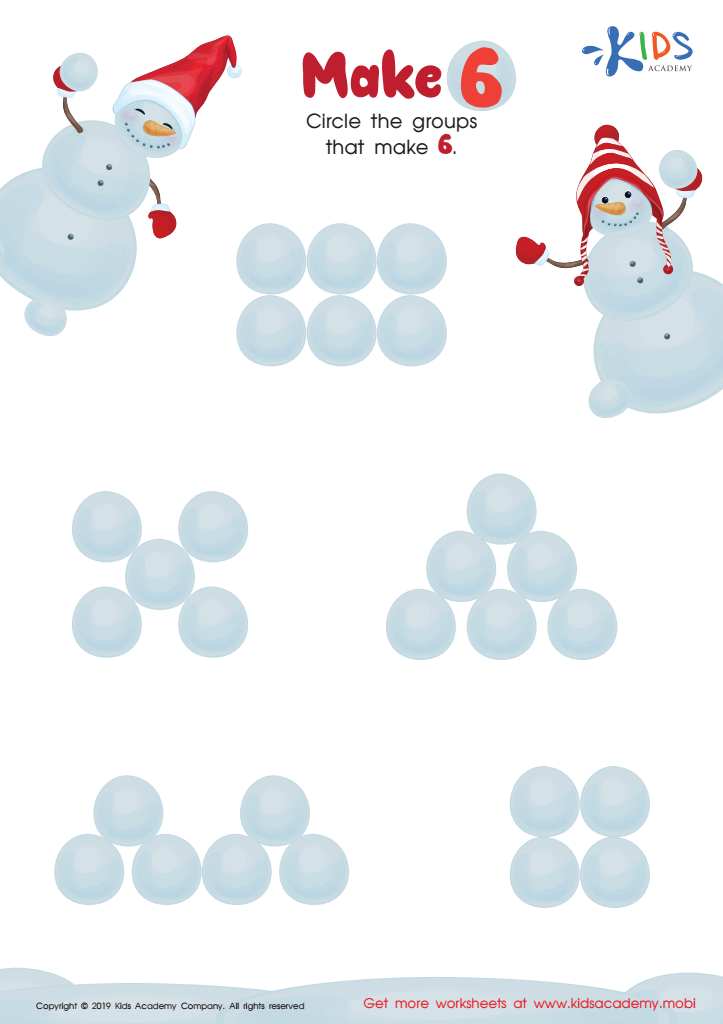
Make 6 Worksheet







Parents and teachers should pay close attention to addition skills for 3-year-olds because these foundational math abilities set the tone for future learning. Early exposure to math concepts fosters cognitive development, promotes problem-solving skills, and enhances critical thinking. Engaging young children with basic addition, even through playful activities, makes learning enjoyable and helps them develop a positive attitude toward math, countering any misconceptions of math as difficult later on.
Moreover, mastering simple addition allows children to make sense of their environment through number recognition and counting, reinforcing important social and emotional skills while they interact with others. It can also aid in their understanding of everyday situations, like sharing apples or toys, thereby bridging the gap between academic knowledge and real-life application.
Additionally, early math skills have been closely linked to long-term academic success. Children with a strong mathematical foundation are more likely to excel as they progress in their education. Encouraging addition skills in a fun, engaging manner identifies and nurtures a child’s innate curiosity, opening doors to a world of learning. As early educators and caregivers, nurturing these skills is crucial to equip young learners with tools for lifelong learning and confidence in their abilities.








