Spelling practice Easy Reading Worksheets for 3-Year-Olds
5 filtered results
-
From - To
Develop essential early literacy skills with our Spelling Practice Easy Reading Worksheets for 3-Year-Olds. These fun and engaging worksheets are designed to introduce young children to basic spelling and word recognition through playful and colorful activities. Using a variety of themes and illustrations, our worksheets make learning enjoyable and effective. Perfect for parents and teachers, they support phonics, letter identification, and early word formation. Help your child build a strong foundation in reading with these age-appropriate, easy-to-use practice sheets tailored specifically for 3-year-olds. Start their educational journey with confidence and excitement today!
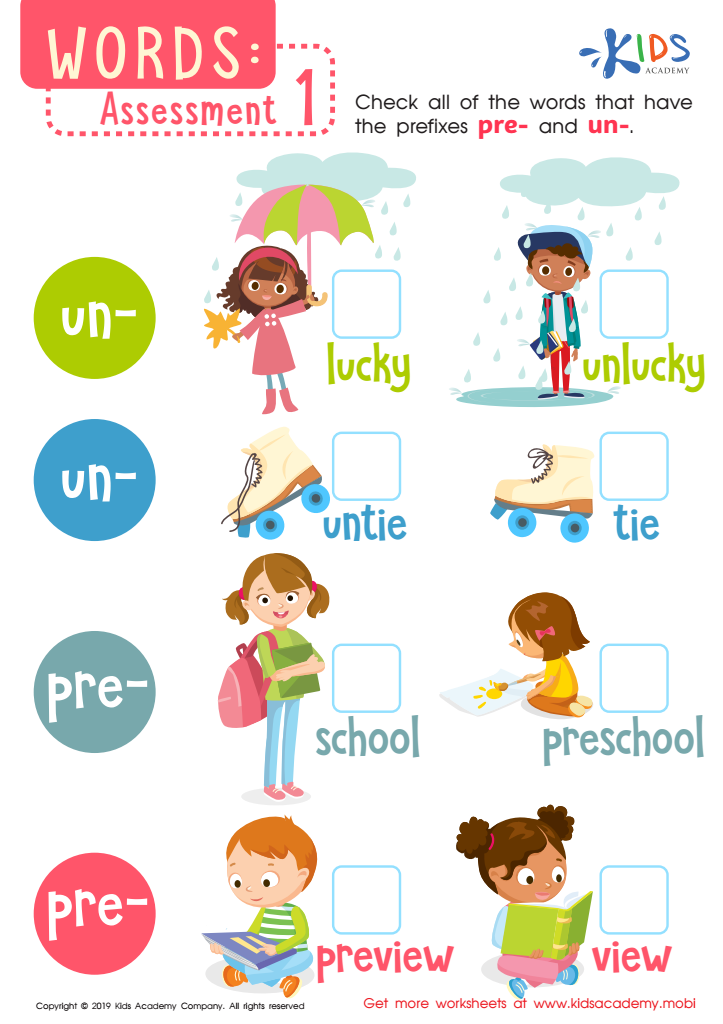
Words: Assessment 1 Worksheet
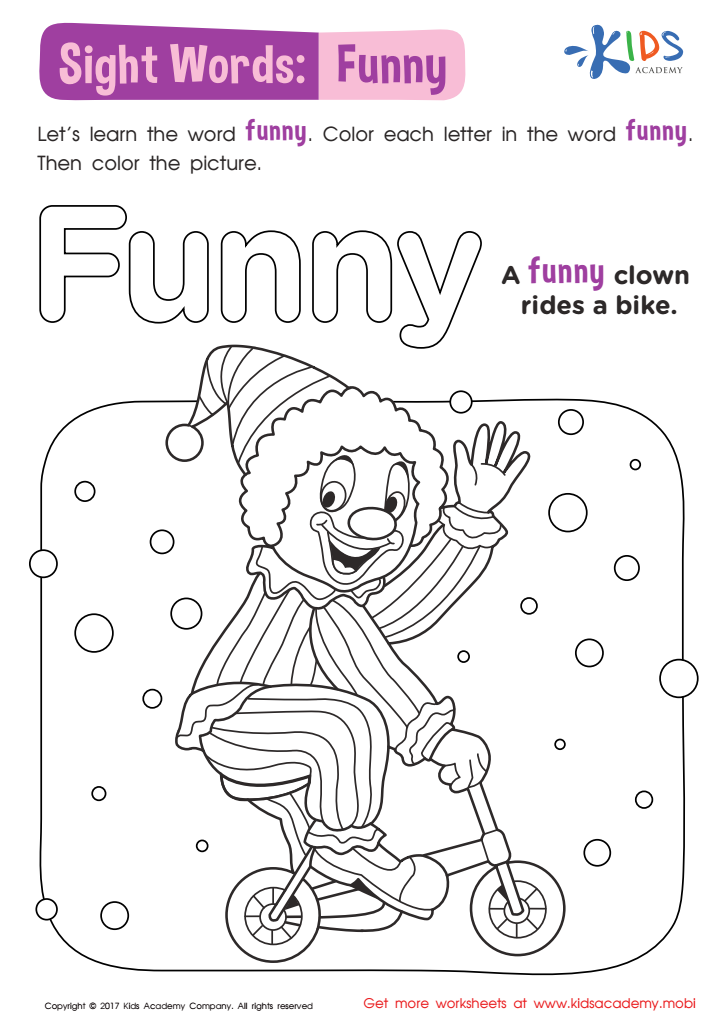
Funny Worksheet Sight Words Worksheet
 Assign to My Students
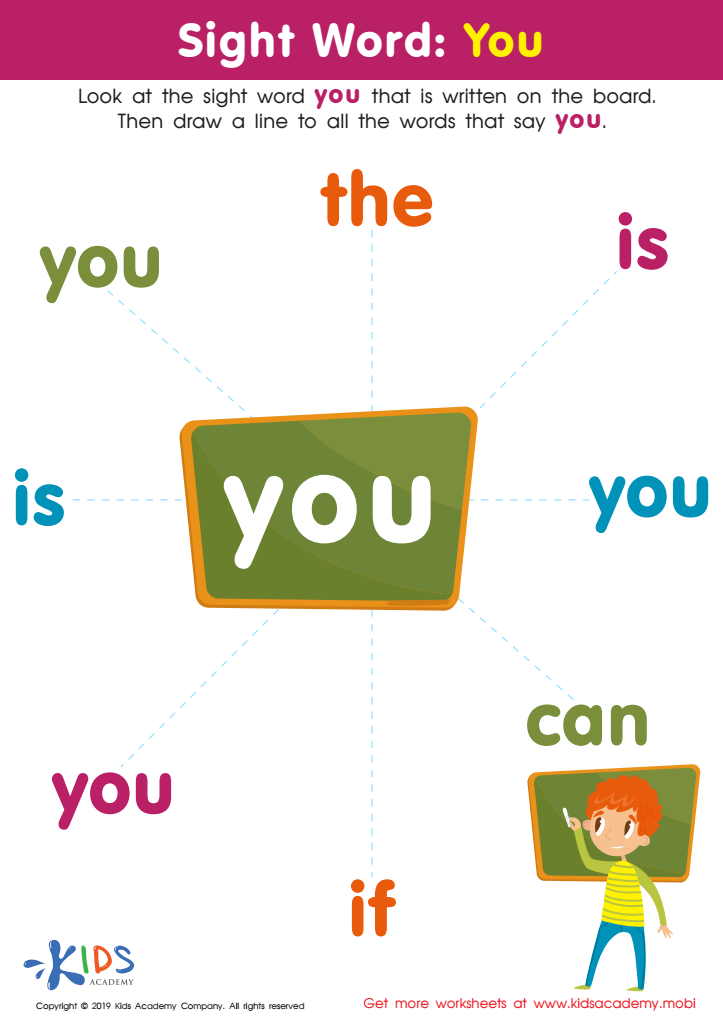
Sight Word You Worksheet
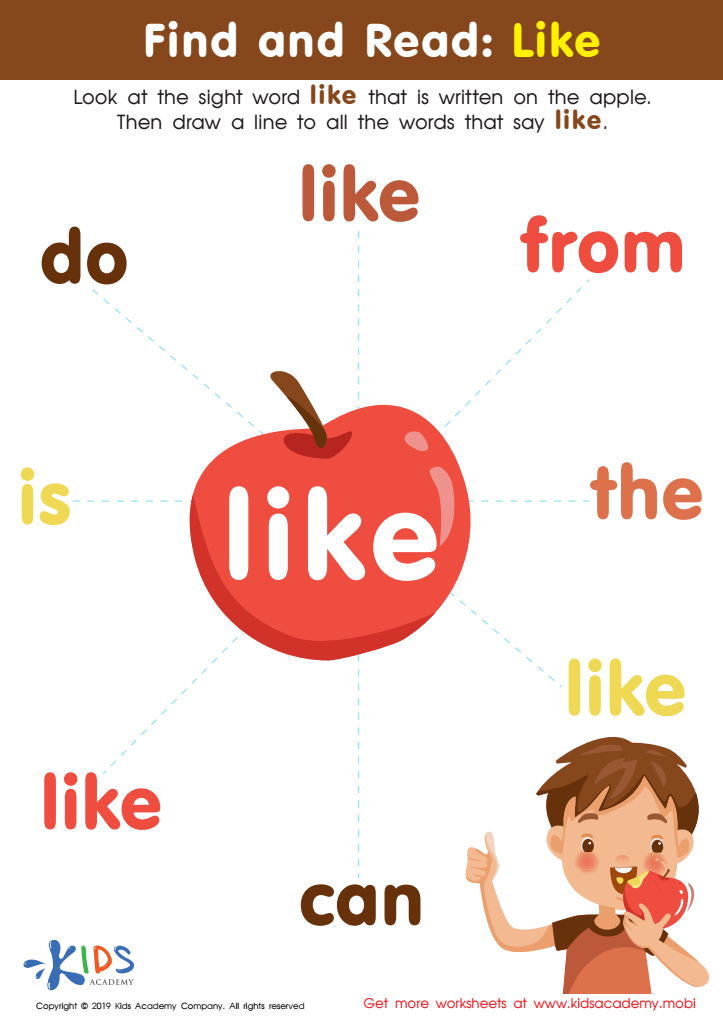
Find and Read: Like Worksheet
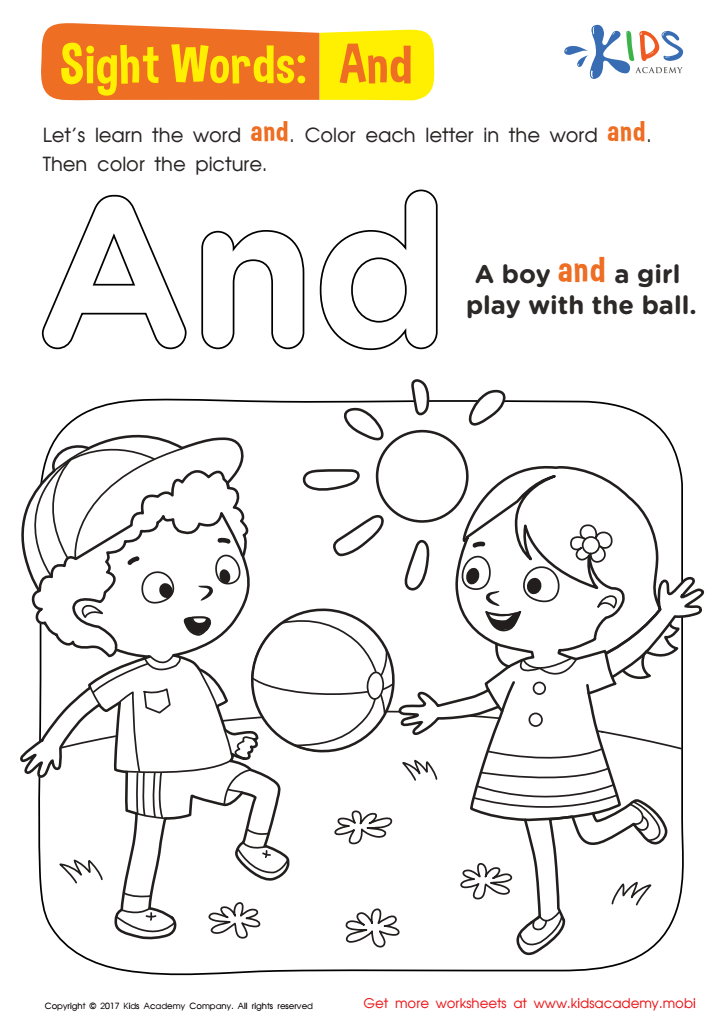
And Worksheet Sight Words Worksheet
Assign to My Students







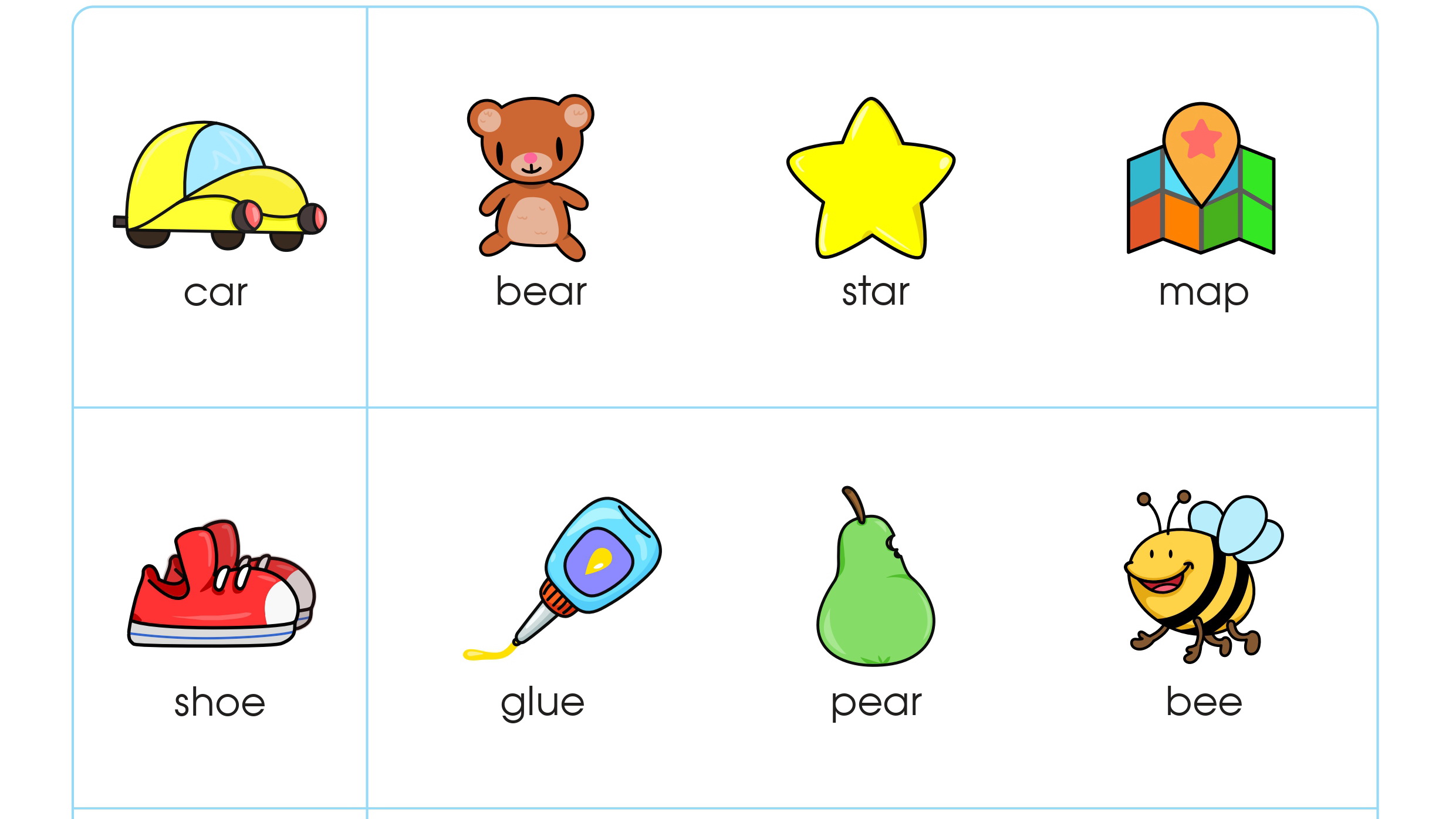
Parents and teachers should prioritize spelling practice and easy reading for 3-year-olds because early literacy skills are foundational for a child’s academic success and lifelong learning. At this tender age, children’s brains are highly receptive and can absorb information at an accelerated rate. Engaging in spelling and reading activities enhances children’s phonemic awareness, helping them recognize sounds and letters, which is essential for decoding words when they start formal education.
Moreover, early exposure to language fosters vocabulary development, improves memory, and strengthens cognitive abilities. By practicing spelling and reading simple words, children not only learn to identify letters and their corresponding sounds but also begin to understand language structure, which is crucial for writing skills later on.
Importantly, fun and interactive reading and spelling activities can instill a love for books and learning at a young age, setting a positive tone for their educational journey. Such practices boost a child’s confidence and self-esteem as they master new words and concepts. For teachers, structured yet enjoyable lessons make the classroom environment more engaging. For parents, these activities reinforce a loving, supportive relationship and establish a routine that bonds the family while promoting educational growth. Together, these foundational skills support smoother transitions to kindergarten and beyond, ensuring children are better prepared for future academic demands.