Critical Thinking Easy Reading Comprehension Worksheets for 3-Year-Olds
4 filtered results
-
From - To
Boost your 3-year-old's cognitive development with our engaging Critical Thinking Easy Reading Comprehension Worksheets! Tailored specifically for young learners, these worksheets combine age-appropriate reading passages with fun and thought-provoking questions, designed to ignite curiosity and enhance understanding. Each exercise encourages children to think deeply about what they've read, fostering critical thinking from an early age. Perfect for at-home learning or preschool settings, our worksheets make reading comprehension an enjoyable adventure. Equip your child with essential skills for future academic success while they explore the joy of reading. Start their journey to becoming confident critical thinkers today!
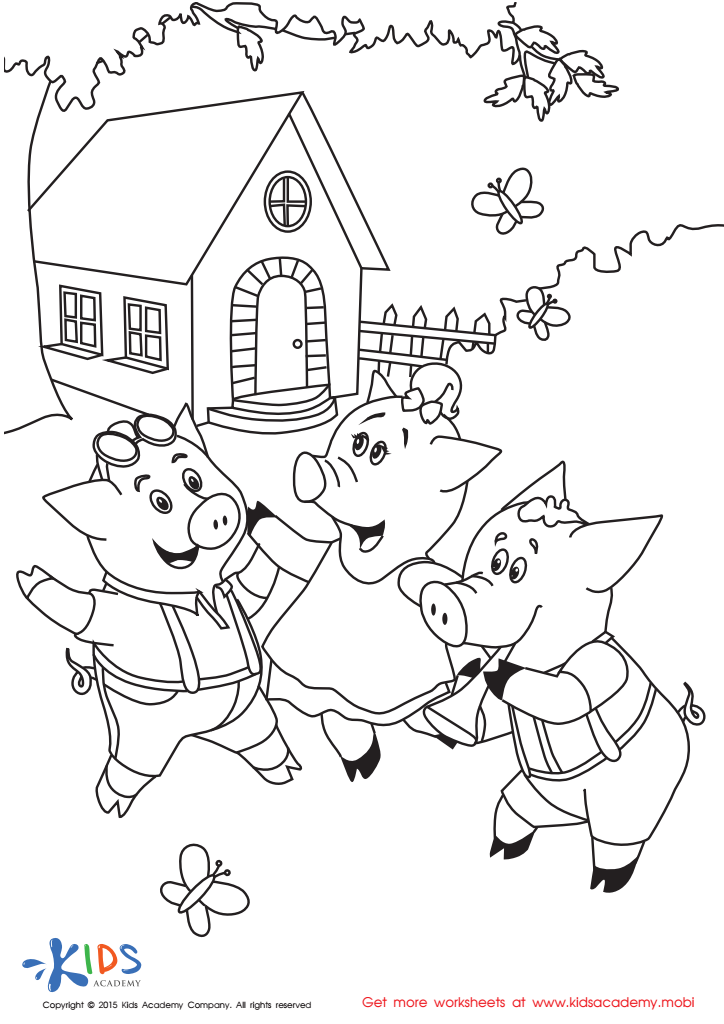
Folktales Printable PDF Worksheet: The 3 Little Pigs
 Assign to My Students
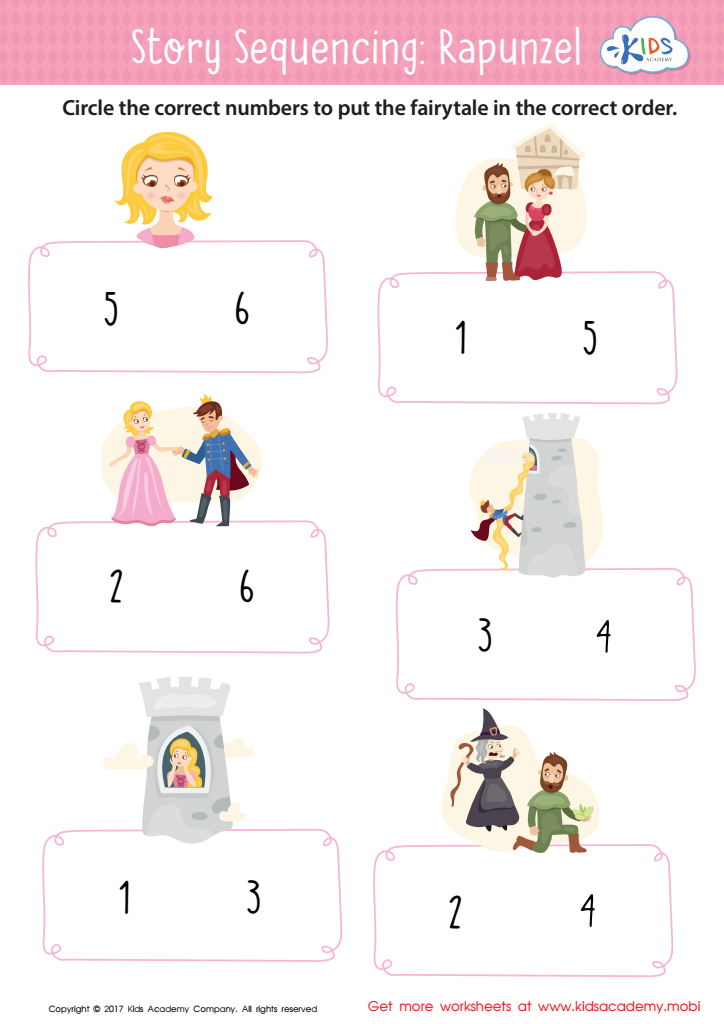
Rapunzel Story Sequencing Worksheet
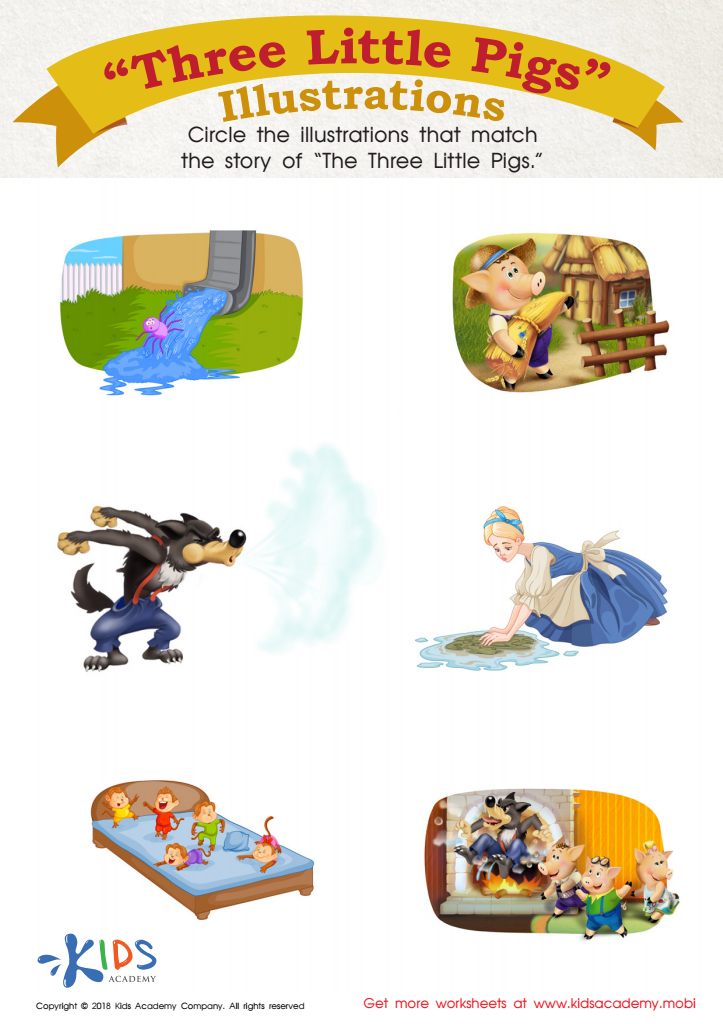
Three Little Pigs: Illustrations Worksheet
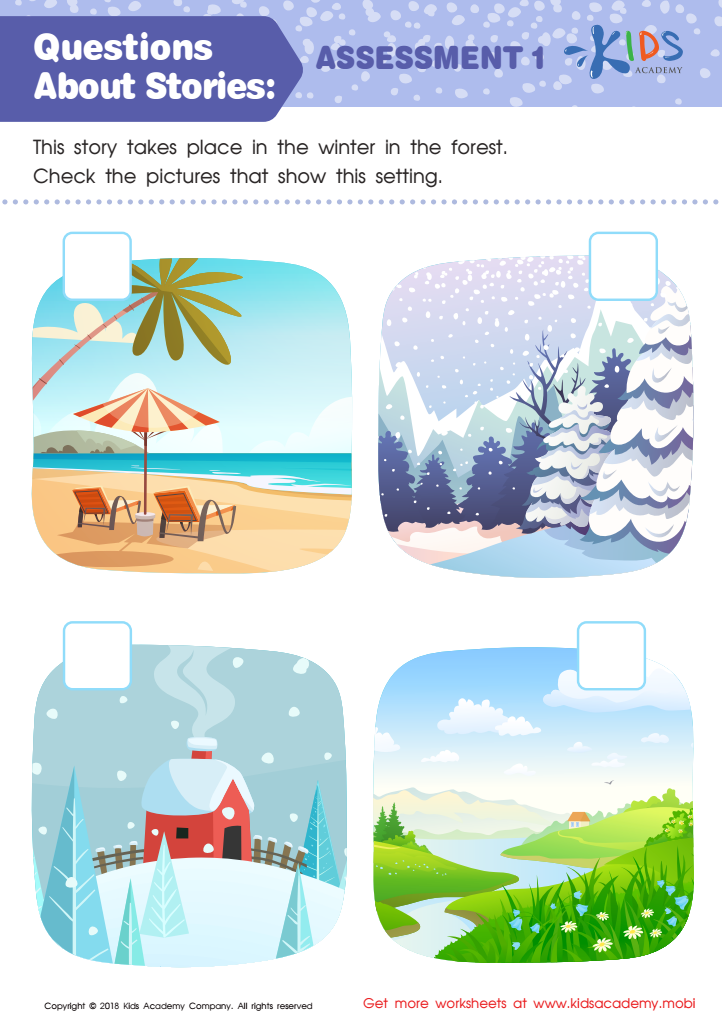
Questions About Stories: Assessment 1 Worksheet







Fostering critical thinking and reading comprehension in 3-year-olds sets a foundation for lifelong learning and cognitive development. At this age, children’s brains are highly adaptable and soaking up information rapidly. Introducing critical thinking through simple reading comprehension activities enhances their ability to understand and process information, even at a young age.
First, these activities improve language skills. As children listen to and comprehend stories, they expand their vocabulary and grasp sentence structures. Understanding the “why” and “how” in a story also nurtures curiosity and encourages asking questions, which is vital for critical thinking. Engaging with texts and discussing stories promotes higher-order thinking skills, enabling children to make connections between different ideas, predict outcomes, and understand cause and effect.
Secondly, parents and teachers develop early cognitive skills that are important for problem-solving and decision-making. Through critical reading exercises, children learn to identify main ideas, recognize details, and differentiate between opinions and facts. These skills are not just academic; they equip children to navigate social interactions and everyday challenges.
Lastly, cultivating a love for reading at an early age promotes lifelong literacy. Children who enjoy reading are more likely to continue nurturing their literacy skills, leading to greater academic and personal success. In essence, ensuring that 3-year-olds develop critical thinking through easy reading comprehension lays the groundwork for a brighter, more informed future.