Historical Knowledge Easy 4th of July Worksheets for Ages 4-5
4 filtered results
-
From - To
Introducing "Historical Knowledge Easy 4th of July Worksheets for Ages 4-5", specially designed to help young learners engage with American history in a fun and interactive way. Our worksheets feature age-appropriate activities that build foundational historical knowledge through colorful exercises and delightful illustrations. Perfect for kids aged 4-5, these worksheets make learning about Independence Day both enjoyable and educational. With easy-to-follow instructions and engaging designs, children will not only have fun but also enhance their learning skills. Make every 4th of July meaningful and memorable with our thoughtfully crafted educational resources.
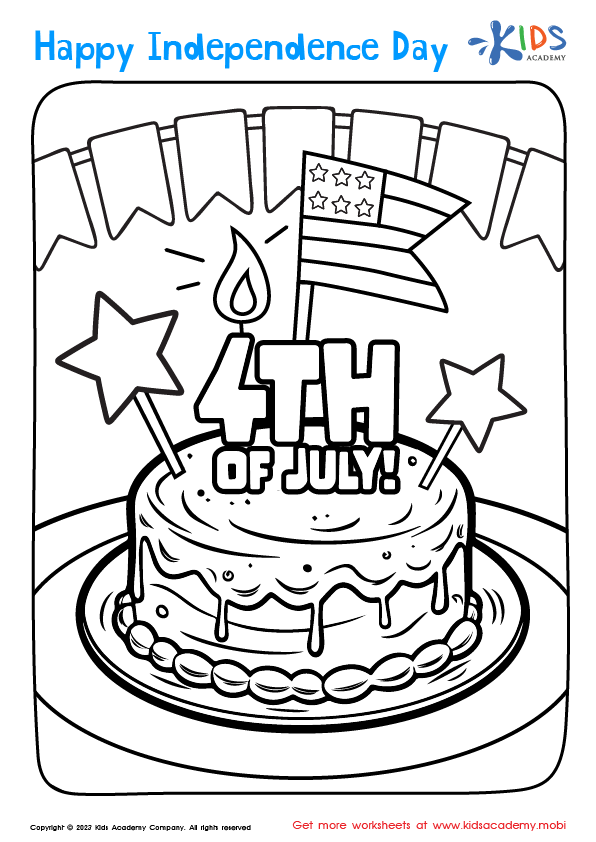
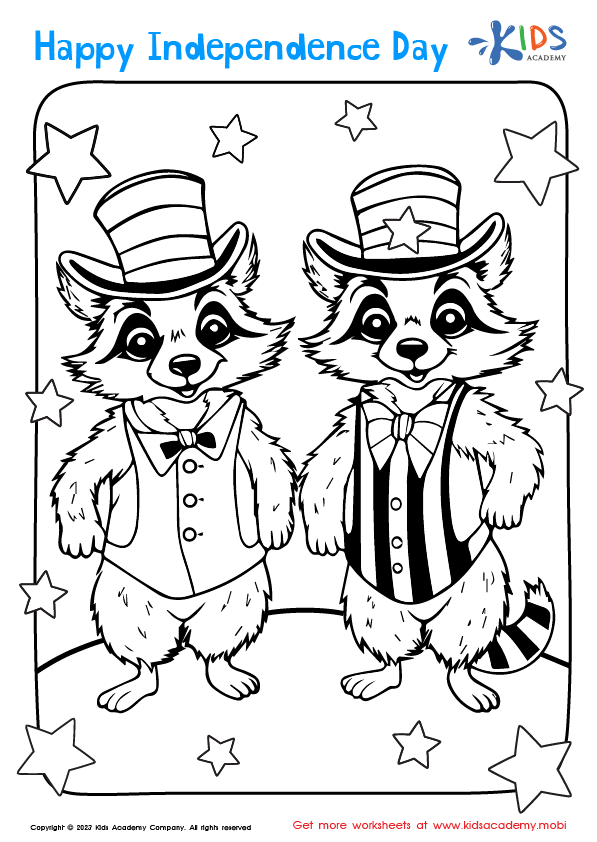
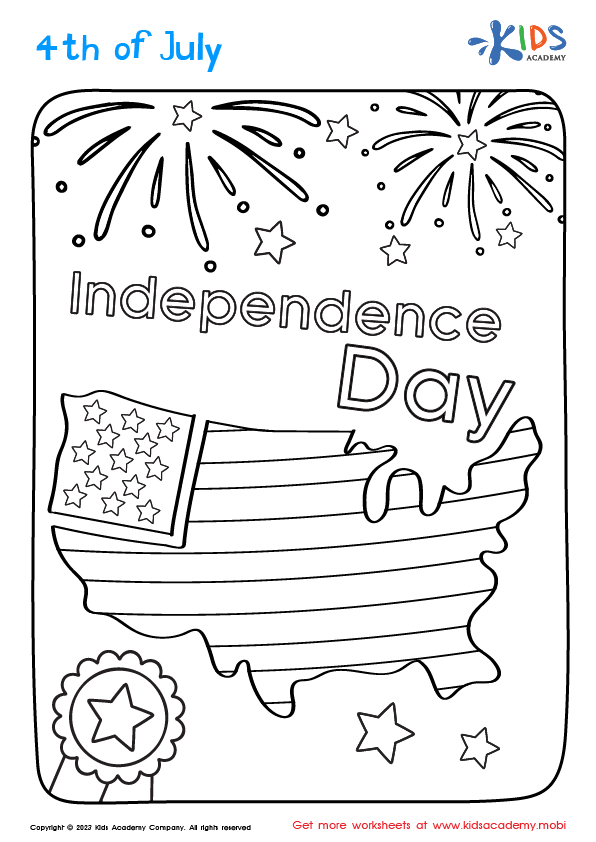
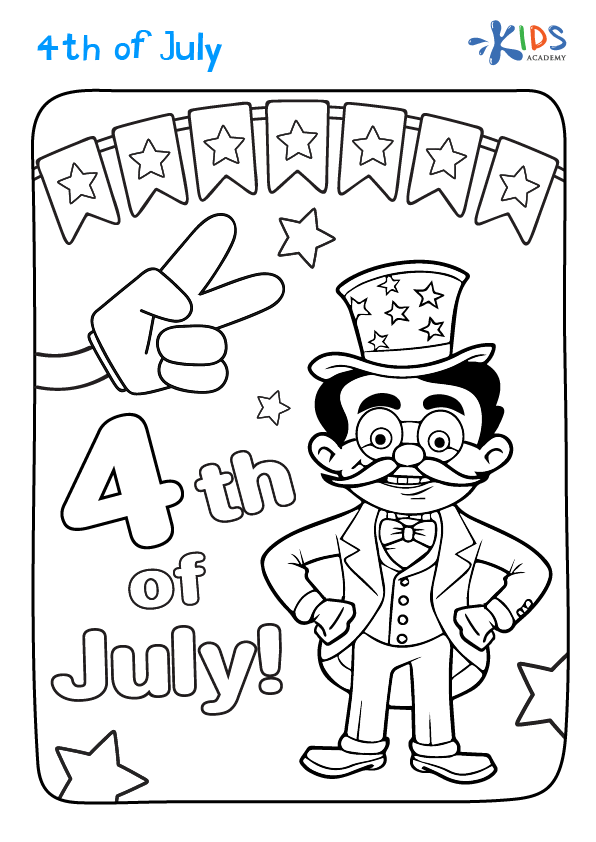



Understanding the historical importance of the Fourth of July helps young children develop a sense of national pride and cultural identity. For parents and teachers, teaching early historical knowledge about this holiday can be both educational and engaging. It lays the groundwork for children to appreciate their heritage and the values of freedom and independence that the United States was founded upon.
At ages 4-5, children are incredibly curious and grasp basic concepts quickly. Introducing the story of the Fourth of July in a simplified manner, such as telling them it’s a day when America celebrates its "birthday" – the day when it became a free and independent country – can be very effective. Incorporating fun activities like flag-making, singing patriotic songs, or parades can help children remember these lessons.
Moreover, understanding historical events from a young age builds a foundation for future learning and critical thinking. It encourages children to ask questions about the world around them and to value historical events that shape their present lives. In a broader sense, early exposure to history fosters respect for diverse perspectives and a greater sense of community. By instilling patriotic feelings and historical knowledge early on, parents and teachers contribute to developing informed and responsible future citizens.