Fine motor development Easy Worksheets for Ages 4-5
3 filtered results
-
From - To
Discover our collection of engaging worksheets designed specifically for enhancing fine motor development in children aged 4-5. These easy-to-use worksheets feature fun activities that promote essential skills such as hand-eye coordination, dexterity, and finger strength. From tracing and cutting exercises to vibrant coloring tasks, each worksheet is designed to keep young learners motivated while building critical foundational skills. Perfect for both home and classroom use, our printable worksheets encourage creativity and independent learning. Join us in nurturing your child's fine motor skills with our enjoyable, age-appropriate resources that set them up for success in their early education journey!
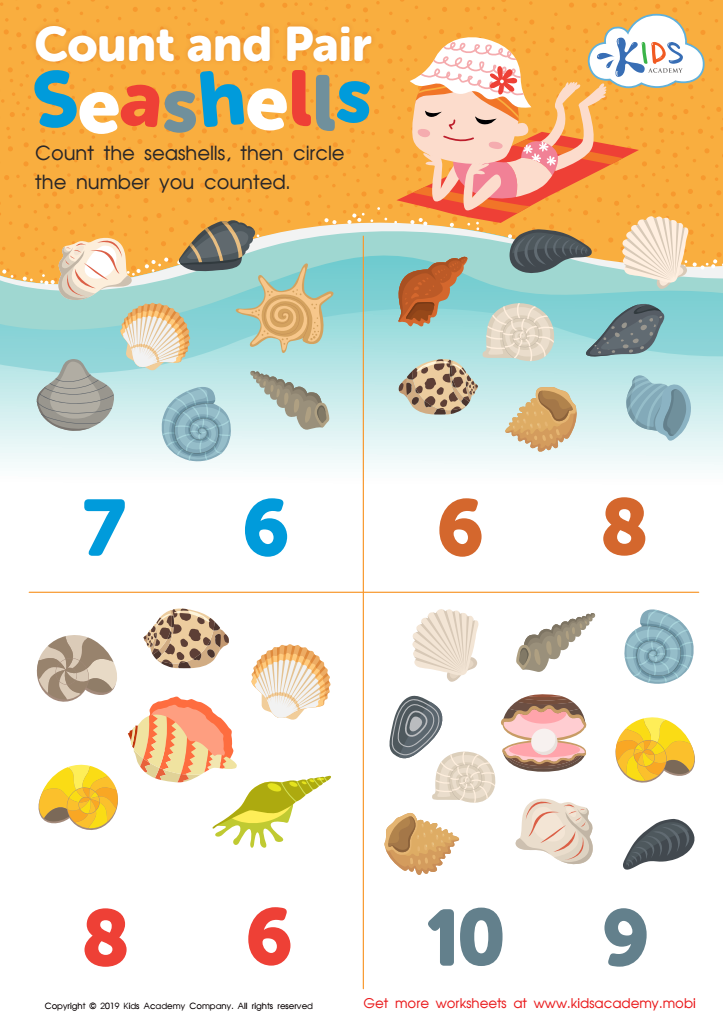
Count and Pair Seashells Worksheet
 Assign to My Students
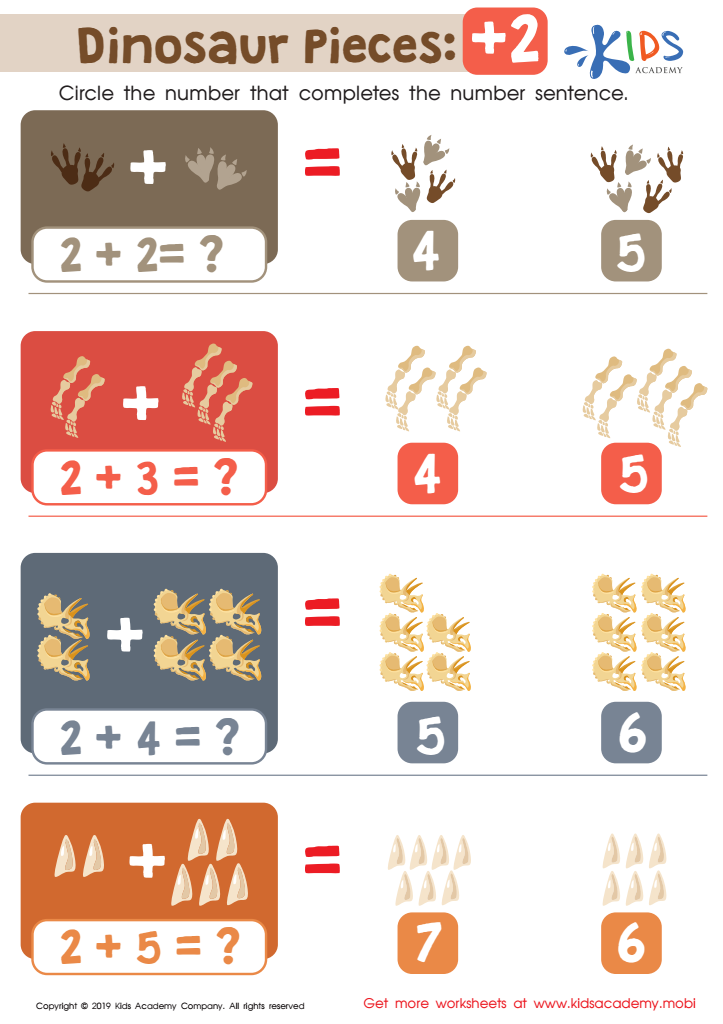
Dinosaur Pieces: +2 Worksheet









Fine motor development is crucial for children aged 4-5 as it lays the foundation for essential skills they will need throughout their lives. Fine motor skills involve the ability to use small muscles in the hands and fingers. These skills help children perform daily activities like buttoning shirts, tying shoelaces, and using utensils—tasks that promote independence.
Parents and teachers should care about fine motor development because it directly impacts a child’s ability to engage in classroom activities and creative play. Activities that strengthen fine motor skills, such as coloring, cutting with scissors, or building with small blocks, also enhance hand-eye coordination and spatial awareness. When children gain proficiency in these skills, they develop confidence, which encourages participation and exploration.
Moreover, fine motor skills are linked to academic success. Children need to write, draw, and complete puzzles as they progress in school. By nurturing these skills through intentional play and structured activities, parents and teachers can help children develop not only the necessary physical skills but also cognitive and social skills. Ultimately, investing attention in fine motor development paves the way for smooth transitions into more complex tasks as children grow, setting them up for success in various aspects of life.








