Letter recognition Easy Worksheets for Ages 4-5
14 filtered results
-
From - To
Give your child a head start in reading with our "Letter Recognition Easy Worksheets for Ages 4-5." Specially designed for preschool and kindergarten learners, these fun and engaging worksheets help kids effortlessly recognize and write letters. Our activities incorporate playful imagery, tracing exercises, and interactive games, making learning enjoyable. Aligned with early learning standards, these worksheets build a strong foundation for literacy, enhancing your child's confidence and preparing them for academic success. Whether in the classroom or at home, these printables are an essential resource for any budding reader. Download and print today to inspire lifelong learning!
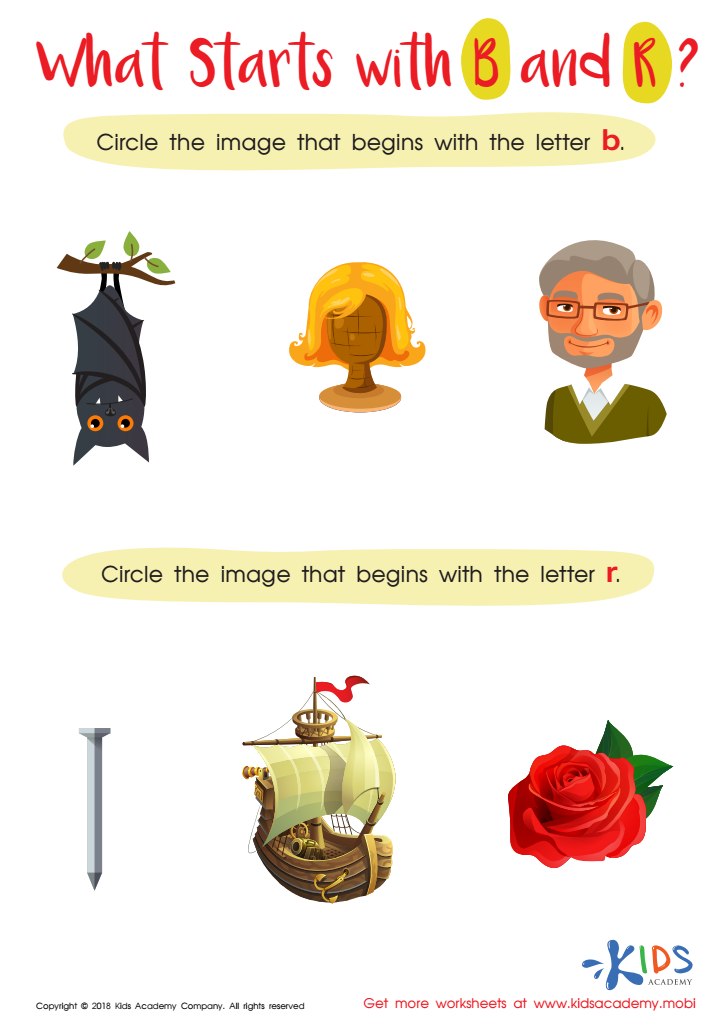
What Starts with B and R? Worksheet
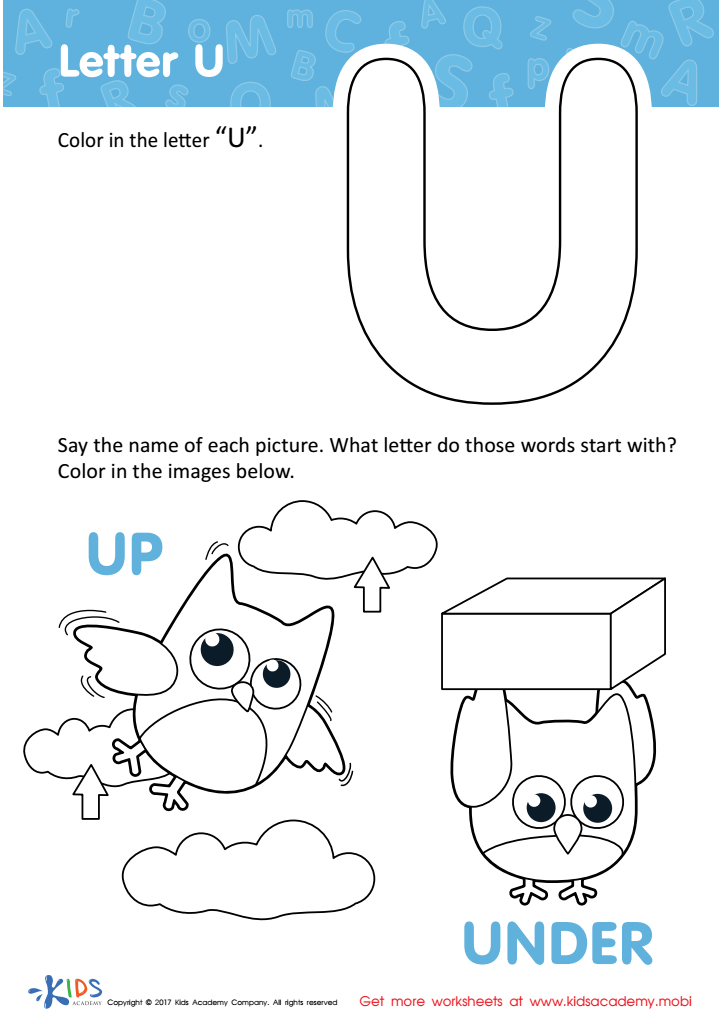
Letter U Coloring Sheet
 Assign to My Students
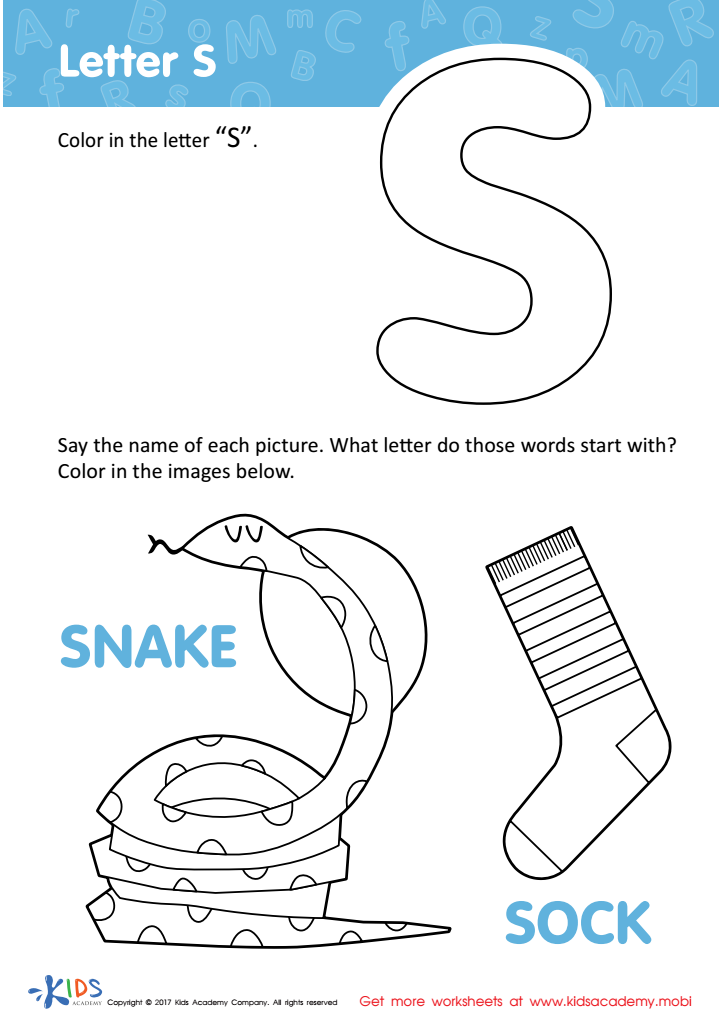
Letter S Coloring Sheet
Assign to My Students
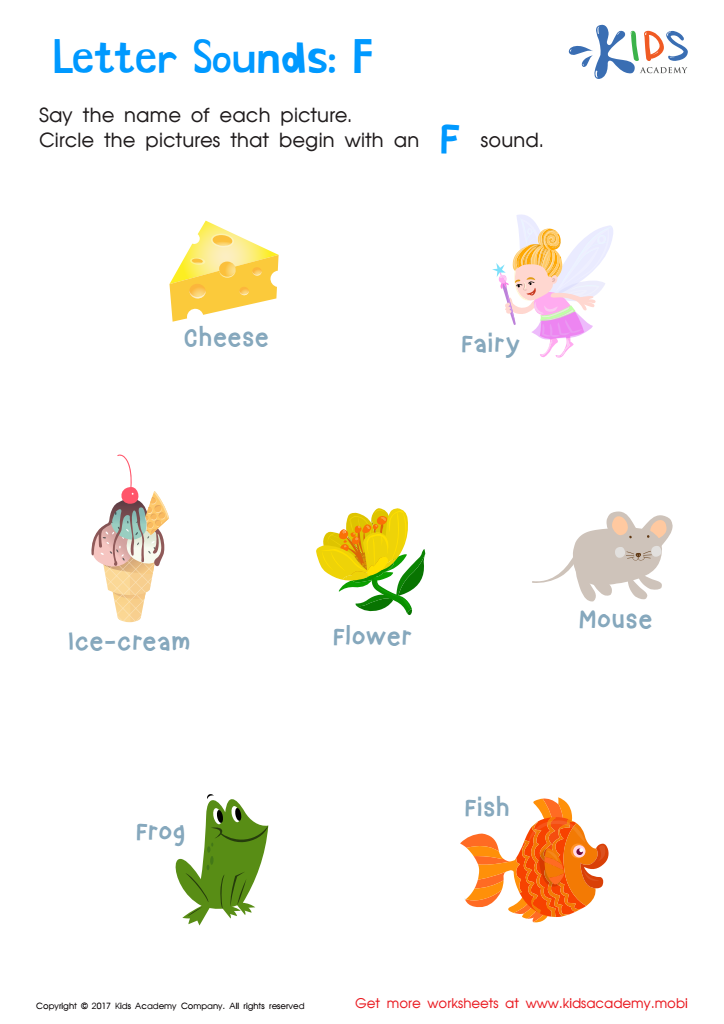
Letter F Sounds Worksheet
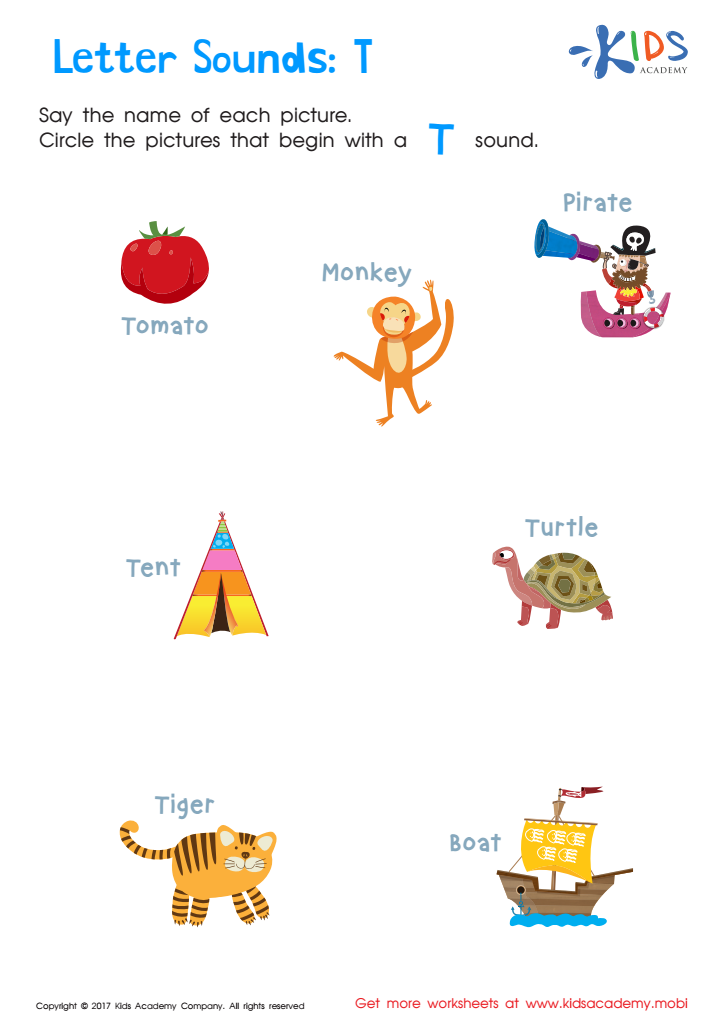
Letter T Sounds Worksheet
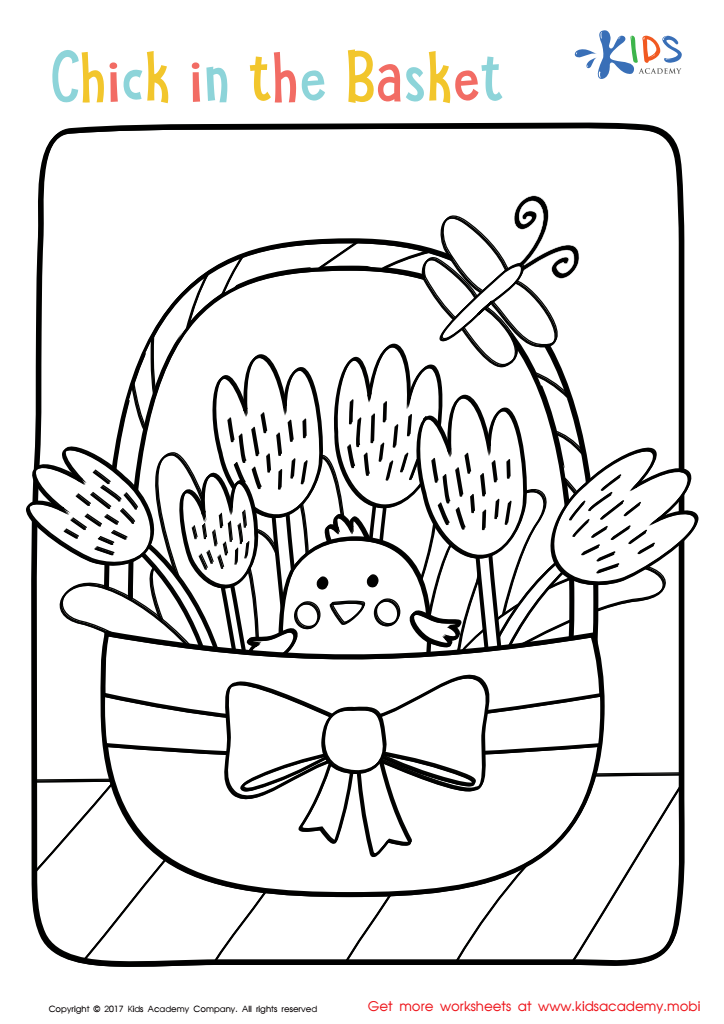
Easter: Chick in the Basket Worksheet
Assign to My Students
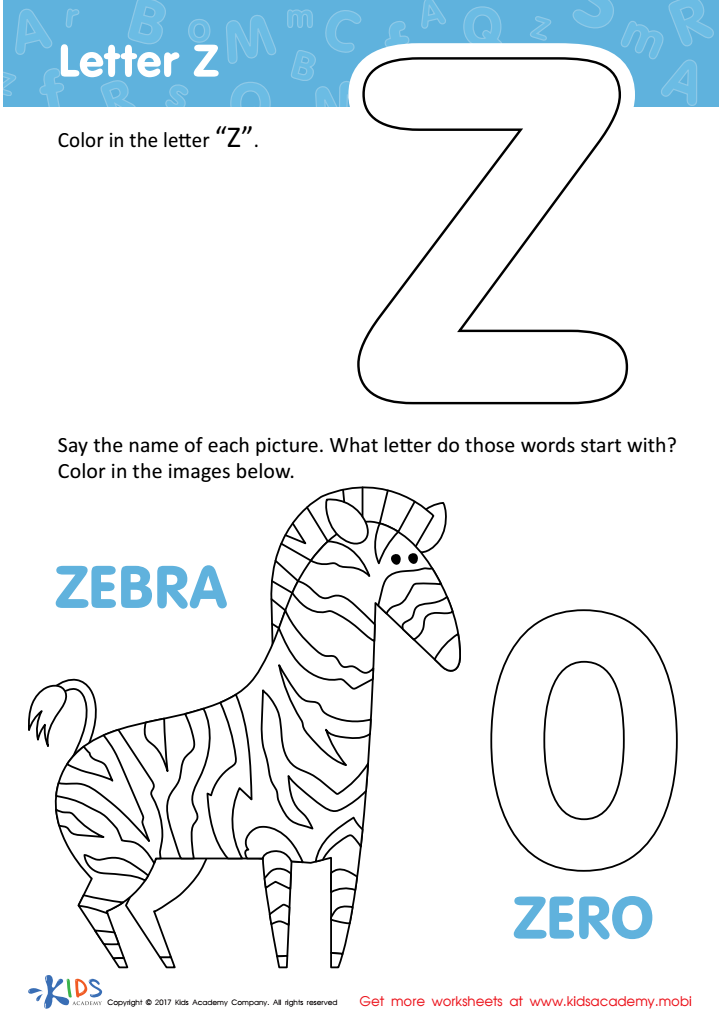
Letter Z Coloring Sheet
Assign to My Students
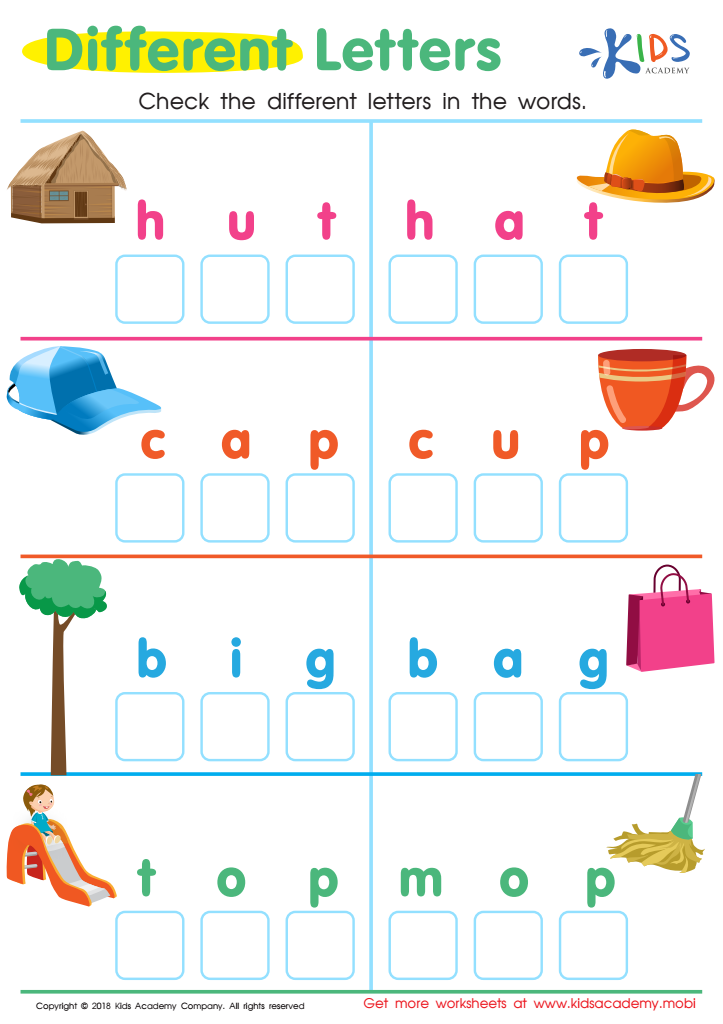
Different Letters Reading Worksheet
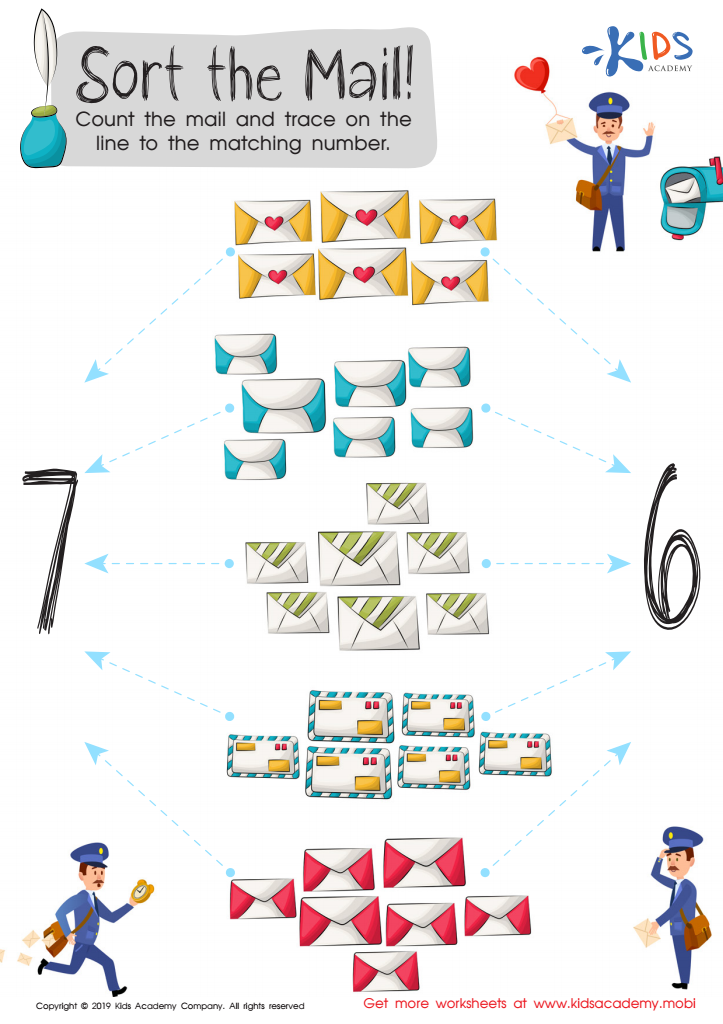
Sort the Mail Worksheet
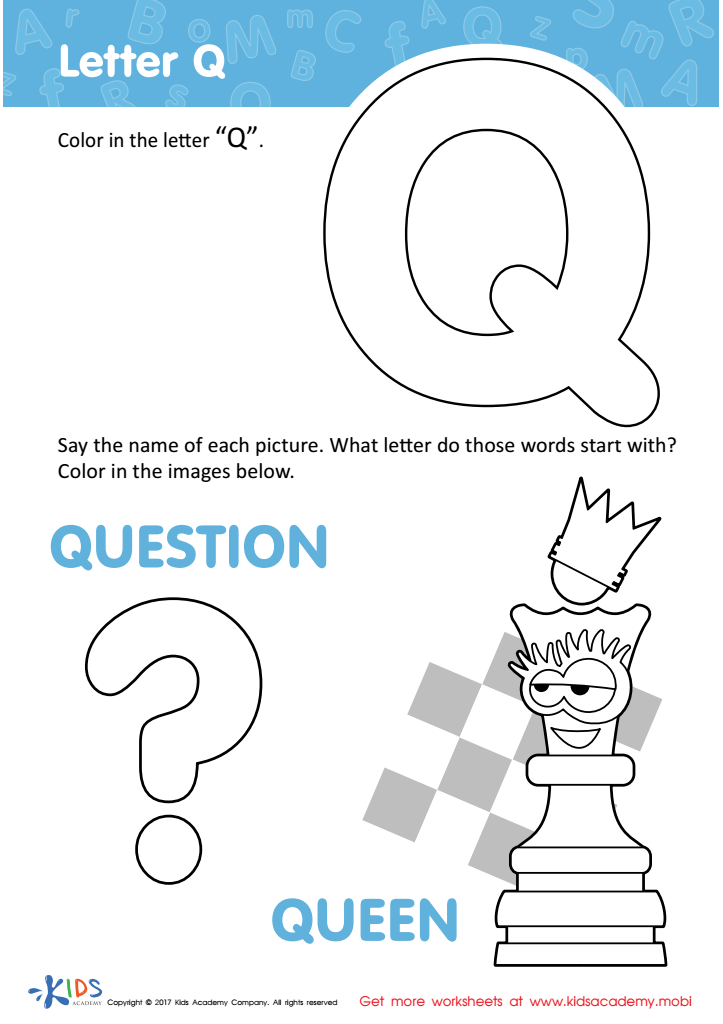
Letter Q Coloring Sheet
Assign to My Students
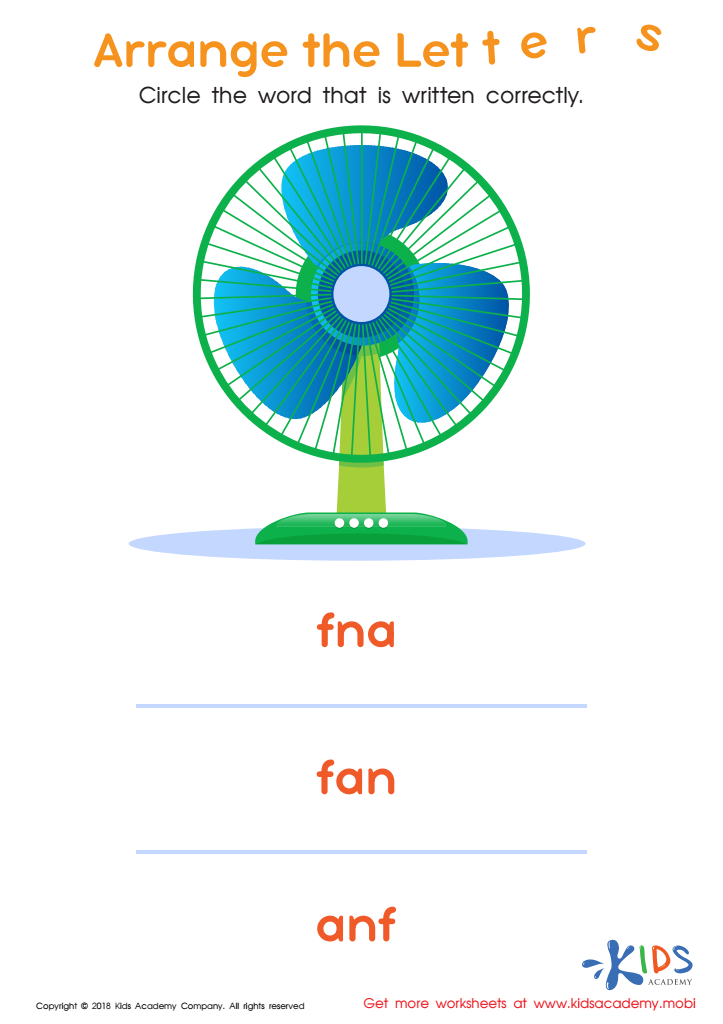
Arrange the Letters Worksheet
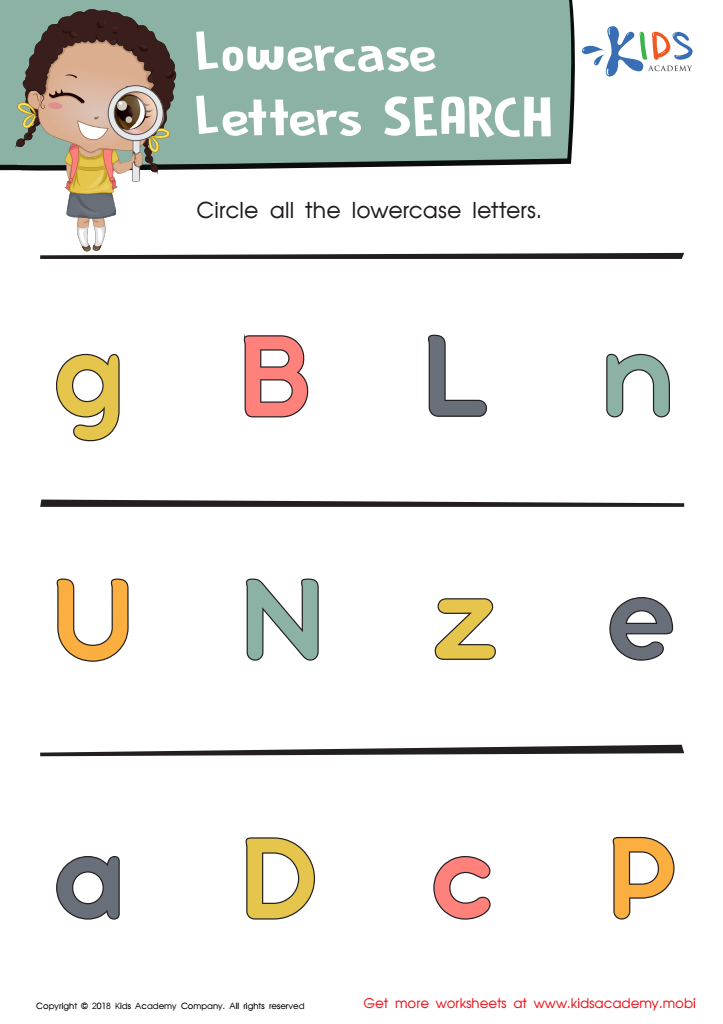
Lowercase Letters Search: Assessment Worksheet
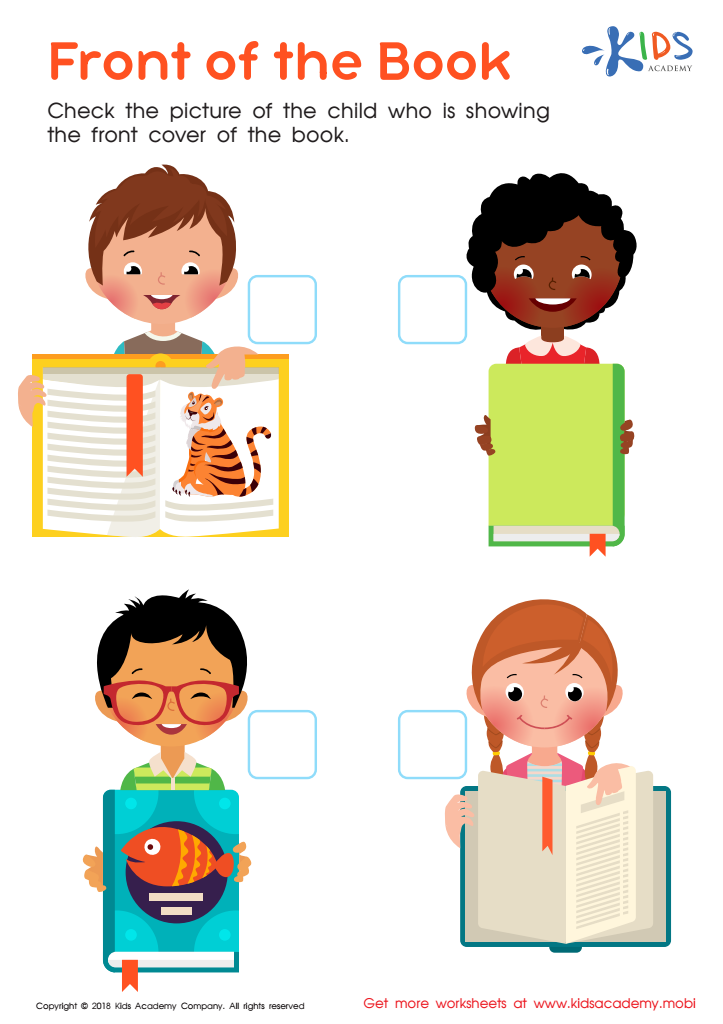
Front of the Book Worksheet
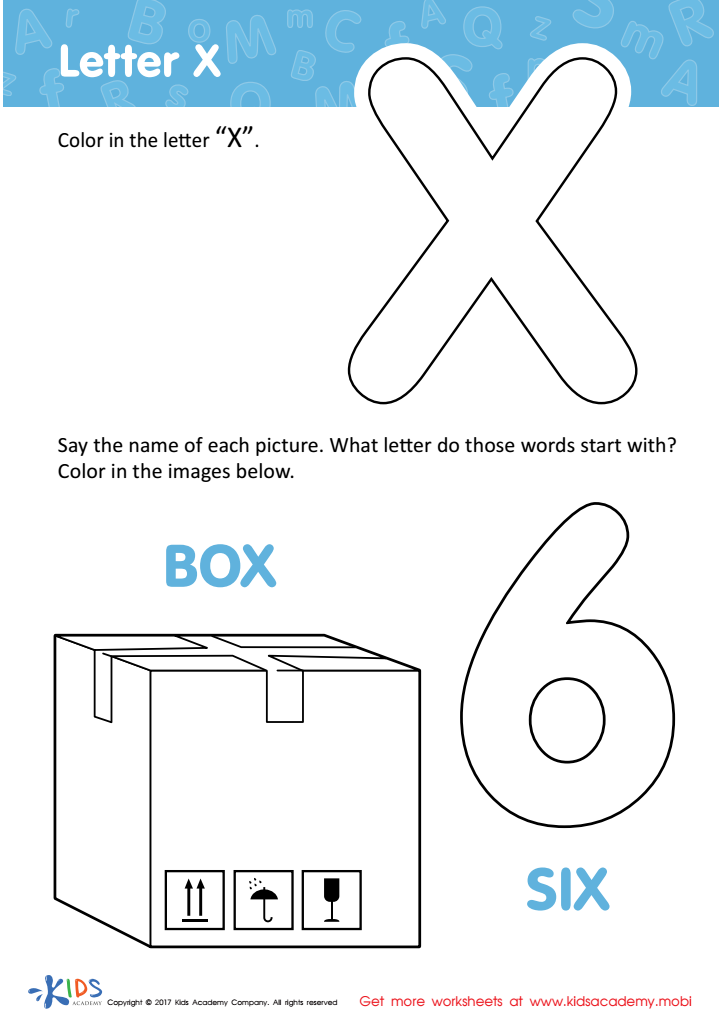
Letter X Coloring Sheet
Assign to My Students








Letter recognition is a fundamental skill for young children, particularly for those aged 4-5, as it forms the foundation for their reading and writing abilities. In this critical developmental phase, understanding and identifying letters makes it easier for children to connect letters with sounds, an essential step toward phonemic awareness. This, in turn, supports early literacy.
Parents and teachers should prioritize letter recognition because it enhances a child's confidence and motivation in learning. As children accurately recognize and name letters, they develop a sense of achievement, making them more eager to engage in reading activities. Furthermore, letter recognition skills improve memory and cognitive development, contributing to better concentration and focus.
Mastering this skill early on also aids in developing fine motor skills through activities like drawing letters and tracing, which are beneficial for their overall academic progress. Exposure to letters through playful activities like singing alphabet songs, reading aloud, and using educational games makes learning enjoyable and reinforces their understanding in a stress-free environment. Investing time in letter recognition sets the stage for success in more advanced literacy skills, ensuring children are well-prepared for future learning milestones. Thus, prioritizing this competency is critical for laying a robust educational foundation.








