
Shape identification Easy Worksheets for Ages 4-5
3 filtered results
Difficulty Level
Grade
Age
-
From - To
Subject
Activity
Standards
Discover our "Shape Identification Easy Worksheets" designed specifically for children ages 4-5! These engaging resources help young learners recognize and differentiate basic shapes while enhancing their fine motor skills through fun activities. Our worksheets feature colorful illustrations and interactive exercises that make shape learning an enjoyable experience. Perfect for parents and teachers, these printables support early childhood education by reinforcing essential concepts in a playful manner. Whether at home or in the classroom, our worksheets encourage kids to explore, identify, and enjoy shapes. Equip your little ones with foundational skills that will boost their confidence and curiosity in learning!
Favorites
With answer key
Interactive
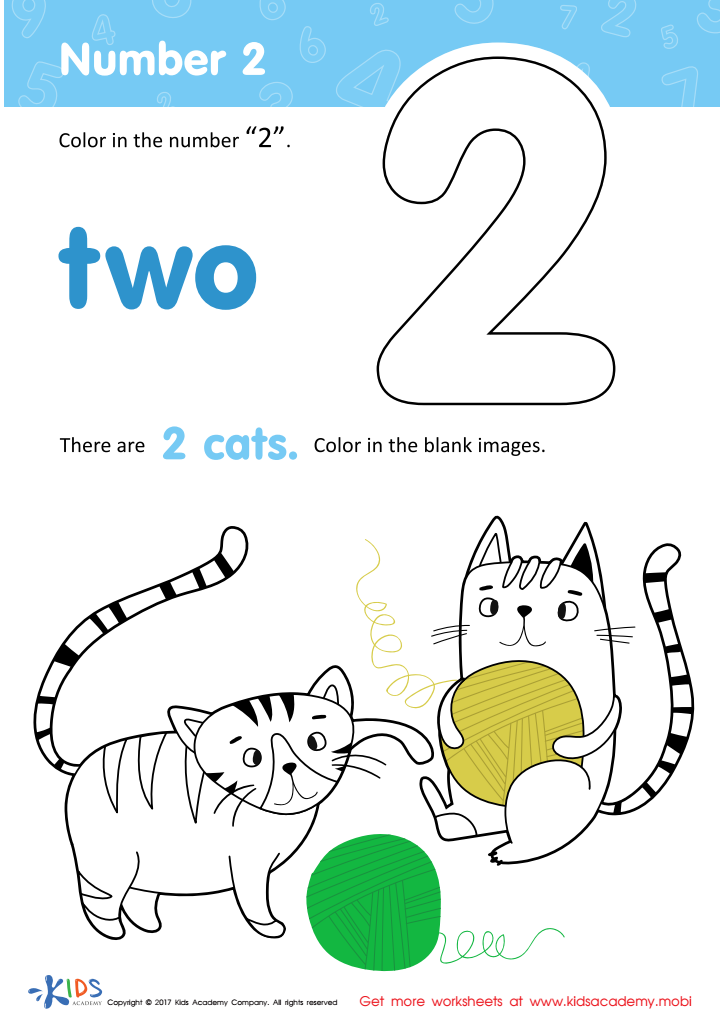
Number 2 Printable
Help your child learn to recognize the number two with these cats and their yarn balls. Print this coloring page – it's great for counting and coloring fun! Your child will develop basic numeracy skills as they visually see numbers in action.
Download (PDF)
 Assign to My Students
Assign to My Students
Number 2 Printable
Worksheet
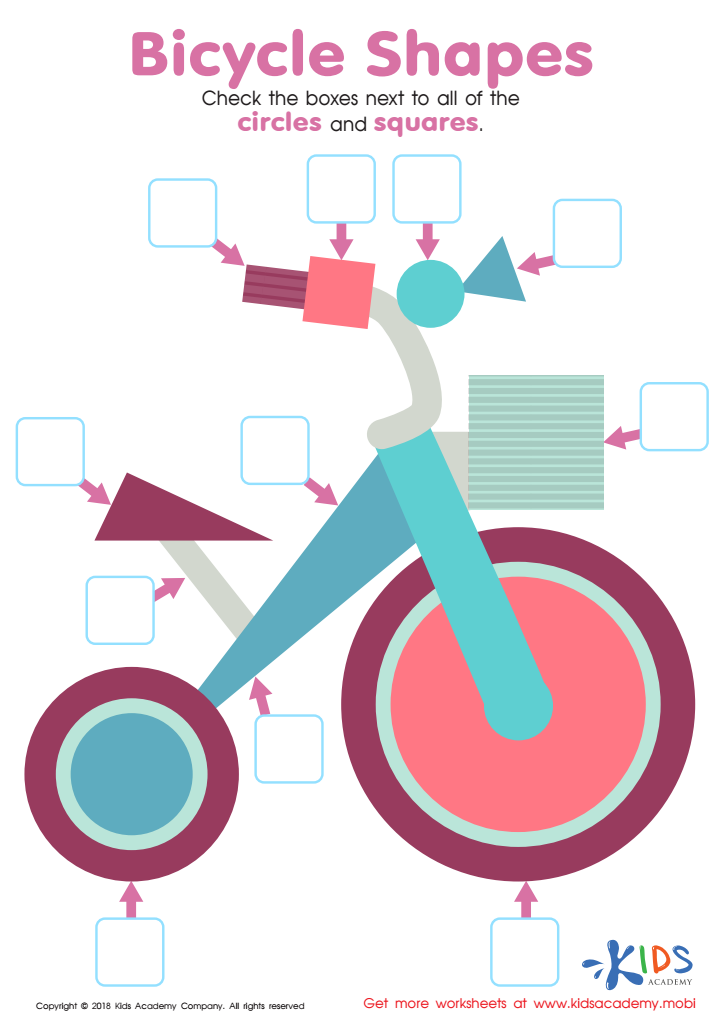
Bicycle Shapes Worksheet
This fun geometry worksheet for preschoolers asks the child to spot hidden shapes (circles, squares) in a colorful bicycle. Each shape varies in size and the child checks the box when it's found. It's a visual way to teach shapes.
Bicycle Shapes Worksheet
Worksheet
Join Kids Academy for Free
Who is primarily going to use this learning content?




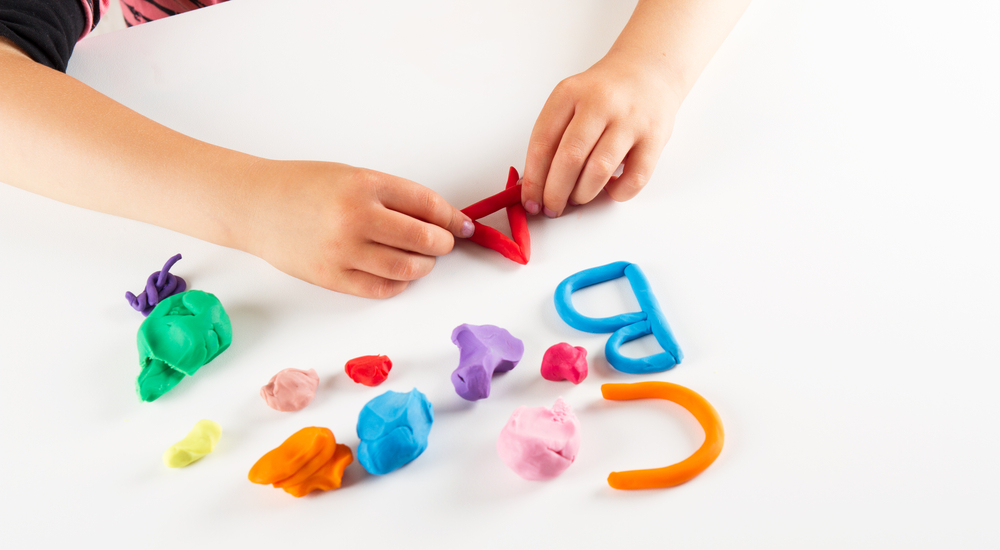


Shape identification is a foundational skill for children aged 4-5 that influences their overall development. Understanding shapes goes beyond mere recognition; it lays the groundwork for critical thinking and problem-solving. When children identify shapes, they begin to develop spatial awareness, allowing them to navigate their environment more effectively, which is crucial for activities such as reading, writing, and math.
Parents and teachers who engage children in shape identification encourage cognitive skills such as categorization and pattern recognition. This early learning is linked to later achievements in mathematics. Identifying and classifying shapes helps children understand geometry concepts and fosters a mathematical mindset.
Additionally, shape identification often incorporates hands-on learning through play, making it enjoyable and engaging for young learners. It provides opportunities for important social interactions as children learn and explore together.
Moreover, it aids in language development by expanding vocabulary as children learn to describe their world with terms like “triangle,” “circle,” or “rectangle.” Ultimately, attentive engagement in shape identification not only supports academic readiness but also builds confidence, as children discover their ability to understand and interact with the world around them.
Thus, parents and teachers should prioritize shape identification in early education.








