Sorting skills Easy Math Worksheets for Ages 4-5
5 filtered results
-
From - To
Explore our engaging "Sorting Skills Easy Math Worksheets" designed specifically for children aged 4-5! These fun, interactive worksheets help young learners develop essential sorting skills through colorful activities that encourage critical thinking and problem-solving. Children will sort objects by various attributes such as shape, color, and size, enhancing their cognitive abilities while making learning enjoyable. Each worksheet aims to build a strong mathematical foundation that prepares kids for future academic success. Perfect for home or classroom use, these resources make learning math a lively and exciting experience. Start your child's sorting journey today!
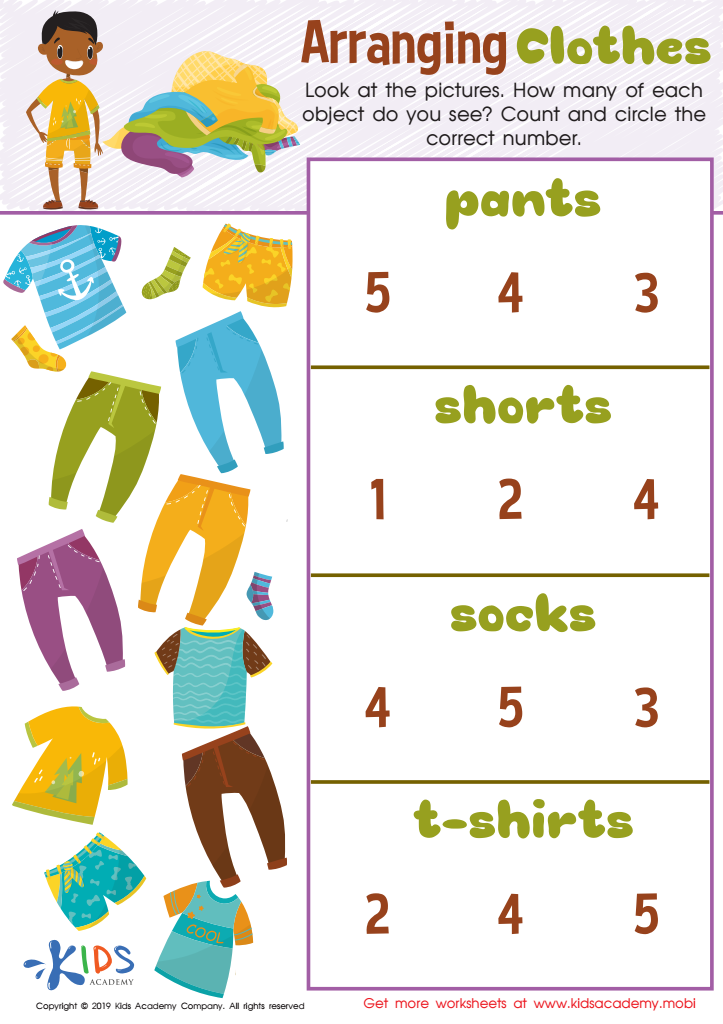
Arranging Clothes Worksheet
 Assign to My Students
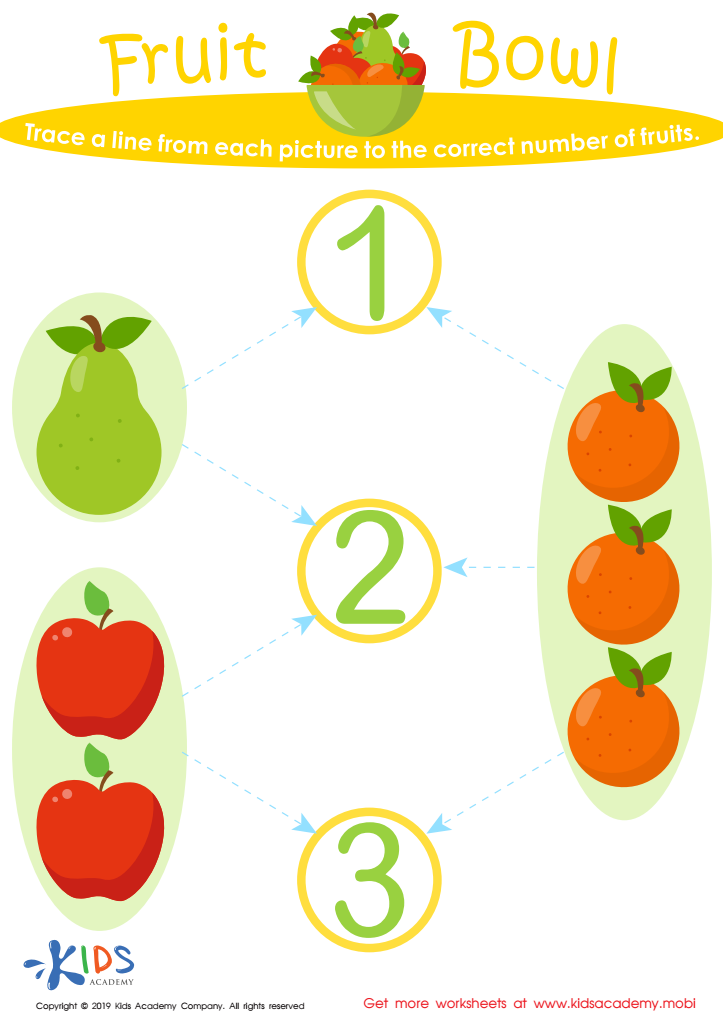
Fruit Bowl Worksheet
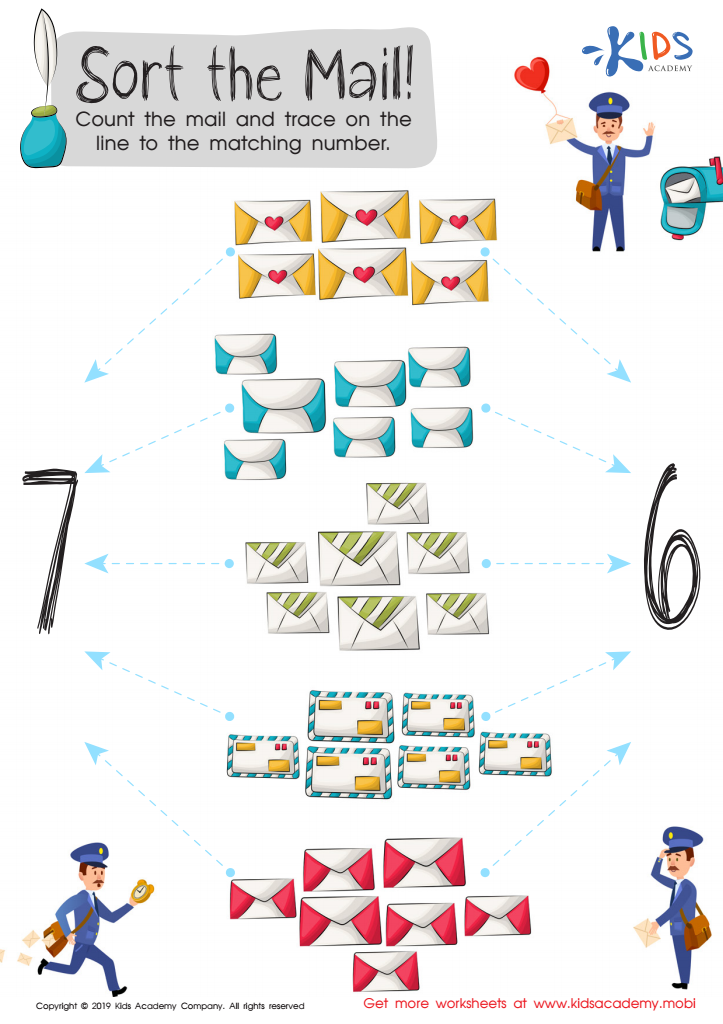
Sort the Mail Worksheet
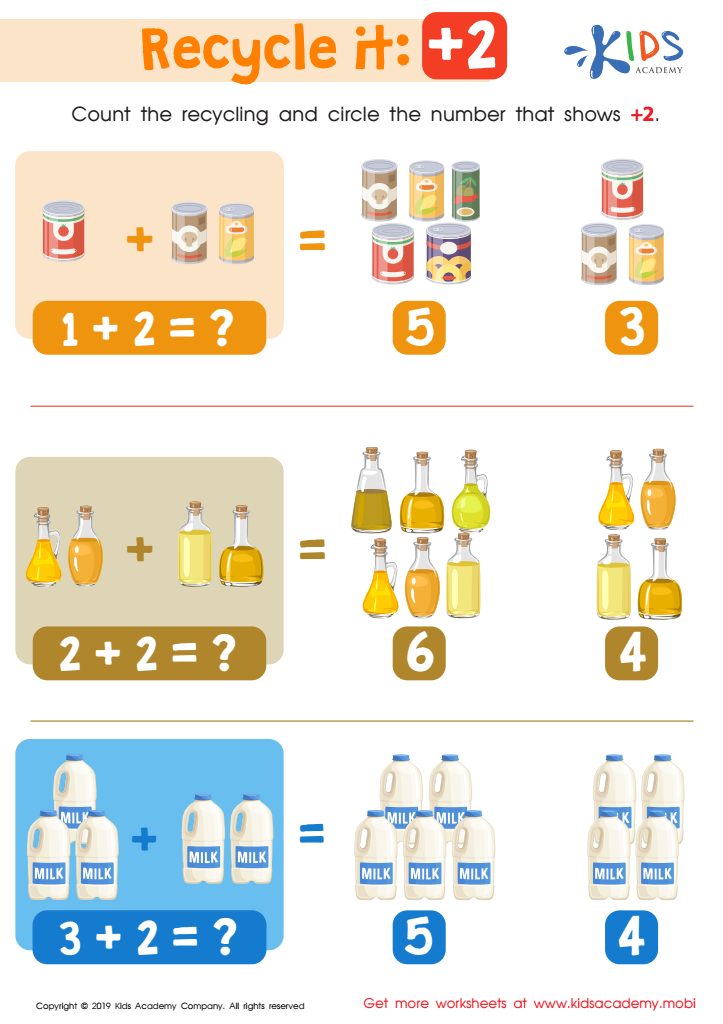
Recycle It: +2 Worksheet
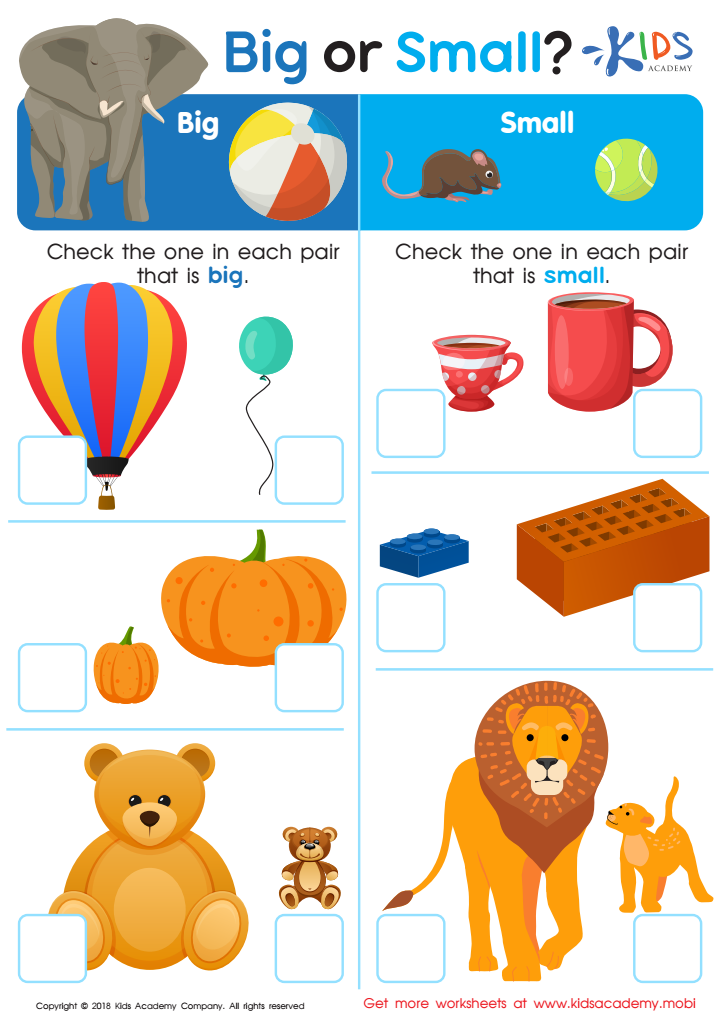
Big or Small? Worksheet








Sorting skills are fundamental for young children, particularly those aged 4-5, as they lay the groundwork for various mathematical concepts and cognitive development. During this age, children are naturally curious and engage in activities that help them explore their environment. Sorting helps improve their ability to classify objects based on attributes such as size, color, shape, and type, fostering critical thinking and observational skills.
For parents and teachers, incorporating sorting activities into early education can stimulate children’s reasoning abilities and problem-solving skills. By engaging in sorting tasks—like grouping toys, buttons, or even snack items—children learn to make comparisons, recognize patterns, and develop spatial awareness. These foundational skills are crucial for successfully tackling more complex academic concepts in later years, such as addition, subtraction, and algebra.
Additionally, sorting promotes language development as children describe their thought processes, using terms related to categories and characteristics. It also encourages cooperative play and social interaction, as children often work together to categorize objects. Thus, prioritizing sorting skills at this age fosters holistic growth in mathematics while nurturing cognitive, social, and language development, making it a significant focus for parents and teachers alike.








