Color recognition Easy Reading Worksheets for Ages 4-5
9 filtered results
-
From - To
Discover our engaging Color Recognition Easy Reading Worksheets designed specifically for children aged 4-5! These worksheets incorporate vibrant visuals and simple text to captivate young learners while promoting essential color identification skills. Through fun activities, your child will explore different colors in various contexts, enhancing their reading and comprehension abilities. Perfect for preschool and early kindergarten settings, our printable resources provide a hands-on approach to learning, making education exciting. Foster your child’s creativity and confidence with these delightful worksheets that support early literacy development. Start your journey of colorful learning today!
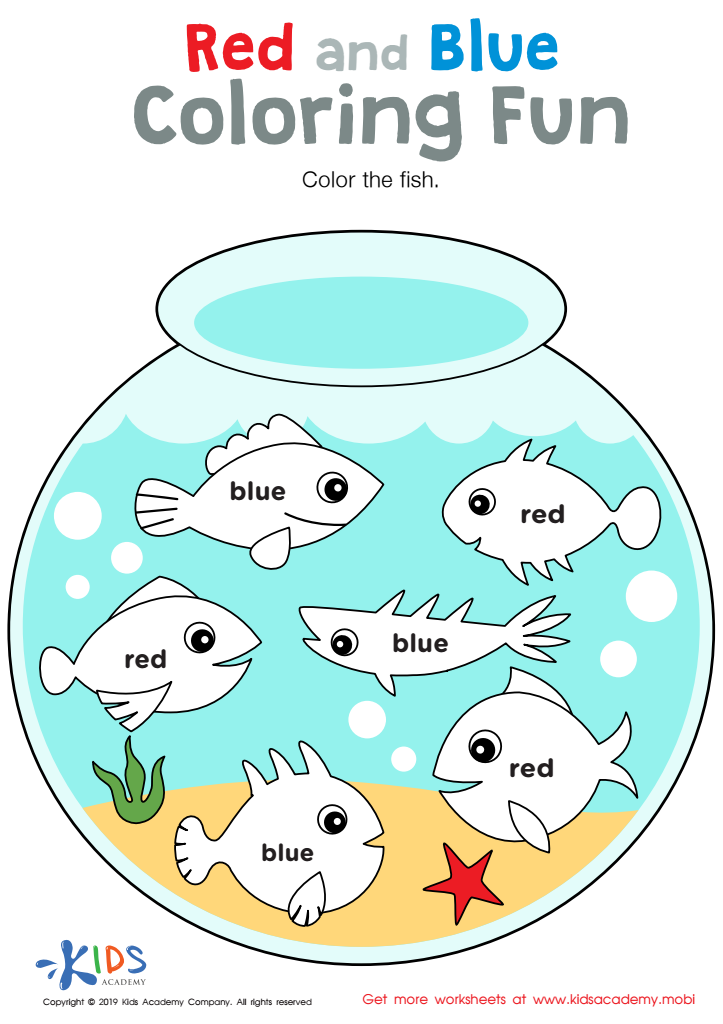
Red and Blue Coloring Fun Worksheet
 Assign to My Students
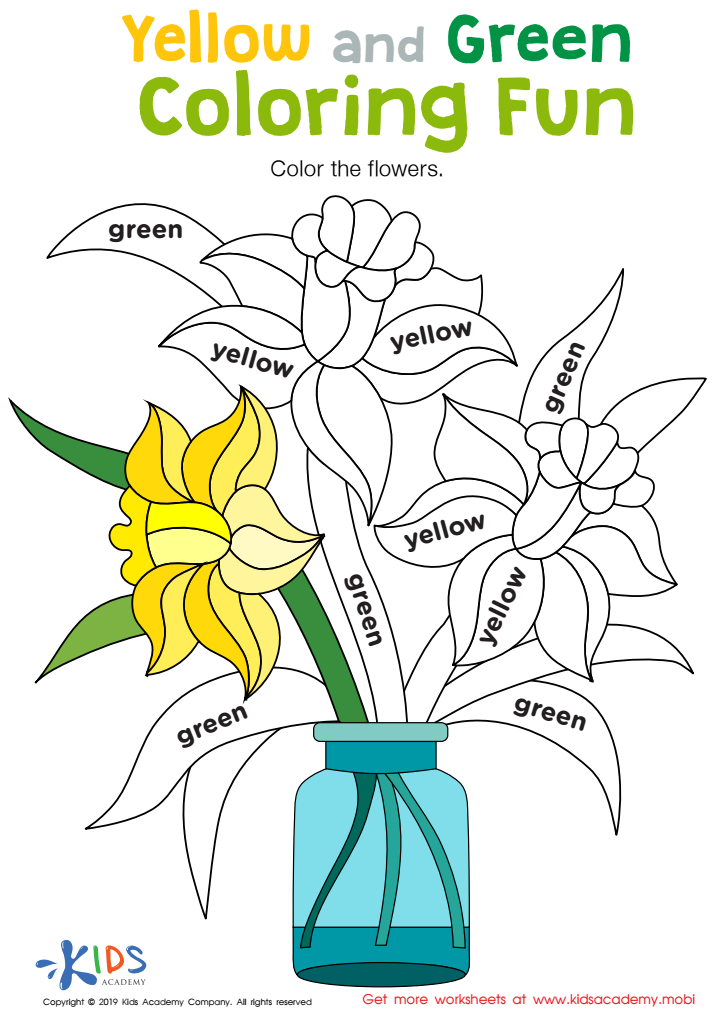
Yellow and Green Coloring Fun Worksheet
Assign to My Students
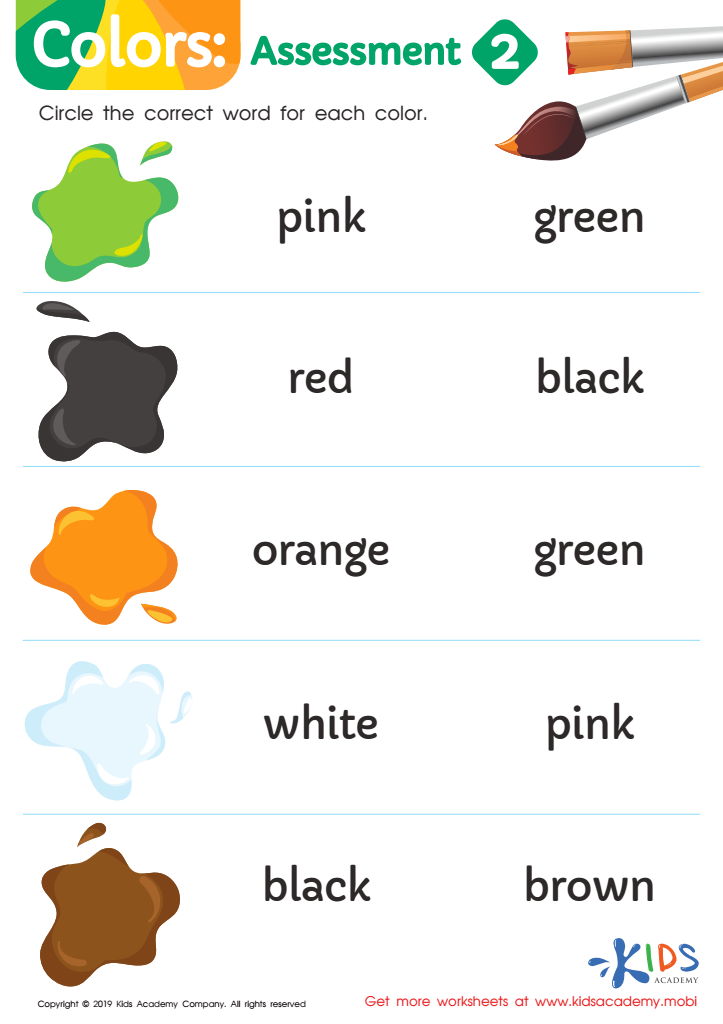
Colors: Assessment 2 Worksheet
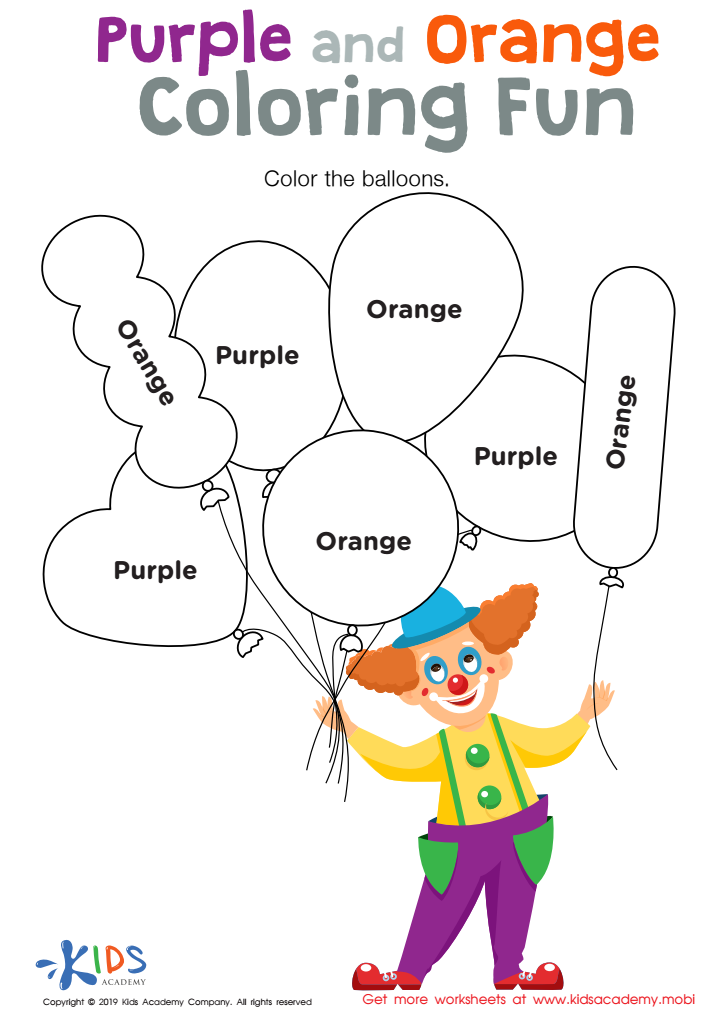
Purple and Orange Coloring Fun Worksheet
Assign to My Students
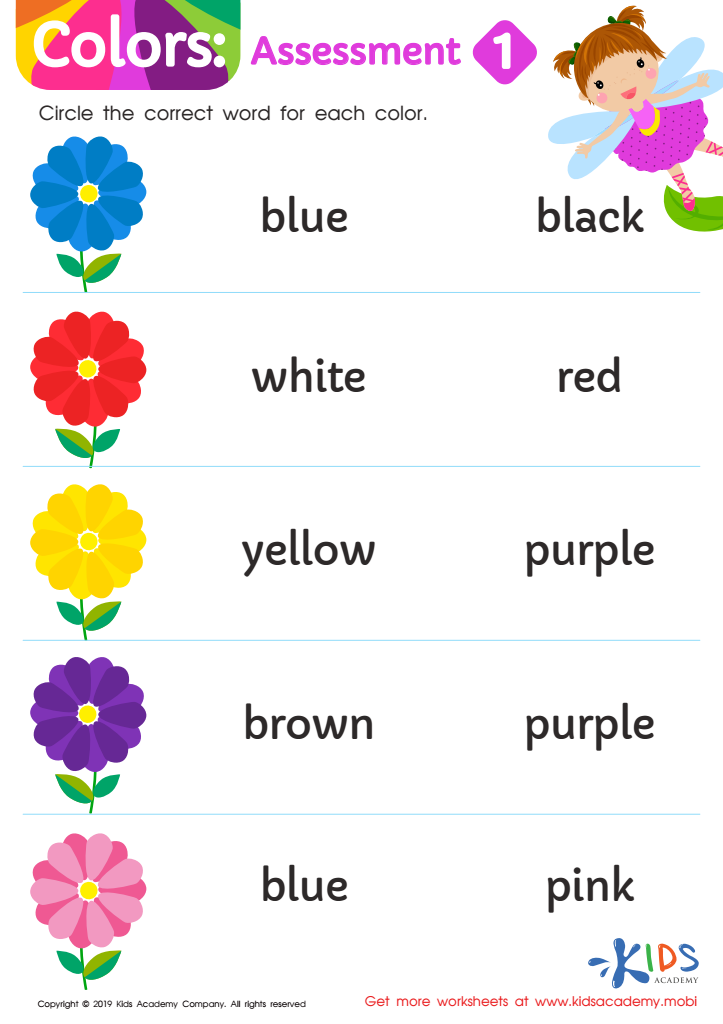
Colors: Assessment 1 Worksheet
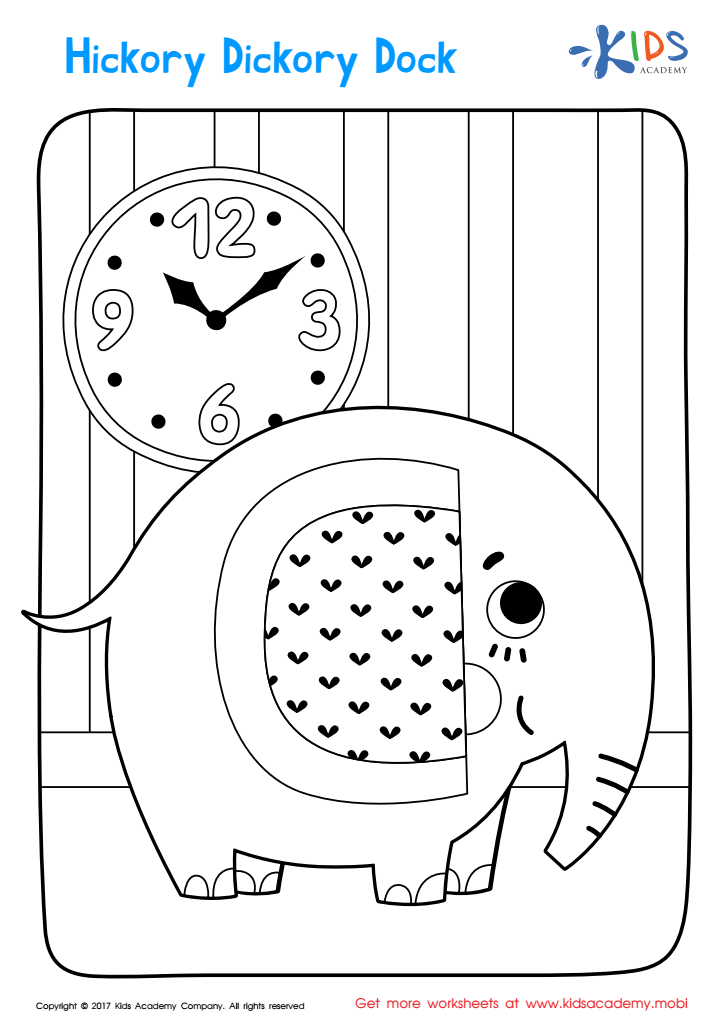
Hickory Dickory Dock Coloring Page
Assign to My Students
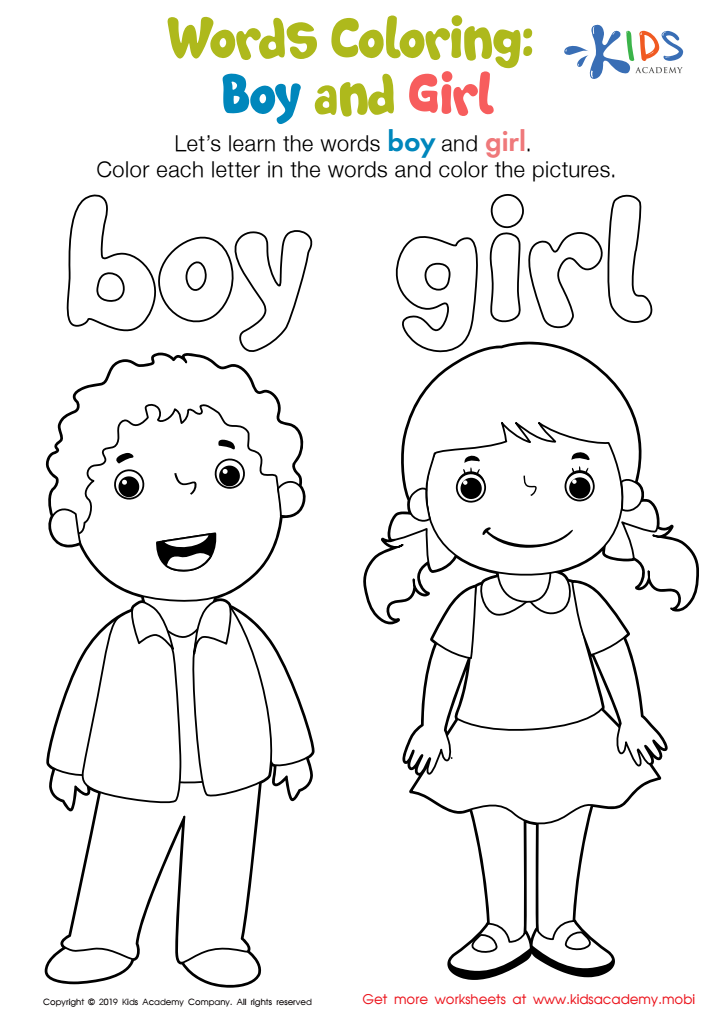
Boy and Girl Words Coloring Worksheet
Assign to My Students
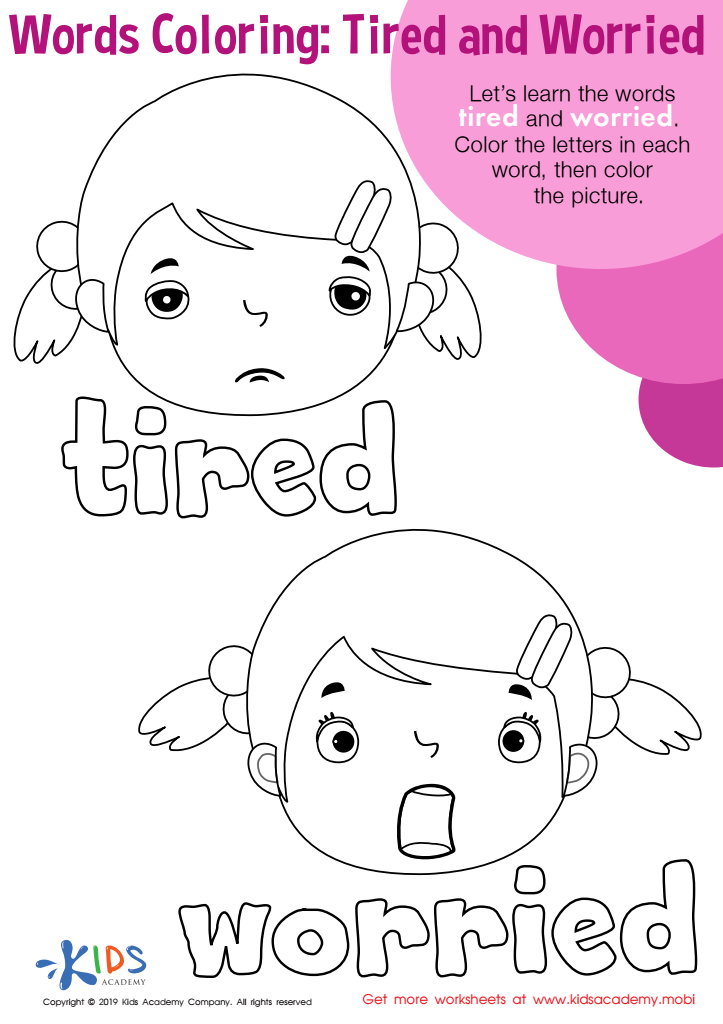
Tired and Worried Words Coloring Worksheet
Assign to My Students
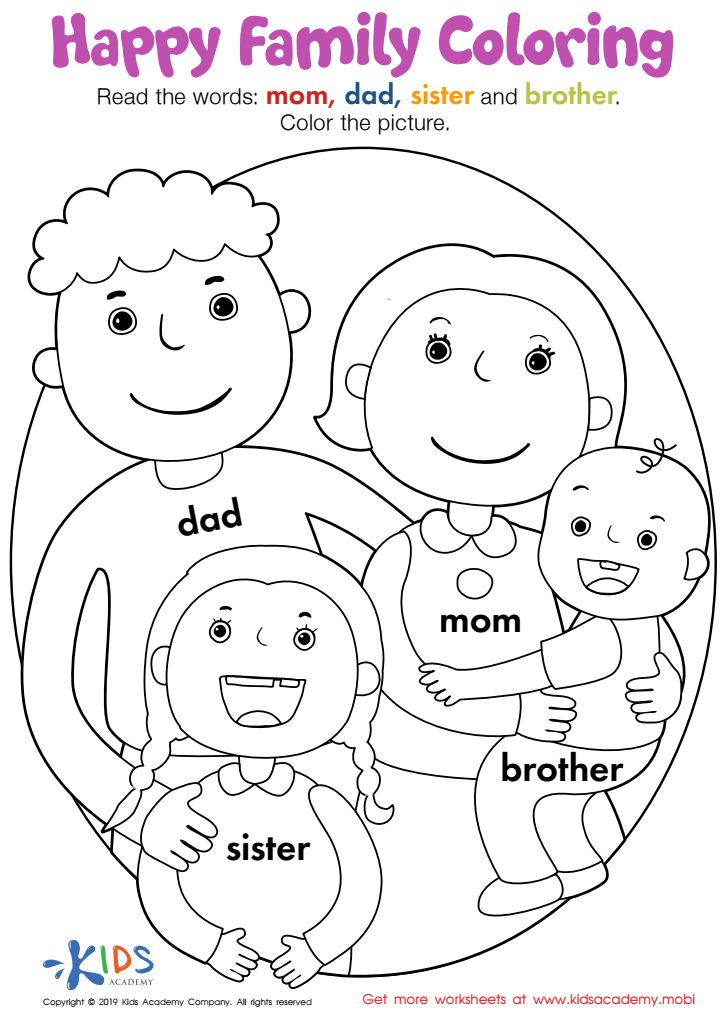
Happy Family Coloring Worksheet
Assign to My Students








Color recognition is a fundamental skill for children aged 4-5, crucial for their cognitive and social development. Parents and teachers should prioritize this skill because it lays the groundwork for various learning areas, such as language, math, and science. By recognizing colors, children enhance their vocabulary and processing skills. For instance, when they learn to name colors, they also practice descriptive language, improving their communication abilities.
Additionally, color recognition aids in early math concepts, such as sorting and categorizing objects, helping children understand simple patterns and comparisons. When kids engage in activities involving colors—be it art projects, sorting games, or nature walks—they develop critical observation skills and attention to detail.
Moreover, colors are often used in educational materials, making their recognition essential for following instructions and engaging in learning activities. Socially, understanding colors can help children in play interactions, allowing them to express preferences and participate in group activities confidently.
In summary, promoting color recognition in early education fosters holistic development, encourages exploration and creativity, and prepares children for future academic challenges. Parents and teachers should, therefore, actively facilitate this learning in engaging and fun ways to create a strong foundation for lifelong learning.