Fine Motor Skills Easy Reading Worksheets for Ages 4-5
6 filtered results
-
From - To
Unlock your child's potential with our "Fine Motor Skills Easy Reading Worksheets" designed for ages 4-5! These engaging worksheets blend fun and learning, helping young learners enhance their fine motor skills while discovering the joy of reading. Each activity encourages hand-eye coordination, grasping, and precision, essential for early handwriting and drawing. Our carefully crafted exercises include tracing, cutting, and connecting letters and shapes, ensuring kids develop essential skills in an enjoyable way. Perfect for both home and classroom settings, these worksheets provide a robust foundation for literacy and creativity. Get started today and watch your child's confidence soar!
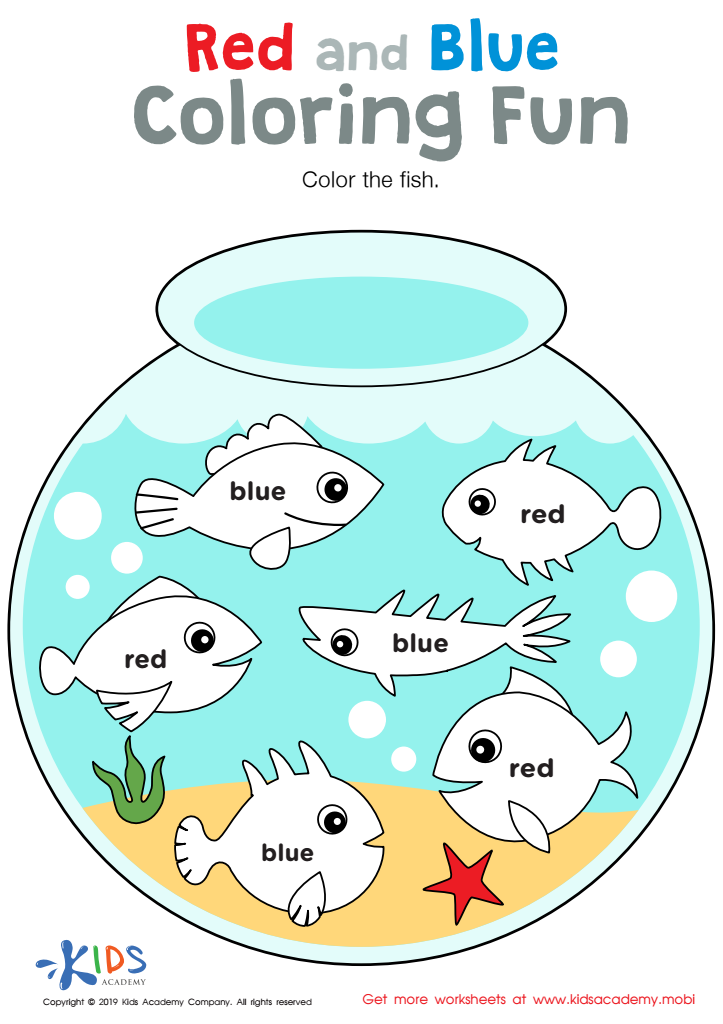
Red and Blue Coloring Fun Worksheet
 Assign to My Students

Yellow and Green Coloring Fun Worksheet
Assign to My Students
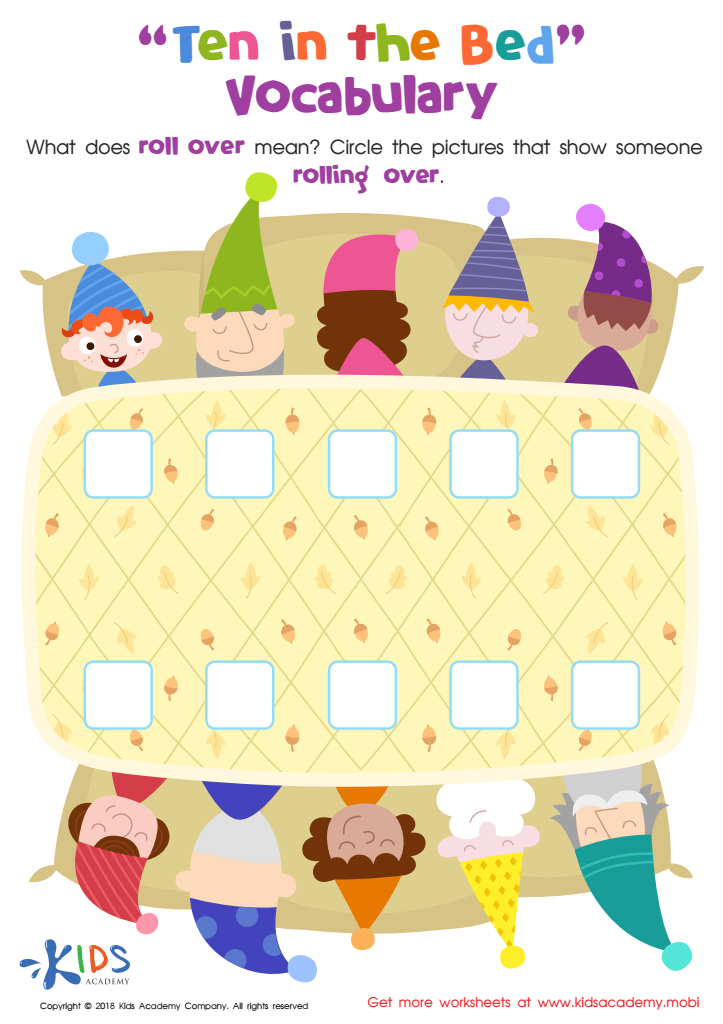
Ten in the Bed: Vocabulary Worksheet
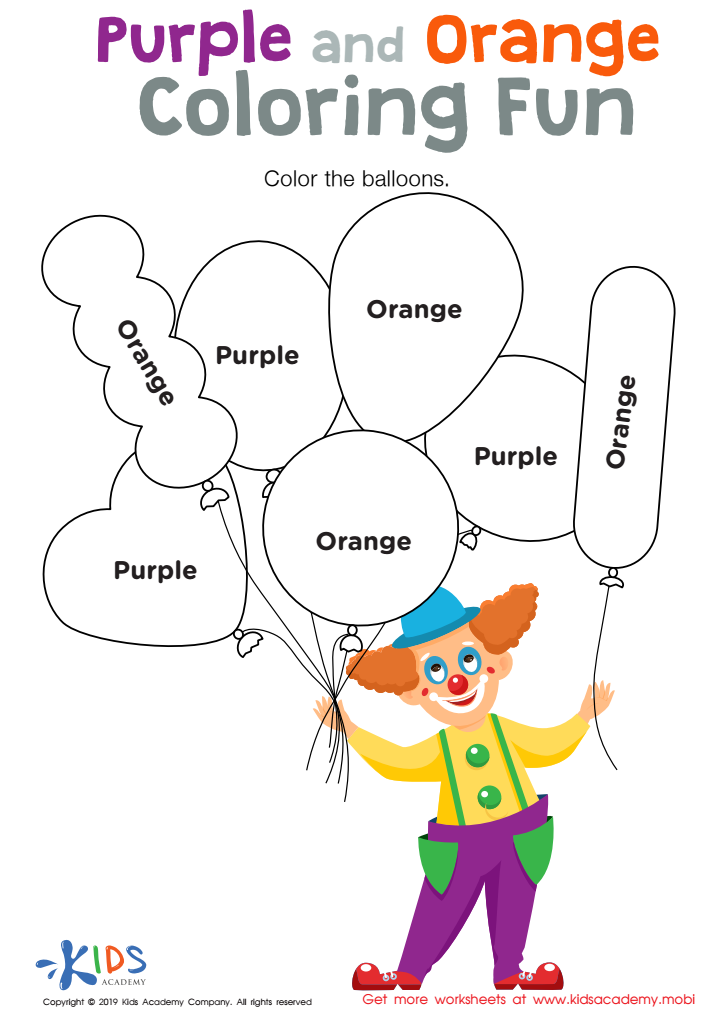
Purple and Orange Coloring Fun Worksheet
Assign to My Students
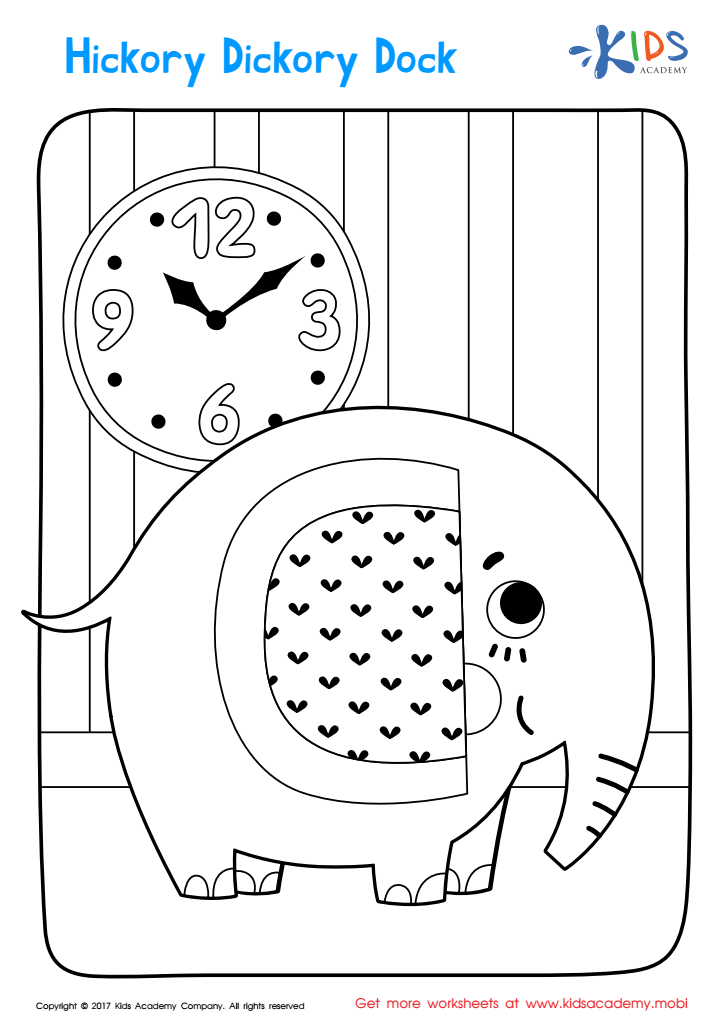
Hickory Dickory Dock Coloring Page
Assign to My Students
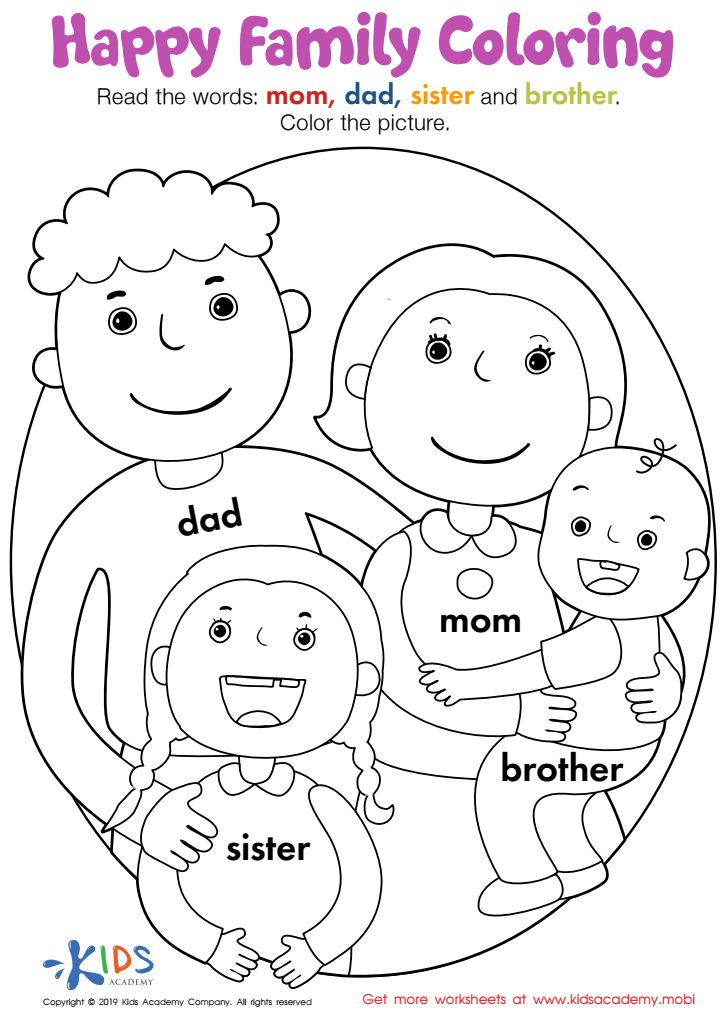
Happy Family Coloring Worksheet
Assign to My Students





.jpg)


Fine motor skills are essential for early childhood development, particularly for children aged 4-5. These skills involve the coordination of small muscles in the hands and fingers, crucial for tasks like writing, drawing, and manipulating small objects. Parents and teachers should care about nurturing these abilities because they play a foundational role in a child's overall growth, confidence, and academic success.
Children with well-developed fine motor skills can better engage in early literacy activities. For instance, easy reading materials that require grasping, turning pages, or point to words help enhance hand-eye coordination, promoting independent reading. Engaging with books also stimulates a child's imagination, vocabulary, and comprehension skills.
Moreover, fine motor skills contribute to a child's ability to participate in classroom activities and everyday tasks, boosting self-esteem. Mastery of these skills can lead to greater enthusiasm for learning and increased participation in classroom discussions.
Finally, focusing on fine motor skills prepares children for more complex school tasks in the future, such as math and art. Investing time in easy reading and related activities creates a solid foundation that will benefit children throughout their educational journey and everyday life. This holistic approach to development truly shapes lifelong learners.