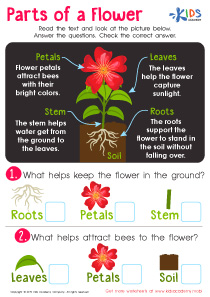
Sequencing Skills Easy Reading Fiction Worksheets for Ages 4-5
3 filtered results
-
From - To
Introduce your preschoolers to the world of storytelling with our Sequencing Skills Easy Reading Fiction Worksheets for Ages 4-5. Designed specifically to enhance young learners’ understanding of narrative order, these fun, engaging activities help children grasp the concept of beginning, middle, and end in stories. Each worksheet guides kids through simple, captivating tales, encouraging them to arrange events in the correct sequence, boosting comprehension and retention. Perfect for early readers, these printables are an excellent tool for developing essential reading and thinking skills, ensuring a solid foundation for future literacy success. Start your child on their reading journey today!
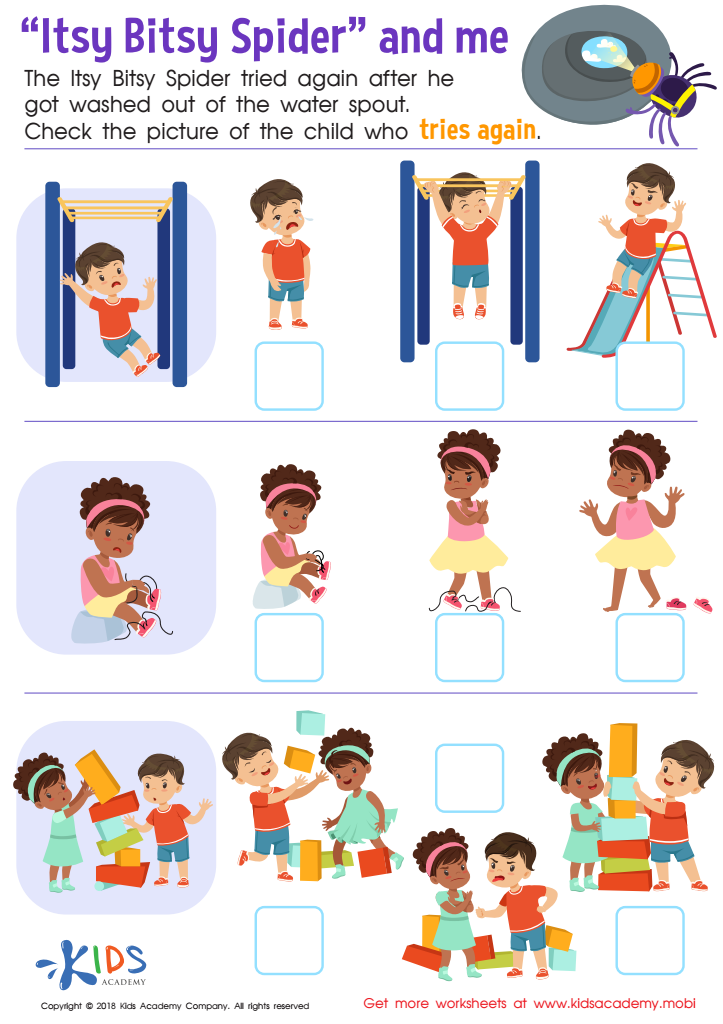
Itsy Bitsy Spider and Me Worksheet
 Assign to My Students
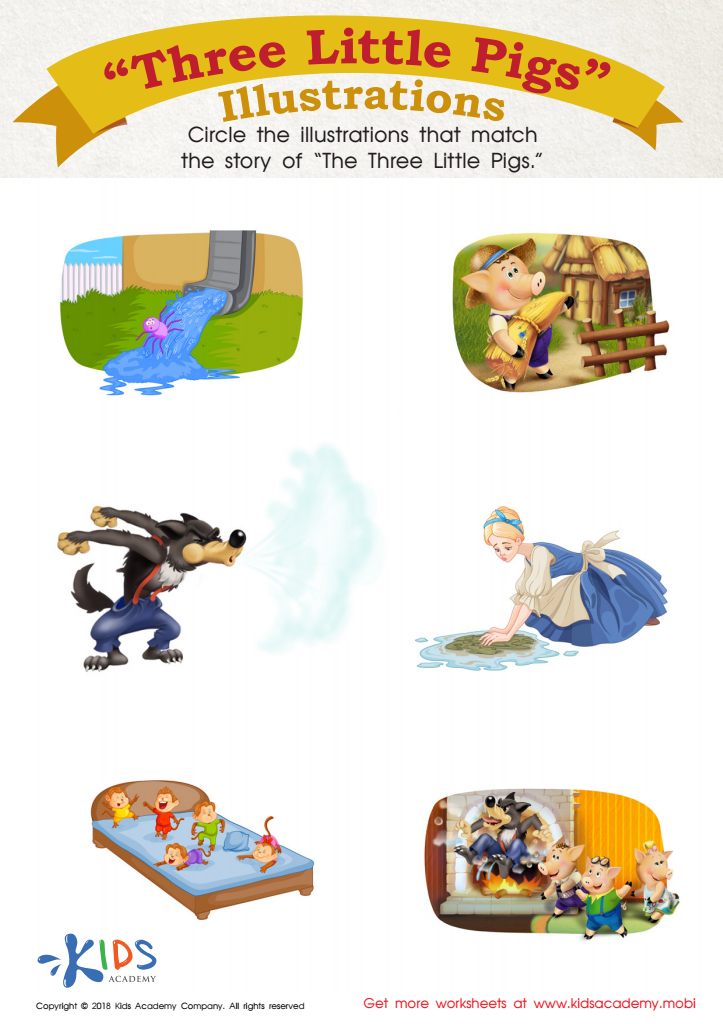
Three Little Pigs: Illustrations Worksheet
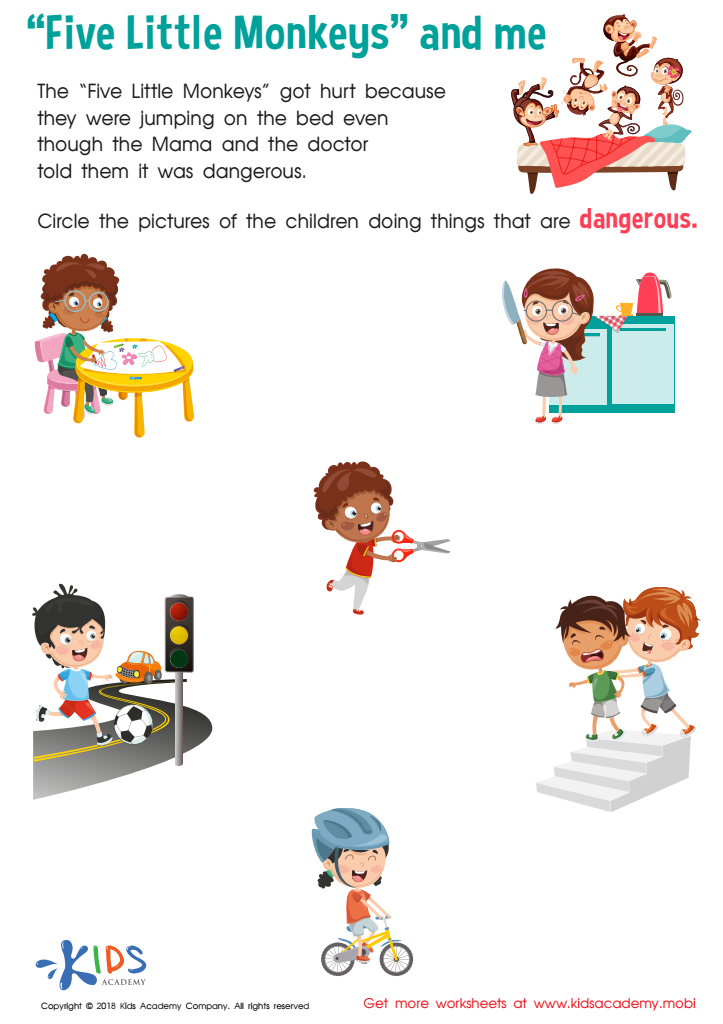
Five Little Monkeys and Me Worksheet








Sequencing skills are fundamental for young children's cognitive and linguistic development. At ages 4-5, children are at a crucial stage for building foundational skills that will support their reading comprehension and overall learning. Easy Reading Fiction tailored for this age group presents simple, engaging stories that help children understand the concept of sequencing—recognizing the order of events and how they relate to each other.
For parents and teachers, nurturing sequencing skills through age-appropriate fiction is essential because it enhances a child's ability to predict "what happens next," an important step in reading comprehension. Stories with clear sequences foster logical reasoning, helping children grasp cause and effect, storyline coherence, and chronological order. These abilities are not only crucial for reading but also for everyday life as children begin to follow instructions, understand routines, and communicate clearly.
Additionally, engaging with easy fiction boosts children's enthusiasm for reading. It encourages them to participate, ask questions, and retell stories, which reinforces their memory and verbal expression. As sequencing skills grow, so does their confidence in their learning abilities, setting a strong foundation for more complex literacy skills. Therefore, parents and teachers should prioritize helping young learners with sequencing skills through fun, relatable, and easy-reading fiction.