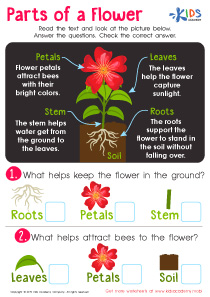
Story sequencing Easy Reading Fiction Worksheets for Ages 4-5
3 filtered results
-
From - To
Enhance early reading skills with our Story Sequencing Easy Reading Fiction Worksheets, tailored for ages 4-5. These engaging, colorful worksheets help young learners understand narrative structure by arranging events in the correct sequence. By practicing story sequencing, children improve their comprehension, critical thinking, and recall abilities. Each worksheet features age-appropriate, fun stories that keep kids captivated as they learn to identify beginnings, middles, and ends. Perfect for parents and educators, these printable resources support foundational reading skills, setting the stage for future literacy success. Download now at Kids Academy and turn learning into a fun adventure!
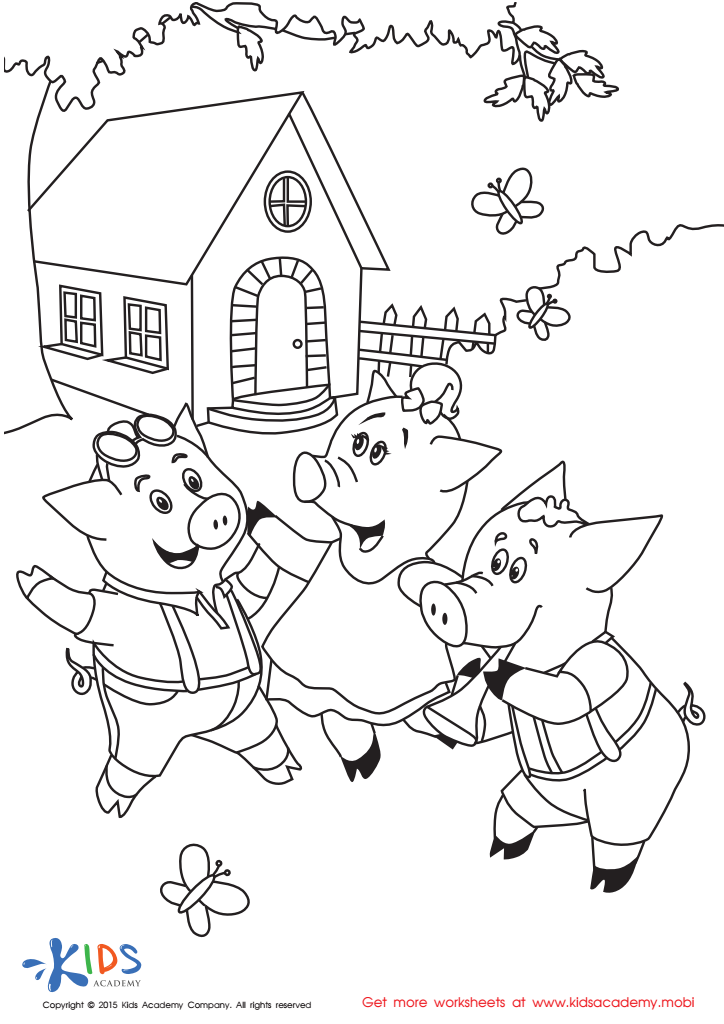
Folktales Printable PDF Worksheet: The 3 Little Pigs
 Assign to My Students
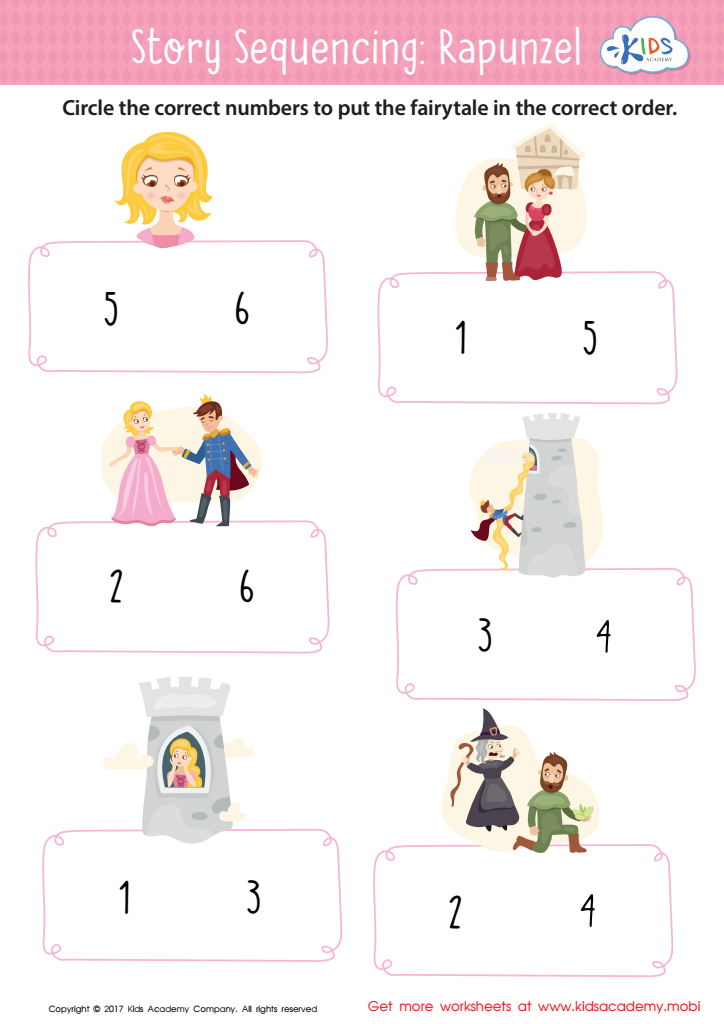
Rapunzel Story Sequencing Worksheet
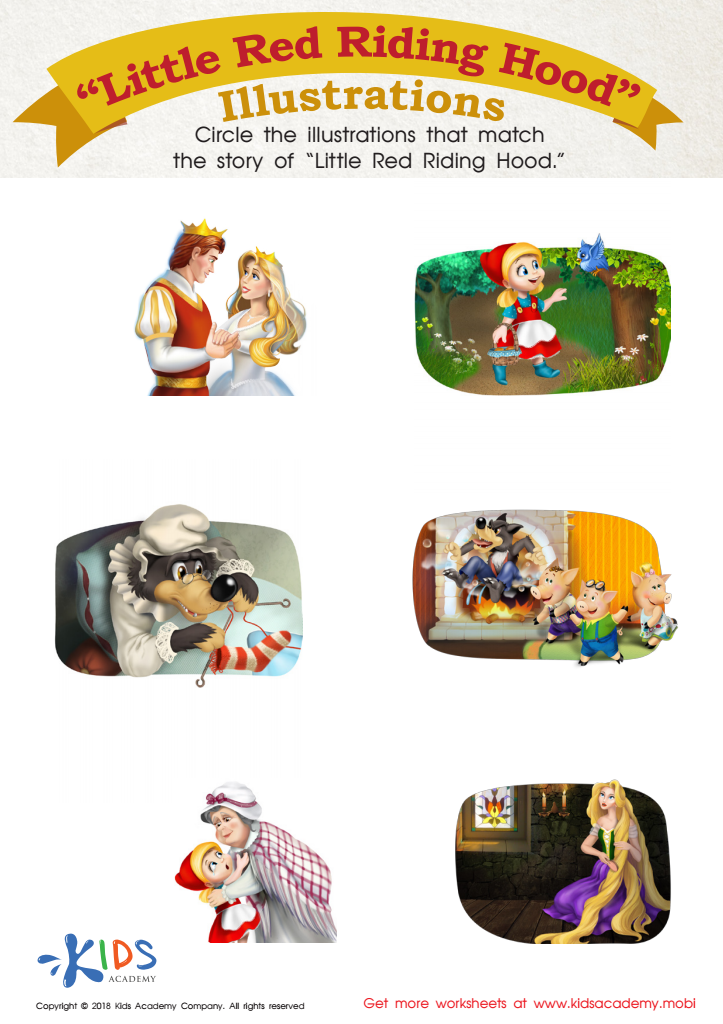
Little Red Riding Hood: Illustrations Worksheet








Parents and teachers should prioritize story sequencing for young children, as it plays a crucial role in their cognitive and language development. At ages 4-5, children are in a critical phase of building their fundamental literacy skills. Engaging in story sequencing activities helps them understand the structure of stories, including the beginning, middle, and end, thereby improving comprehension. When children can sequence stories, they also enhance their recall abilities, which are key for future learning and information retention.
Additionally, understanding the order of events in a story helps young children develop logical thinking and reasoning skills. By learning to predict what happens next, children are also honing their inferencing abilities and critical thinking. These early literacy activities promote vocabulary expansion as children discuss and describe events and characters, laying the groundwork for strong verbal and written communication skills later on.
Moreover, story sequencing can foster a love of reading from an early age. When children can make sense of stories and see how they unfold, they find the reading process more enjoyable and engaging. This enjoyment can lead to a lifelong appreciation for reading, essential for their academic success and personal growth. Therefore, incorporating story sequencing in early education is indispensable for nurturing well-rounded, literate individuals.