Alphabet Recognition Easy Alphabet Worksheets for Ages 4-6
9 filtered results
-
From - To
Help your child recognize and learn the alphabet with our "Alphabet Recognition Easy Alphabet Worksheets" designed for ages 4-6. Perfect for early learners, these worksheets make the learning process fun and engaging. Each page features colorful and interactive activities that promote letter recognition, phonemic awareness, and fine motor skills. With simple and clear instructions, your child can practice identifying and writing letters at their own pace. Parents and teachers can use these resources to support their little ones as they embark on their educational journey, ensuring a solid foundation for future reading and writing success.
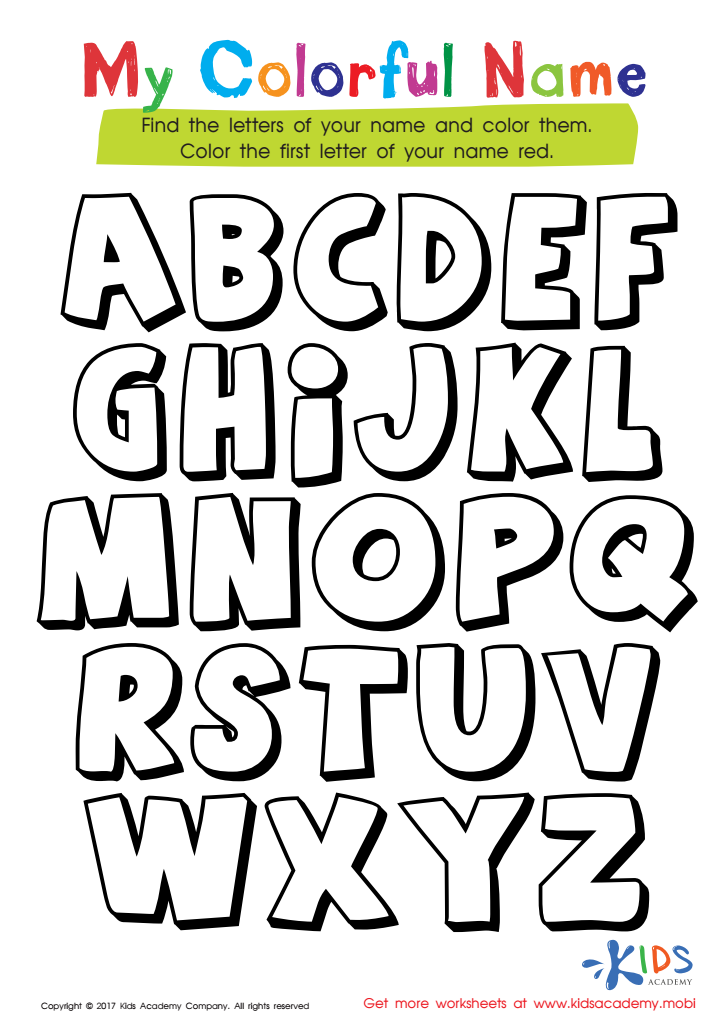
My Colorful Name Worksheet
 Assign to My Students
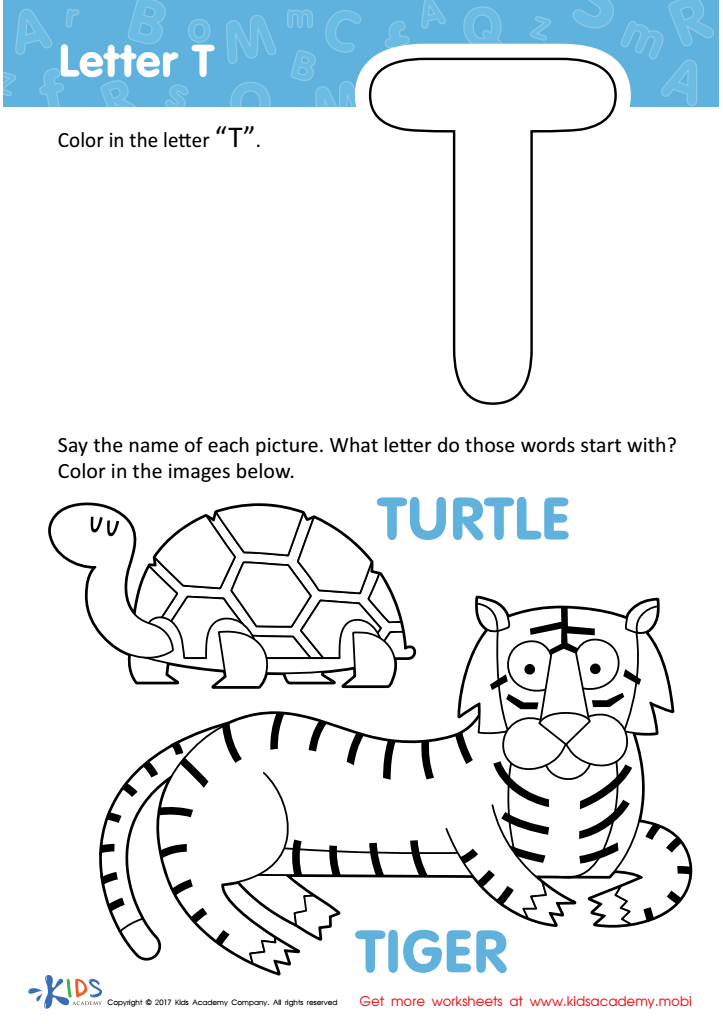
Letter T Coloring Sheet
Assign to My Students
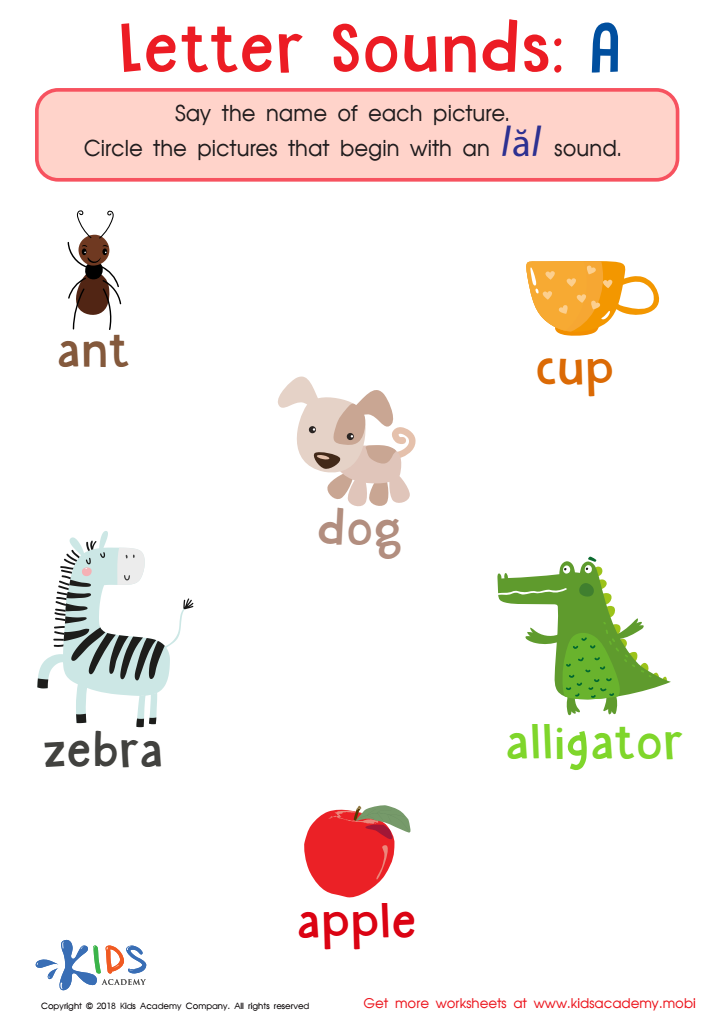
Letter A Sounds Worksheet
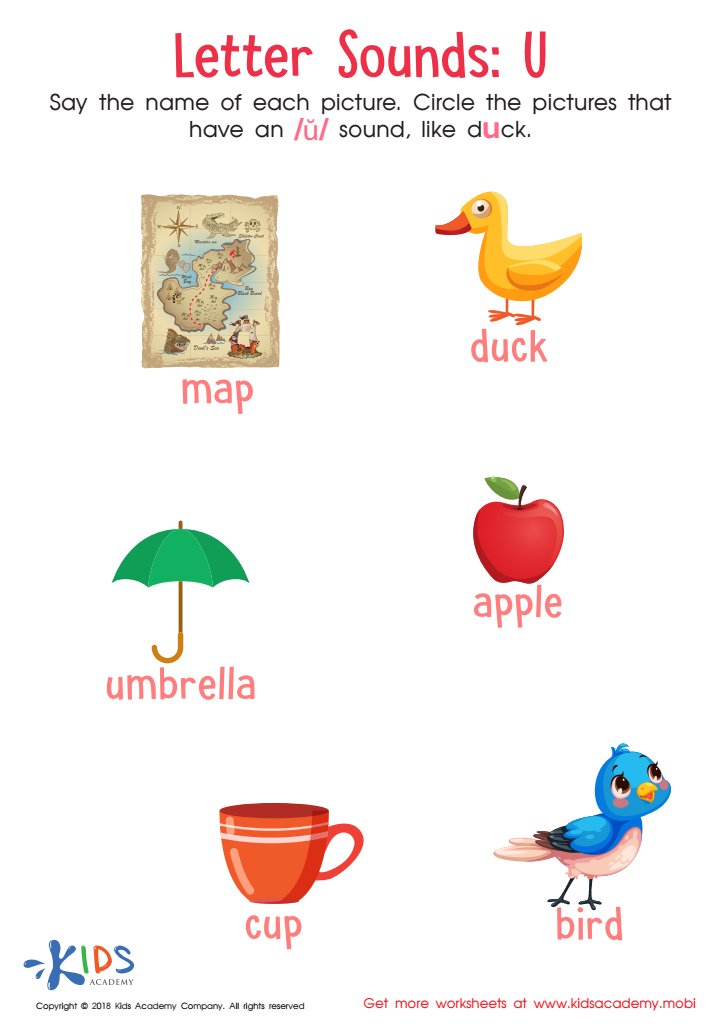
Letter U Sounds Worksheet
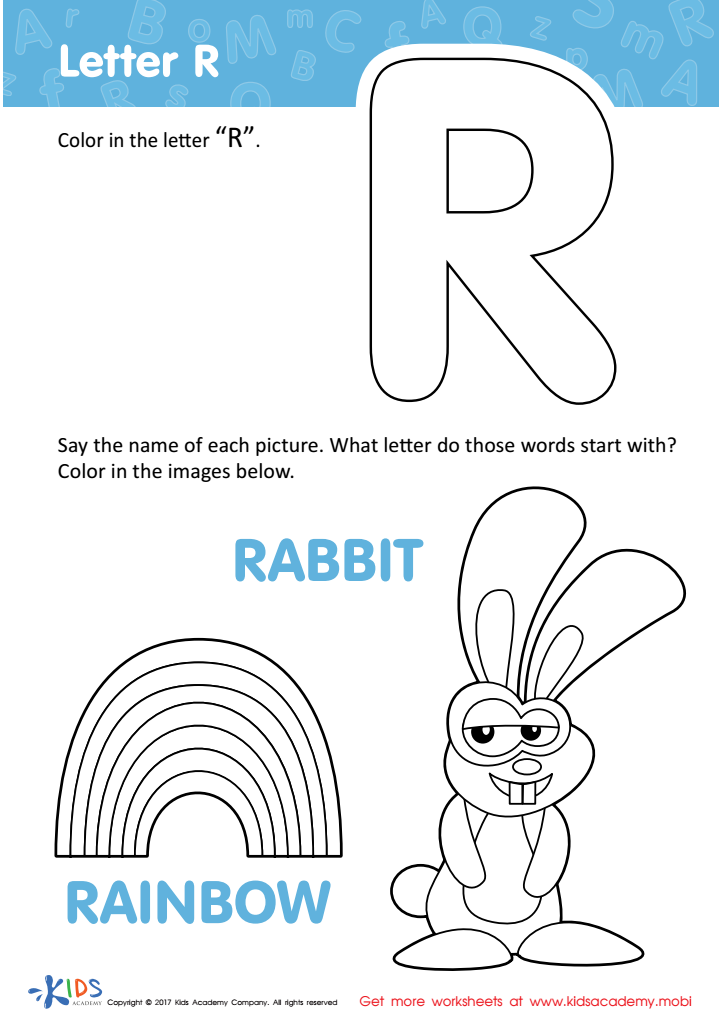
Letter R Coloring Sheet
Assign to My Students
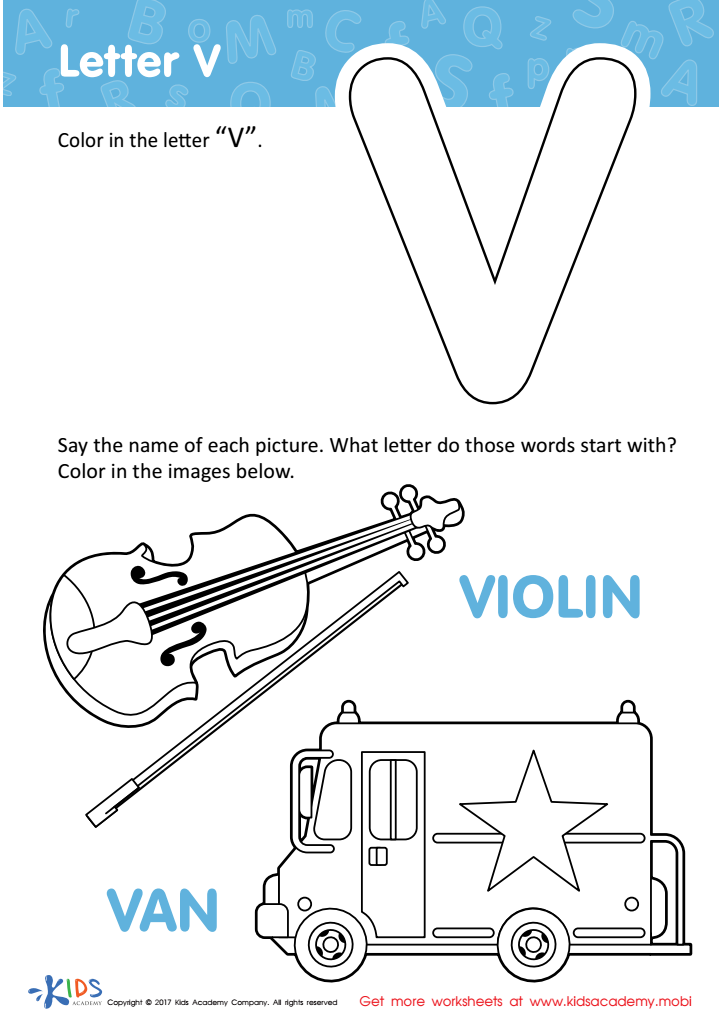
Letter V Coloring Sheet
Assign to My Students
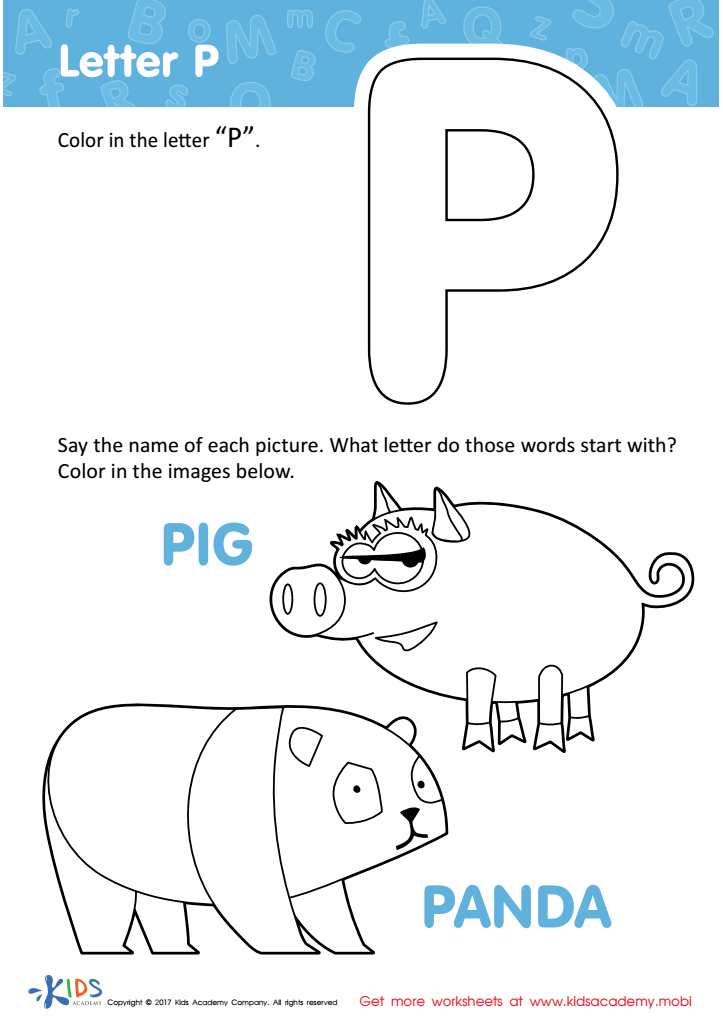
Letter P Coloring Sheet
Assign to My Students
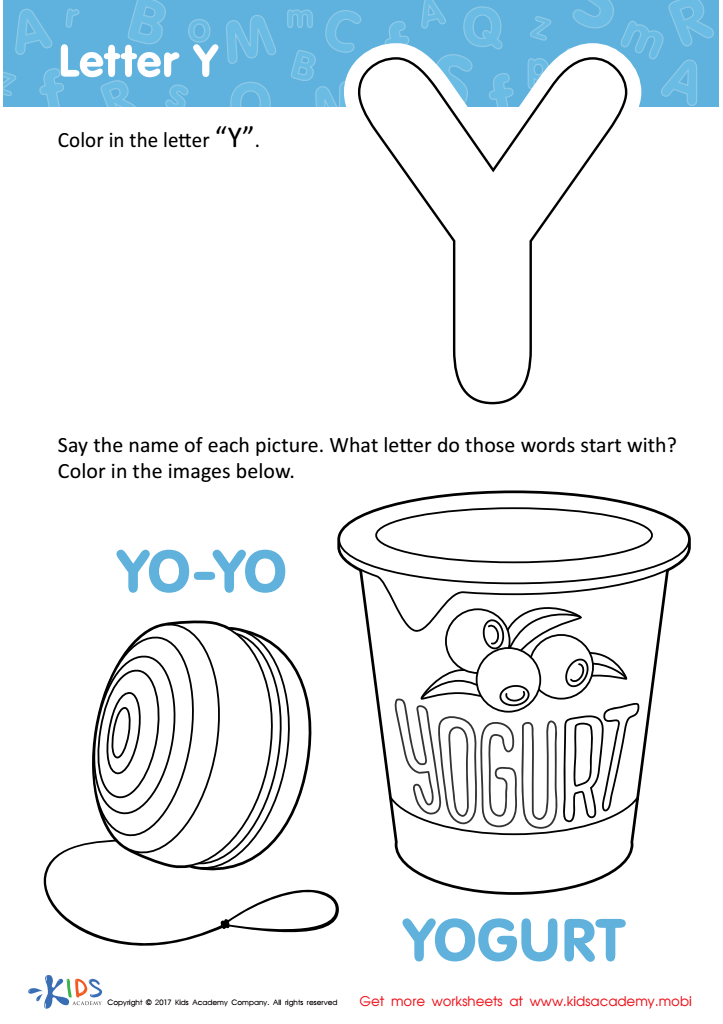
Letter Y Coloring Sheet
Assign to My Students
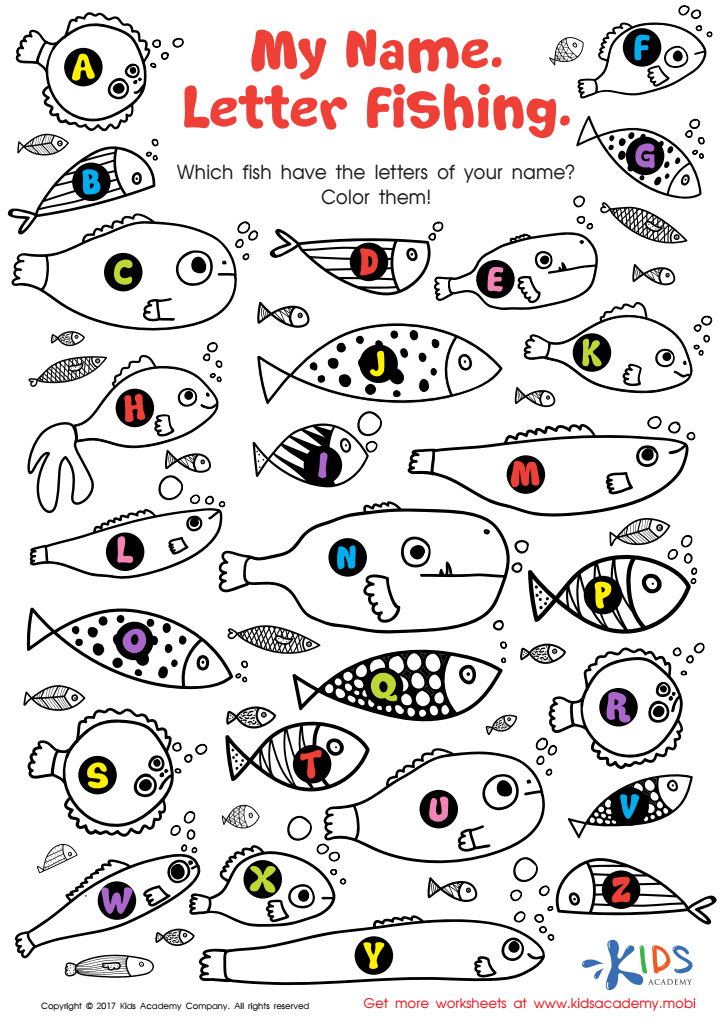
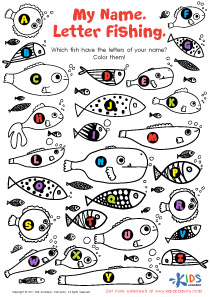
My Name: Letter Fishing Worksheet
Assign to My Students







Alphabet recognition serves as a foundational skill crucial for young learners aged 4-6. It acts as the building block upon which reading and writing are built, playing a vital role in early literacy development. Engaging with Alphabet Recognition Easy Alphabet can offer significant benefits and is something parents and teachers should prioritize.
Firstly, alphabet recognition helps children become familiar with the visual shape of each letter, both in uppercase and lowercase forms, laying the groundwork for phonemic awareness. When children can identify letters quickly and confidently, they are better prepared to understand that letters represent sounds, a key skill for sounding out words.
Secondly, an easy and engaging approach, such as Alphabet Recognition Easy Alphabet, makes learning playful and enjoyable for young minds. Interactive methods, bright visuals, and fun activities can grab children's attention more effectively, promoting a more profound and long-lasting understanding of the alphabet.
Lastly, the period between ages 4-6 is pivotal for cognitive and language development. Introducing alphabet recognition at this stage supports not only academic skills but boosts confidence and enthusiasm for learning. Parents and teachers who invest time in ensuring children master letter recognition create a solid educational foundation, facilitating smoother transitions into more complex literacy skills like reading comprehension and writing.