Fine Motor Skills Easy Worksheets for Ages 4-6 - Page 4
73 filtered results
-
From - To
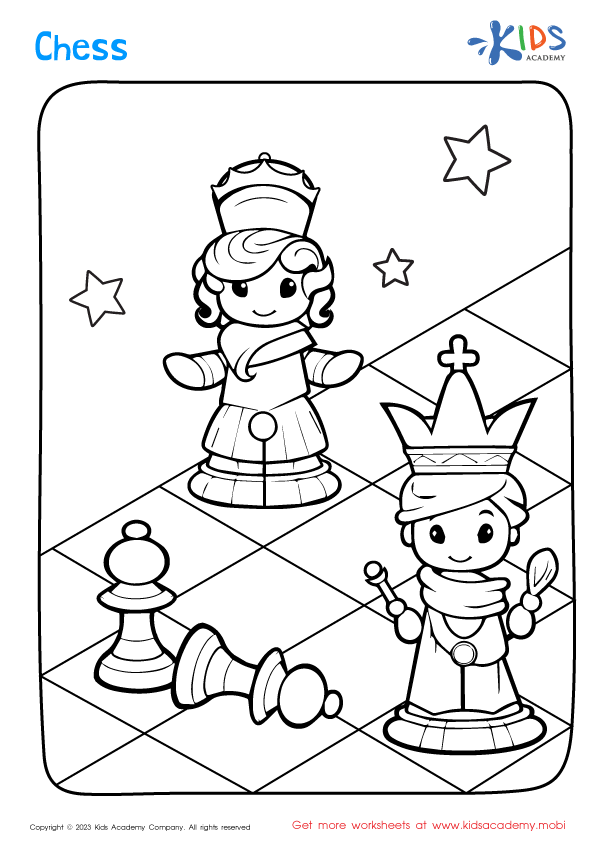








Fine motor skills are crucial for young children's development, particularly between the ages of 4 and 6. During this stage, children refine their ability to use small muscles in their hands and fingers, which aids in tasks like writing, drawing, cutting, and buttoning clothes.
Parents and teachers should care about fine motor skills because they are fundamental to a child’s independence and learning. Proficient fine motor skills correlate with academic success, particularly in literacy and math, as writing and manipulating objects are core skills in these areas. Additionally, fine motor skills contribute to a child's ability to engage in activities with peers, promoting social development and collaboration.
Encouraging activities that foster these skills, such as puzzles, building blocks, or crafting, not only enhances dexterity but also boosts confidence as children achieve new milestones. Investing effort in developing fine motor skills supports overall cognitive development and prepares children for the structured learning environments of elementary school. Therefore, both parents and teachers play a vital role in integrating fun, engaging, and educational activities that support fine motor skill development during these formative years.








