Improving vocabulary Easy Worksheets for Ages 4-6
3 filtered results
-
From - To
Enhance your child’s vocabulary skills with our engaging easy worksheets designed for ages 4-6! These fun activities help youngsters learn new words in an interactive way, fostering language development and comprehension. With colorful illustrations and concise explanations, these worksheets keep children captivated while encouraging exploration of vocabulary through matching, fill-in-the-blanks, and word searches. Our resources are aligned with early learning standards, making them perfect for at-home learning or classroom use. Empower your little learners to express themselves clearly and confidently with our carefully crafted vocabulary worksheets and watch their language skills flourish! Start their journey towards a rich vocabulary today!
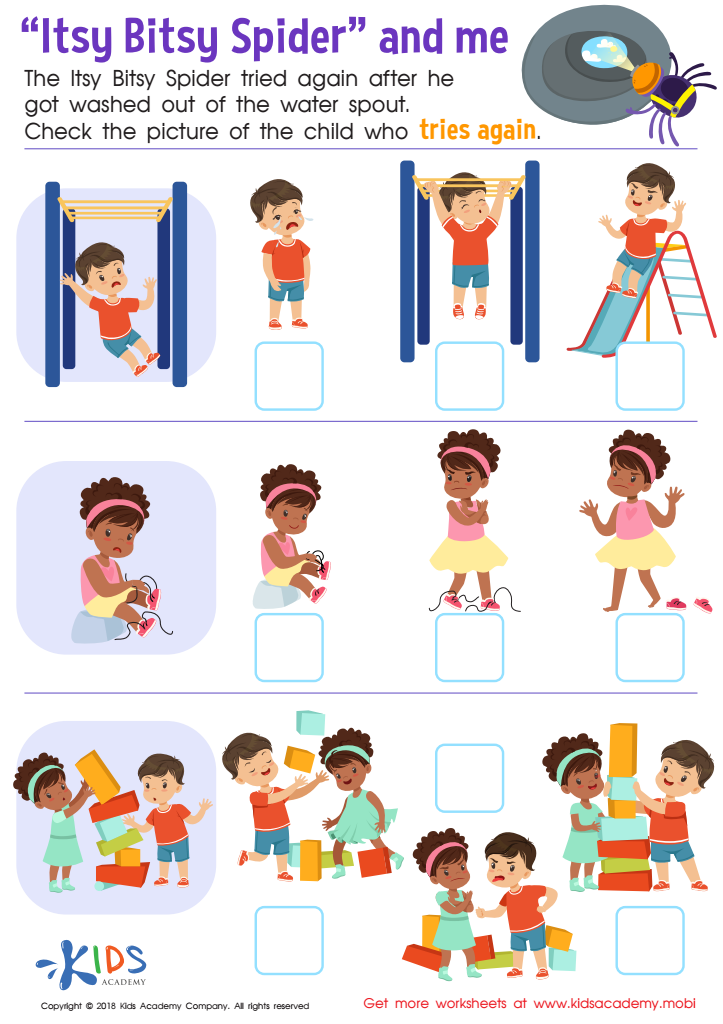
Itsy Bitsy Spider and Me Worksheet
 Assign to My Students
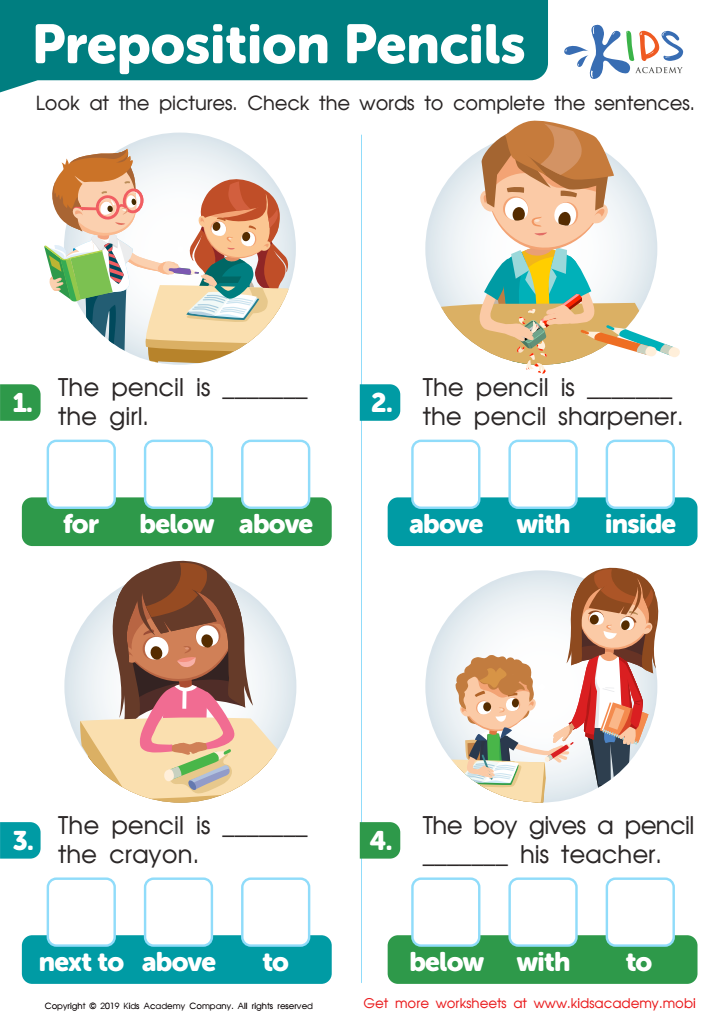
Preposition Pencils Worksheet
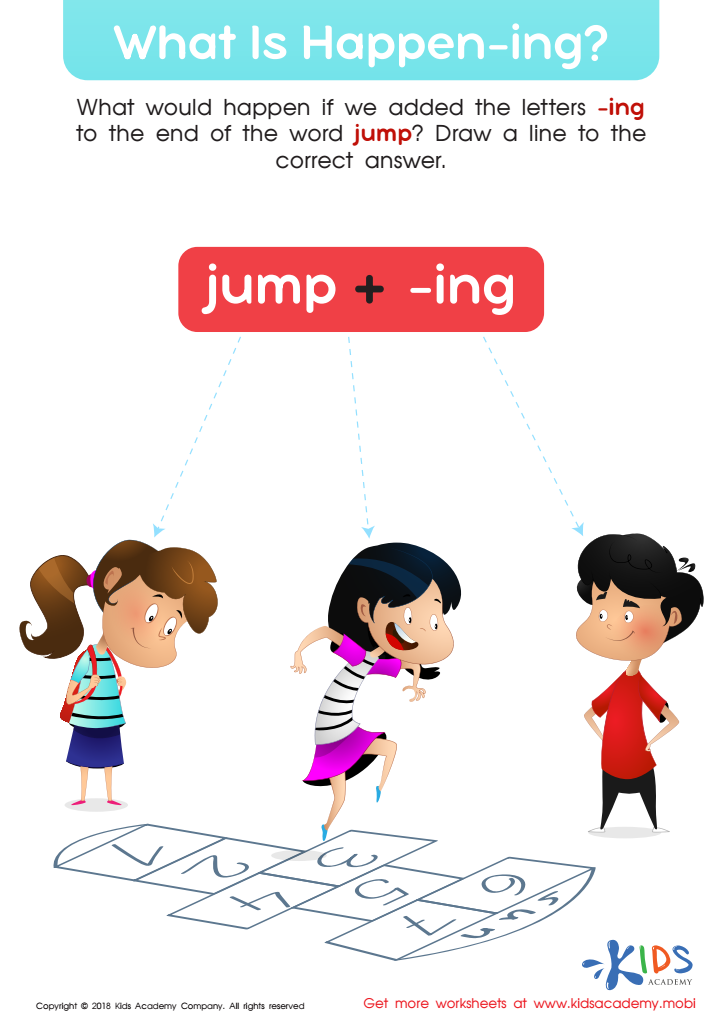
What Is Happen-Ing? Worksheet







.jpg)
Improving vocabulary in young children, especially those aged 4-6, is crucial for their development and future success. During these formative years, children's brains are like sponges, absorbing information quickly. A rich vocabulary enhances their ability to express thoughts and feelings clearly, fostering effective communication skills. This can boost their confidence in social situations and in classroom interactions, crucial for building positive relationships with peers and teachers.
Moreover, vocabulary development is closely linked to reading skills. Children with a robust vocabulary are more likely to understand and enjoy stories, laying the groundwork for a lifelong love of reading. This strong literacy foundation not only enhances academic performance but also nurtures critical thinking and problem-solving abilities as they engage with diverse texts.
Parents and teachers play vital roles in vocabulary enrichment through interactive activities, discussions, and exposure to new words. Engaging in conversations, storytelling, and playful word games can make learning enjoyable and impactful. Together, they help ignite curiosity, making words come alive for children. Ultimately, a strong vocabulary equips young learners with essential tools for successful communication, learning, and social interactions throughout their lives. Investing time in vocabulary development at this age can yield lifelong benefits.








