Reading practice Easy Worksheets for Ages 4-6
4 filtered results
-
From - To
Enhance your child's reading skills with our "Reading Practice Easy Worksheets" designed specifically for ages 4-6. These engaging worksheets include fun exercises tailored to develop essential literacy skills, including phonemic awareness, vocabulary expansion, and simple sentence comprehension. Each activity is crafted to be age-appropriate and encourages independent learning, making it easy for little ones to practice reading at their own pace. With colorful illustrations and interactive tasks, your child will uncover the joy of reading while reinforcing foundational concepts. Perfect for at-home practice or classroom use, our worksheets are a fantastic resource to nurture young readers and foster a lifelong love of literature!
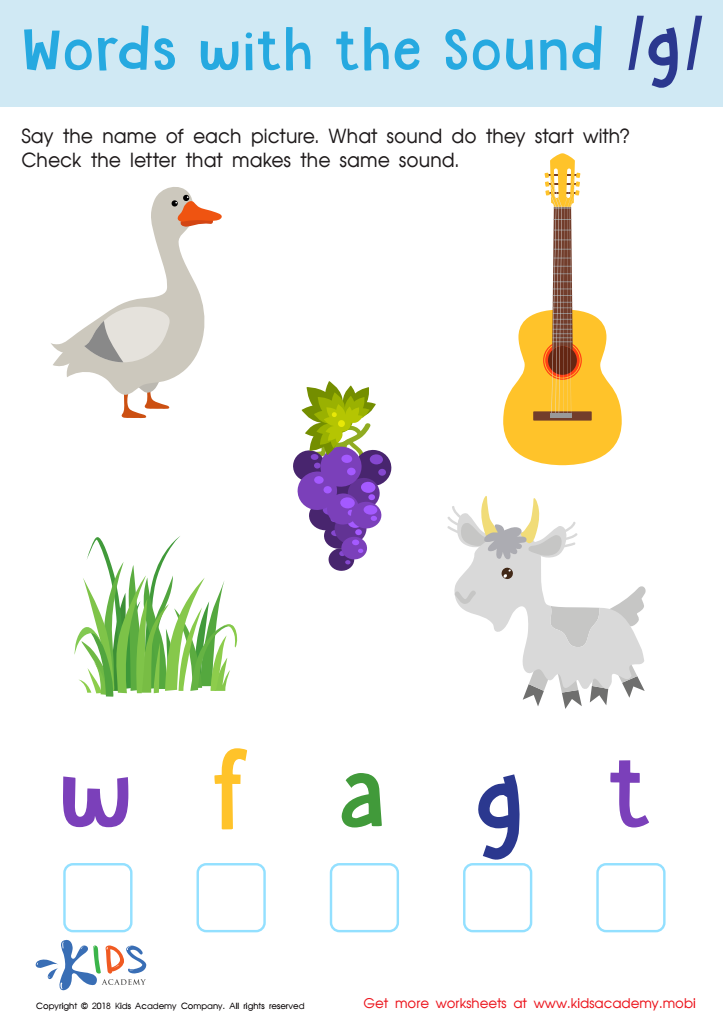
Words with sound g Reading Worksheet
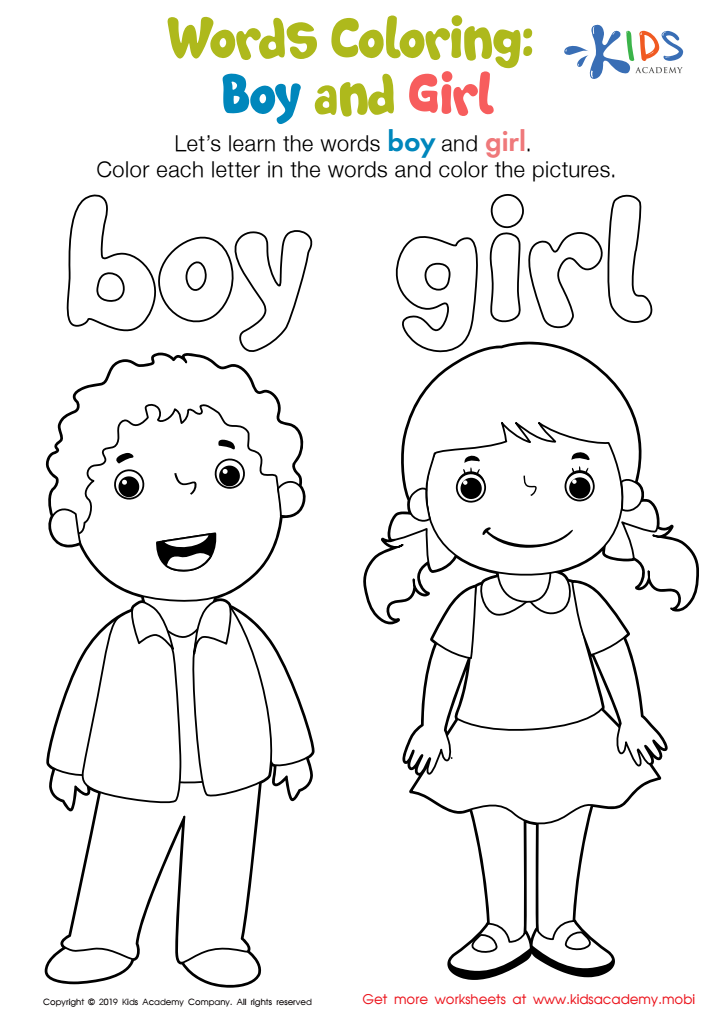
Boy and Girl Words Coloring Worksheet
 Assign to My Students

Nursery Rhymes: Twinkle Little Star Worksheet
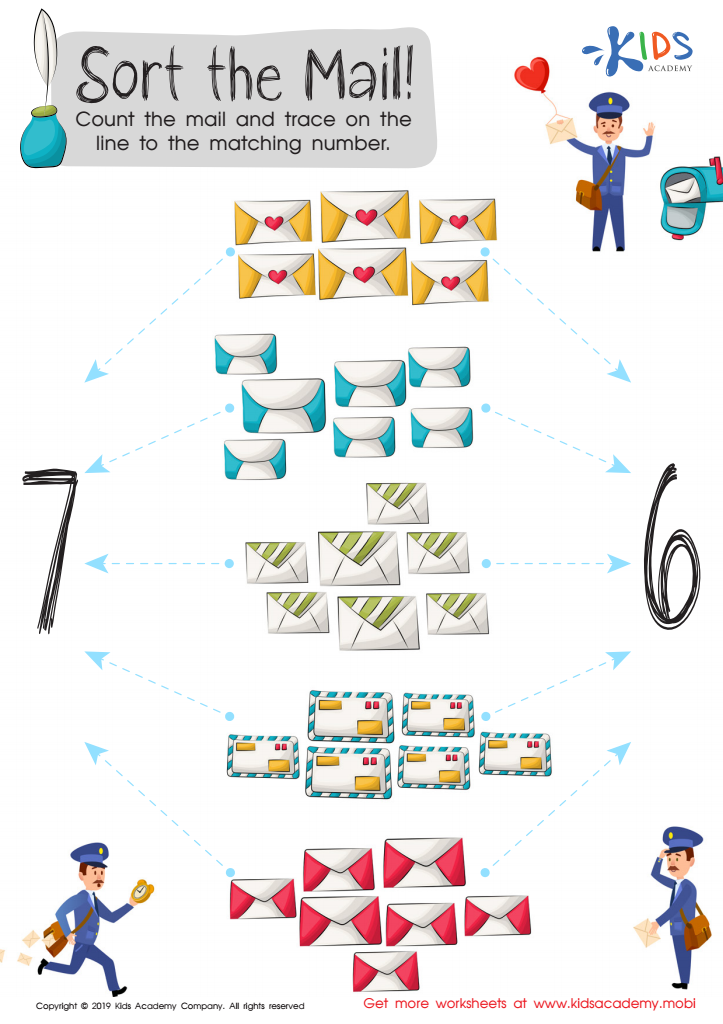
Sort the Mail Worksheet








Reading practice for children aged 4-6 is crucial for their cognitive and social development, laying the foundation for future learning. During this formative stage, children develop essential language skills, including vocabulary, comprehension, and phonemic awareness, which are important for their overall literacy. Engaging in regular reading strengthens their ability to recognize letters and sounds, fostering a love for reading that can last a lifetime.
For parents and teachers, prioritizing reading practice can enhance a child's educational experience. It opens doors to creativity and imagination, allowing children to explore new worlds and perspectives. Additionally, reading together promotes bonding time between adults and children, creating a nurturing environment that supports emotional well-being.
Moreover, consistent reading practice helps children develop critical thinking skills as they learn to analyze stories and anticipate plot developments. Early exposure to diverse literature can also foster empathy and cultural awareness, preparing children to navigate a diverse society.
Ultimately, when parents and teachers invest in reading practice during these early years, they set children on a path toward academic success and lifelong learning, ensuring that they are equipped with the skills needed to thrive in an increasingly complex world.








