Understanding Quantities Easy Worksheets for Ages 4-6
6 filtered results
-
From - To
Explore our "Understanding Quantities Easy Worksheets" designed specifically for children aged 4-6! These engaging and fun worksheets help young learners develop their number sense and grasp the concept of quantities. Through colorful illustrations and interactive exercises, children will explore counting objects, comparing amounts, and mastering basic math skills. Each worksheet is tailored to enhance visual recognition and cognitive understanding, making learning enjoyable. Perfect for parents and teachers, these resources offer a seamless way to reinforce math concepts at home or in the classroom. Dive into our collection today and watch your little ones thrive in their journey to mathematical confidence!
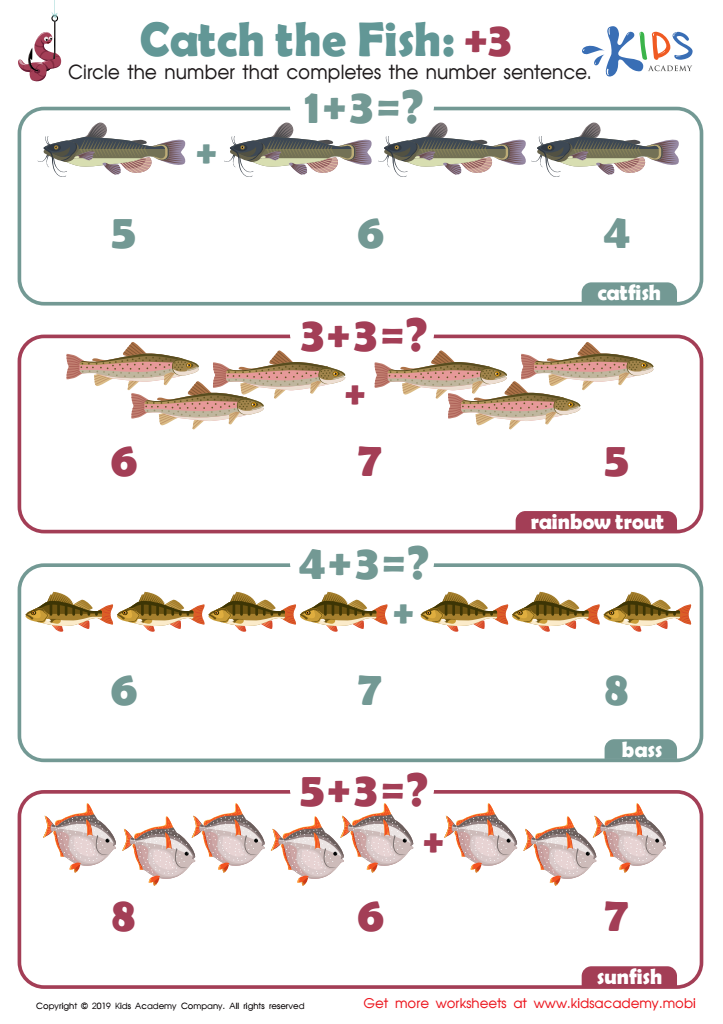
Catch the Fish: +3 Worksheet
 Assign to My Students
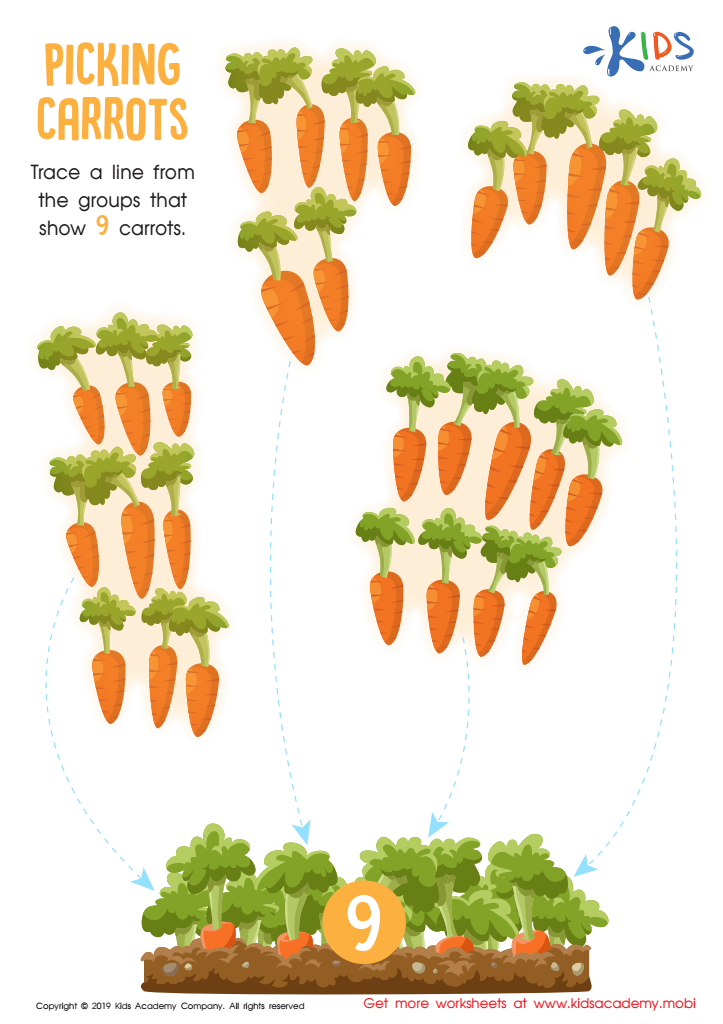
Picking Carrots Worksheet
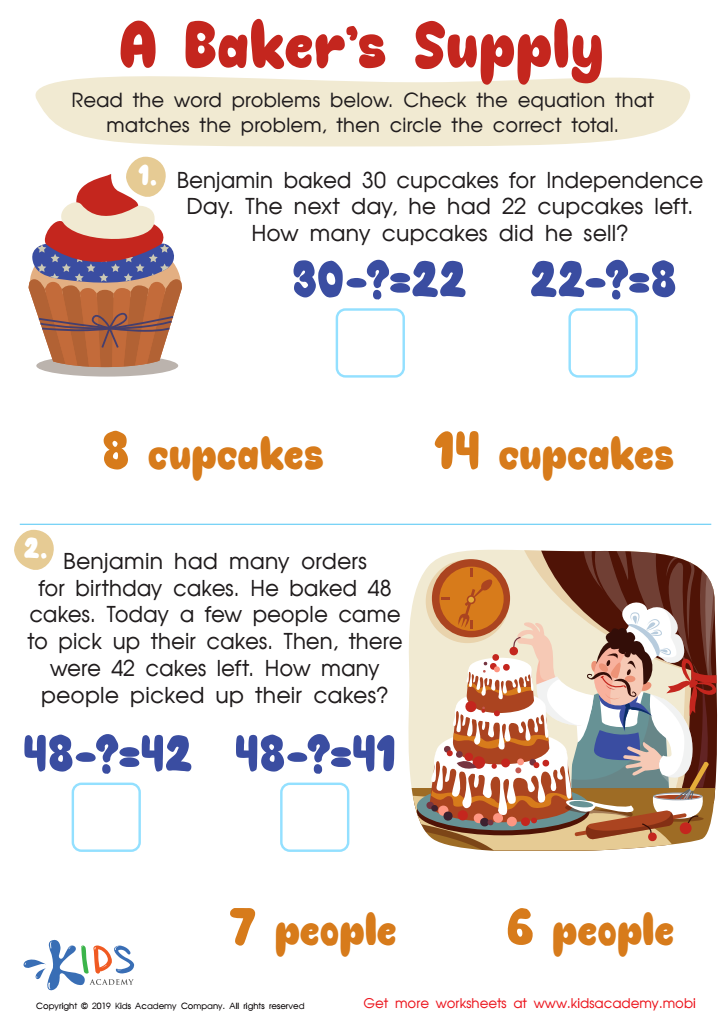
A Baker's Supply Worksheet
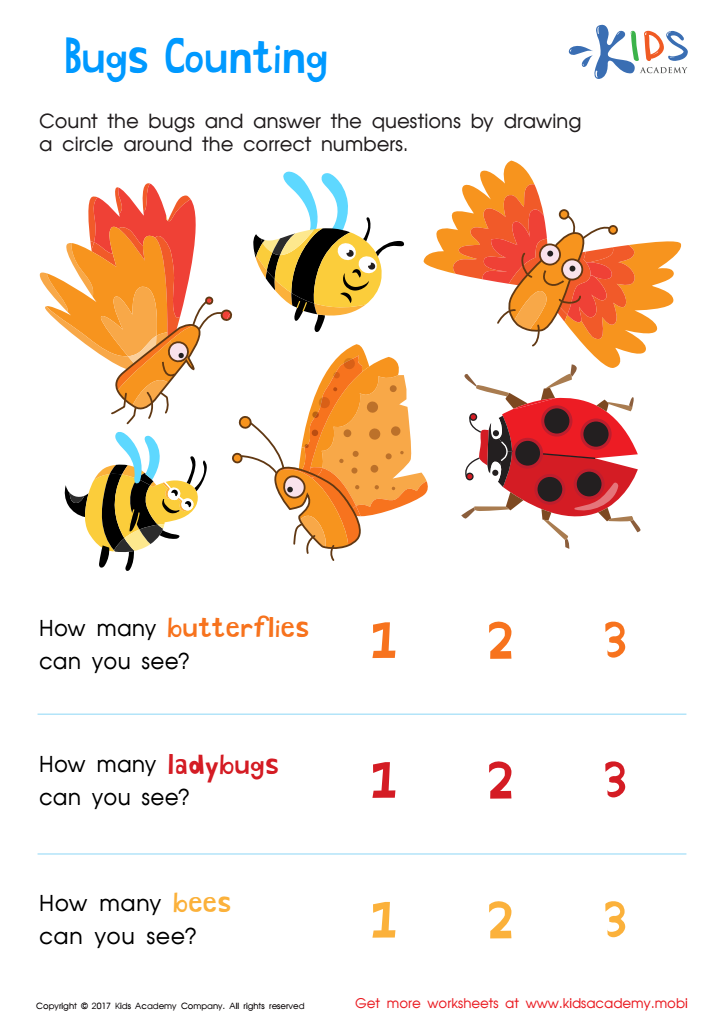
Bugs Counting Worksheet
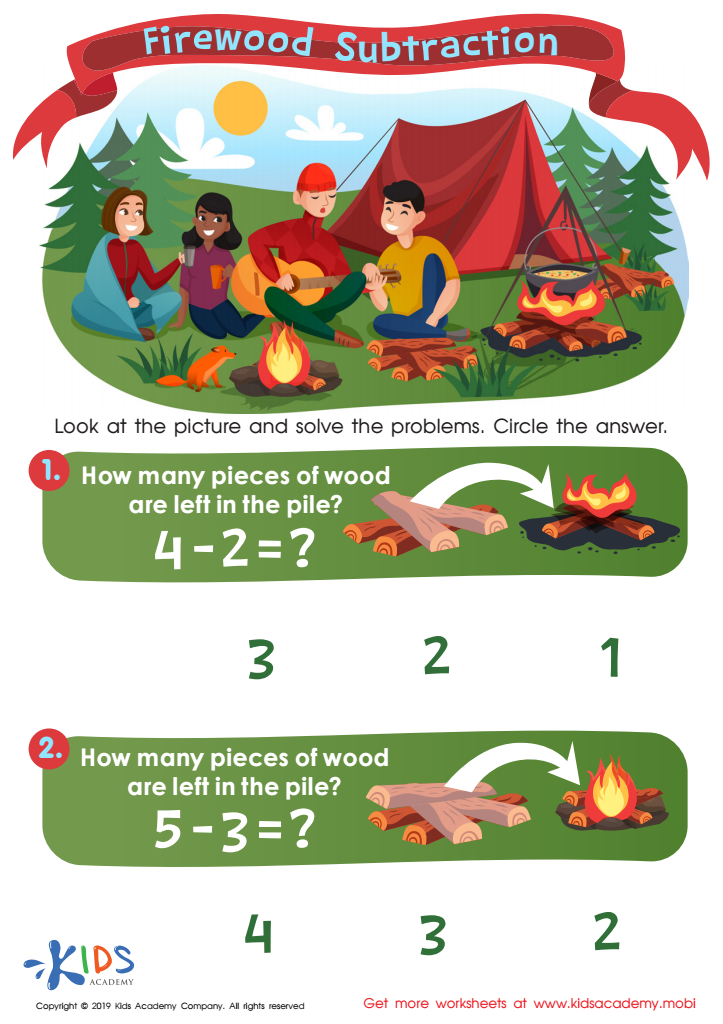
Firewood Subtraction Worksheet
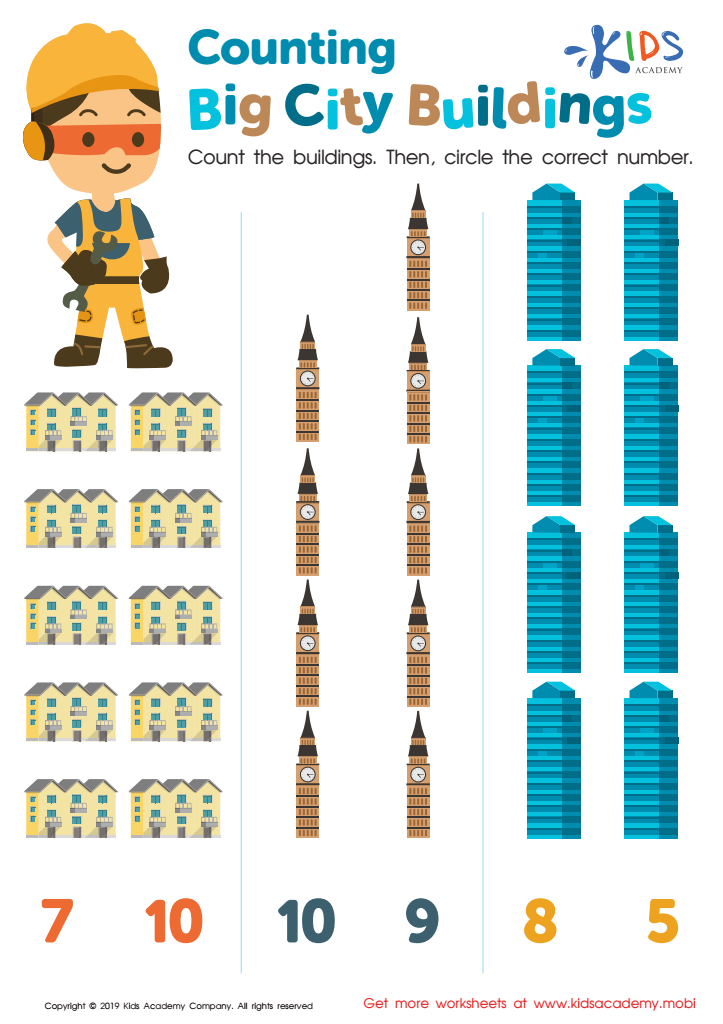
Counting Big City Buildings Worksheet




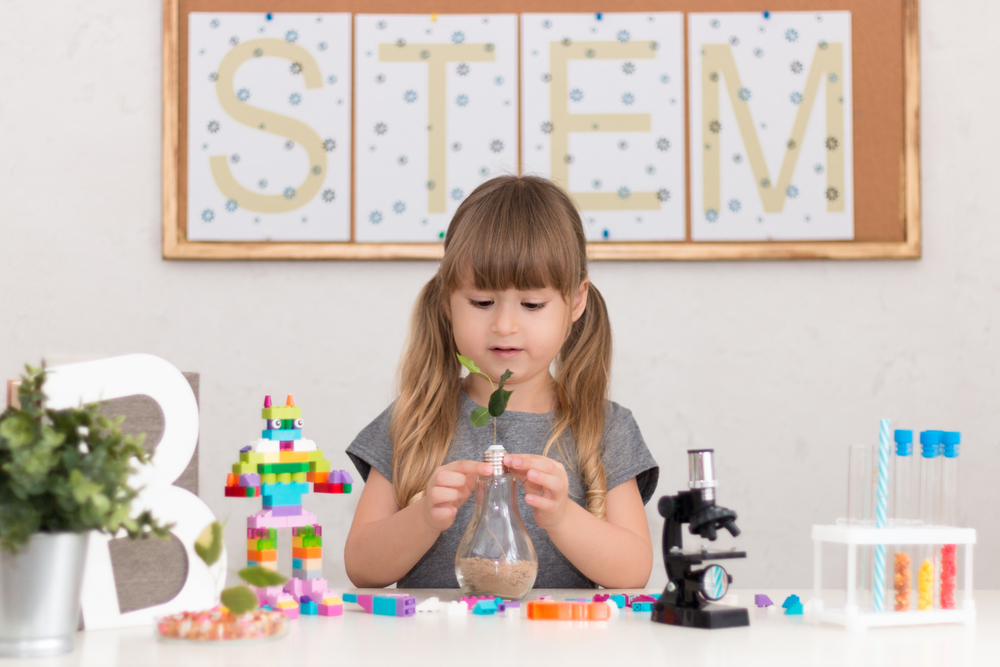

Understanding quantities is crucial for children aged 4-6 as it lays the foundational skills for math and critical thinking later in life. During these formative years, children are naturally curious and eager to explore the world around them. By grasping concepts of quantity, they develop essential skills such as counting, comparison, and basic arithmetic, which are vital for their academic success.
Parents and teachers play a crucial role in fostering this understanding. Engaging with quantities through interactive activities—like grouping objects, measuring ingredients for simple recipes, or using everyday scenarios such as sharing snacks—helps children make sense of numbers in a real-world context. This approach not only makes learning enjoyable but also enhances cognitive development.
Moreover, a strong foundation in understanding quantities boosts a child’s confidence and prepares them for more complex mathematical concepts in later grades. It also enhances problem-solving skills and logical thinking, which are applicable beyond mathematics and essential for everyday life. Ultimately, equipping children with these skills nurtures a lifelong positive attitude towards learning and the enjoyment of discovery, empowering them to become competent and confident individuals. Therefore, parents and teachers should prioritize teaching quantities during this vital developmental stage.








