Color recognition Easy Building Vocabulary Worksheets for Ages 4-6
6 filtered results
-
From - To
Welcome to our Color Recognition Easy Building Vocabulary Worksheets designed specifically for children aged 4-6! These engaging worksheets are perfect for young learners to enhance their language skills while exploring vibrant colors. Each printable activity encourages children to identify colors, name objects associated with them, and enrich their vocabulary through fun exercises. By incorporating colorful visuals and simple instructions, our resources foster an interactive learning experience that keeps kids excited about education. These worksheets not only teach color recognition but also build foundational vocabulary skills essential for early reading development. Download now to inspire your child's learning journey!
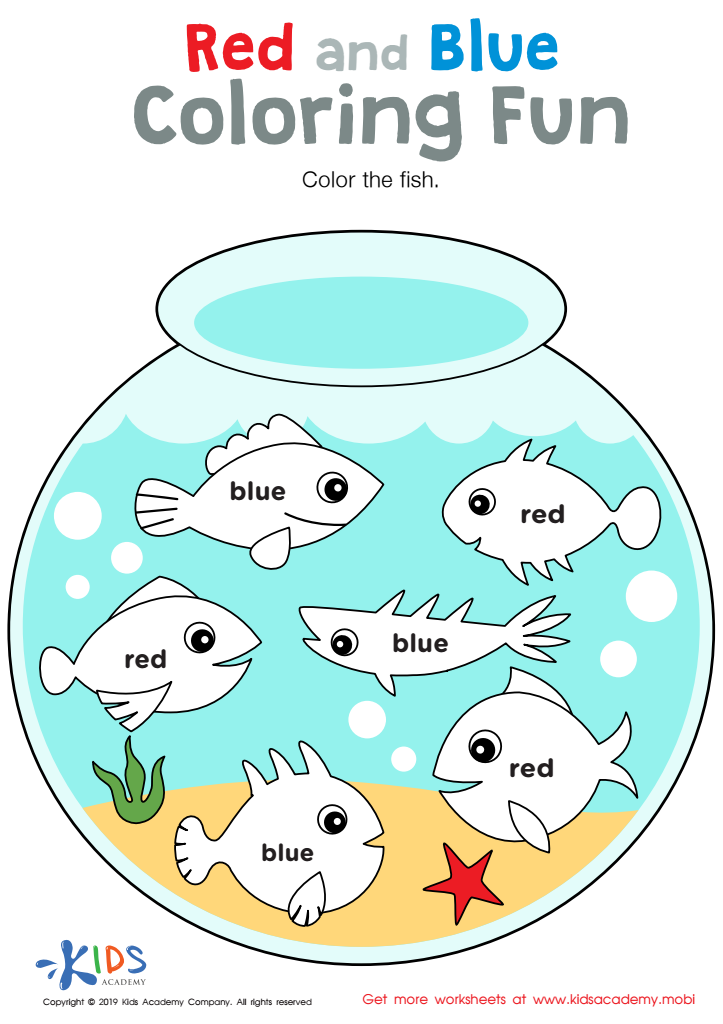
Red and Blue Coloring Fun Worksheet
 Assign to My Students











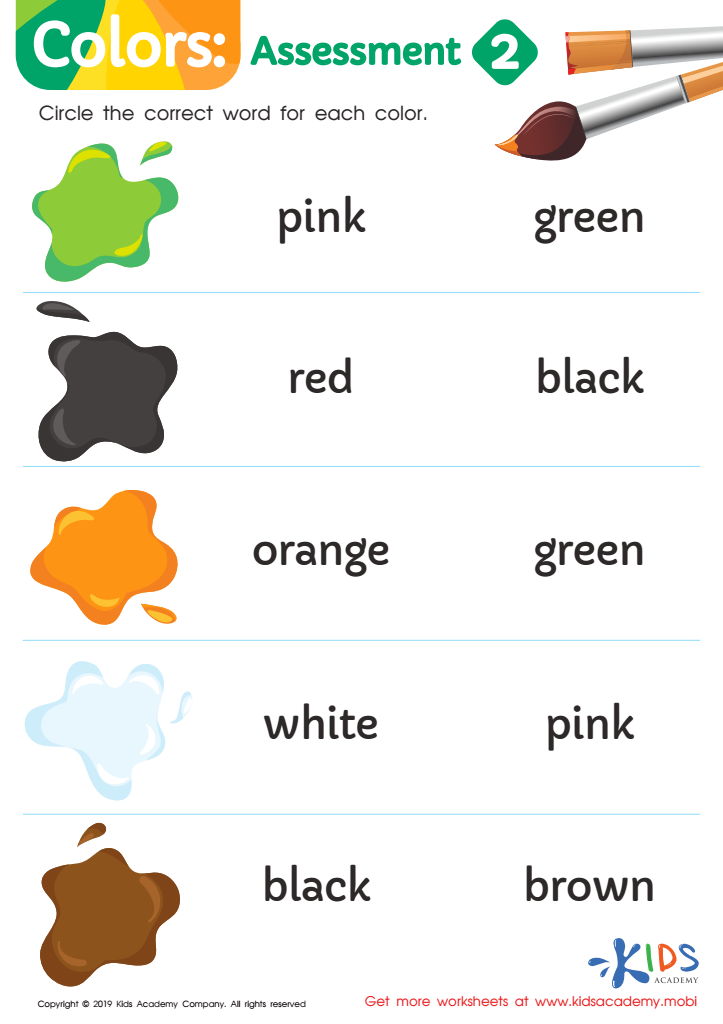
Colors: Assessment 2 Worksheet
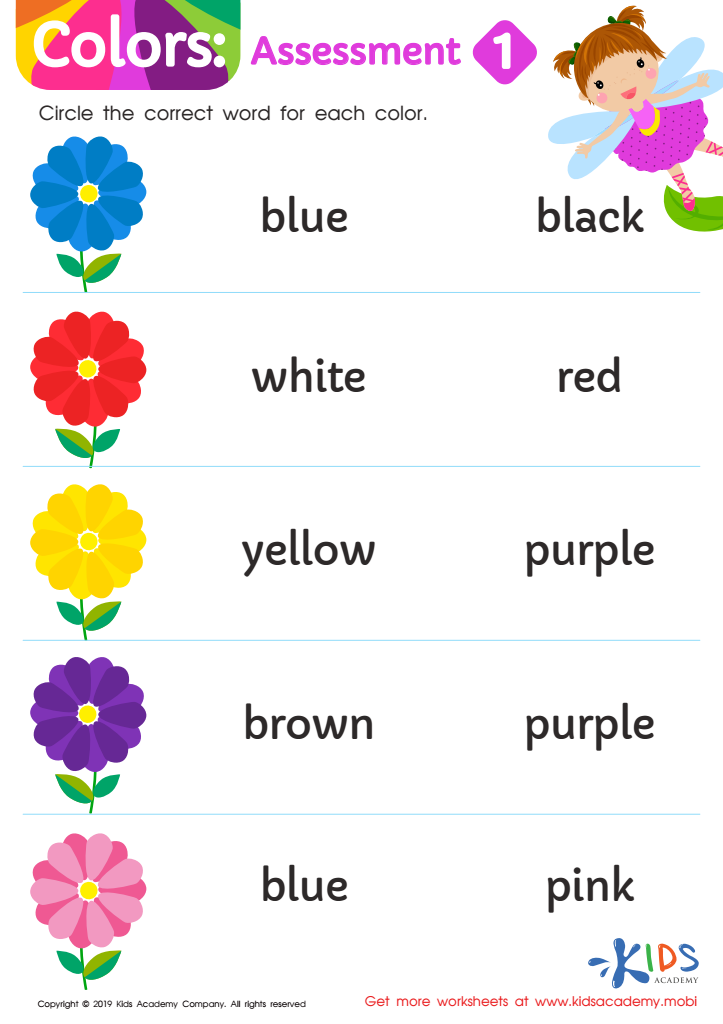
Colors: Assessment 1 Worksheet
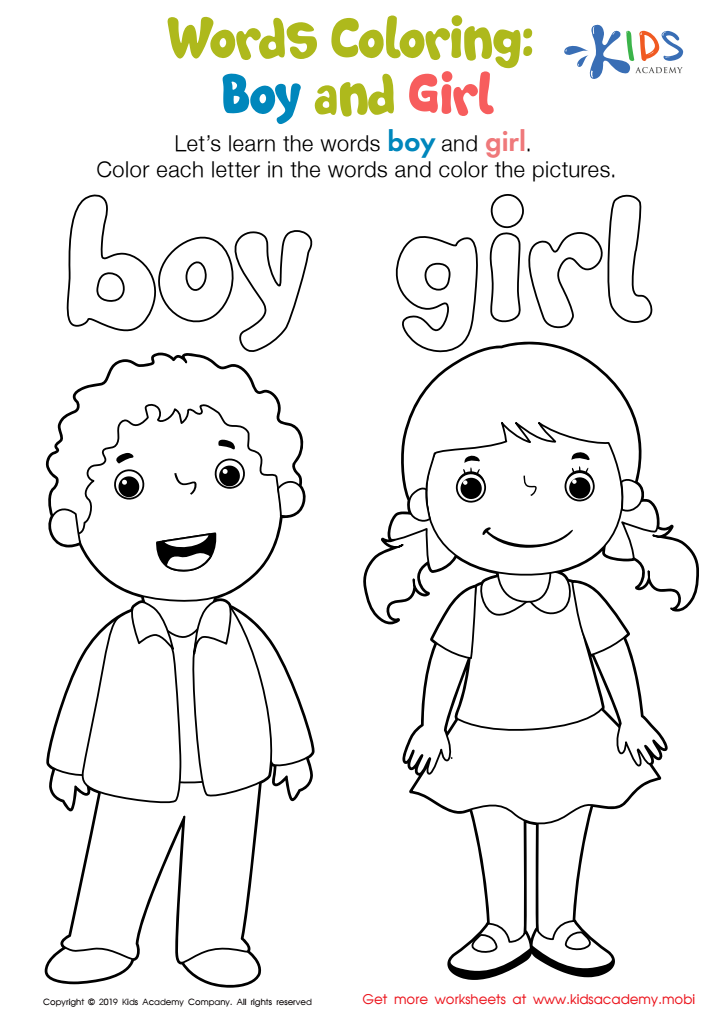
Boy and Girl Words Coloring Worksheet
Assign to My Students
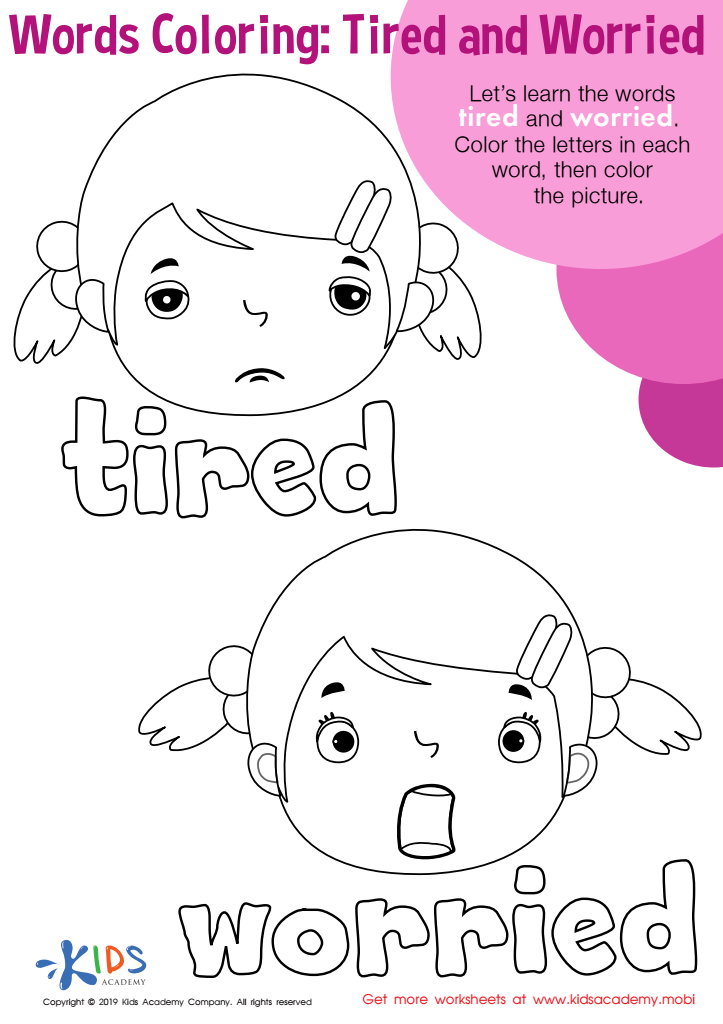
Tired and Worried Words Coloring Worksheet
Assign to My Students
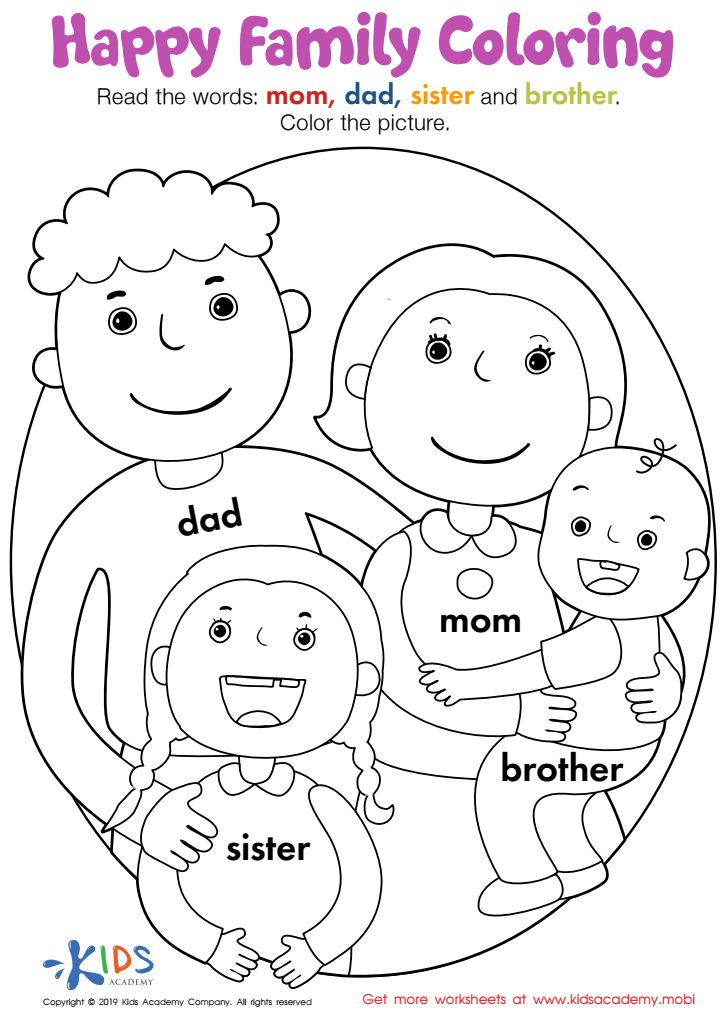
Happy Family Coloring Worksheet
Assign to My Students


.jpg)
.jpg)




Color recognition is an essential skill for children aged 4-6, significantly impacting their overall development and learning processes. Parents and teachers should prioritize this aspect of early education for several reasons.
Firstly, recognizing colors helps children develop critical cognitive skills. By identifying colors, children enhance their observational skills and memory, which are fundamental to later learning experiences. Color recognition also lays the groundwork for more complex concepts such as sorting, categorizing, and understanding patterns.
Secondly, language development is closely linked to color recognition. As children learn to name and describe colors, they are simultaneously building their vocabulary. This simple yet powerful expansion of language includes adopting new words and reinforcing communication skills essential for effective interactions.
Additionally, color recognition plays a role in emotional and social development. Colors are often used to express emotions, and understanding these connections can foster emotional intelligence.
Finally, incorporating color recognition activities can make learning enjoyable, engaging children’s natural curiosity and creativity. Ultimately, fostering color recognition leads to holistic development, empowering children in various learning areas and preparing them for future academic success.