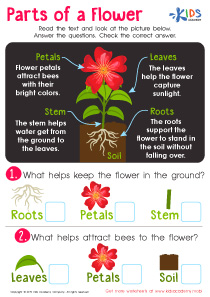
Story sequencing Easy Reading Fiction Worksheets for Ages 4-6
3 filtered results
-
From - To
Unlock your child's reading potential with our "Story Sequencing Easy Reading Fiction Worksheets for Ages 4-6". Designed specifically for early learners, these engaging worksheets help young readers develop crucial sequencing skills. Through fun activities, children will learn to order events logically, enhancing their comprehension and storytelling abilities. Easy-to-follow exercises featuring delightful characters make learning enjoyable and rewarding. Perfect for home or classroom use, our worksheets support foundational literacy skills, setting the stage for future reading success. Foster a love for reading and storytelling in your child with these expertly crafted, age-appropriate resources from Kids Academy!
Folktales Printable PDF Worksheet: The 3 Little Pigs
 Assign to My Students
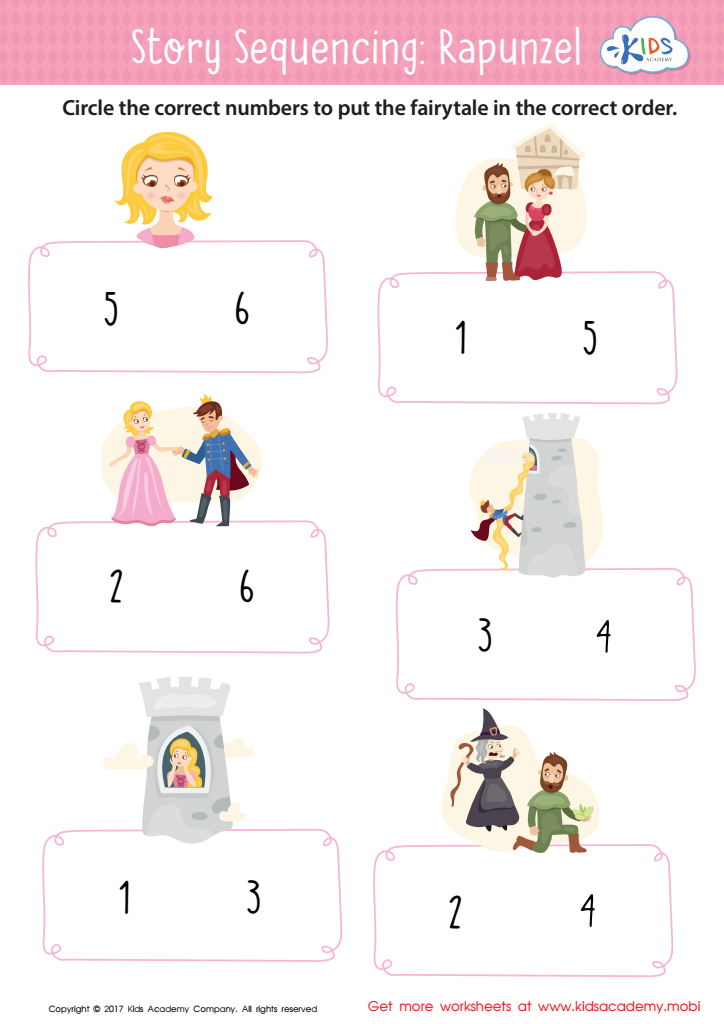
Rapunzel Story Sequencing Worksheet
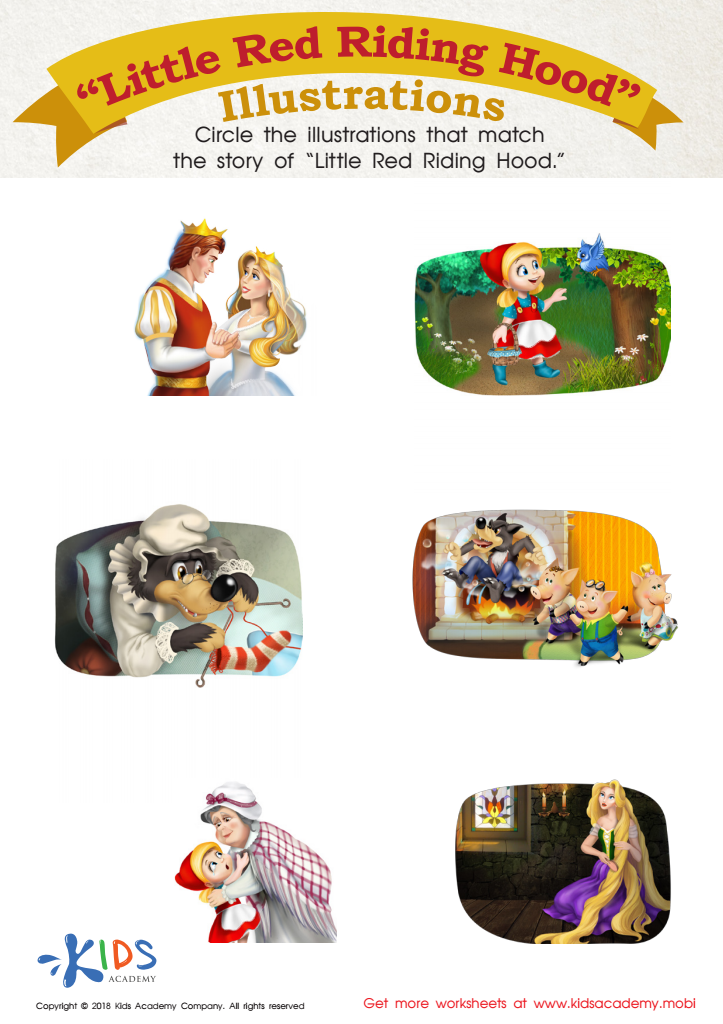
Little Red Riding Hood: Illustrations Worksheet








Story sequencing in easy reading fiction for children aged 4-6 is crucial for several developmental reasons. Firstly, it helps young minds understand the natural order of events, which is a foundational comprehension skill. When children grasp the beginning, middle, and end of a story, they are better equipped to follow and understand narratives, leading to improved reading comprehension.
Secondly, story sequencing cultivates critical thinking and problem-solving skills. By understanding how events are linked, children learn causality and the impact of characters’ actions within a story. This conditioning is fundamental in helping them make sense of real-life situations.
Thirdly, engaging in story sequencing activities can enhance a child's memory and attention to detail. Remembering the correct order of events requires focusing on specifics, which sharpens their capacity to retain information and strengthens memory recall.
Moreover, these activities can significantly boost language development and literacy. Sequencing exercises often involve discussions about the story, prompting children to use descriptive language, expand their vocabulary, and improve sentence structure.
Lastly, story sequencing fosters creativity and imagination. Children consider what might happen next or how a story could change with different events. Thus, engaging with story sequencing in age-appropriate fiction lays a comprehensive foundation that supports academic and cognitive growth while fostering a lifelong appreciation for reading.