Problem-Solving Skills Easy Science Worksheets for Ages 4-6
3 filtered results
-
From - To
Discover our engaging "Problem-Solving Skills Easy Science Worksheets" designed specifically for children aged 4 to 6! These fun and interactive worksheets help young learners develop critical thinking and reasoning abilities through enjoyable activities. Each worksheet encourages kids to ask questions, make predictions, and explore the world around them while fostering a love for science. Tailored to suit early grade learners, these resources support foundational problem-solving skills in an accessible format. Encourage creativity and analytical thinking as your little ones navigate challenges and discover solutions. Perfect for home or classroom use, these worksheets make learning science an exciting adventure!
 Assign to My Students
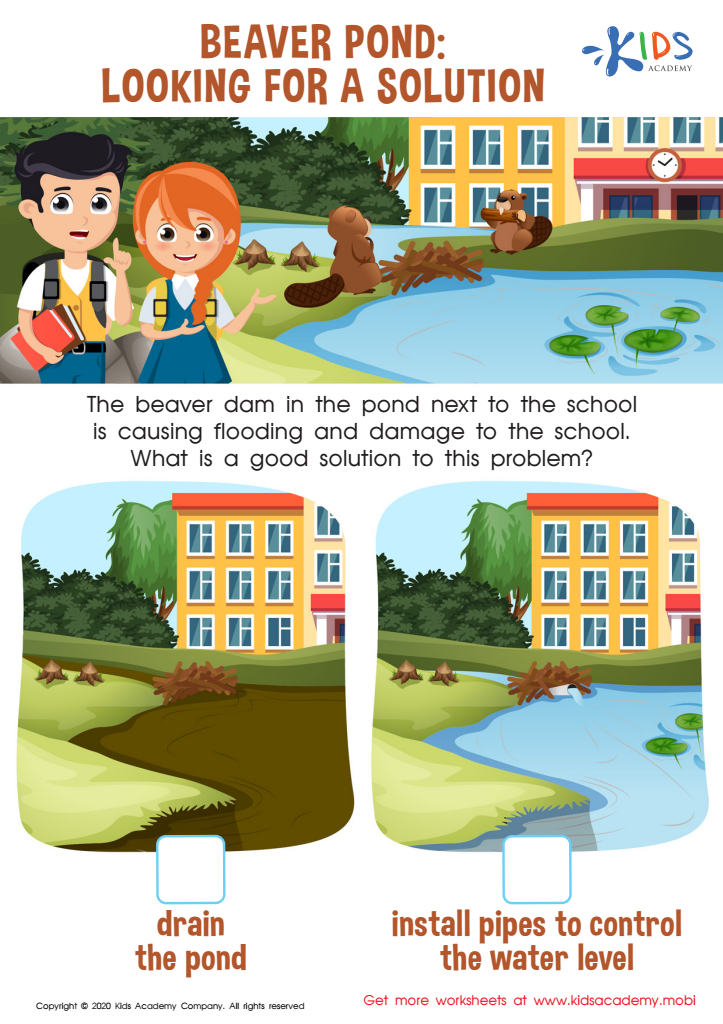
Beaver Pond: Looking for a Solution Worksheet
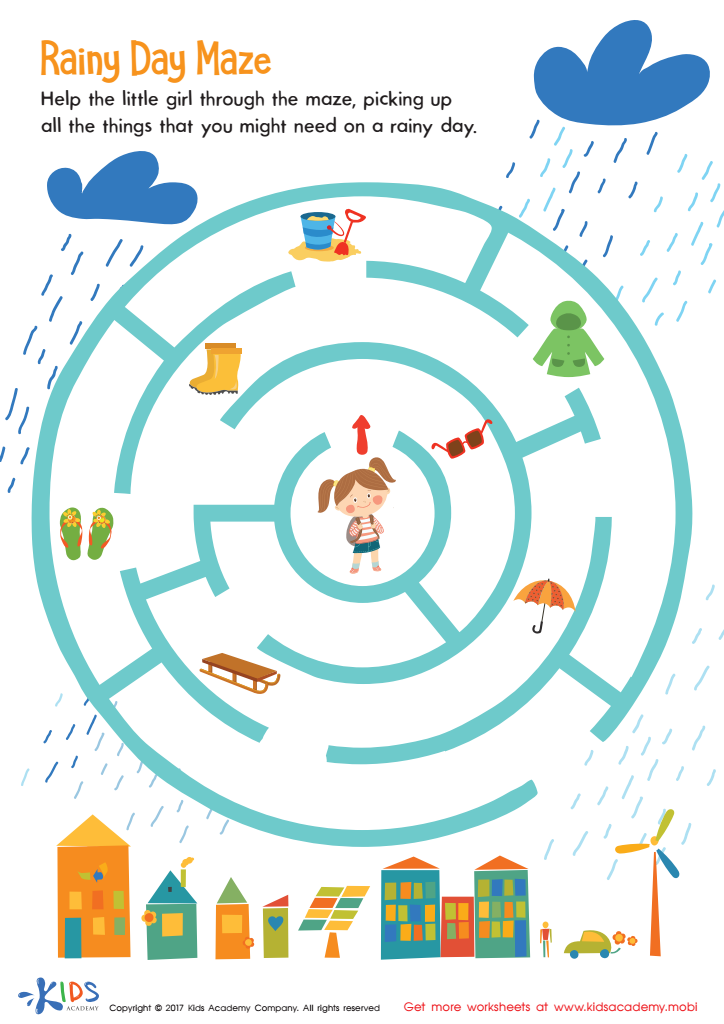
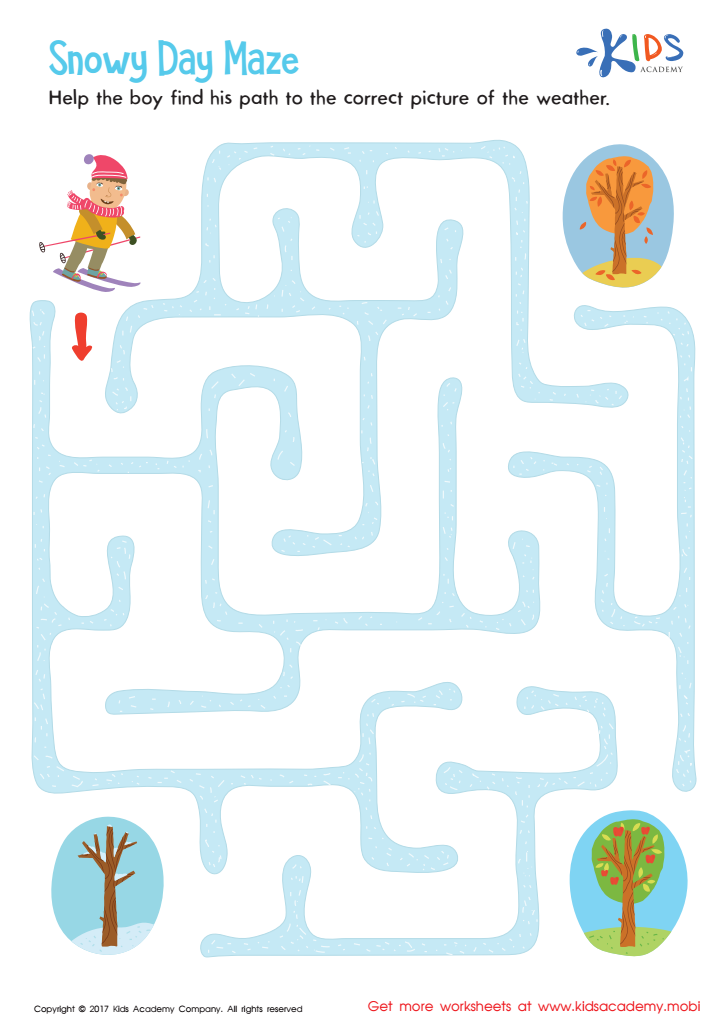
Rainy Day Maze Worksheet







Parents and teachers should prioritize problem-solving skills in young children, especially in the context of easy science for ages 4-6, as these skills are foundational for lifelong learning and development. At this age, children are naturally curious and eager to explore, making it an ideal time to nurture their ability to think critically and creatively.
Engaging children in simple scientific problems fosters their inquiry skills, encouraging them to ask questions and seek answers. This not only enhances cognitive development but also builds resilience, as they learn to tackle challenges and overcome obstacles. Through playful experiments and hands-on activities, children develop essential skills like observation, reasoning, and hypothesis testing.
Moreover, strong problem-solving skills promote independence and confidence. When children learn to figure things out on their own, they gain a sense of achievement that motivates them to engage with learning continuously. These early experiences in science not only lay the groundwork for later academic success but also teach children how to approach and solve everyday issues.
By fostering problem-solving skills through easy science, parents and teachers equip children with tools that facilitate not just academic growth but also personal and social development, preparing them to navigate an increasingly complex world.