Filters

11 filtered results

Clear all filters
Favorites
With answer key
Interactive

11 filtered results

Difficulty Level

Grade


Unlock your child's potential with our Reading Comprehension Easy Science Worksheets for Ages 4-6 at Kids Academy! Specially designed to make learning fun and engaging, these worksheets simplify complex science concepts for young minds. Through colorful illustrations and simple texts, kids will enhance their reading skills while discovering the wonders of science. Perfect for in-class activities or homeschooling, our worksheets promote critical thinking, vocabulary building, and a love for learning. Watch as your child confidently explores topics like plants, animals, weather, and more. Give your little learners the tools they need to succeed today!
Check out this FREE Trial Lesson on Science for age 4-6!

Weather

Favorites
With answer key
Interactive
  • 4-6
  • Reading comprehension
  • Science
  • Easy
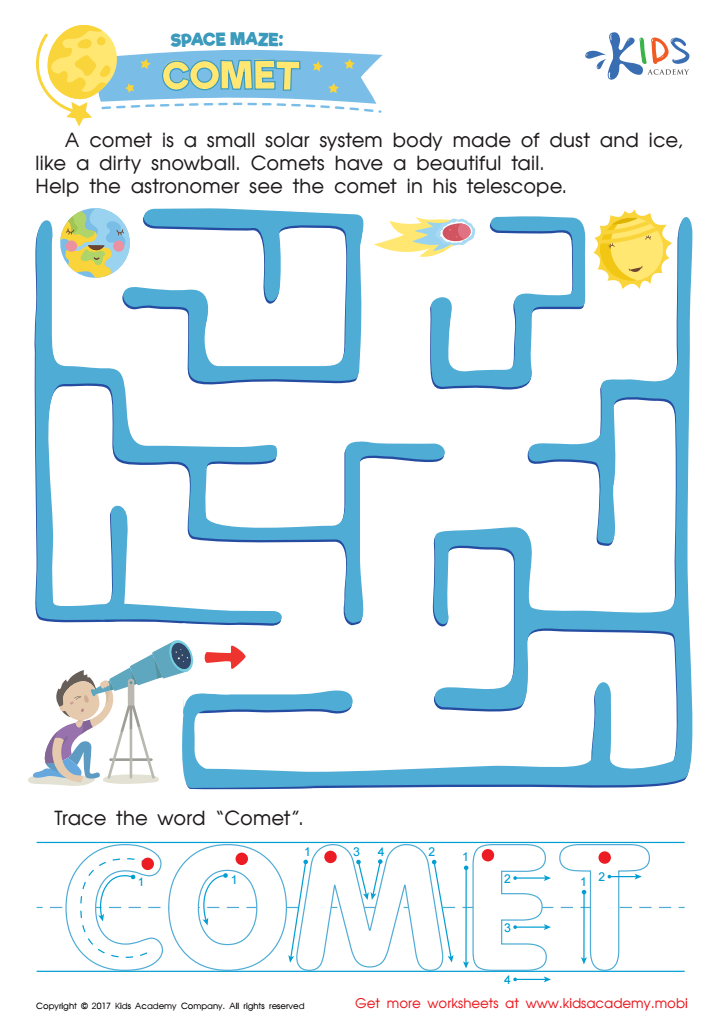
Space Maze: Comet
Space Maze: Comet

Space Maze: Comet Worksheet

Join them on their journey and explore comets with Space Maze: Comet.
Space Maze: Comet Worksheet
Worksheet
Mammal Body Parts Worksheet

Mammal Body Parts Worksheet

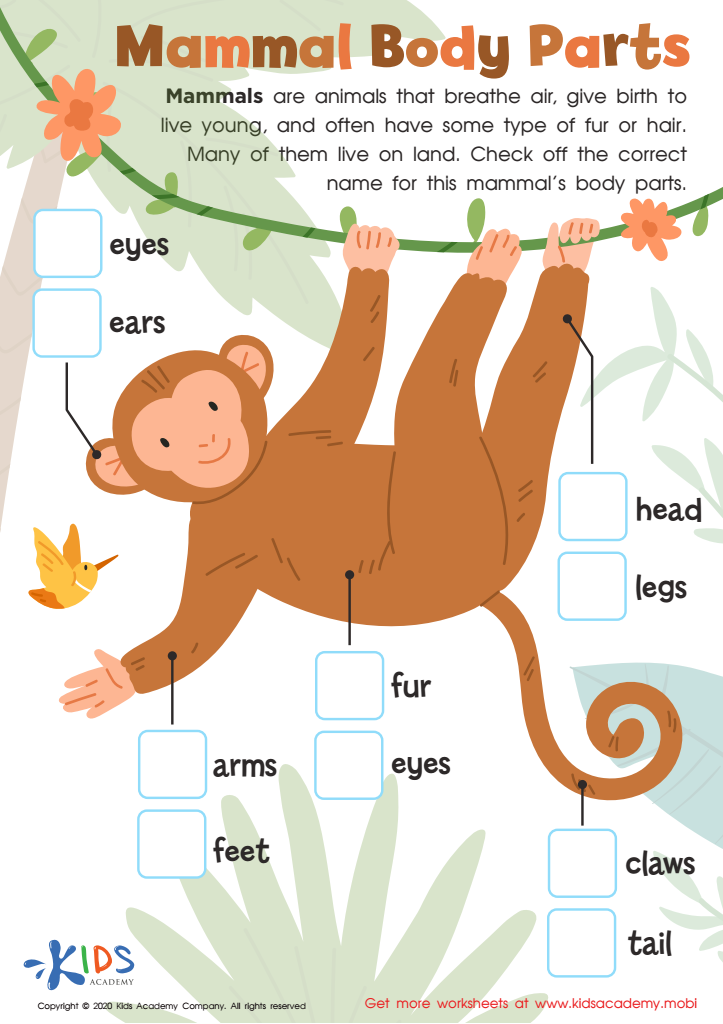
Help your little scientist identify a mammal's body parts with this cute and colorful worksheet. It includes fur, arms, legs, tails, and more! Read the passage to learn what makes an animal a mammal, then have them check off the boxes to identify parts of the monkey. It's a fun way to learn about animals in the animal kingdom!
Mammal Body Parts Worksheet
Worksheet
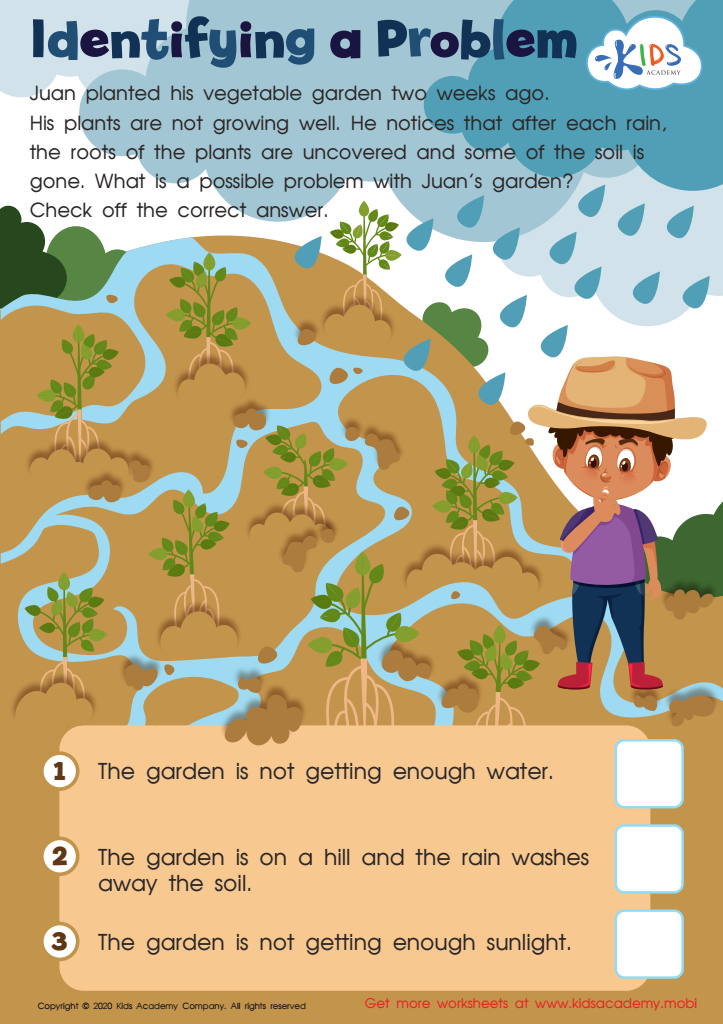
Identifying a Problem  Worksheet

Identifying a Problem Worksheet

Help Juan figure out why his vegetable garden isn't doing well! Print this PDF science worksheet. Read the explanation and observe the scene. What could be causing the problem? Check off the correct answer to complete the challenge. Weather or soil conditions may be the cause – analyze to find out!
Identifying a Problem Worksheet
Worksheet
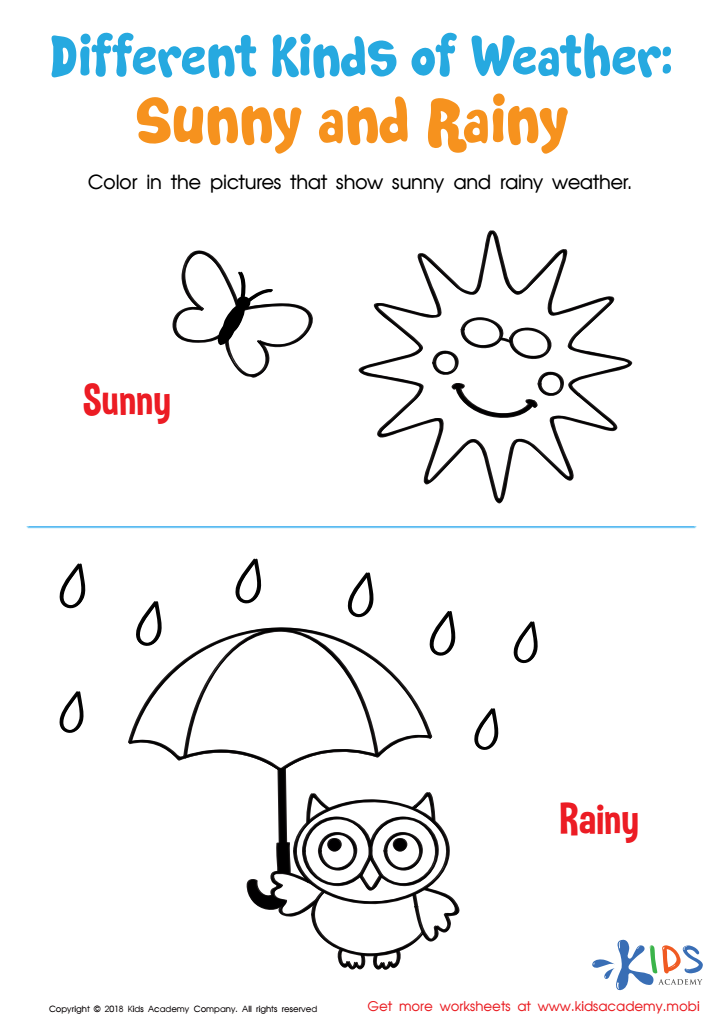
Different Kinds of Weather: Sunny and Rainy Worksheet

Different Kinds of Weather: Sunny and Rainy Worksheet

Kids will love coloring this fun worksheet that helps them learn about different types of weather. They'll hone their fine motor skills while reinforcing the cyclical nature of natural events. Download this free PDF to give kids a basic understanding of weather concepts and lay the groundwork for further learning.
Download (PDF)
Assign to My Students
Different Kinds of Weather: Sunny and Rainy Worksheet
Worksheet
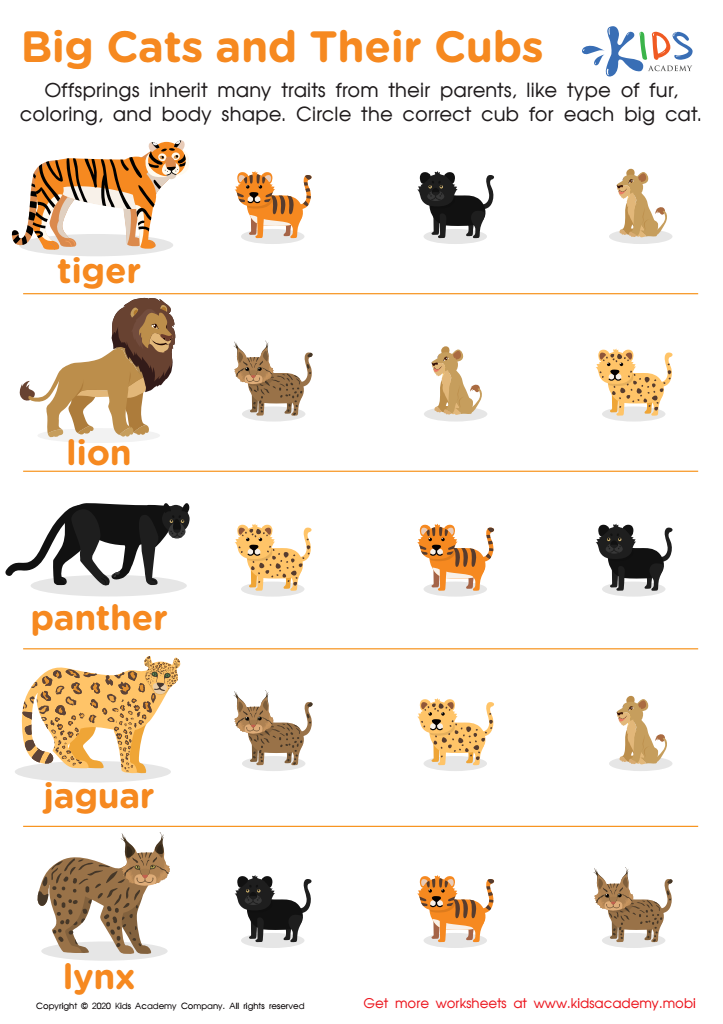
Big Cats and Their Cubs Worksheet

Big Cats and Their Cubs Worksheet

Kids are often like their parents, and the same is true for big cats and their cubs. Introduce your young scientists to genetics with this fun printable worksheet from Kids Academy! Observe the big cats and their cubs, then circle the right cub to complete! It's a great way to teach an early lesson in genetics.
Big Cats and Their Cubs Worksheet
Worksheet
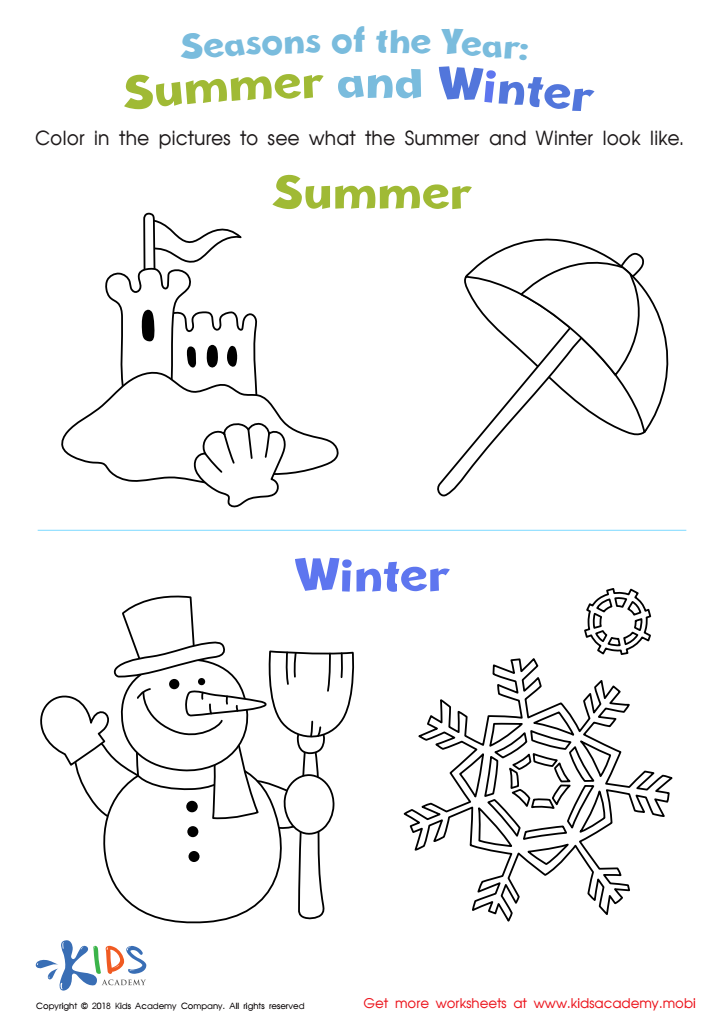
Summer and Winter Worksheet

Summer and Winter Worksheet

Ask your child what they associate with winter and summer. What do they look forward to in winter? What colors do they see most? What do they love doing in summer? Help them color in the pictures of winter and summer in the worksheet, choosing the colors they think best represent each season.
Download (PDF)
Assign to My Students
Summer and Winter Worksheet
Worksheet
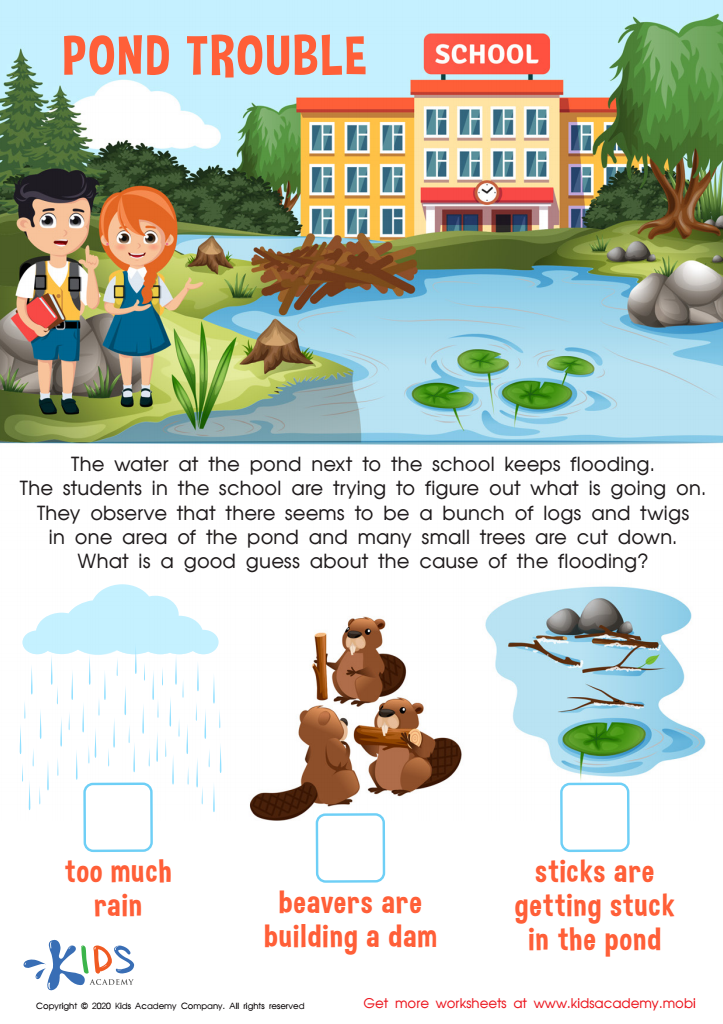
Pond Trouble Worksheet

Pond Trouble Worksheet

This fun worksheet will get your child's brain buzzing! They must help the characters solve the mystery of a flooding pond by reading the explanation and carefully considering each answer choice. Encourage them to think deeply about the possible cause before picking the most likely one.
Pond Trouble Worksheet
Worksheet
What Does It Mean? Worksheet

What Does It Mean? Worksheet

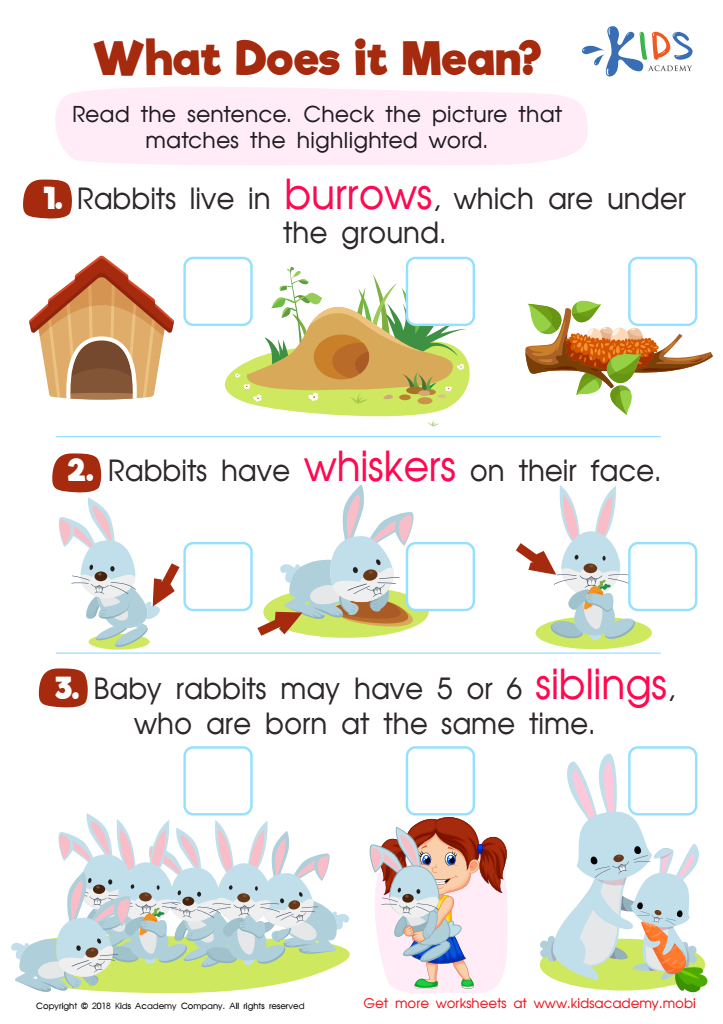
Teach your child to use context clues with this engaging Kids Academy worksheet. Read the sentences and find the pink-highlighted word. Use the other words in the sentence to figure out the meaning, then check the box next to the picture that represents it.
What Does It Mean? Worksheet
Worksheet
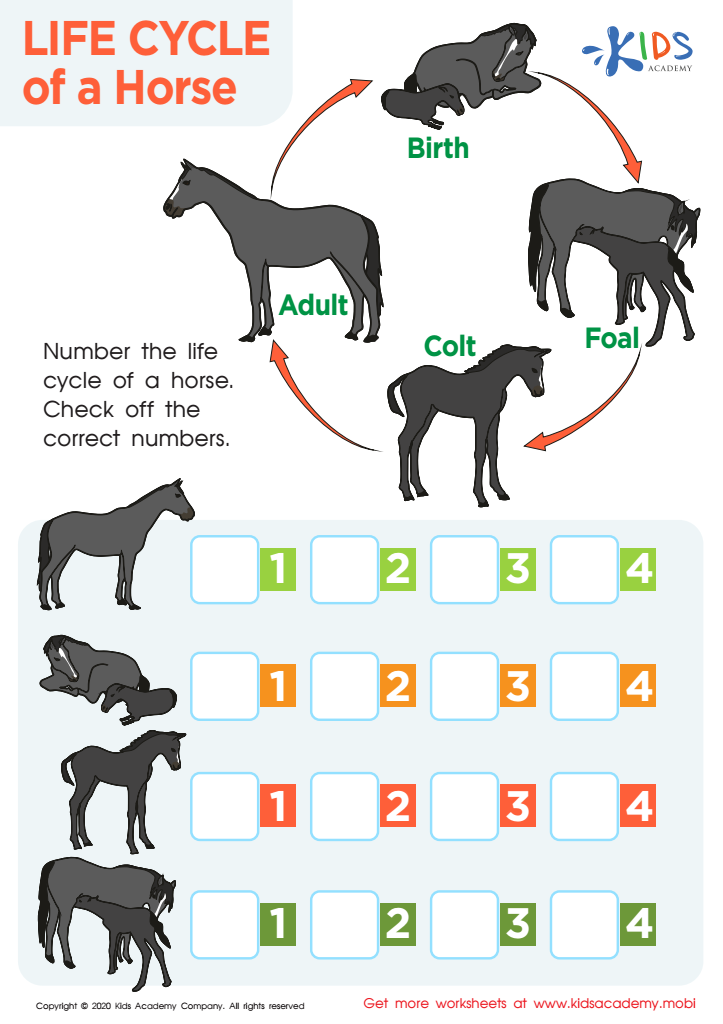
Life Cycle of a Horse Worksheet

Life Cycle of a Horse Worksheet

Kids Academy's science worksheet on horses' lifecycles offers an engaging way for kids to learn! They'll study the diagram and label each stage of life, from birth to adulthood, and then number the pictures to mark the correct sequence. Fun and educational - a perfect way to get your kids learning!
Life Cycle of a Horse Worksheet
Worksheet
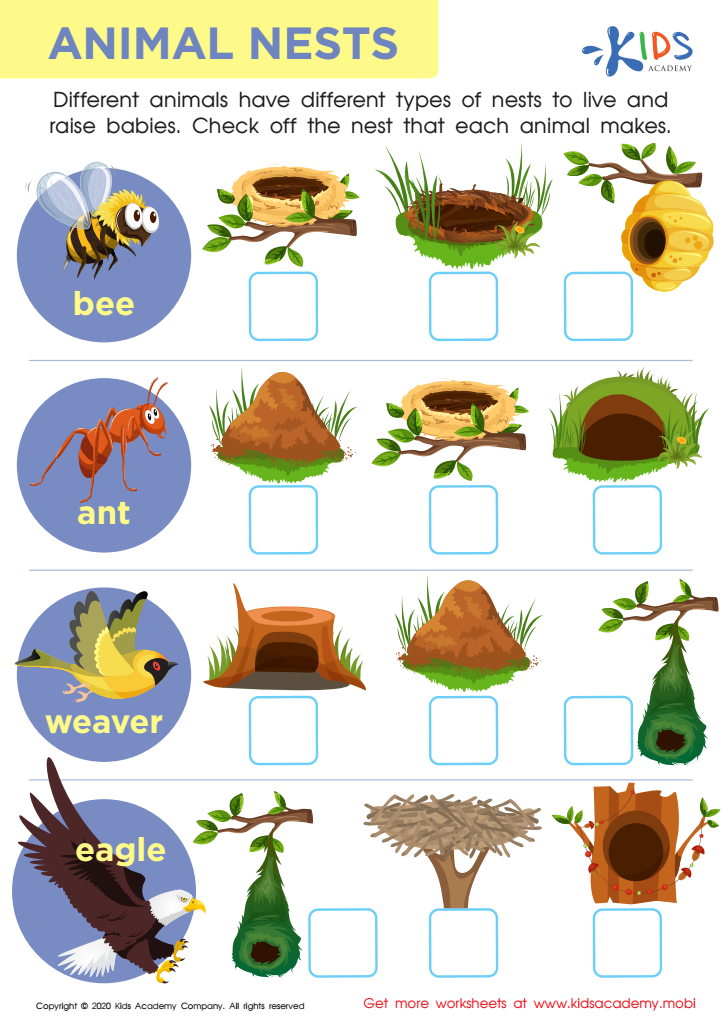
Animal Nests Worksheet

Animal Nests Worksheet

Animals need homes to sleep and stay safe. Look at the animal on the left and examine the nests and hives to the right. Check off the correct one for each animal to complete the worksheet! From birds to bees, it's a great way to show different types of homes animals make!
Animal Nests Worksheet
Worksheet
Marine Self-Defence Worksheet


Marine Self-Defence Worksheet

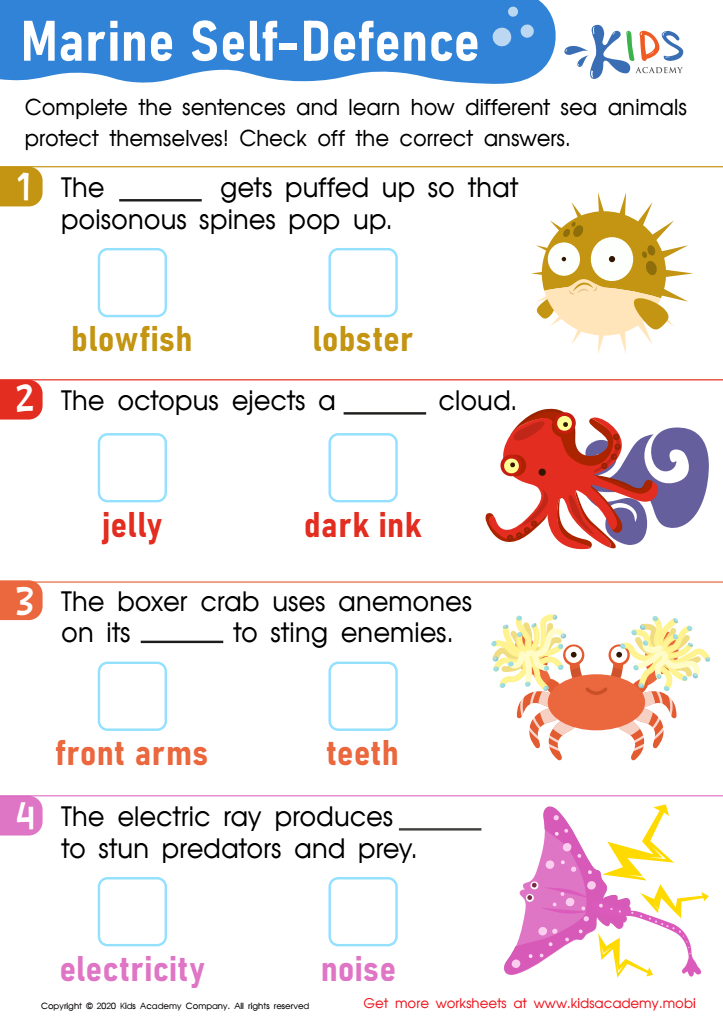
Kids will love discovering the ingenious ways sea creatures protect themselves from predators such as sharks and whales! Let them explore the strategies with this fun science worksheet, which features vibrant illustrations. Have them fill in the blanks with each creature's defense strategy, such as shells, spikes, ink, or even electricity!
Marine Self-Defence Worksheet
Worksheet


Reading comprehension is the foundation of all future learning, making it crucial for young children, even as young as 4-6 years old. This age group, often referred to as early learners, is in a critical developmental stage where their brains are highly receptive to new information. Introducing easy science concepts during this period lays a fundamental understanding of the world around them while promoting cognitive development.

For parents and teachers, fostering reading comprehension in easy science at this age encourages curiosity and a love for learning. When children understand what they read, they are more likely to engage with the material, ask questions, and seek further knowledge—a key characteristic of scientific thinking. Simple science concepts, presented engagingly, help them develop skills such as critical thinking, problem-solving, and reasoning.

Additionally, early exposure to science vocabulary enhances language development and broadens their lexicon, which is essential for academic success in all subjects. This dual benefit of improving reading skills and providing scientific knowledge equips children with a strong foundation for future educational endeavors. Therefore, investing time and resources into developing reading comprehension through easy science for ages 4-6 is an investment in a child's overall intellectual growth and curiosity.