Fine motor development Easy Worksheets for Ages 4-7
3 filtered results
-
From - To
Unlock your child's potential with our "Fine Motor Development Easy Worksheets for Ages 4-7!" These engaging and carefully designed worksheets promote essential fine motor skills, including hand-eye coordination, finger strength, and dexterity. Perfect for preschoolers and early learners, our activities provide a fun way to practice crucial tasks such as cutting, tracing, and drawing. With colorful illustrations and interactive exercises, kids will enjoy honing their skills while reinforcing their creativity and focus. Whether at home or in the classroom, our worksheets are an invaluable resource for parents and teachers aiming to support young children's development. Download and watch their confidence grow!
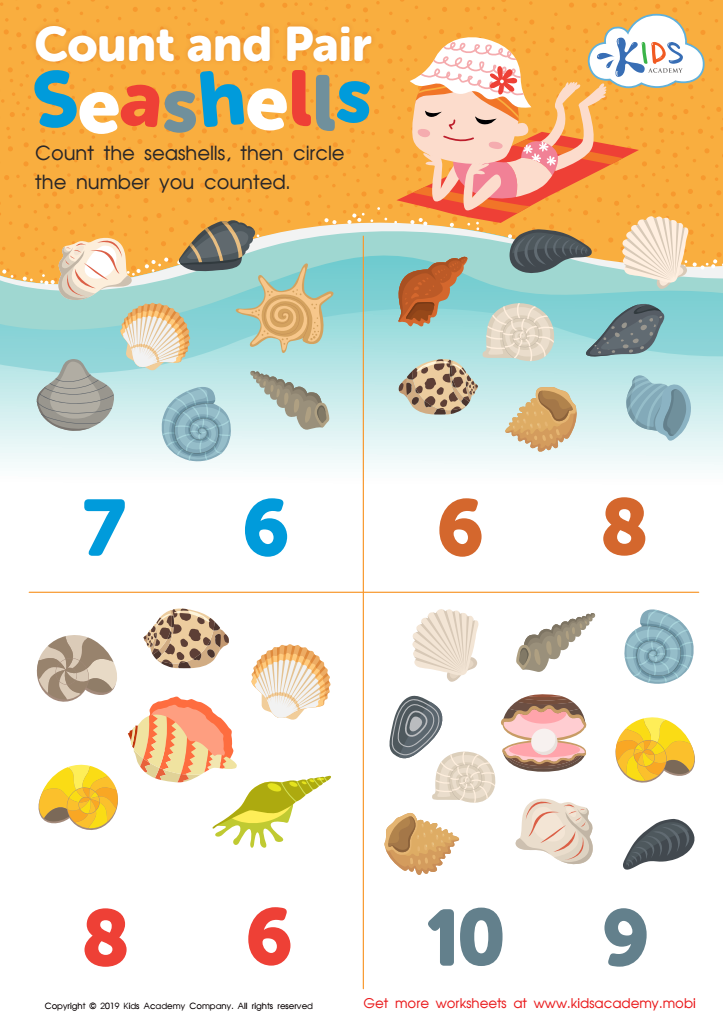
Count and Pair Seashells Worksheet
 Assign to My Students
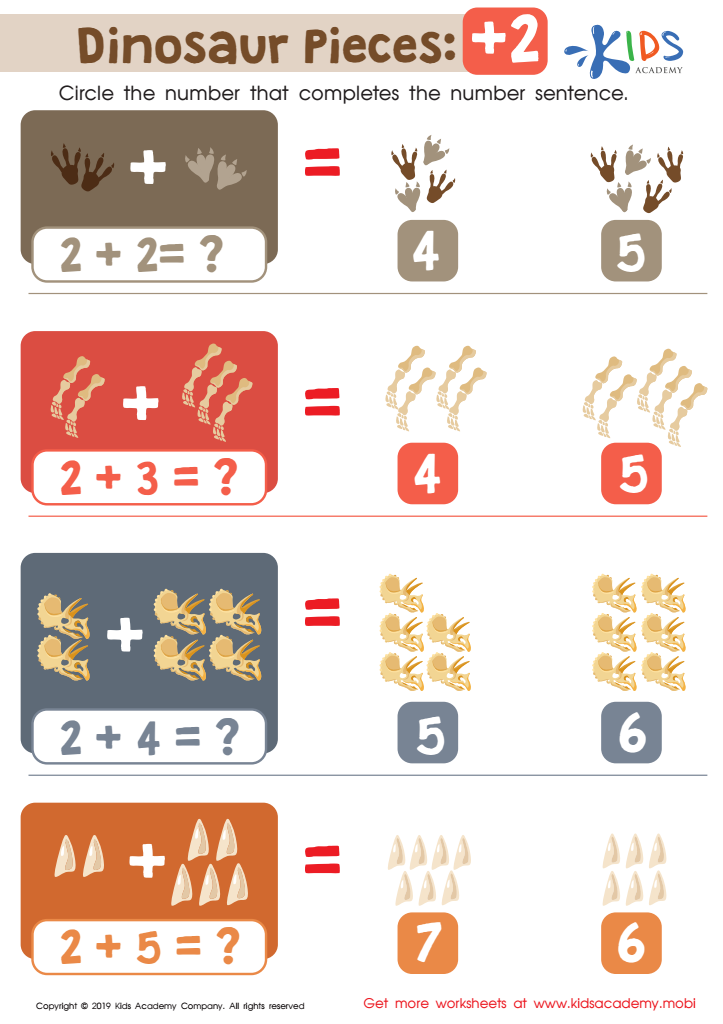
Dinosaur Pieces: +2 Worksheet









Fine motor development is crucial for children aged 4-7, and both parents and teachers should care about it for several reasons. First, fine motor skills involve the coordination of small muscles, particularly in the hands and fingers. These skills underpin everyday tasks like writing, drawing, buttoning shirts, and using scissors, which are essential for a child's independence.
Good fine motor skills are linked to academic success. As children progress in school, they will need to manipulate writing tools and other educational materials. When they have strong fine motor skills, they can express their thoughts more effectively through writing and art, boosting their confidence and creativity.
Moreover, fine motor development has cognitive benefits. Activities that strengthen fine motor skills, like puzzles and building blocks, enhance problem-solving and critical thinking abilities.
Finally, developing fine motor skills can also promote social interactions. Group activities that involve shared tasks, such as crafting or playing with small toys, encourage teamwork and communication. Parents and teachers can support this development through simple, engaging activities, helping children build a solid foundation for future learning and life skills. Caring about fine motor development means investing in children's overall growth and capabilities.








