
Vocabulary Building Easy Worksheets for Ages 4-7
6 filtered results
Difficulty Level
Grade
Age
-
From - To
Subject
Activity
Standards
Our "Vocabulary Building Easy Worksheets for Ages 4-7" are designed to make learning new words fun and engaging. These worksheets offer colorful, age-appropriate activities that foster language development in young learners. From playful matching exercises to creative word association games, each worksheet is crafted to expand vocabulary and enhance word recognition. Ideal for preschool to first-grade students, these resources provide the perfect blend of education and entertainment, helping children express themselves more effectively. Download now to support your child's linguistic growth and watch their confidence soar as they master new words!
Favorites
With answer key
Interactive
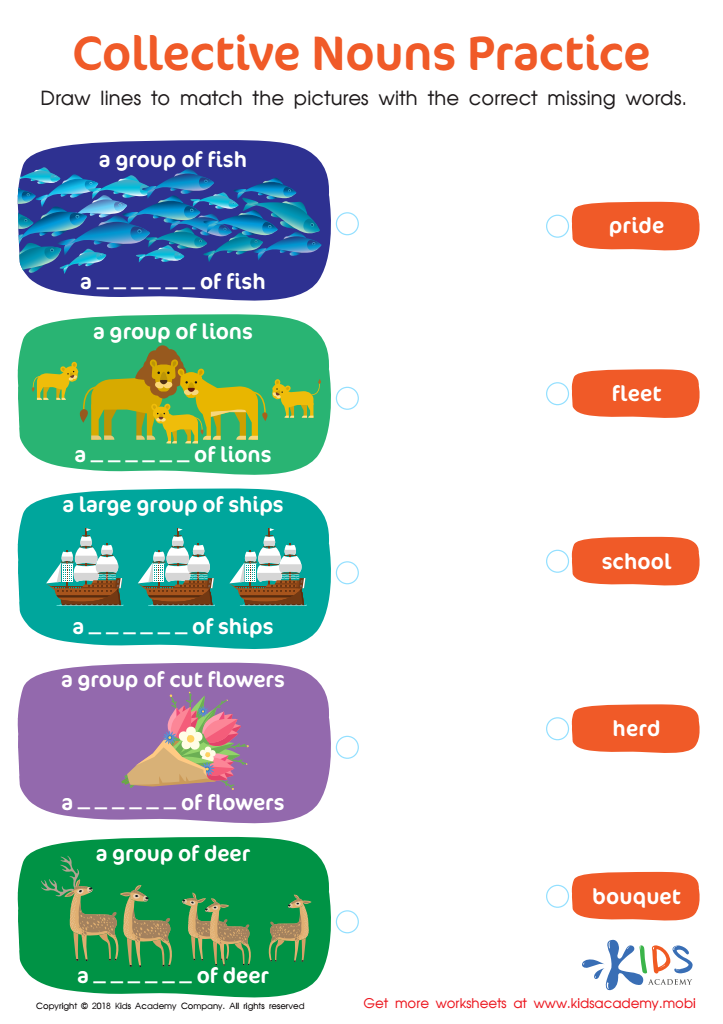
Collective Nouns Practice Worksheet
This worksheet helps your child master collective nouns. Five pictures show different groups of nouns, and your child must draw lines to the right collective noun words. It's a great way to help them sort out the words and understand collective nouns.
Collective Nouns Practice Worksheet
Worksheet
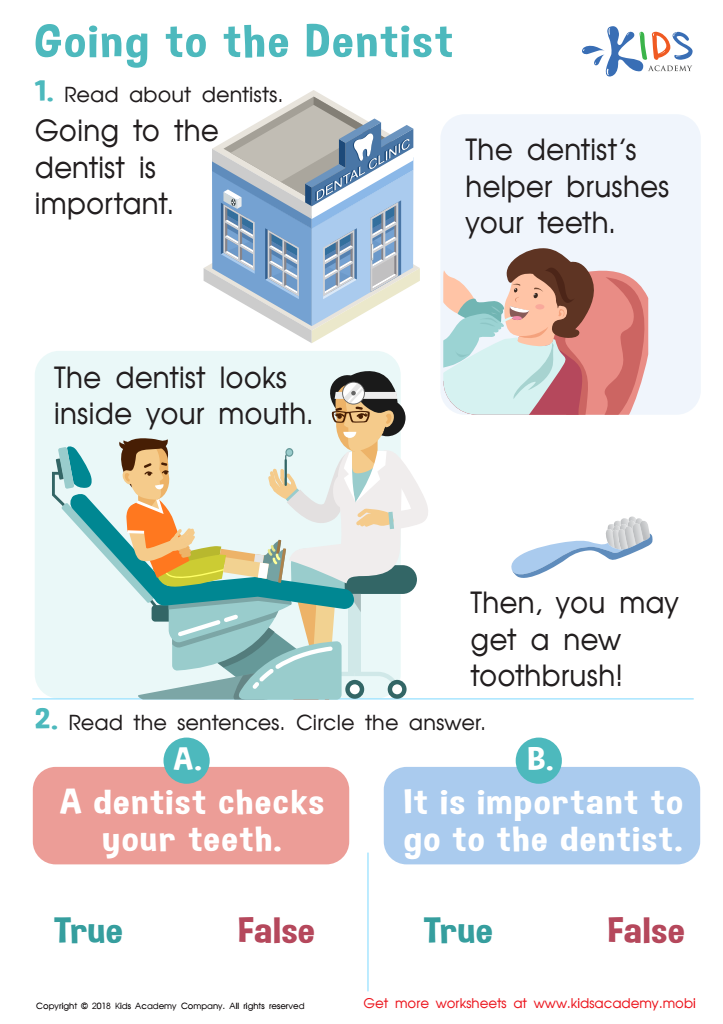
Going to the Dentist Part 2 Worksheet
Visiting the dentist can be nerve-wracking for children. This informative PDF will not only explain what the dentist does, but also use pictures to assure children. They'll learn why seeing the dentist is important and be able to verify their understanding through true/false questions.
Going to the Dentist Part 2 Worksheet
Worksheet
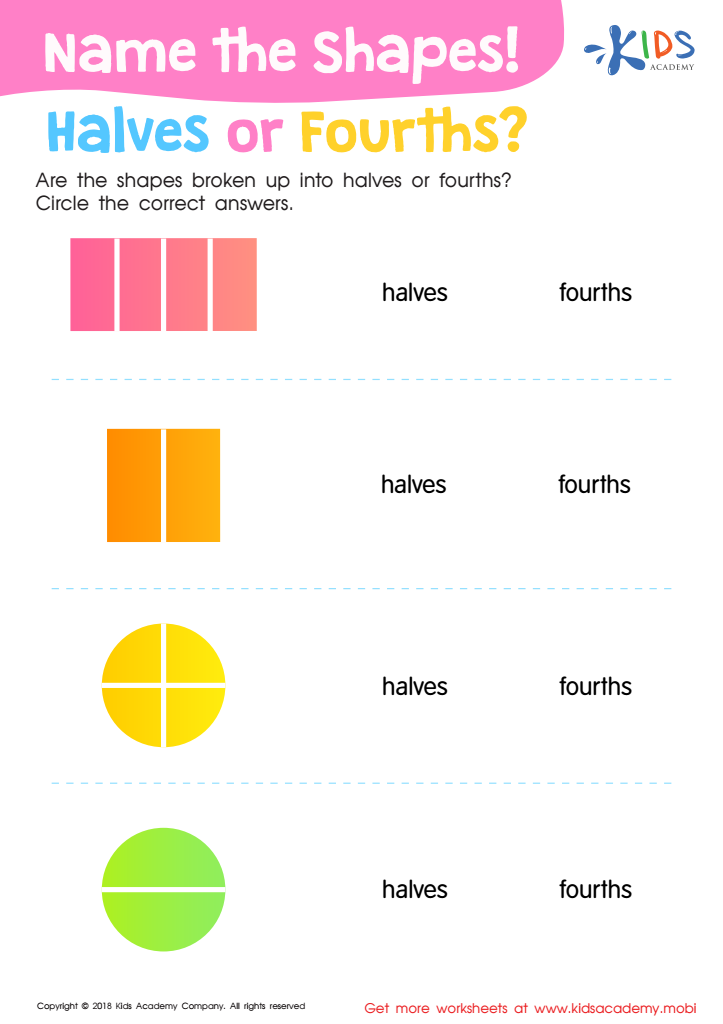
Name the Shapes Halves or Fourths? Worksheet
Before starting, ask your child if they understand what halves and fourths are. If they can answer correctly, move on with the worksheet. Help them circle the right option beside each shape, showing if it's split into halves or fourths.
Name the Shapes Halves or Fourths? Worksheet
Worksheet
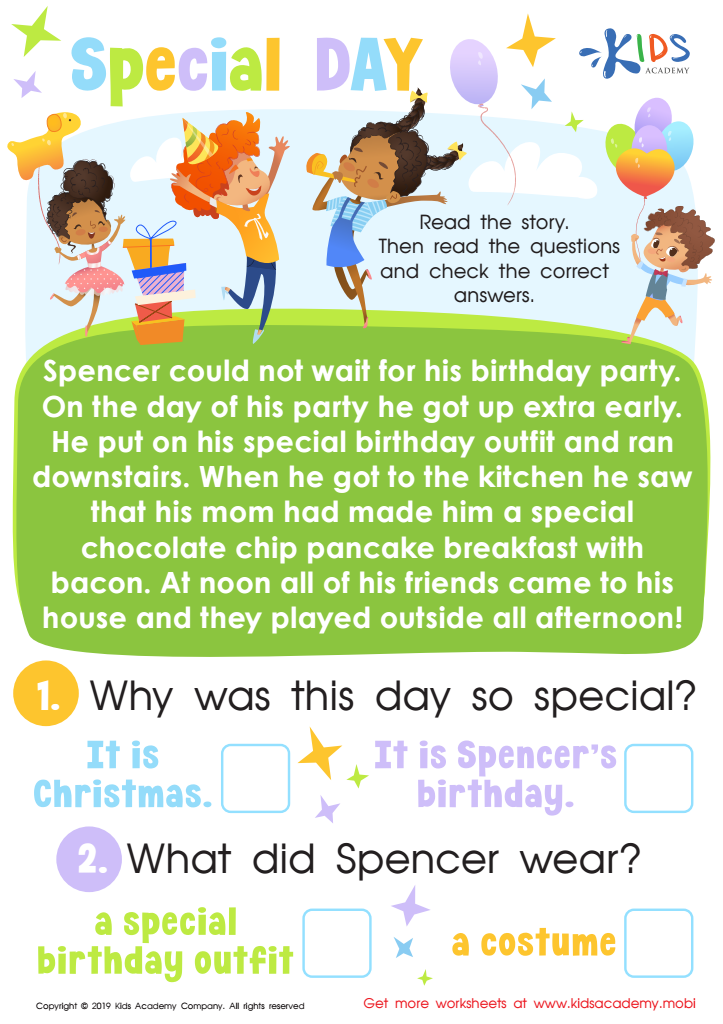
Special Day Worksheet
What's your child's favorite day? Let them tell you what makes it special and what they enjoy most. With the worksheet, show them the picture and ask them to identify the day. Read the story aloud, and help them answer the questions and check the right responses.
Special Day Worksheet
Worksheet
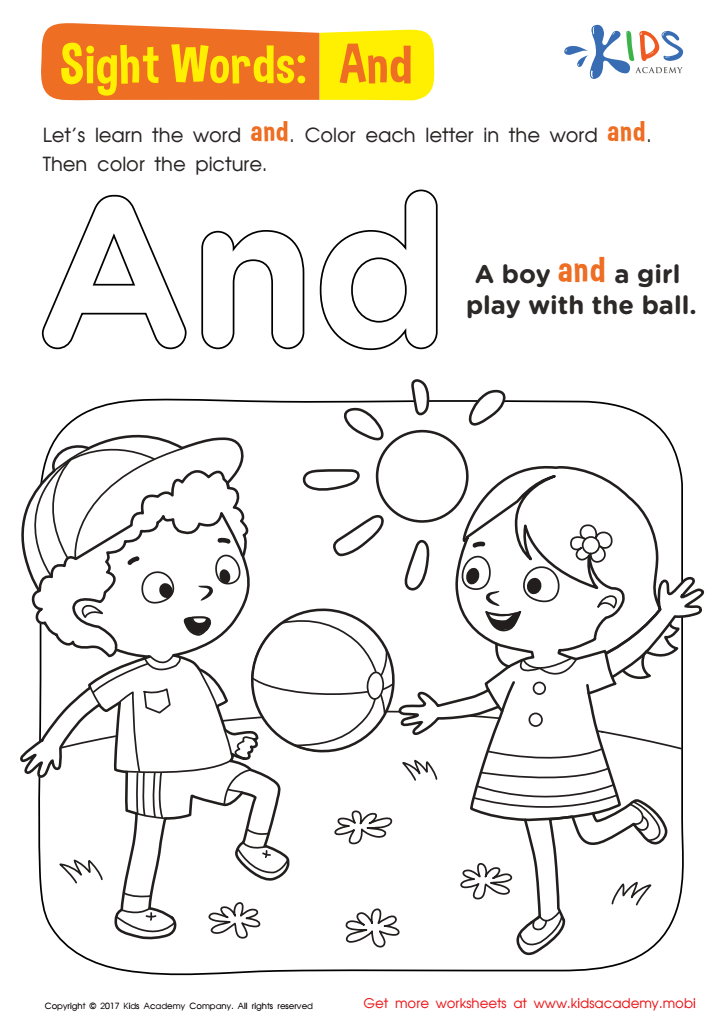
And Worksheet Sight Words Worksheet
Help your child get a jumpstart on reading with sight words! Print out this fun worksheet and get your child to read the sentence. Point out the word "and", then color the word and enjoy the rest of the scene! It's a great way to introduce sight words and get their early reading skills going!
Download (PDF)
 Assign to My Students
Assign to My Students
And Worksheet Sight Words Worksheet
Worksheet

Join Kids Academy for Free
Who is primarily going to use this learning content?







Vocabulary building in early childhood, particularly for ages 4-7, is critically important for several reasons. During these formative years, children's brains are highly receptive to learning and absorbing new information. Developing a rich vocabulary at this stage lays the foundation for successful communication, reading comprehension, and overall academic achievement.
A robust vocabulary allows children to express themselves clearly and effectively, aiding in social interactions and emotional expression. It also enhances their ability to understand and engage with the world around them. When children have a wide range of words to choose from, they can describe their experiences, ask questions, and articulate their thoughts more precisely.
Moreover, a strong vocabulary is closely linked to improved reading skills. As children encounter new words in books, they can decode and understand texts more easily, fostering a love for reading that can last a lifetime. Also, early vocabulary development is a predictor of future literacy and academic success.
Parents and teachers play a critical role in this process by creating a language-rich environment. Through conversations, reading aloud, and playing word games, they can expose children to new words in context, making the learning process fun and engaging. Thus, investing time and effort in vocabulary building during these early years reaps substantial long-term benefits.








