Fine Motor Skills Easy Geometry Worksheets for Ages 4-7
9 filtered results
-
From - To
Enhance your child's fine motor skills with our engaging Geometry Worksheets designed for ages 4-7. Our worksheets turn geometry into a fun learning adventure, helping little hands develop essential fine motor abilities. Kids trace shapes, color within lines, and practice cutting—all while mastering basic geometry concepts. Each worksheet is crafted to capture young learners' interest with vibrant illustrations and interactive tasks, supporting cognitive development and hand-eye coordination. Ideal for at-home practice or classroom enrichment, our Fine Motor Skills Easy Geometry Worksheets lay the foundation for future academic success. Discover joyful learning at Kids Academy today!
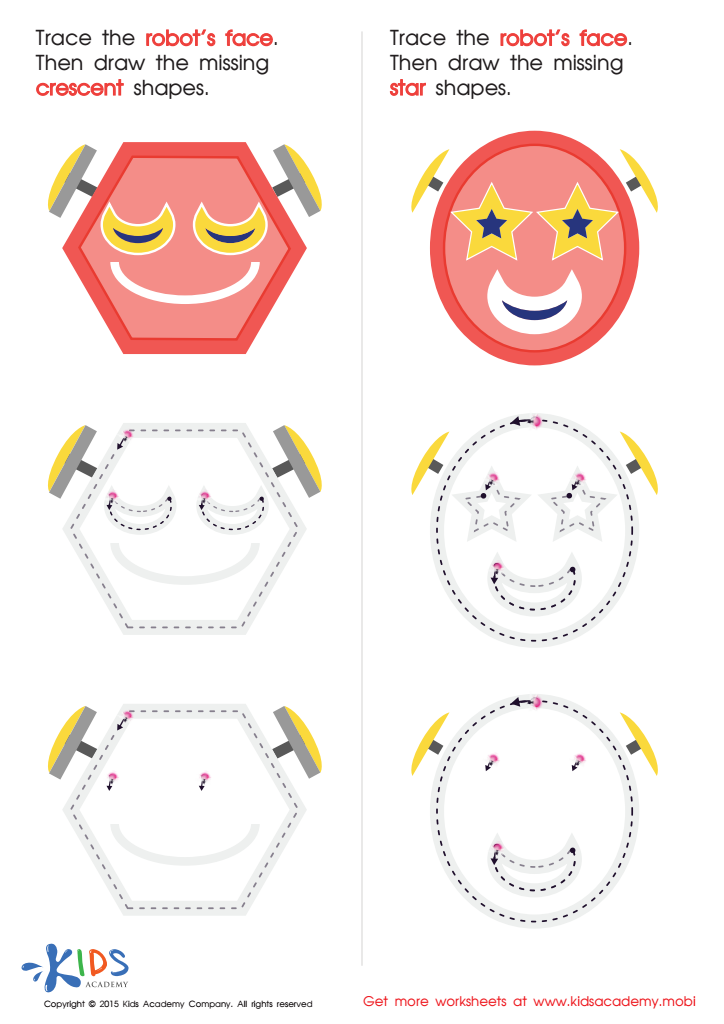
Composing a Robot's Face of Crescents And Stars Worksheet
 Assign to My Students











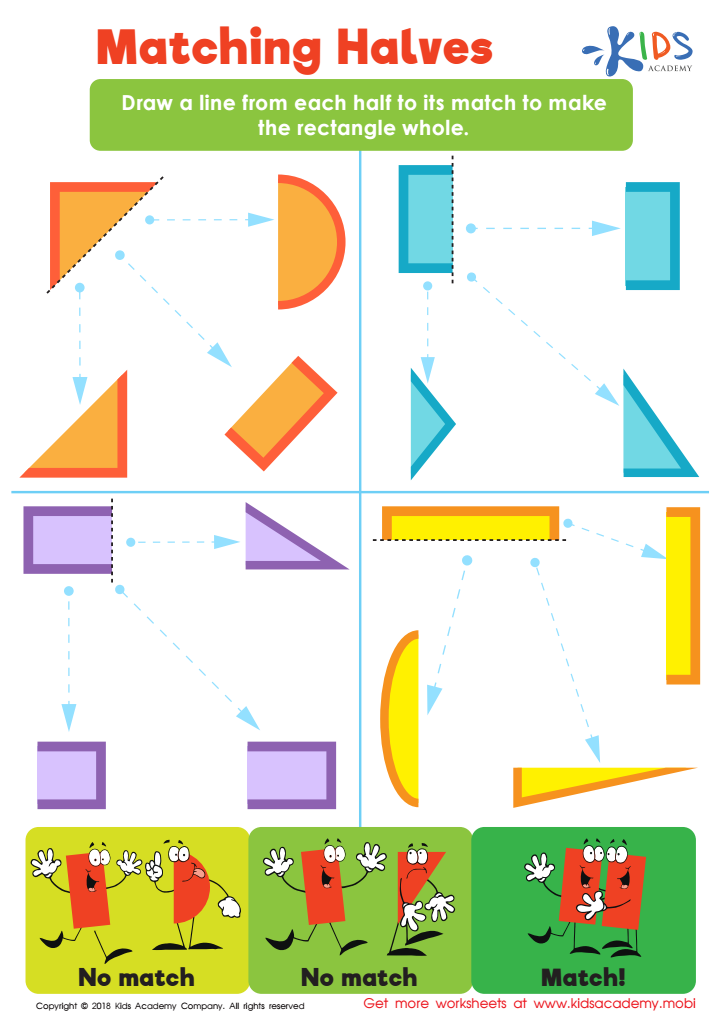
Matching Halves Worksheet
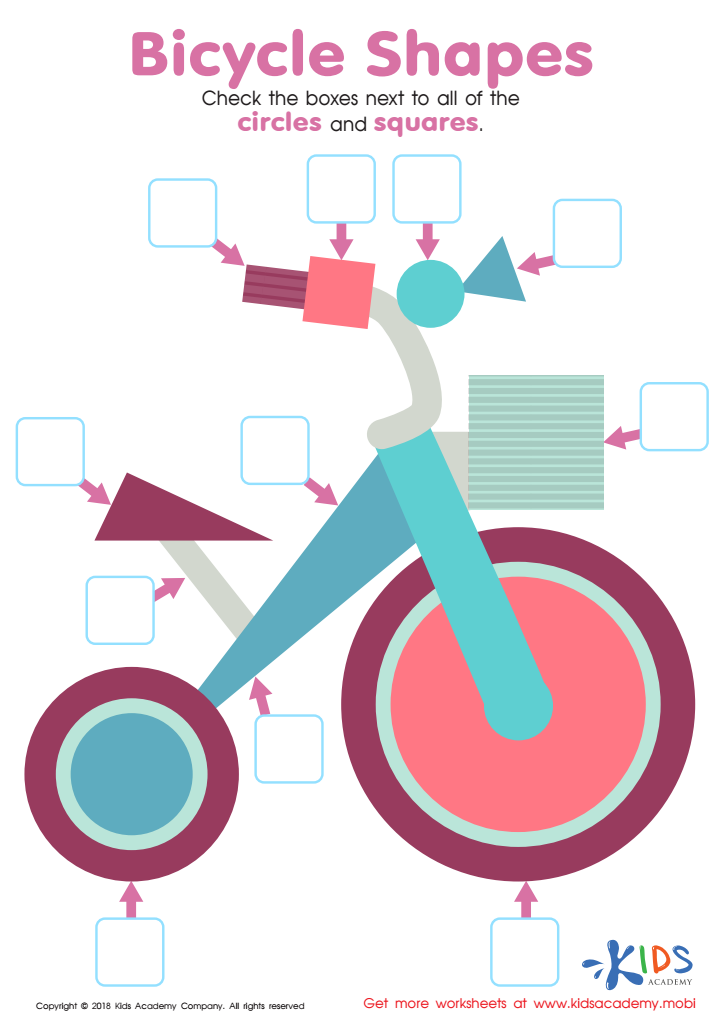
Bicycle Shapes Worksheet
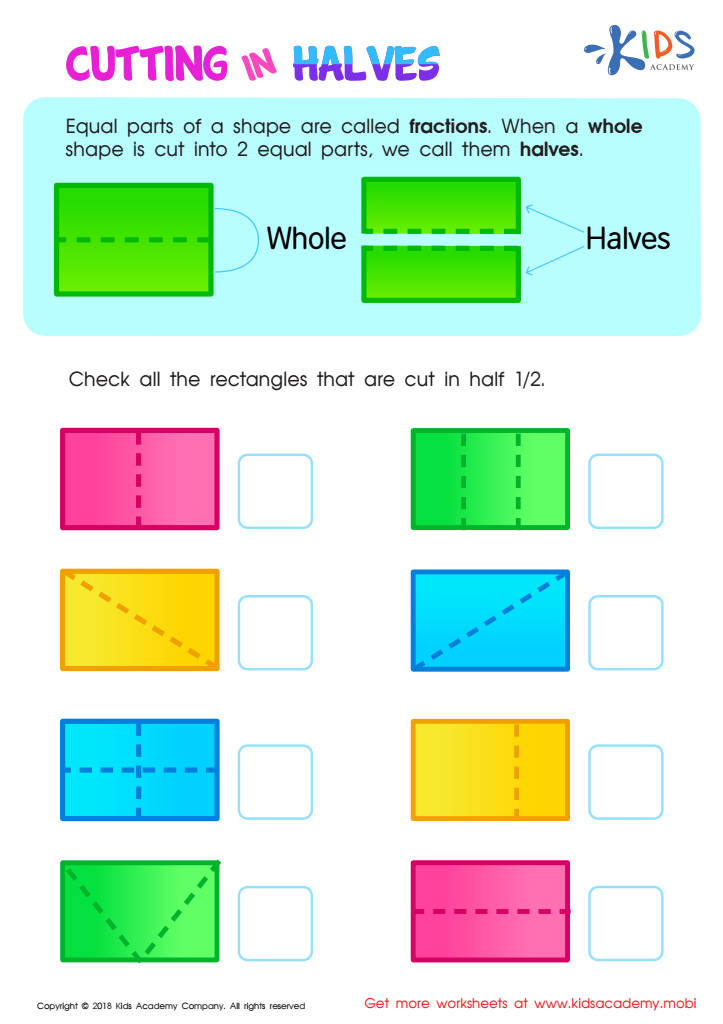
Cutting in Halves Worksheet
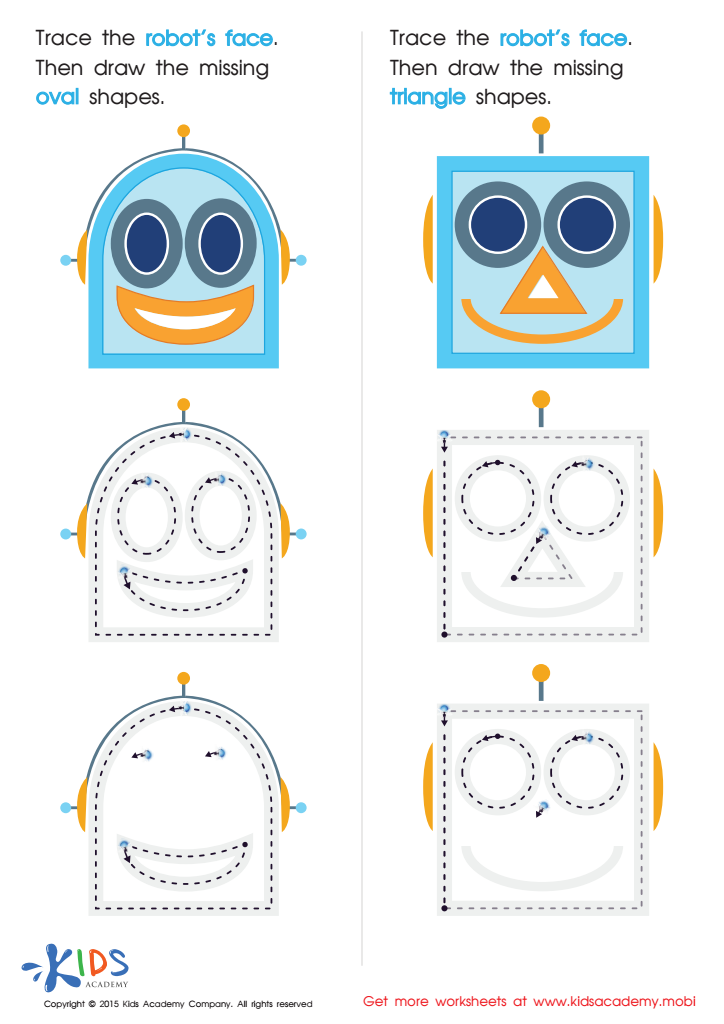
Drawing Ovals And Triangles with Fun Printable
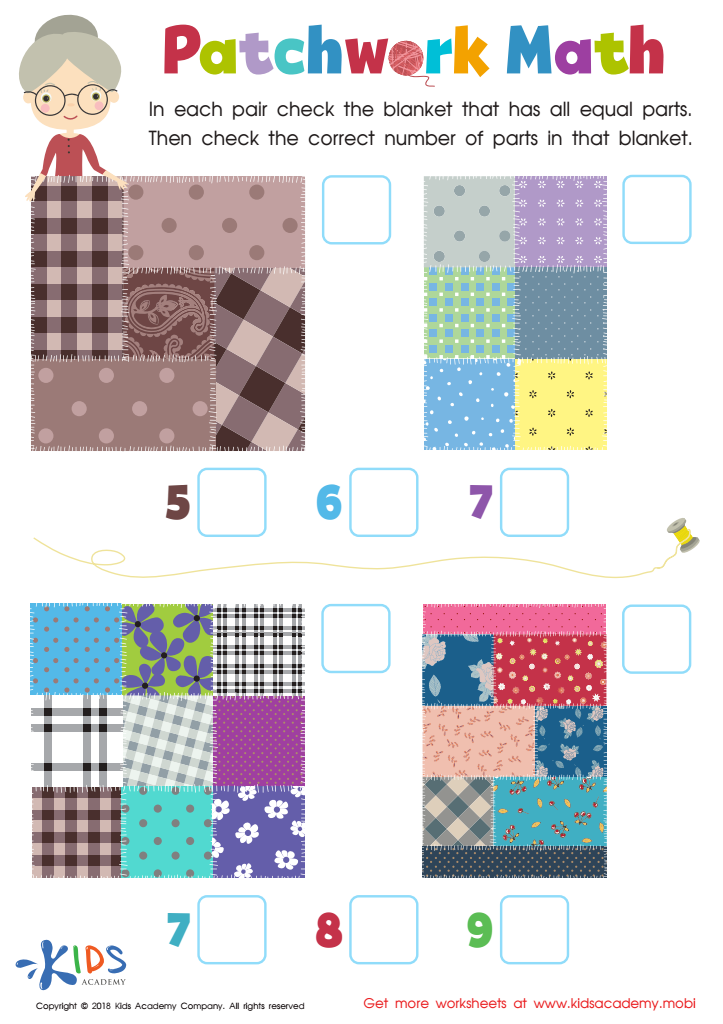
Patchwork Math Worksheet
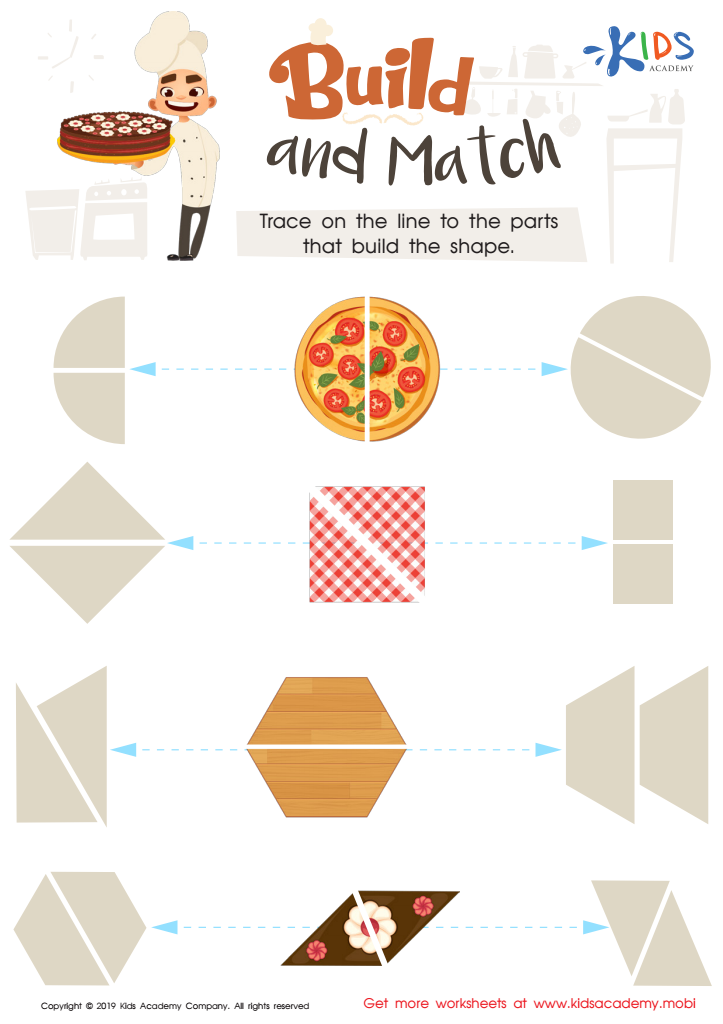
Build and Match Worksheet
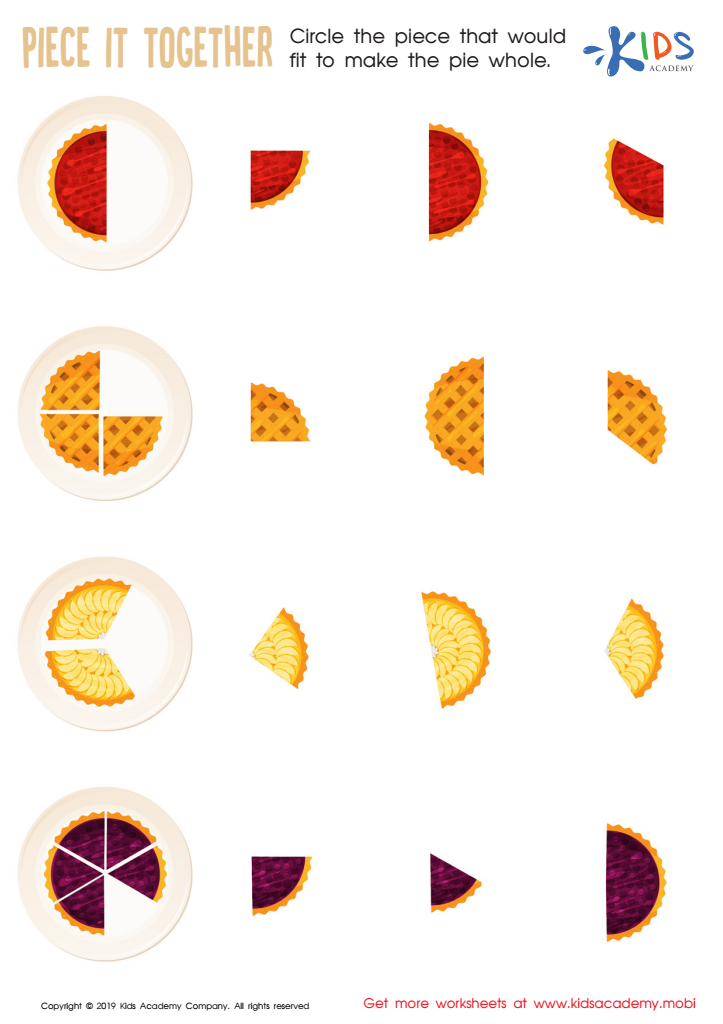
Piece it together Worksheet
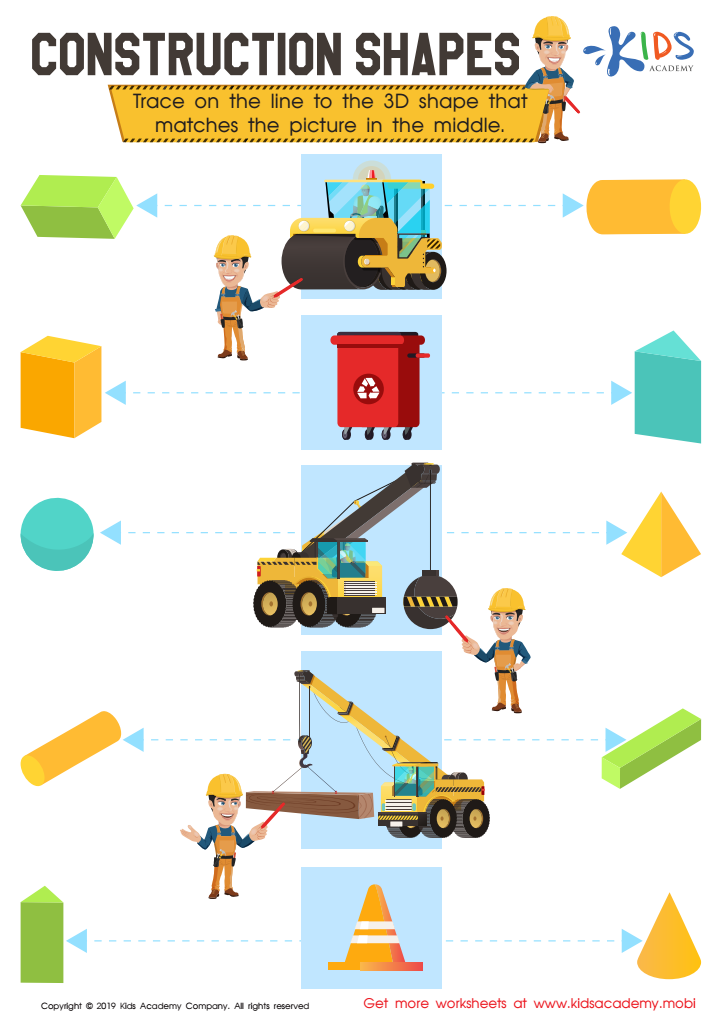
Construction Shapes Worksheet








Fine motor skills development is essential for young children, and incorporating easy geometry into activities offers an engaging way to promote these skills for ages 4-7. Fine motor skills, which involve the coordination of small muscles, are crucial for tasks such as writing, cutting, and buttoning. For preschoolers and early elementary students, building these skills helps lay the foundation for future academic and daily life tasks.
Easy geometry activities, like drawing shapes, cutting out geometric patterns, or arranging shape puzzles, naturally foster hand-eye coordination and precise finger movements. By manipulating objects and making shapes, children enhance their pencil grasp, control, and dexterity. These activities often require children to use both hands simultaneously, promoting bilateral coordination, which is vital for balanced motor skill development.
Additionally, introducing geometry in a playful and hands-on manner stimulates cognitive skills. Children learn spatial awareness, shape recognition, and problem-solving while having fun. This combination of cognitive and motor challenges keeps them engaged and supports holistic learning.
Thus, prioritizing fine motor skills through easy geometry aids in physical development and stimulates intellectual growth, setting the stage for successful learning experiences. Parents and teachers should value these foundational skills to support children's overall development.








