Cognitive Development Easy Numbers Worksheets for Ages 4-7
13 filtered results
-
From - To
Explore our engaging Cognitive Development Easy Numbers Worksheets designed for children ages 4 to 7. These worksheets promote fundamental math skills and foster cognitive growth through fun and interactive activities. Each worksheet helps young learners recognize numbers, understand counting, and develop problem-solving skills. Perfect for both classroom and home learning, our resources cater to diverse learning styles and enhance critical thinking. By using exciting visuals and age-appropriate challenges, your child will build a solid foundation in mathematics while enjoying the learning journey. Boost your child's confidence and academic success with our thoughtfully crafted worksheets tailored specifically for early number learners!
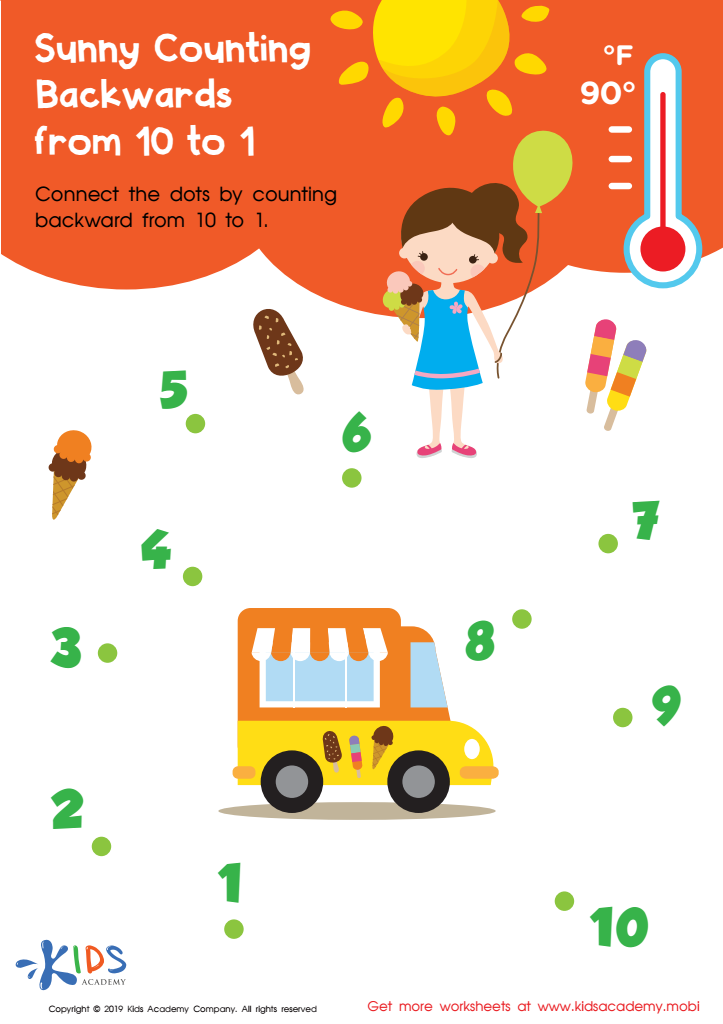
Sunny Counting Backwards from 10 to 1 Worksheet
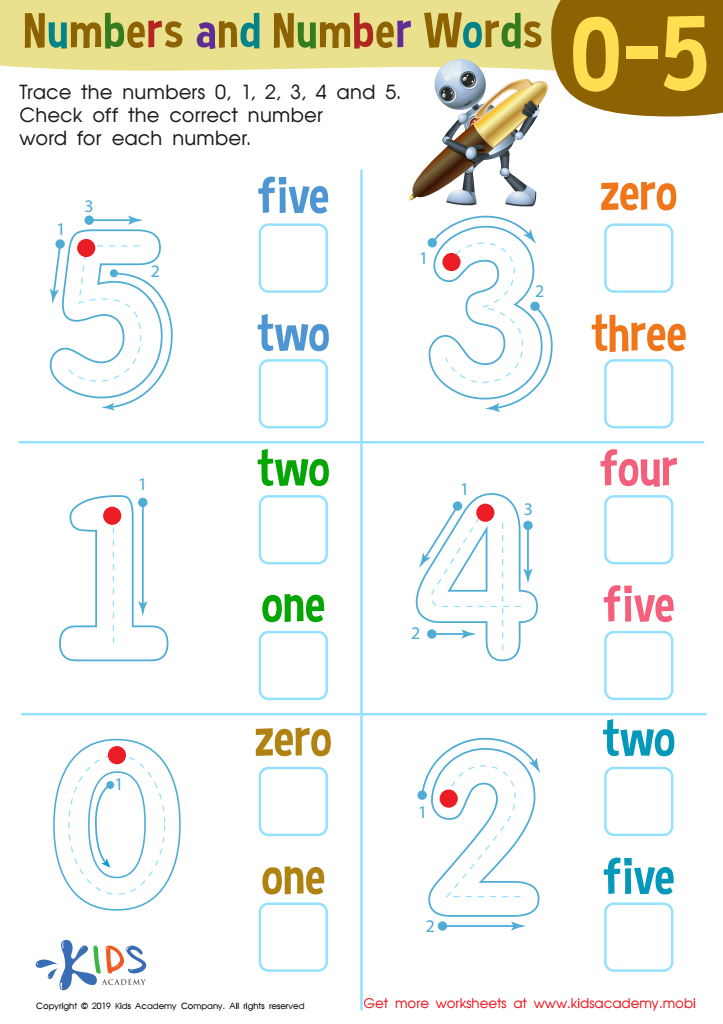
Numbers and Number Words Worksheet
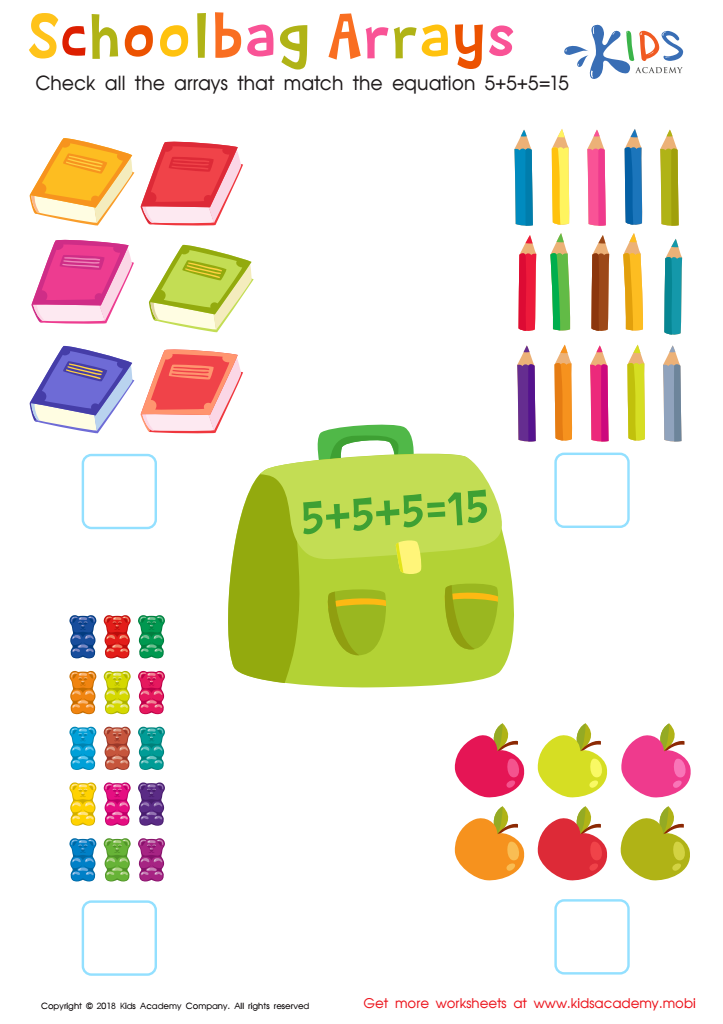
Schoolbag Arrays Worksheet
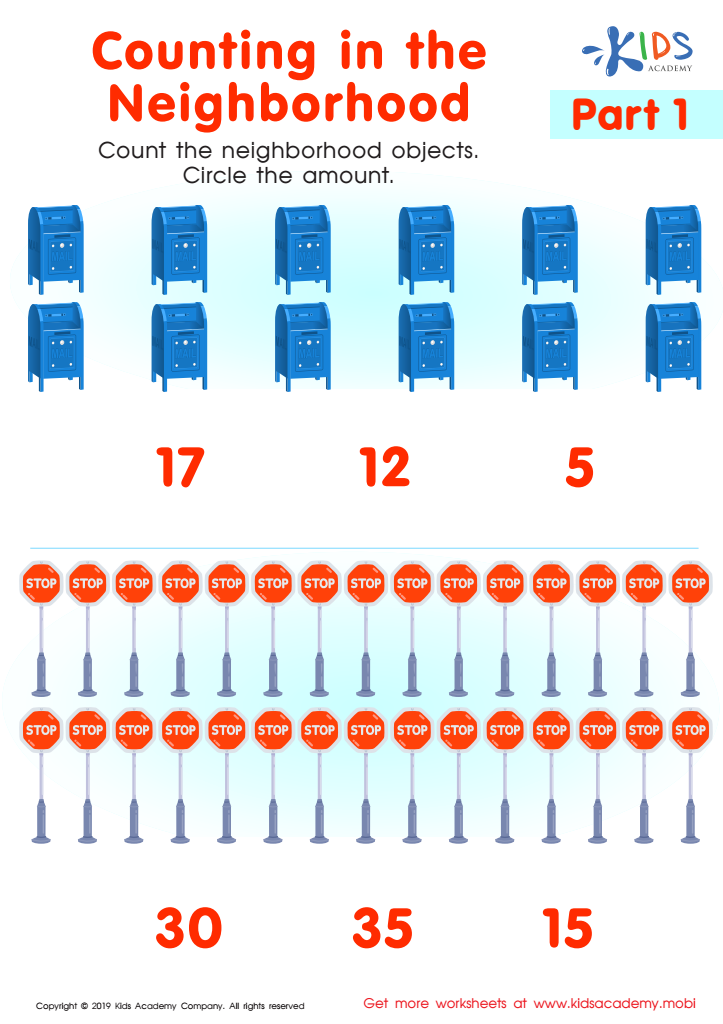
Counting in the Neighborhood Part1 Worksheet
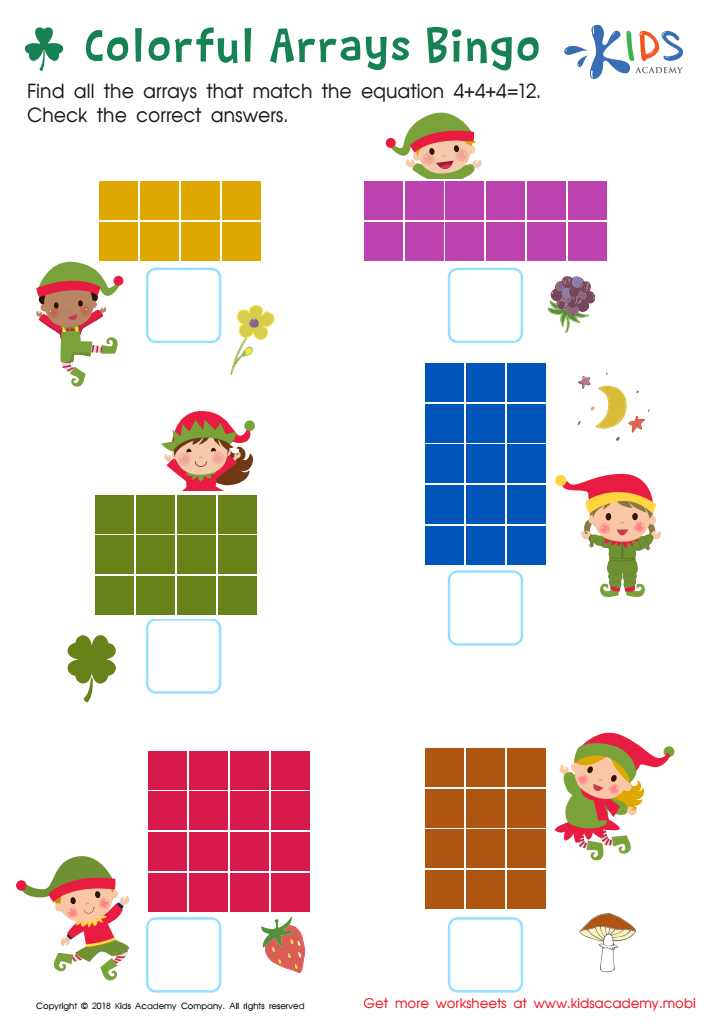
Colorful Arrays Bingo Worksheet
Number 9 Printable
 Assign to My Students
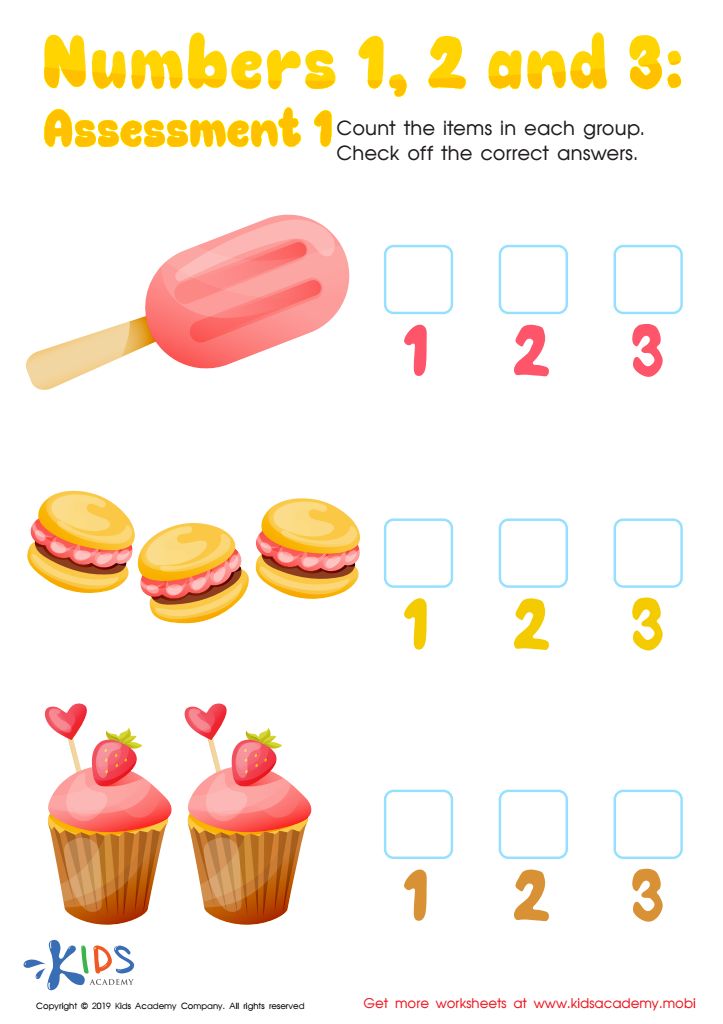
Numbers 1, 2 and 3: Assessment 1 Worksheet

Build with 9 Worksheet
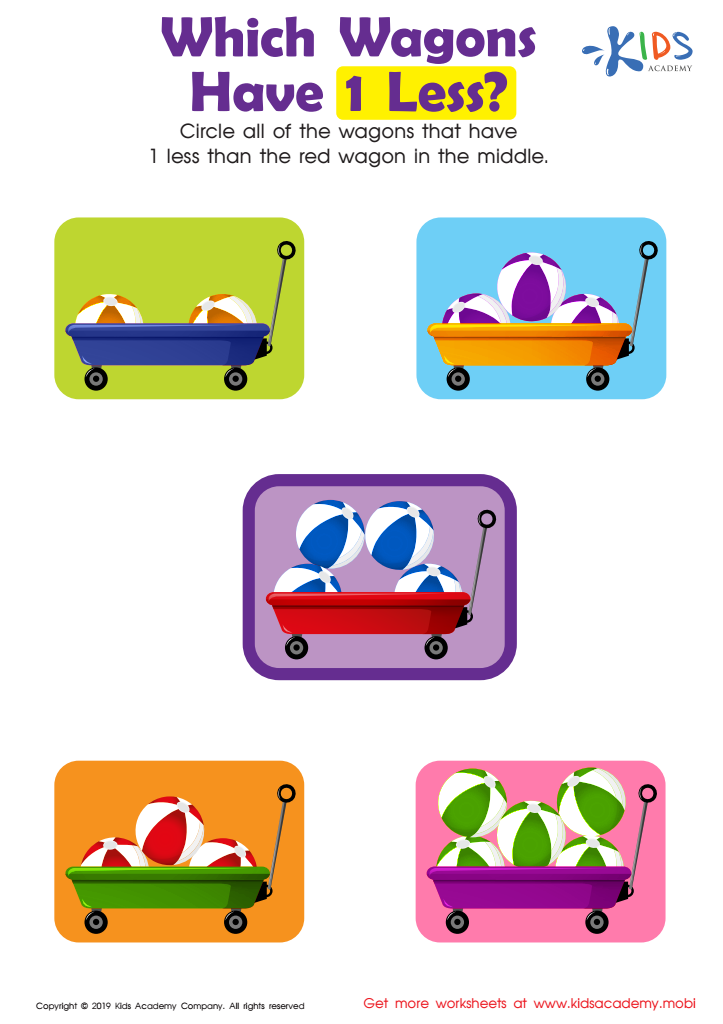
Which Wagons Have 1 Less? Worksheet
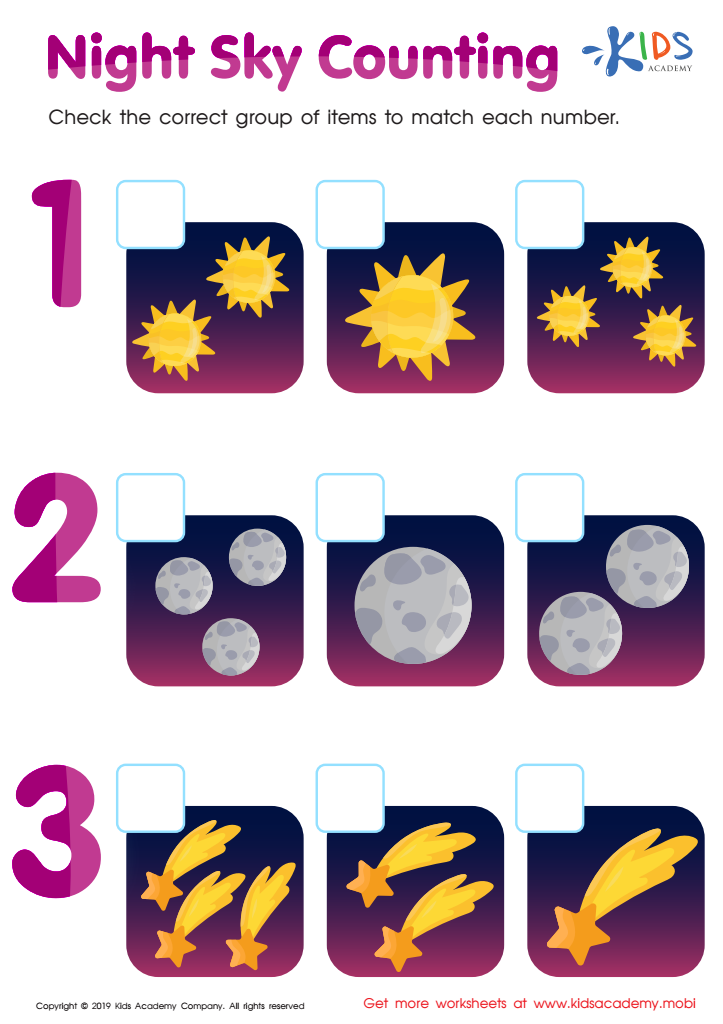
Night Sky Counting Worksheet
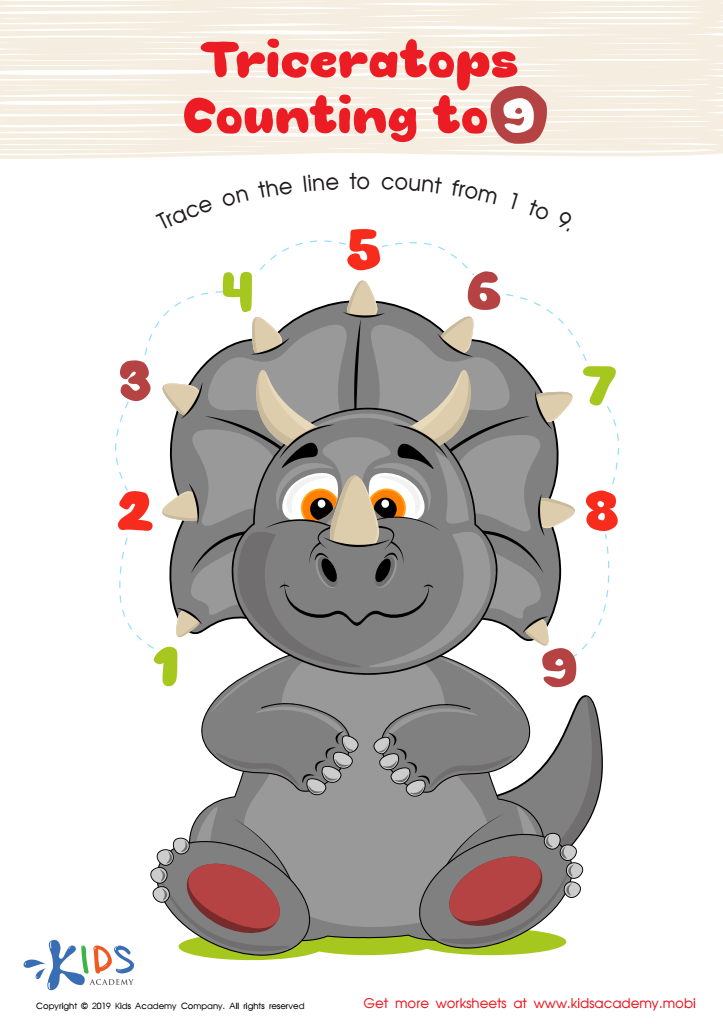
Triceratops Counting to 9 Worksheet
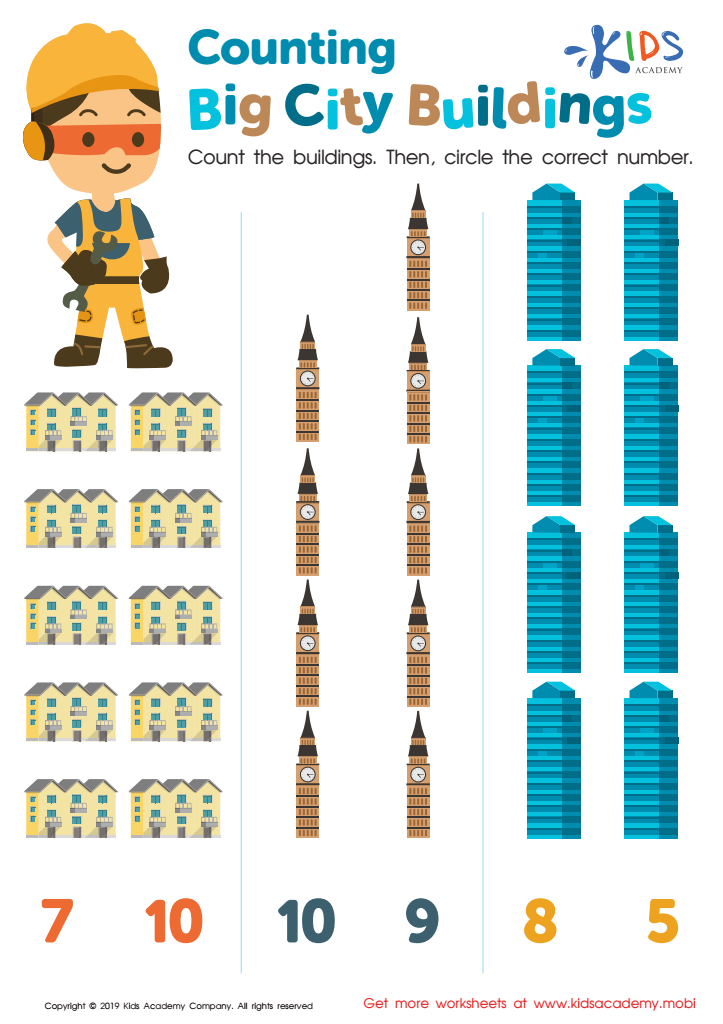
Counting Big City Buildings Worksheet

Night Sky Numbers Worksheet




%20(1).jpg)



Cognitive development during early childhood, particularly for ages 4-7, is crucial because it lays the foundation for a child's future learning and overall growth. At this stage, children's brains are highly receptive to new information and experiences, making it the optimal time to introduce easy numbers and basic mathematical concepts. Parents and teachers should care about this development because strong early math skills are linked to better academic performance later in life.
Engaging with numbers at this age promotes critical thinking, problem-solving, and reasoning abilities. It also fosters a positive attitude towards math, helping to alleviate any future anxiety surrounding the subject. Activities involving numbers, such as counting objects, simple addition and subtraction, and recognizing patterns, enable children to develop logical thinking and spatial awareness.
Moreover, these skills prepare children for daily life activities and future educational challenges. By nurturing an interest in easy numbers through fun and interactive methods, parents and teachers can help build a solid mathematical foundation, setting children up for long-term success. Ultimately, focusing on cognitive development in this crucial age range supports not just academic growth, but also overall confidence and curiosity in young learners.








