Fine Motor Skills Easy Numbers Worksheets for Ages 4-7 - Page 2
28 filtered results
-
From - To
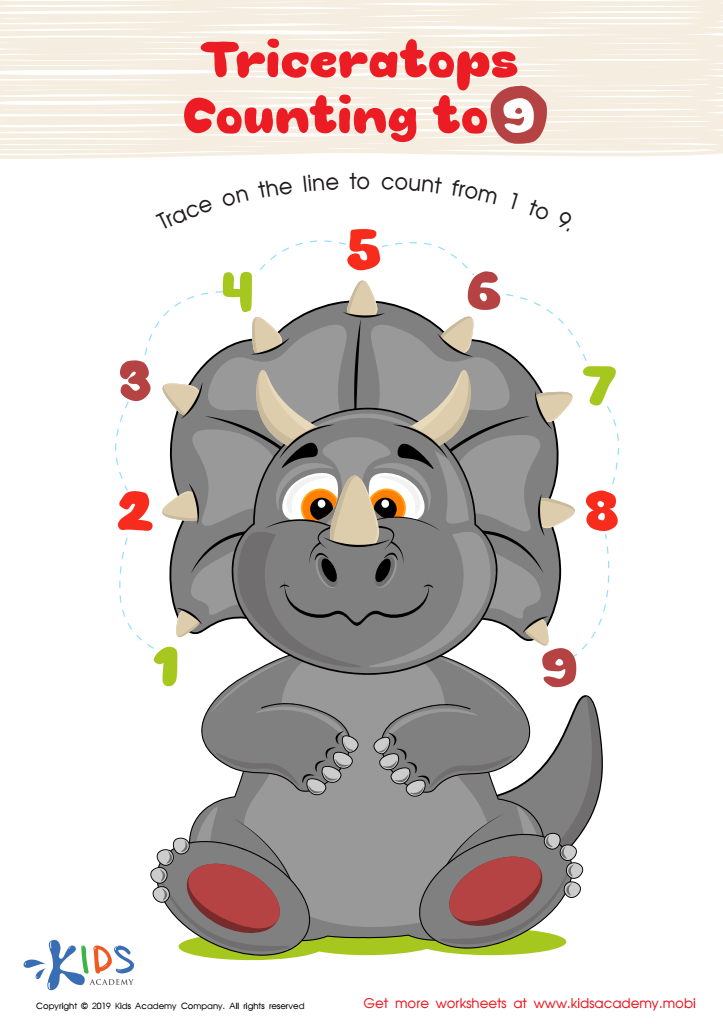
Triceratops Counting to 9 Worksheet
 Assign to My Students

Counting on the City Skyline: Dot-to-Dot Worksheet
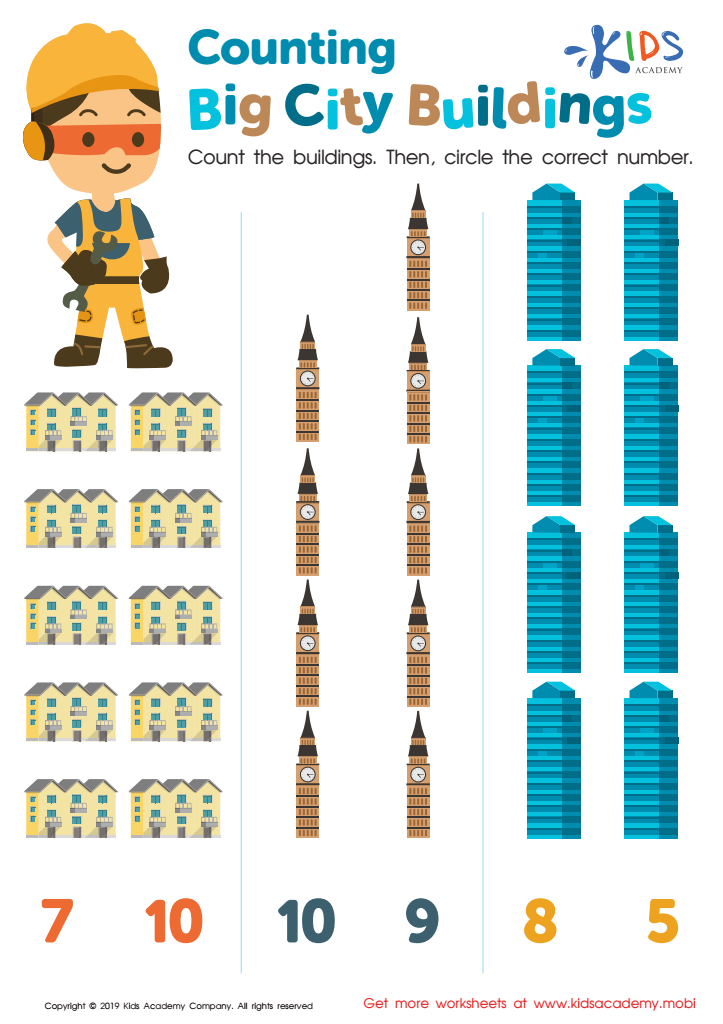
Counting Big City Buildings Worksheet

Night Sky Numbers Worksheet








Fine motor skills are essential for young children, particularly those aged 4-7, as they directly impact their ability to perform tasks that are crucial for their academic and personal development. Fine motor skills involve the coordination of small muscles in the hands and fingers, allowing children to write, draw, cut with scissors, and manipulate small objects. "Fine Motor Skills Easy Numbers" activities not only help children recognize and understand numbers but also enhance their dexterity, hand-eye coordination, and precision.
Incorporating number-based activities targets dual developmental objectives: numerical literacy and motor proficiency. For example, tracing numbers requires children to exercise control and consistency in hand movements, fostering both cognitive and physical skill sets. This dual engagement aids in making the learning process more holistic and effective.
Moreover, developing these skills early sets a strong foundation for future academic achievement. Children who master fine motor tasks are better prepared for the more complex demands of school, such as writing paragraphs, using rulers, or typing on keyboards.
For parents and teachers, focusing on "Fine Motor Skills Easy Numbers" means not just teaching children about counting and numbers, but also preparing them for a wide range of activities that will be vital in their educational journey and everyday life. A strong foundation in fine motor skills can increase a child’s confidence, independence, and ability to learn, making these activities an indispensable part of early childhood education.








