Following instructions Easy Numbers Worksheets for Ages 4-7
5 filtered results
-
From - To
Introducing our "Following Instructions Easy Numbers Worksheets for Ages 4-7," designed to enhance young learners' numeracy skills through simple, engaging activities. These worksheets encourage children to follow directions while practicing number recognition, counting, and sequencing. Fun and educational, they provide a solid foundation in math concepts, perfect for preschool and early elementary levels. Our visually appealing and age-appropriate exercises help improve concentration, listening skills, and fine motor coordination. Boost your child’s confidence in math with our easy-to-follow worksheets that make learning enjoyable and interactive. Ideal for classroom use or homeschooling. Download now to start the adventure!
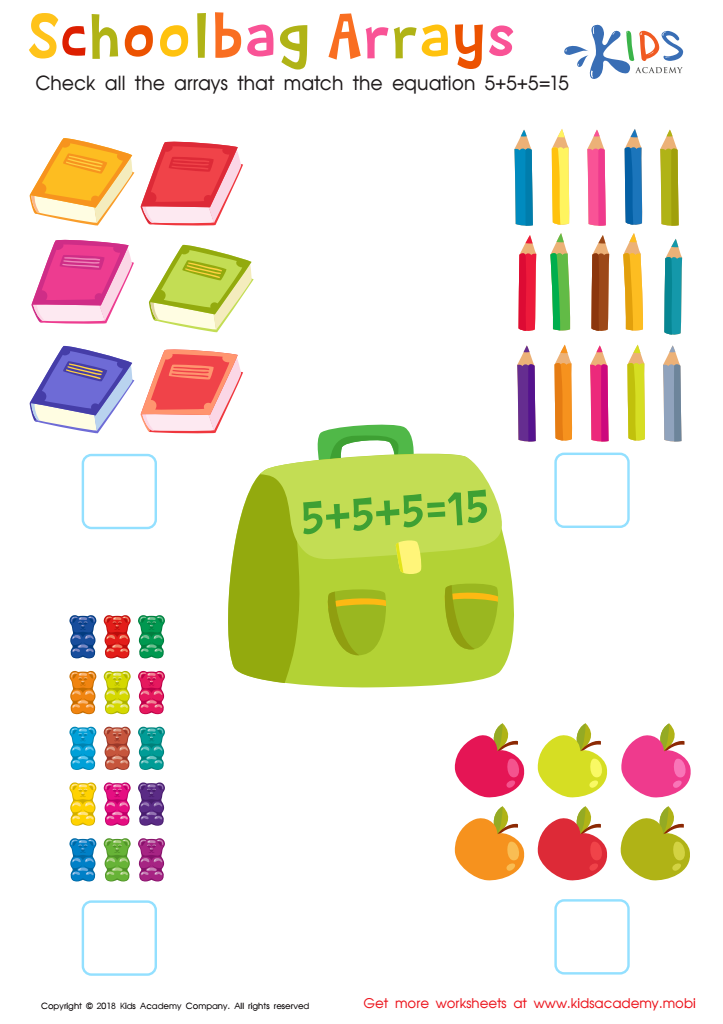
Schoolbag Arrays Worksheet
 Assign to My Students
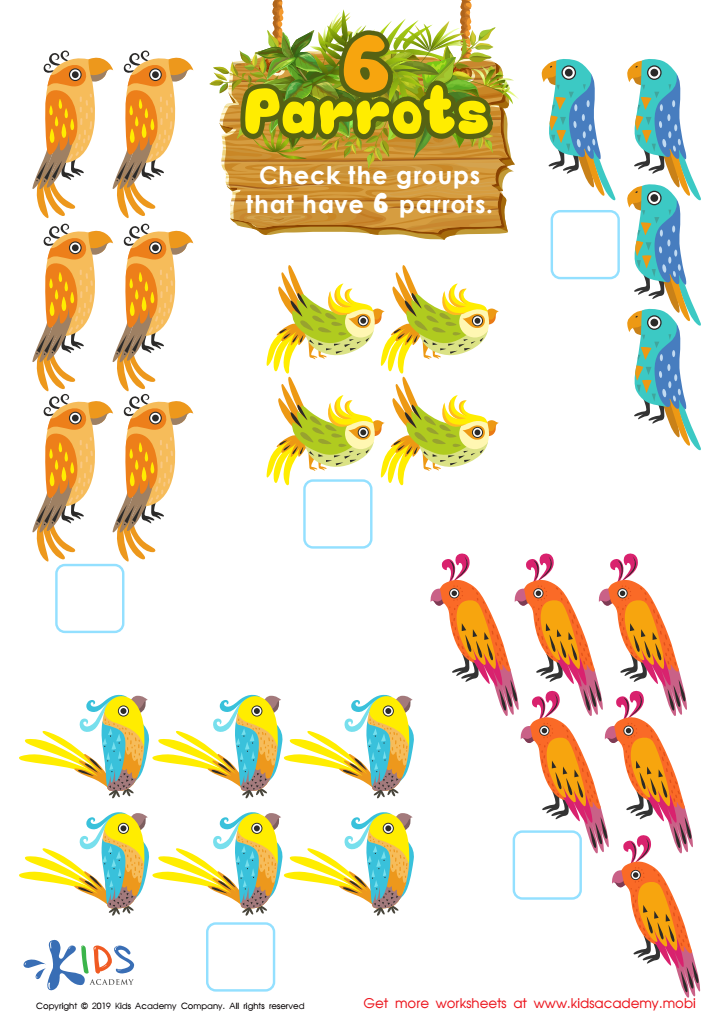
6 Parrots Worksheet
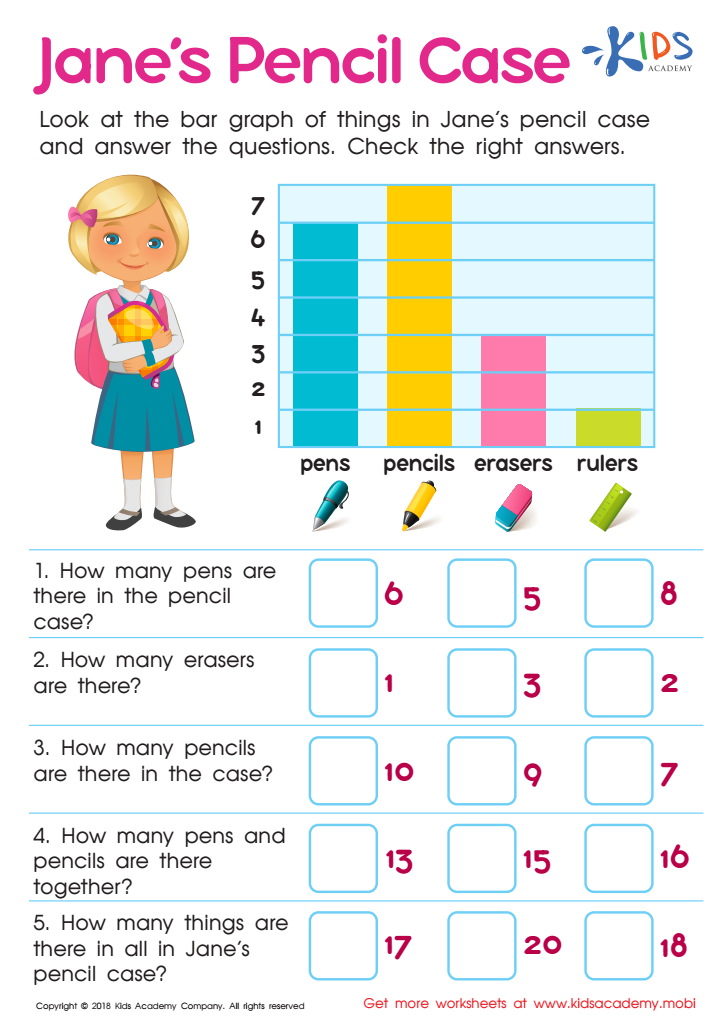
Jane's Pencil Case Worksheet
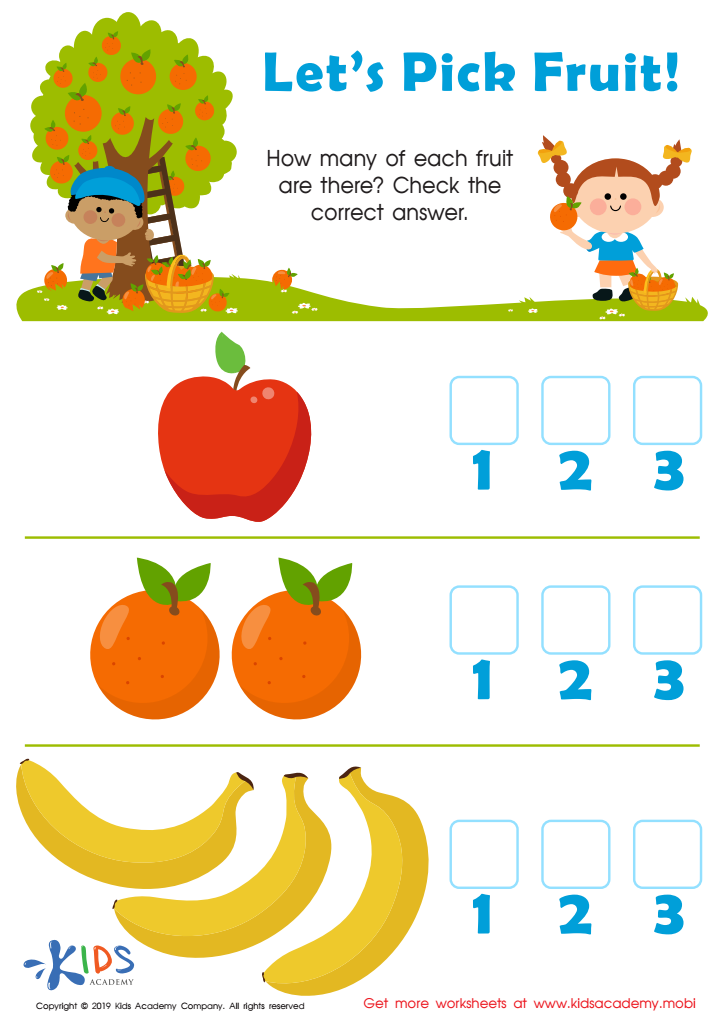
Let's Pick Fruit Worksheet
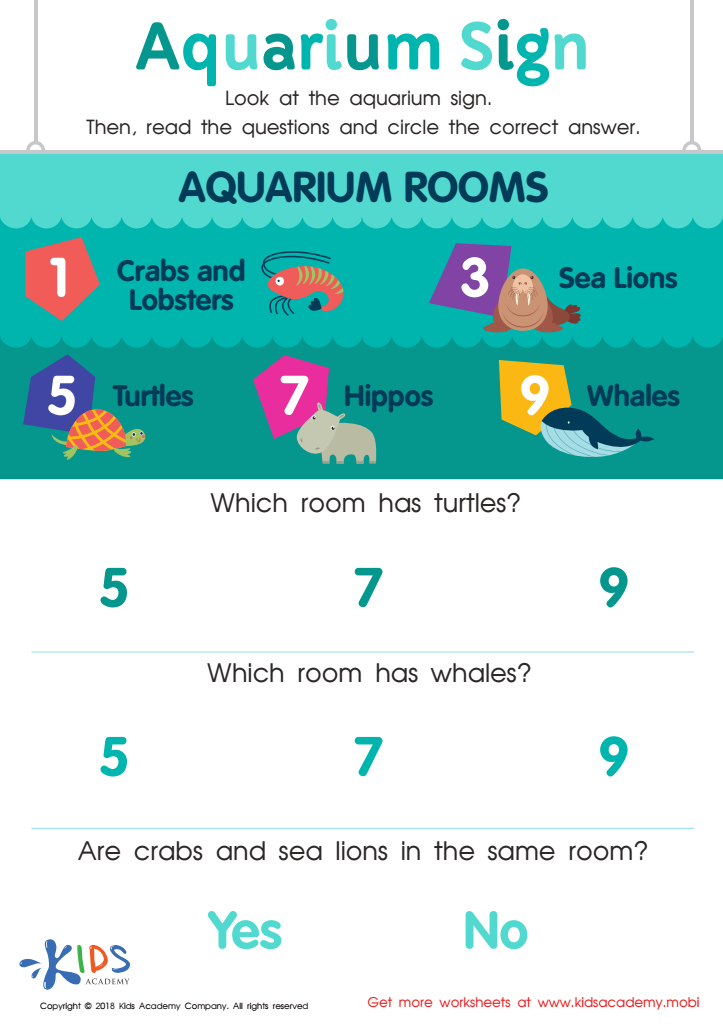
Assessment: Aquarium Sign Worksheet








Ensuring that children ages 4-7 can follow instructions and understand basic numbers is crucial for their cognitive and social development. These foundational skills lay the groundwork for future academic success and everyday functioning.
When children learn to follow instructions, they develop essential listening skills and the ability to focus and process information. This ability translates across different subjects and contexts, aiding them in classroom tasks and social interactions. Following instructions helps children understand the importance of sequence, attention to detail, and adherence to routines, all of which are vital for learning and behavior management.
Basic numeracy skills empower young minds with the tools they need to think logically and solve problems. Early familiarity with numbers fosters a positive attitude toward mathematics, a subject integral to their education. Additionally, early numeracy contributes to everyday skills such as recognizing time, counting money, and understanding quantities.
Both these abilities – following instructions and grasping basic numbers – contribute to a child’s confidence and independence. By focusing on these skills, parents and teachers create a supportive learning environment that encourages curiosity and persistence, ultimately leading to a more well-rounded, capable, and confident individual ready for the challenges of future schooling.








