Fine Motor Skills Easy Math Worksheets for Ages 4-7 - Page 2
43 filtered results
-
From - To
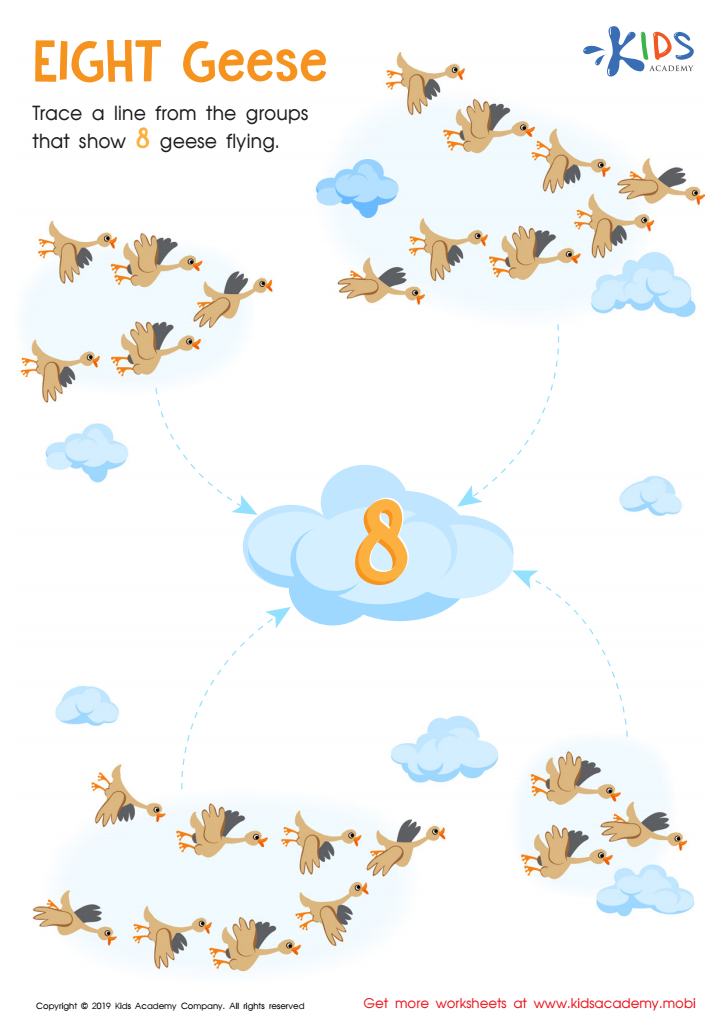
Eight Geese Worksheet
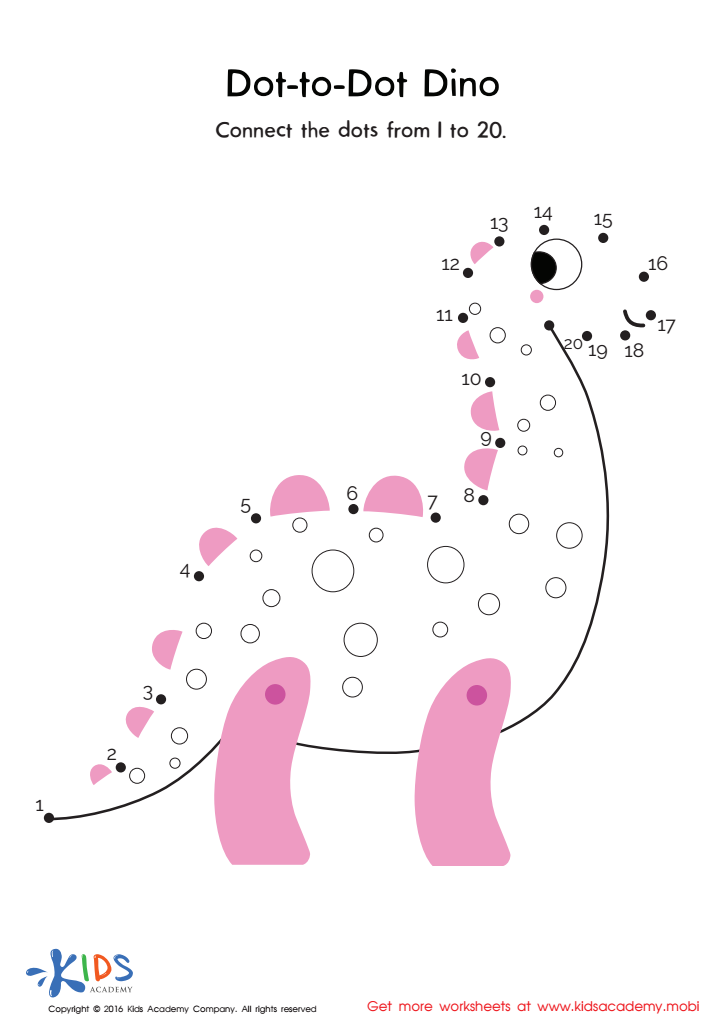
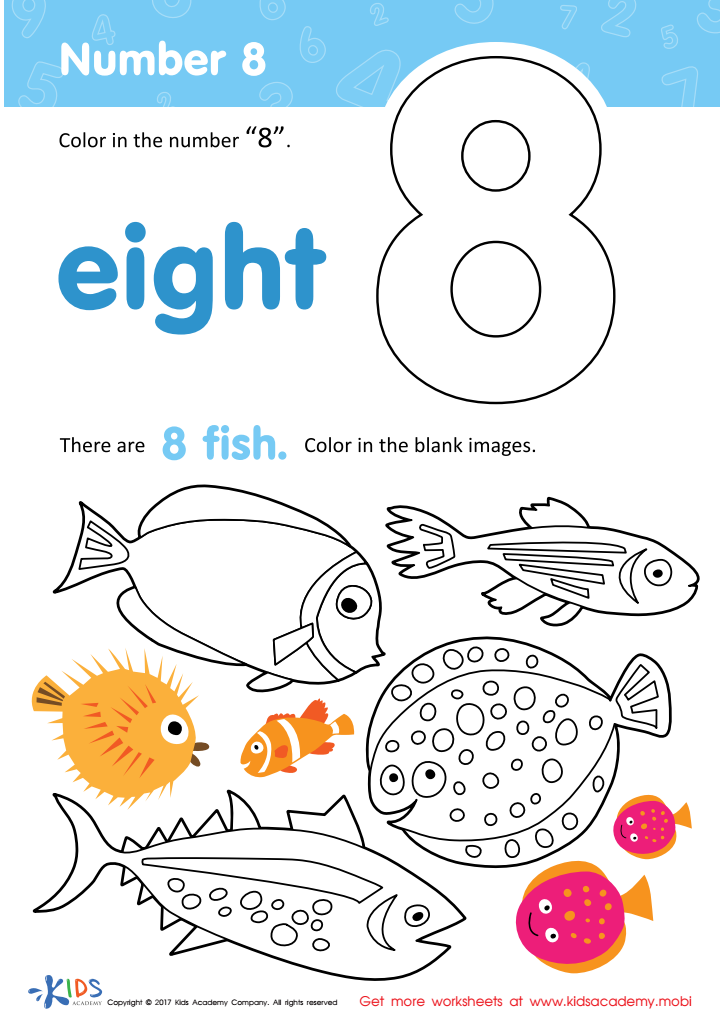
Number 8 Printable
 Assign to My Students
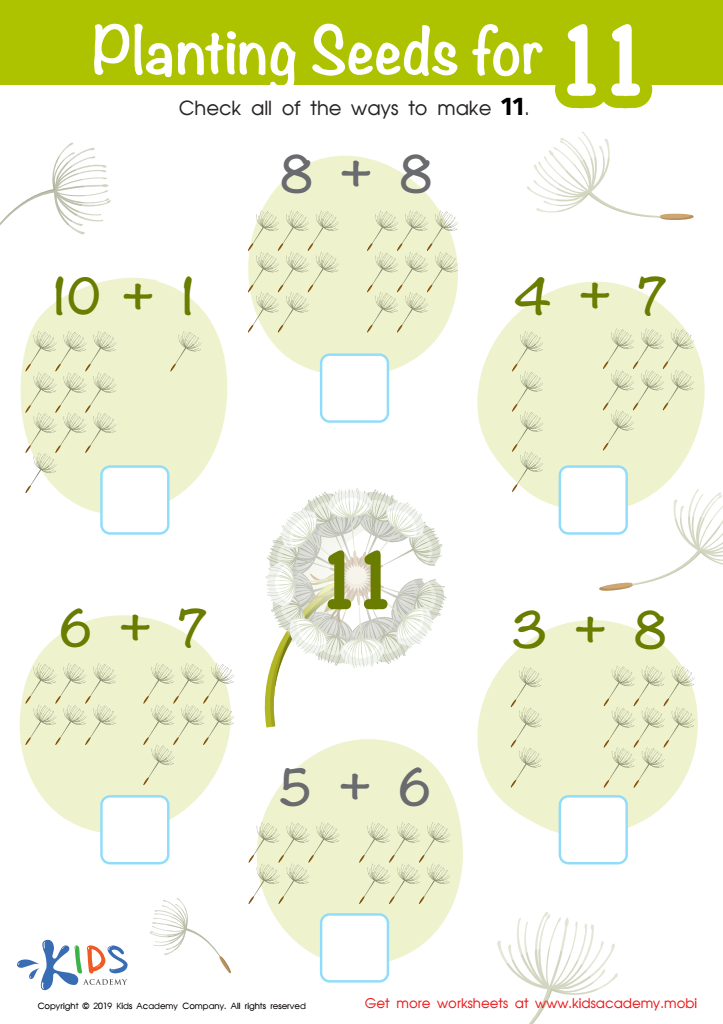
Planting Seeds for 11 Worksheet
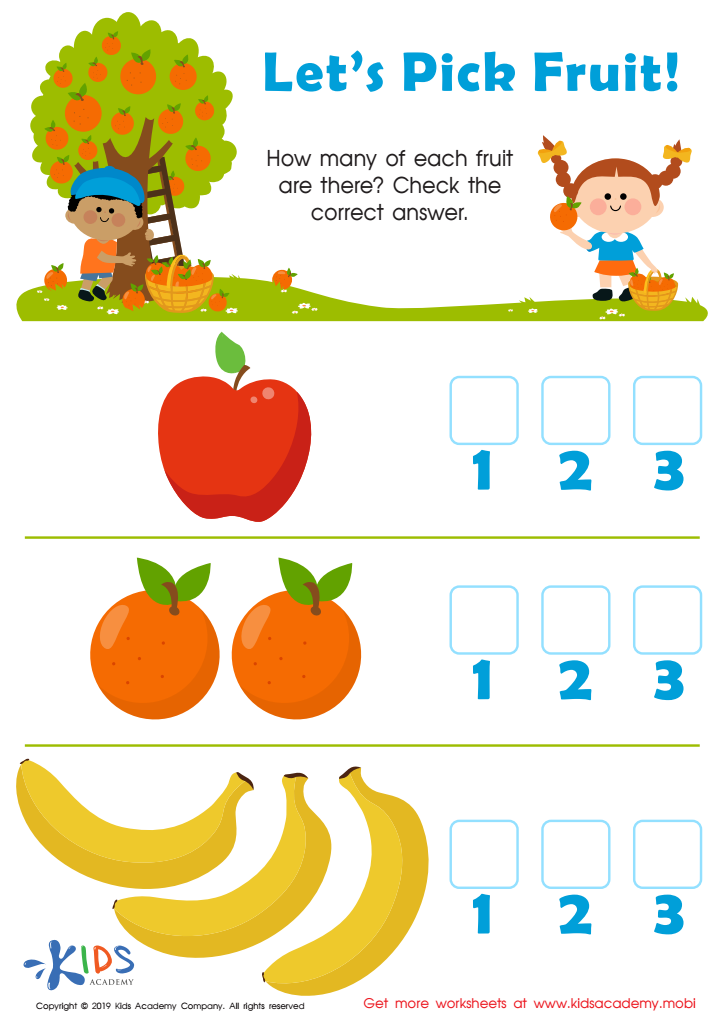
Let's Pick Fruit Worksheet
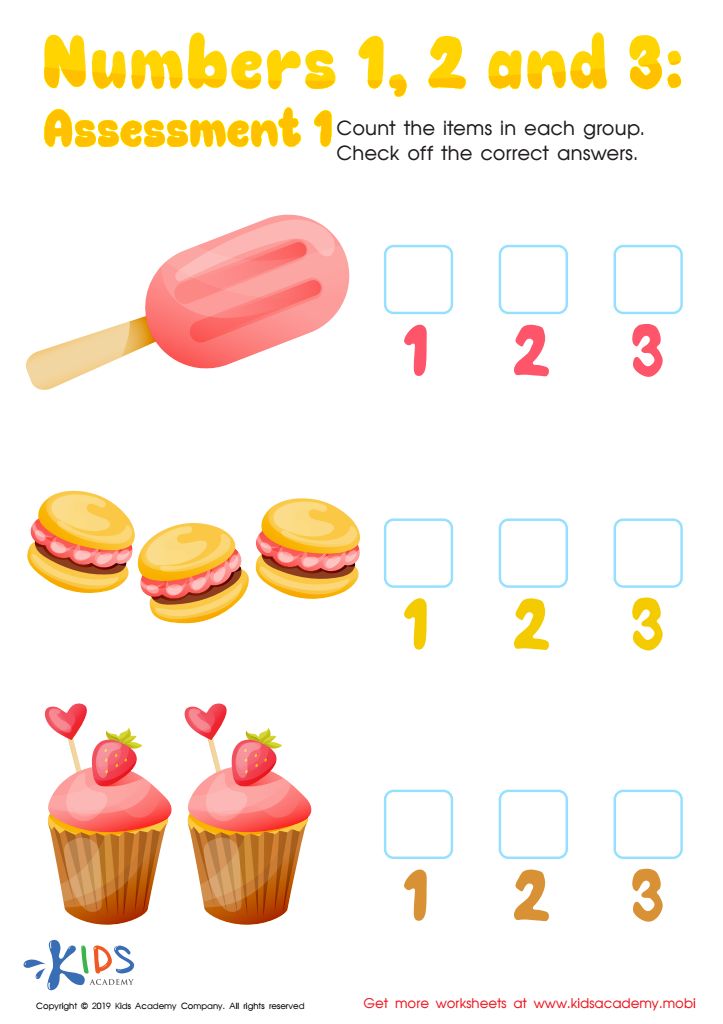
Numbers 1, 2 and 3: Assessment 1 Worksheet
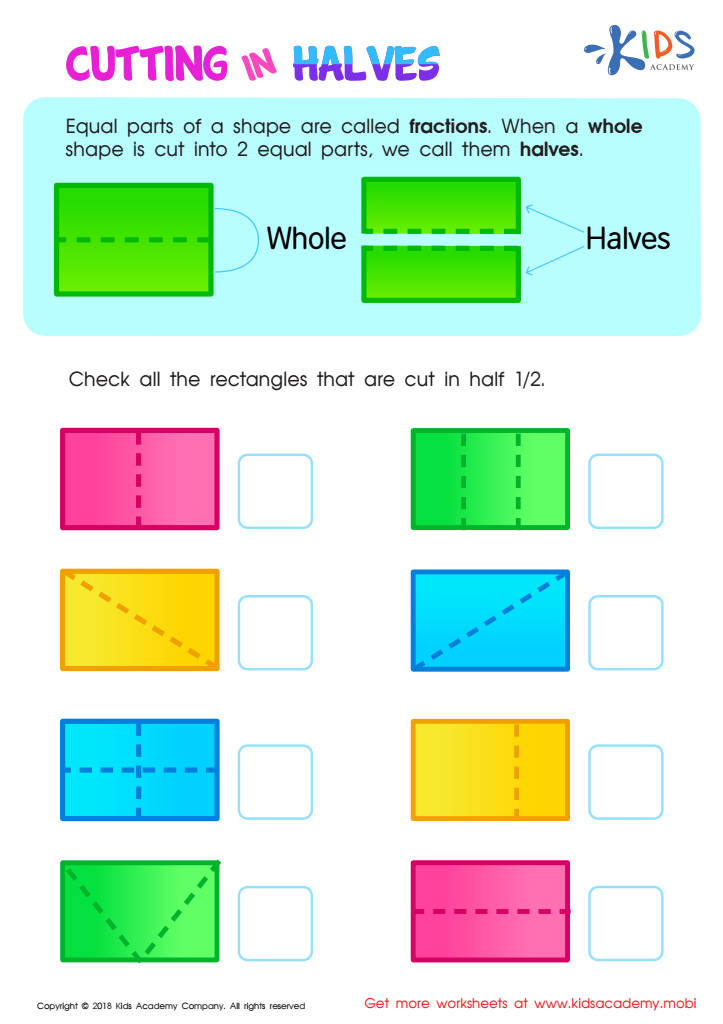
Cutting in Halves Worksheet
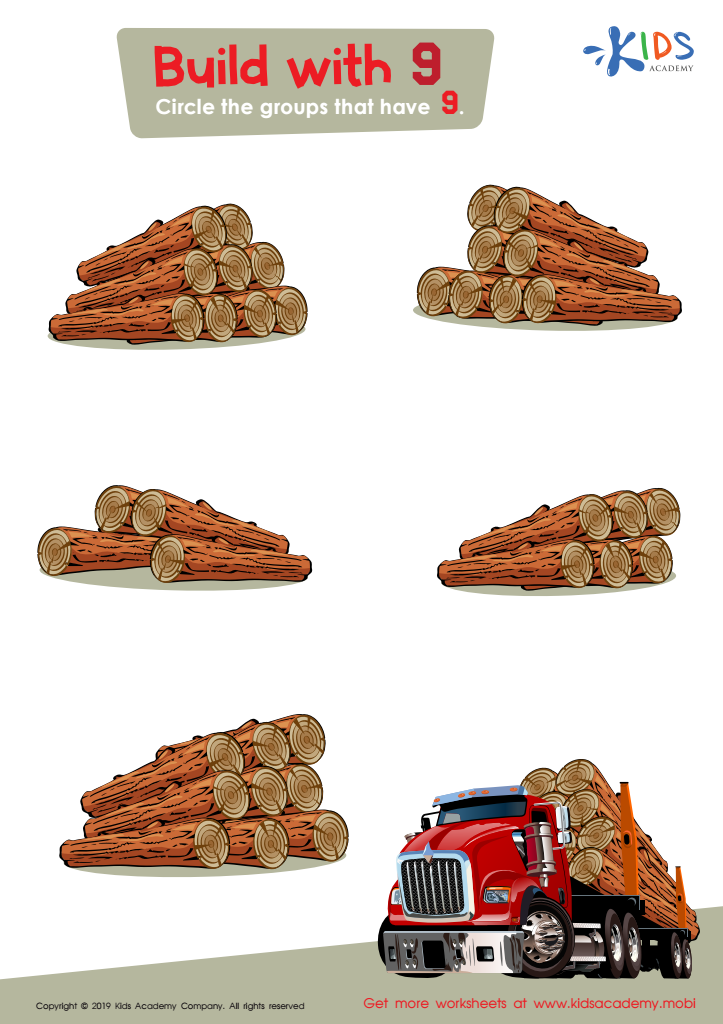
Build with 9 Worksheet
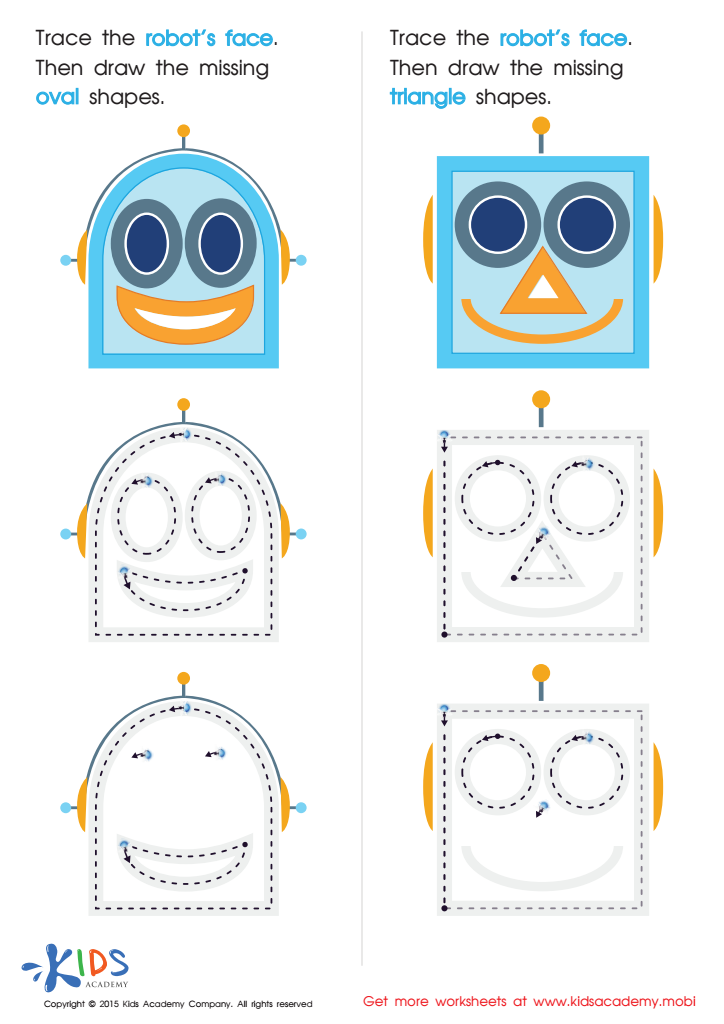
Drawing Ovals And Triangles with Fun Printable
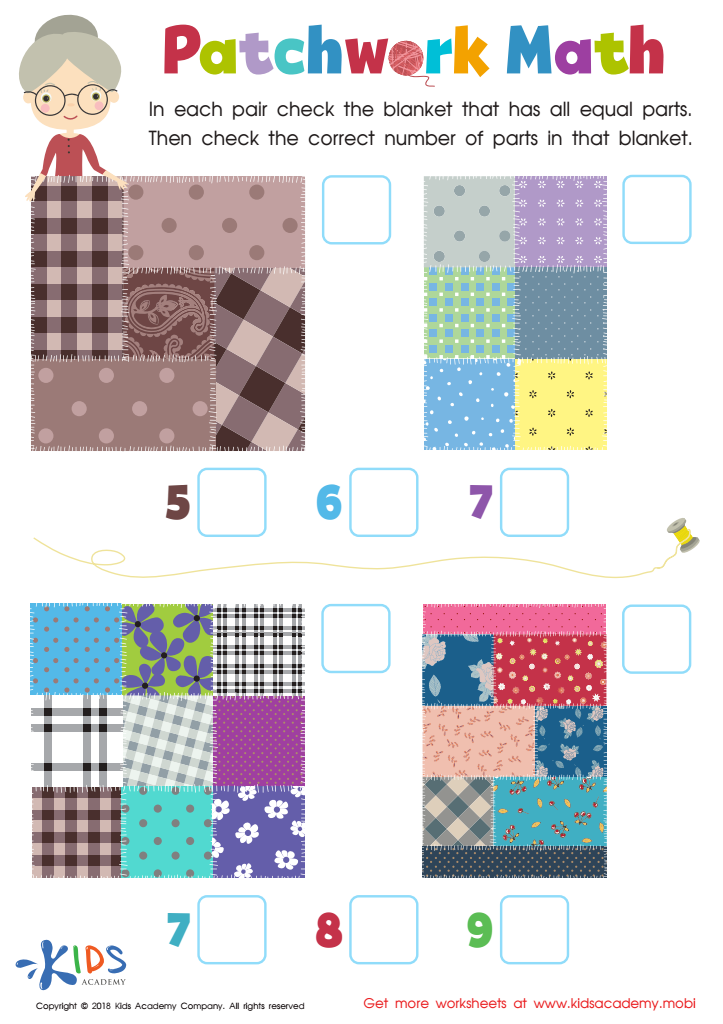
Patchwork Math Worksheet
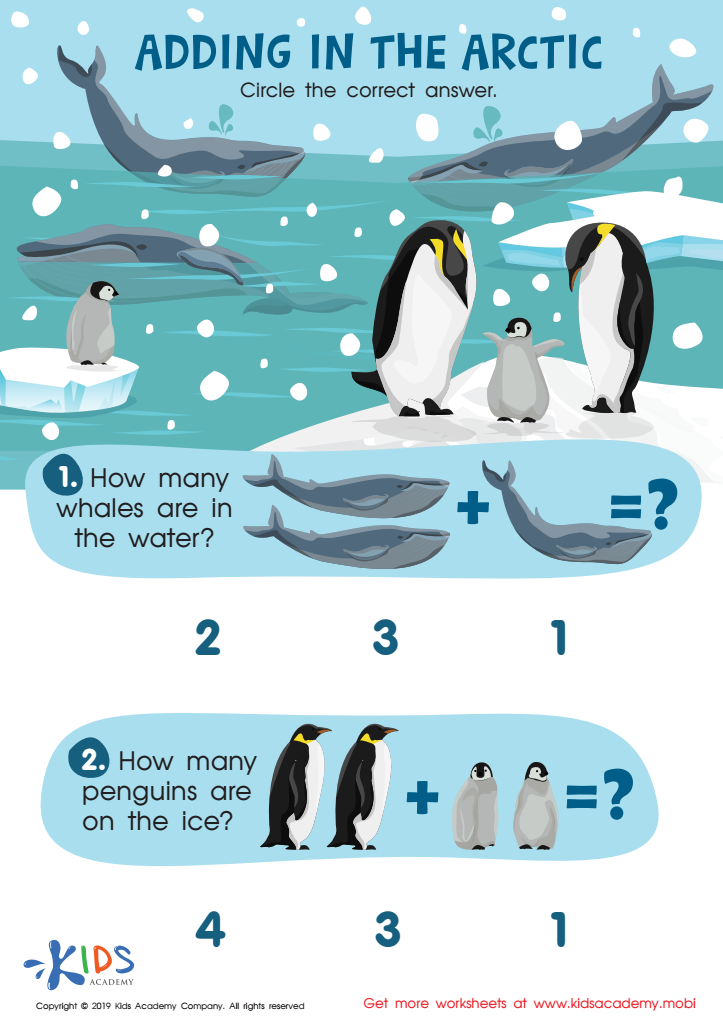
Adding in the Arctic Worksheet
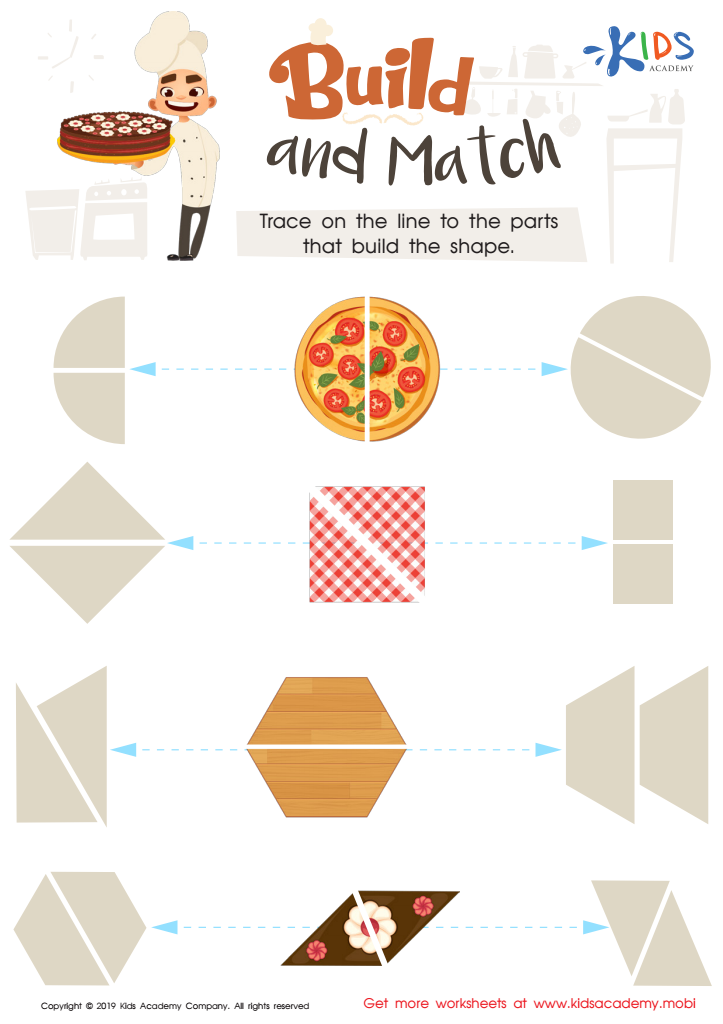
Build and Match Worksheet
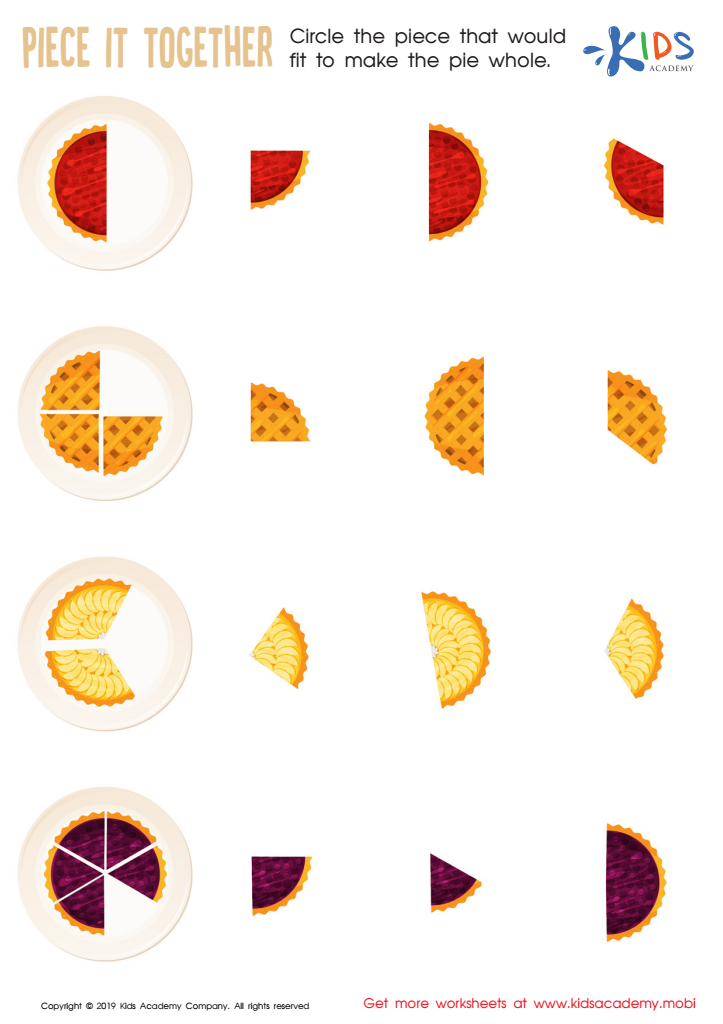
Piece it together Worksheet
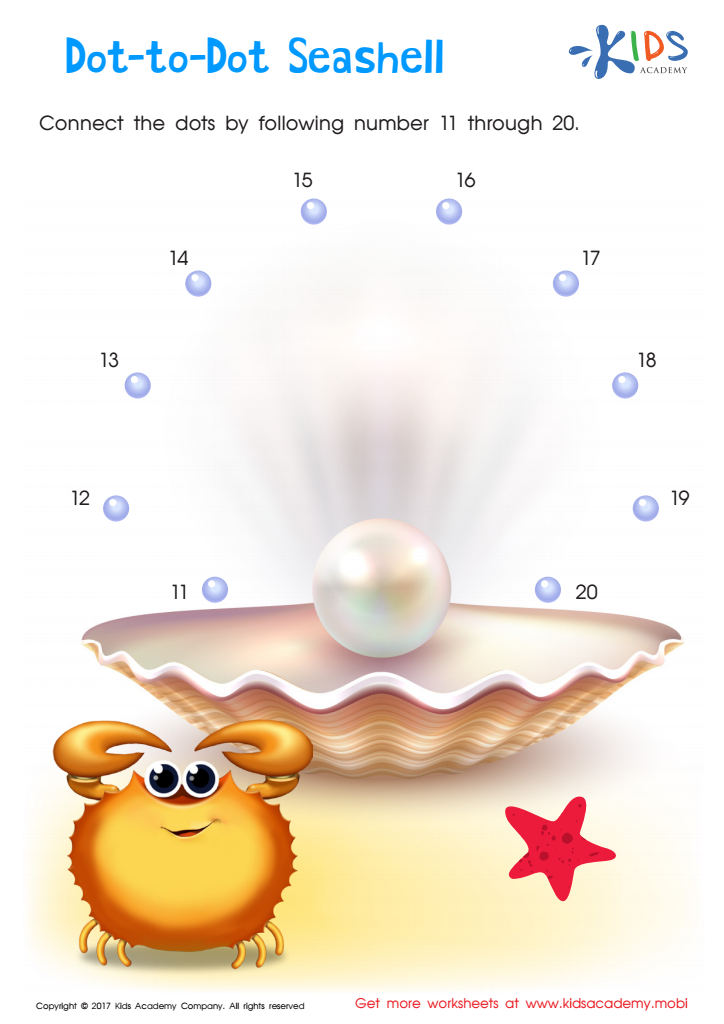
Ordering 11–20: Dot–to–dot Seashell Printable
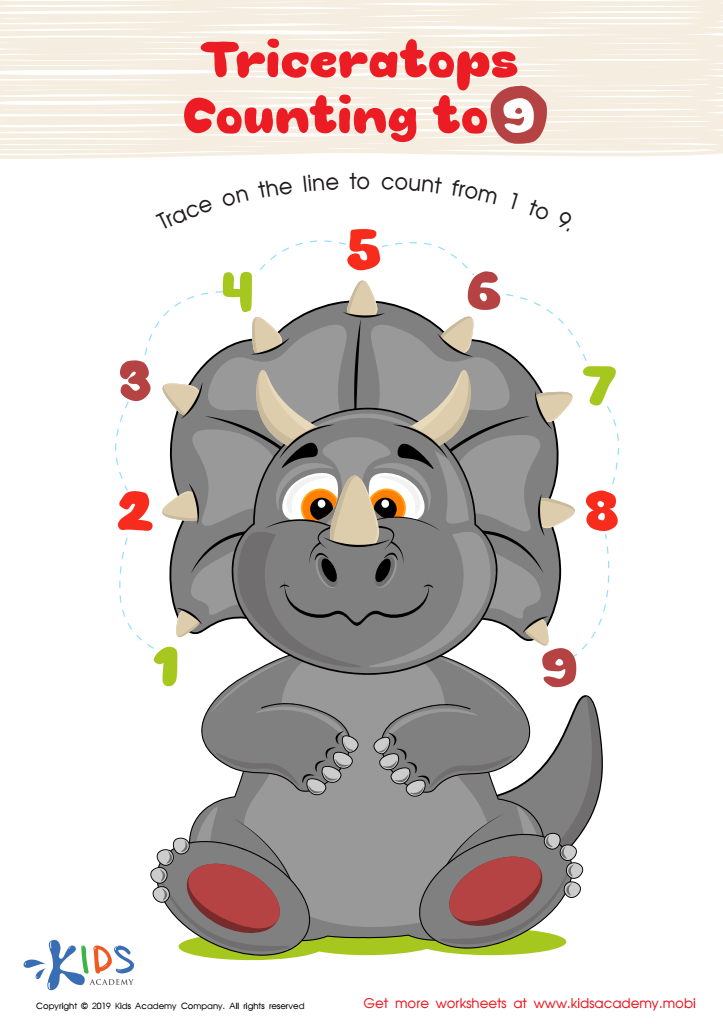
Triceratops Counting to 9 Worksheet
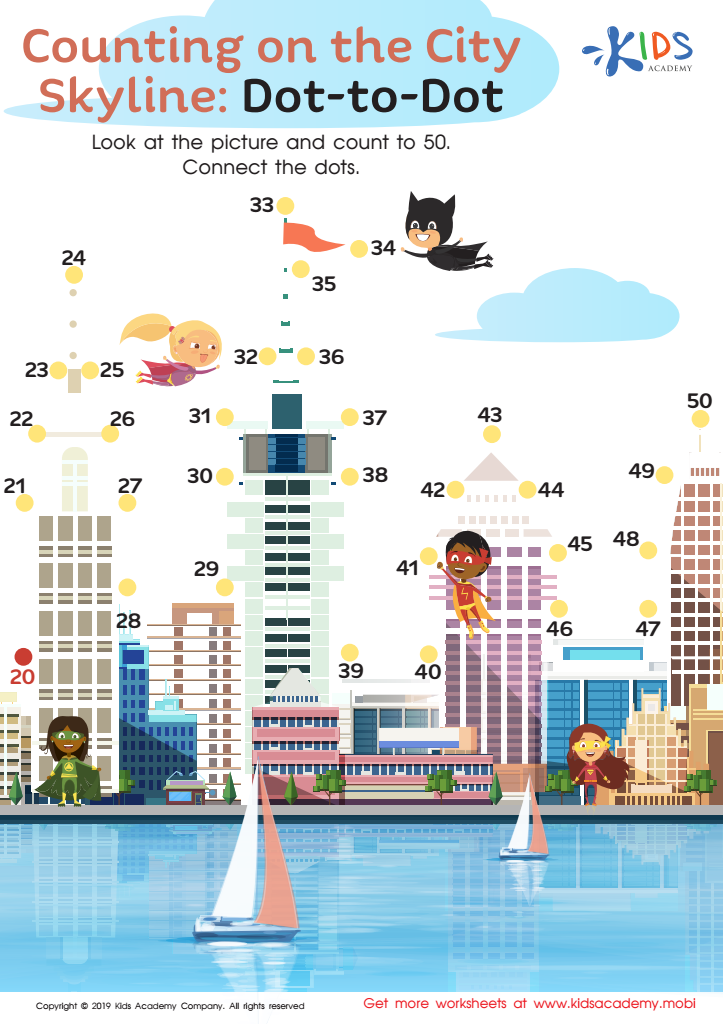
Counting on the City Skyline: Dot-to-Dot Worksheet
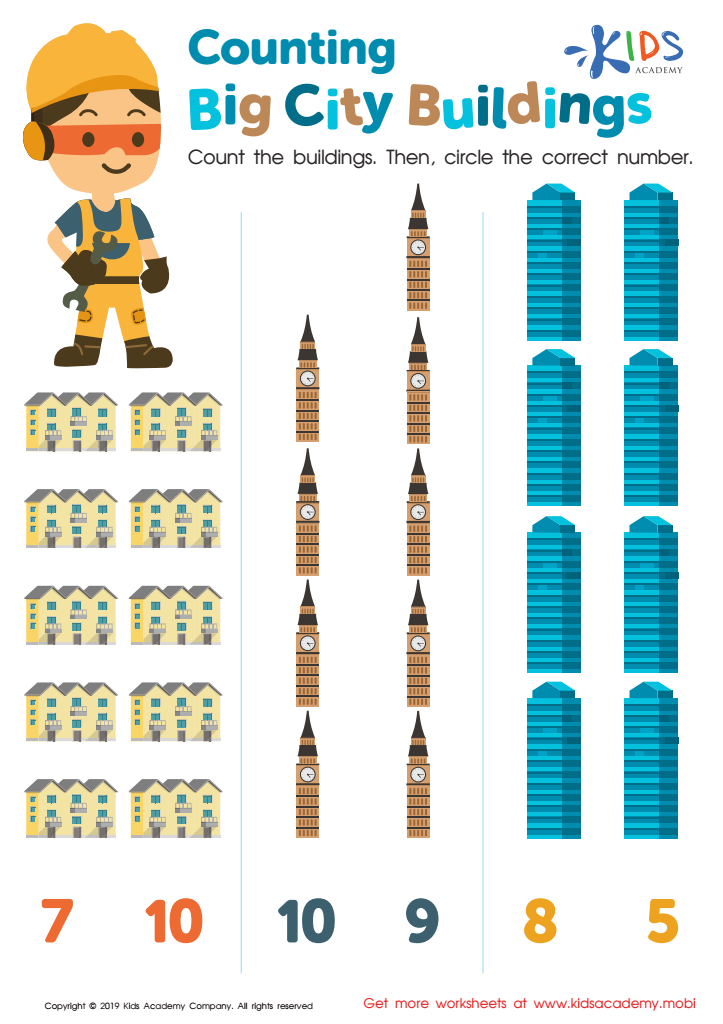
Counting Big City Buildings Worksheet
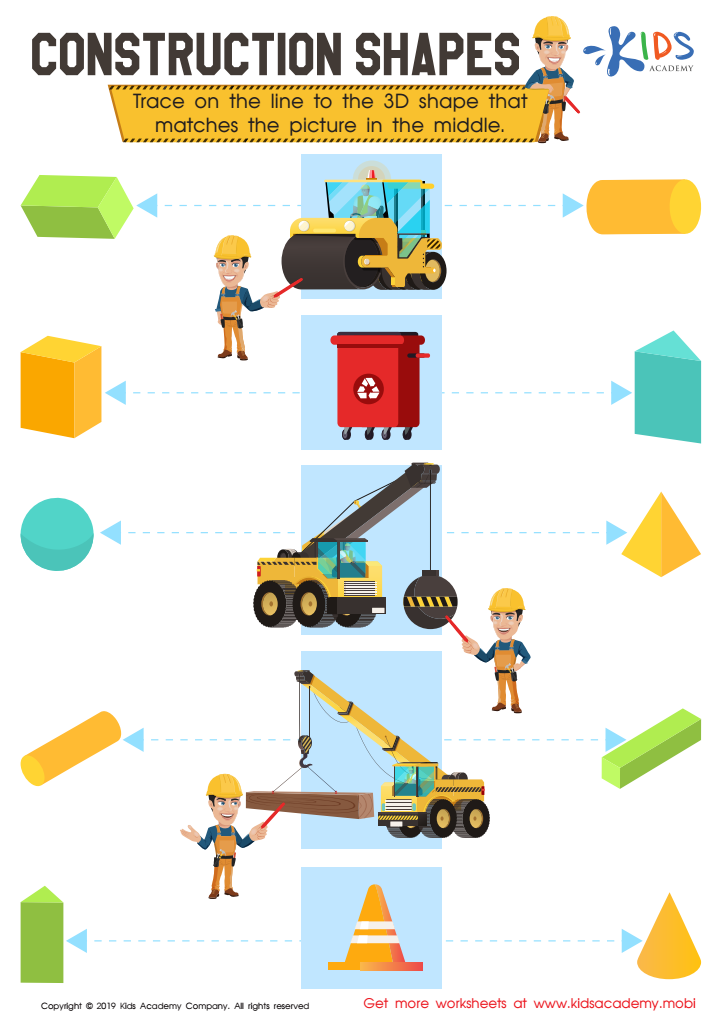
Construction Shapes Worksheet

Night Sky Numbers Worksheet



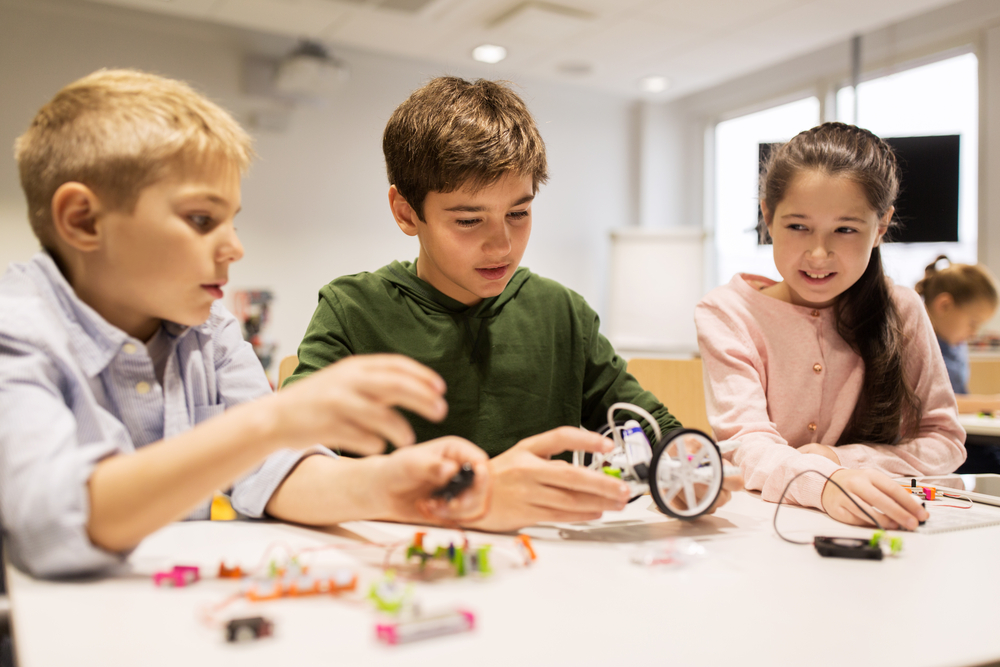


Fine motor skills play a crucial role in a child's overall development, particularly in early mathematics. For children aged 4 to 7, these skills involve the use of small muscles in the hands, allowing them to perform tasks such as grasping pencils, manipulating small objects, and engaging in activities like cutting and pasting. Developing these abilities is essential not only for everyday tasks but also for foundational math skills.
Engaging in fine motor activities can enhance a child's ability to work with manipulatives, which are vital for understanding mathematical concepts such as counting, sorting, and pattern recognition. When children can effectively manipulate tools and materials, they gain confidence in their problem-solving abilities, fostering a love for learning.
Moreover, strong fine motor skills often lead to greater proficiency in writing and other academic tasks. As children learn to control their movements, they are better equipped to demonstrate their understanding of mathematical concepts. Parents and teachers should prioritize fine motor development through enjoyable, hands-on activities. This support not only enhances math readiness but also nurtures creativity, critical thinking, and a positive attitude toward learning, setting the stage for success throughout their educational journey.








