Problem-solving practice Easy Math Worksheets for Ages 4-7
3 filtered results
-
From - To
Boost your child's critical thinking and numerical skills with our Problem-Solving Practice Easy Math Worksheets designed specifically for ages 4-7. These engaging worksheets encourage young learners to tackle math challenges through fun puzzles, patterns, and word problems. Each worksheet is crafted to enhance foundational math skills, such as counting, addition, and subtraction, while fostering logical reasoning abilities. Perfect as a supplementary learning tool for both home and classroom settings, our easy math worksheets make problem-solving practice effortless and enjoyable for kids. Equip your little mathematician with the confidence and skills they need to excel in math.
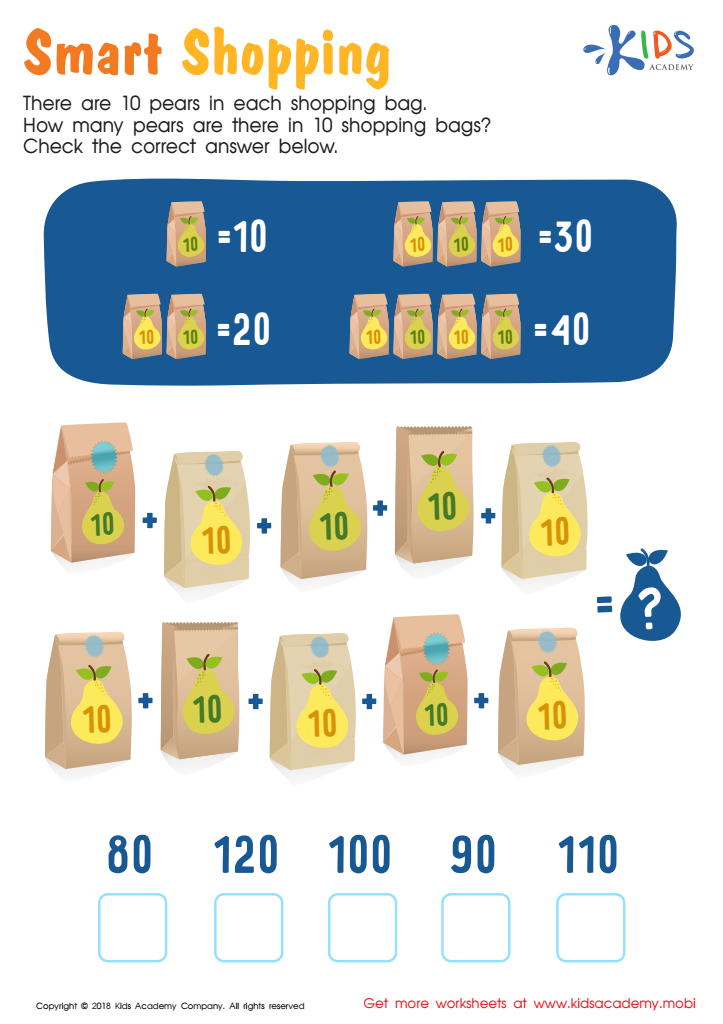
Smart Shopping: Trade Tens for a Hundred Worksheet
 Assign to My Students
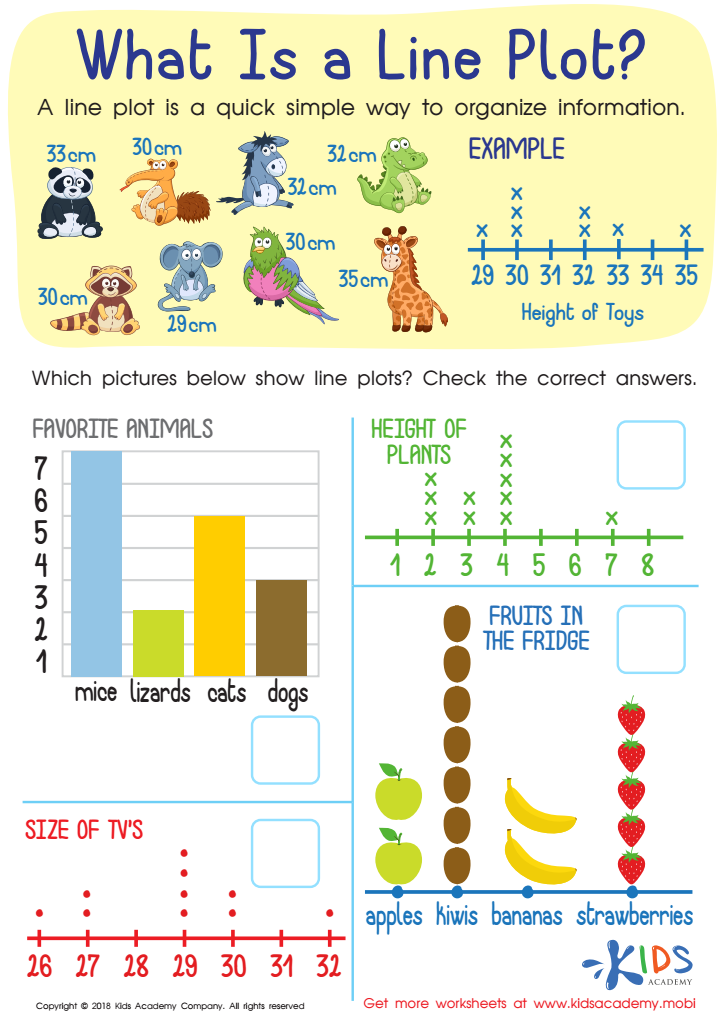
What Is a Line Plot? Worksheet
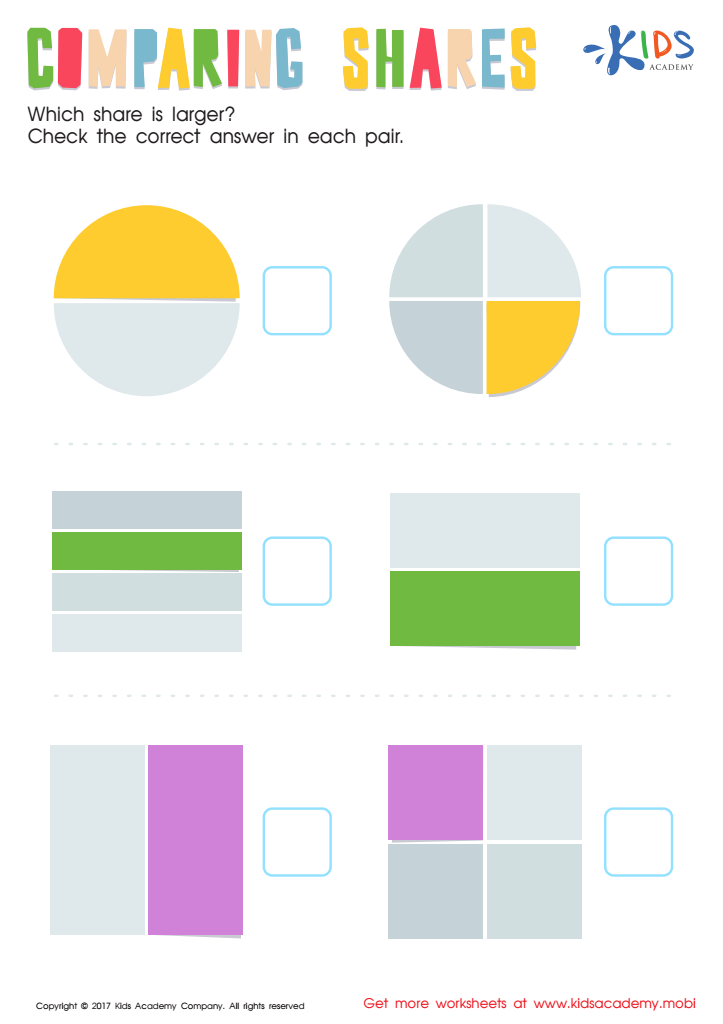
Comparing Shares Worksheet


.jpg)





Parents and teachers should care about problem-solving practice in easy math for ages 4-7 because it lays a crucial foundation for a child's cognitive development and future academic success. Engaging young learners in simple math tasks enhances their critical thinking and analytical skills. At this age, children's brains are highly receptive and capable of developing the mental processes needed for problem-solving.
Introducing math early on helps build a positive attitude toward the subject, reducing math anxiety, which can otherwise become a barrier in later years. These early experiences with numbers, patterns, and logical reasoning support the development of essential life skills such as decision-making, reasoning, and spatial awareness.
Moreover, easy math problem-solving activities foster perseverance and resilience. When children encounter and work through problems, they learn the value of effort and adaptability. These experiences also provide opportunities for parents and teachers to interact meaningfully with children, offering encouragement and support.
In summary, prioritizing easy math problem-solving practice for young children not only contributes to their immediate academic preparations but also equips them with critical tools and a confident mindset that benefit long-term educational and personal growth.








