Easy Numbers 0–10 Worksheets for Ages 4-7 - Page 4
74 filtered results
-
From - To
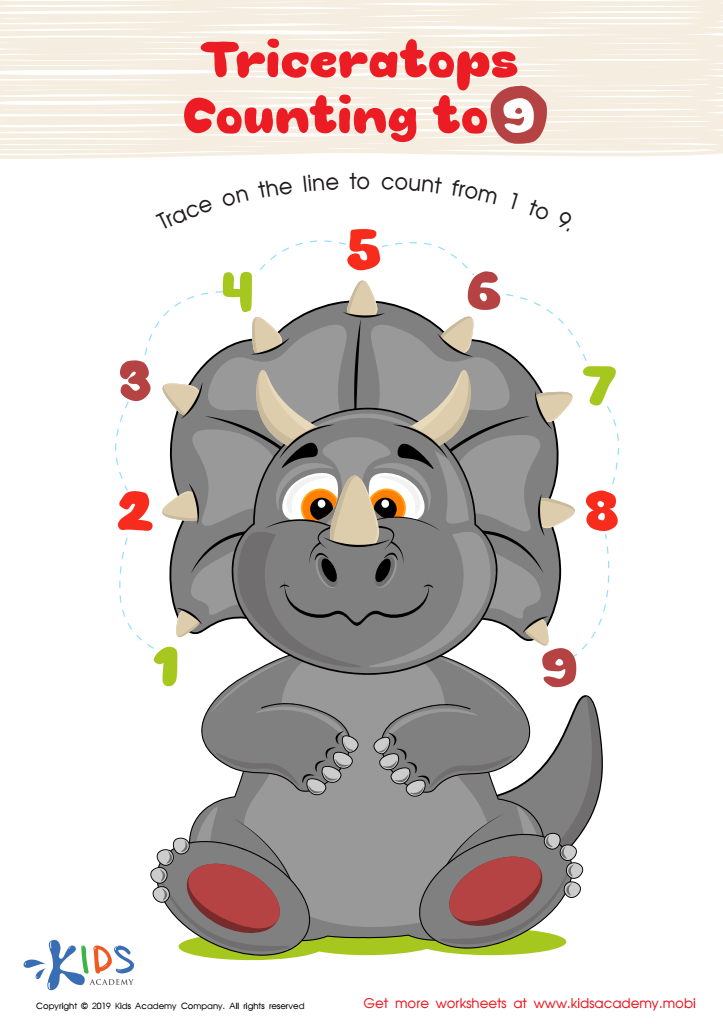
Triceratops Counting to 9 Worksheet
 Assign to My Students

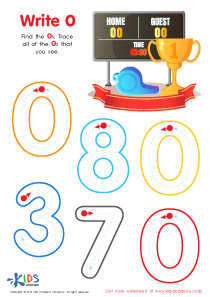
Night Sky Numbers Worksheet








Parents and teachers should prioritize teaching Easy Numbers 0–10 to children aged 4-7 because this foundational skill significantly impacts their academic development and everyday life. At this age, children are naturally curious, and introducing them to numbers prepares them for more complex mathematical concepts in the future. Understanding numbers enables kids to grasp essential skills such as counting, addition, and subtraction, which form the basis of math literacy.
Early number recognition fosters confidence as children learn to compare quantities, understand sequences, and develop logical thinking. It also enhances their problem-solving abilities, allowing them to tackle real-life situations, such as sharing items or grouping objects. Moreover, math literacy is closely linked to overall academic performance, influencing areas like reading and reasoning skills.
Additionally, engaging with numbers through playful and interactive activities creates a joyful learning environment that motivates children to explore mathematics further. By instilling a love for numbers early on, parents and teachers can help shape positive attitudes towards learning, promoting resilience and a growth mindset. Now more than ever, equipping children with these skills empowers them for future success in school and life. Therefore, nurturing number proficiency in this age group is a vital investment in their overall development.