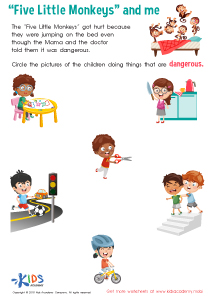
Word Recognition Easy Building Vocabulary Worksheets for Ages 4-7
3 filtered results
-
From - To
Discover our engaging "Word Recognition Easy Building Vocabulary Worksheets" designed specifically for children aged 4-7. These fun, interactive resources focus on enhancing early reading skills by introducing essential vocabulary and sight words. Our worksheets feature vibrant illustrations and simple activities that captivate young learners while boosting their word recognition abilities. As they practice through varied exercises, kids will build confidence in reading and comprehension. Ideal for both classroom and home settings, these worksheets promote essential learning through play. Support your child's literacy journey today with accessible materials that make learning enjoyable and effective! Explore our collection and watch their vocabulary grow!
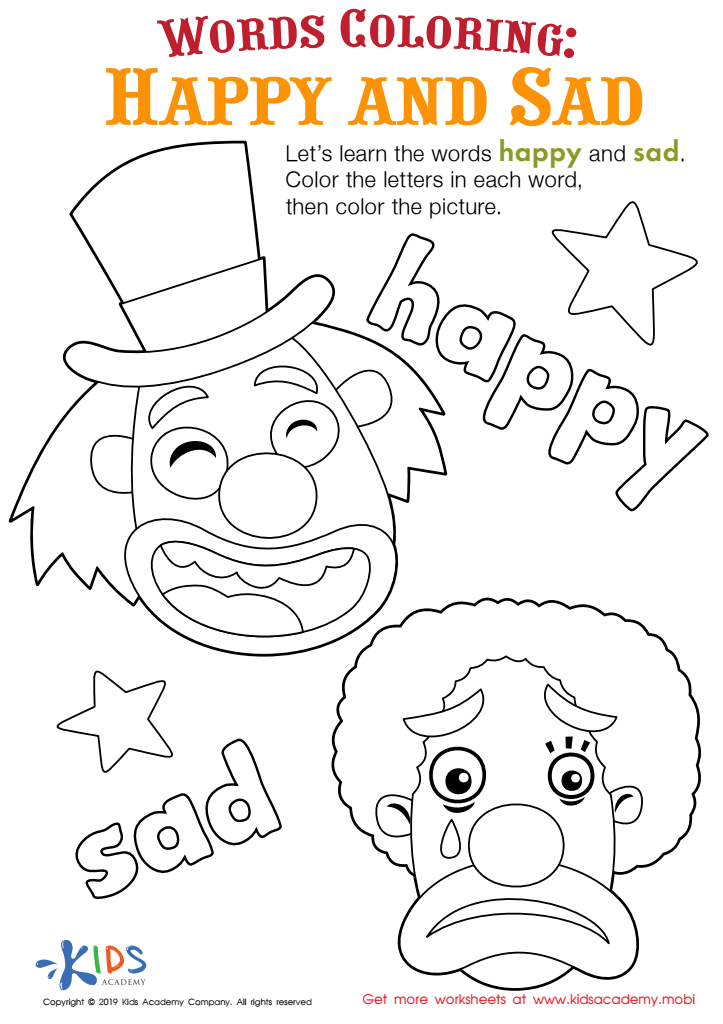
Happy and Sad Words Coloring Worksheet
 Assign to My Students











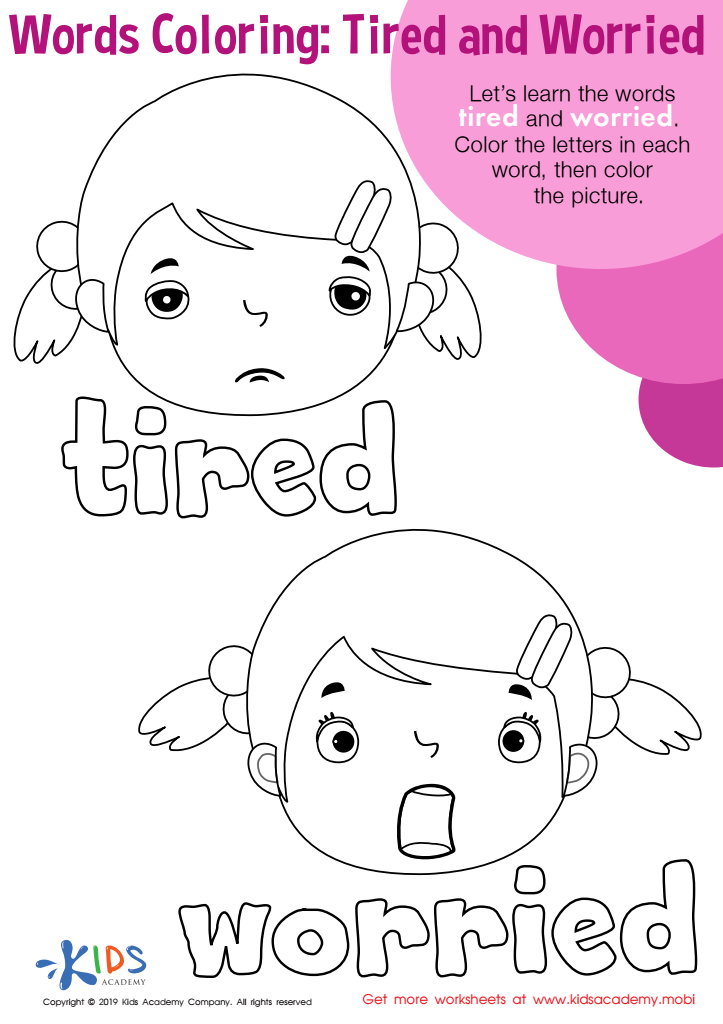
Tired and Worried Words Coloring Worksheet
Assign to My Students
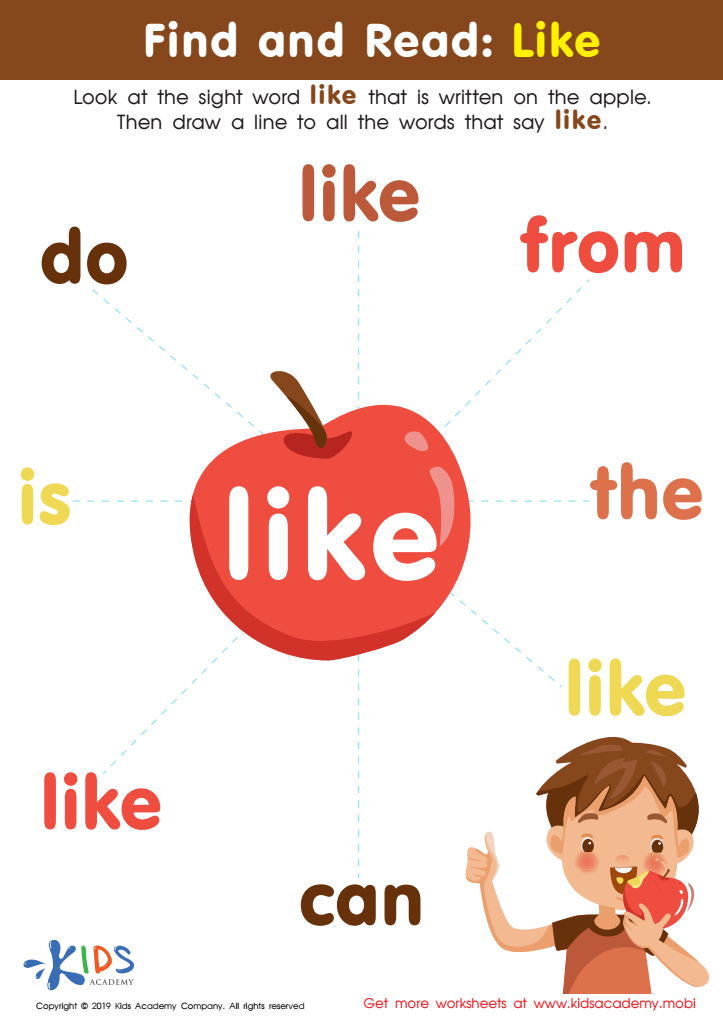
Find and Read: Like Worksheet







.jpg)
Word recognition and vocabulary building are critical components of literacy development for children ages 4-7. During this formative stage, children are quick to absorb language skills, and the foundation they build can significantly impact their future learning.
Effective word recognition enables children to identify words quickly and accurately, which is essential for reading fluency. When children can recognize words, they focus more on comprehension and begin to enjoy reading as a cohesive activity rather than a chore. This skill is not only vital in academic settings but also in everyday life, enhancing their ability to communicate effectively.
Building vocabulary is equally important. A rich vocabulary allows children to express themselves more clearly and understand diverse contexts, boosting their confidence and sense of identity. Engaging with new words introduces them to different concepts and cultures, fostering curiosity and critical thinking.
Moreover, early exposure to a wide array of words can lead to stronger performance in standardized tests and is linked to academic success later in schooling. Thus, parents and teachers should prioritize word recognition and vocabulary building activities, such as reading aloud, playing word games, and encouraging conversations, to set young learners on a path to lifelong literacy and learners.