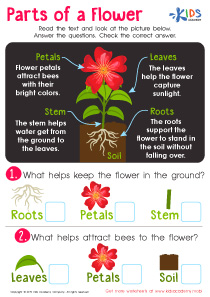
Sequencing Skills Easy Reading Fiction Worksheets for Ages 4-7
3 filtered results
-
From - To
Enhance early reading abilities with our "Sequencing Skills Easy Reading Fiction Worksheets" designed for ages 4-7. These engaging worksheets help young learners understand the order of events in stories, strengthening their comprehension and critical thinking. Through fun exercises and captivating illustrations, kids will practice arranging story sequences correctly, building a solid foundation for reading fluency and narrative skills. Ideal for both classroom and home, our resource ensures children enjoy while learning one of the most vital literacy skills. Develop storytelling prowess and chronological understanding with these user-friendly, contextually rich materials.
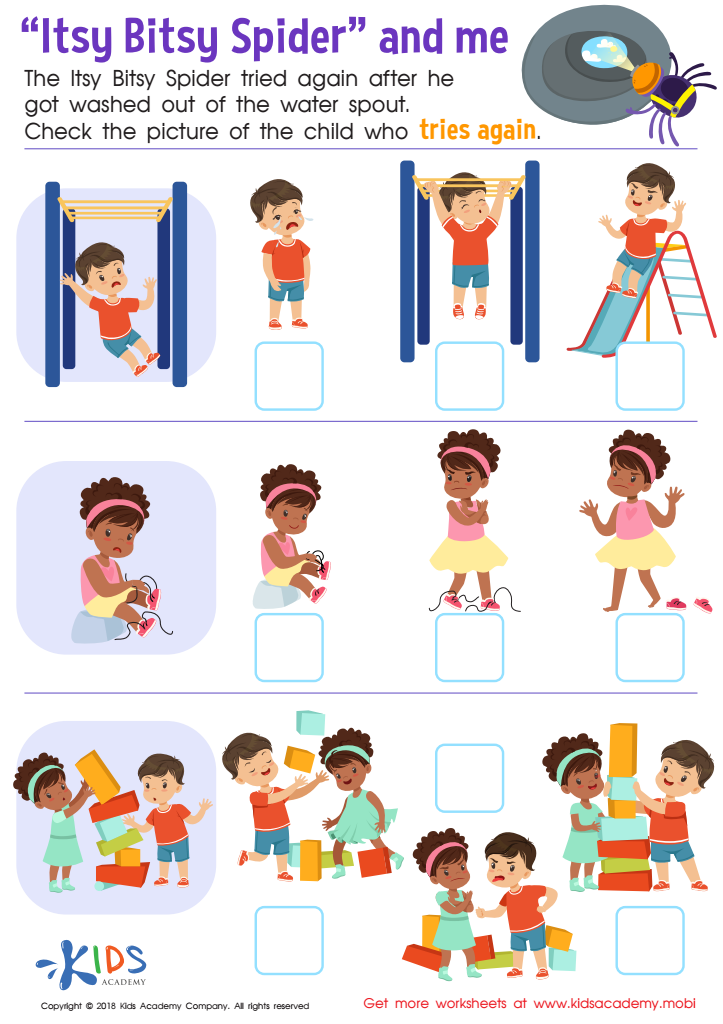
Itsy Bitsy Spider and Me Worksheet
 Assign to My Students
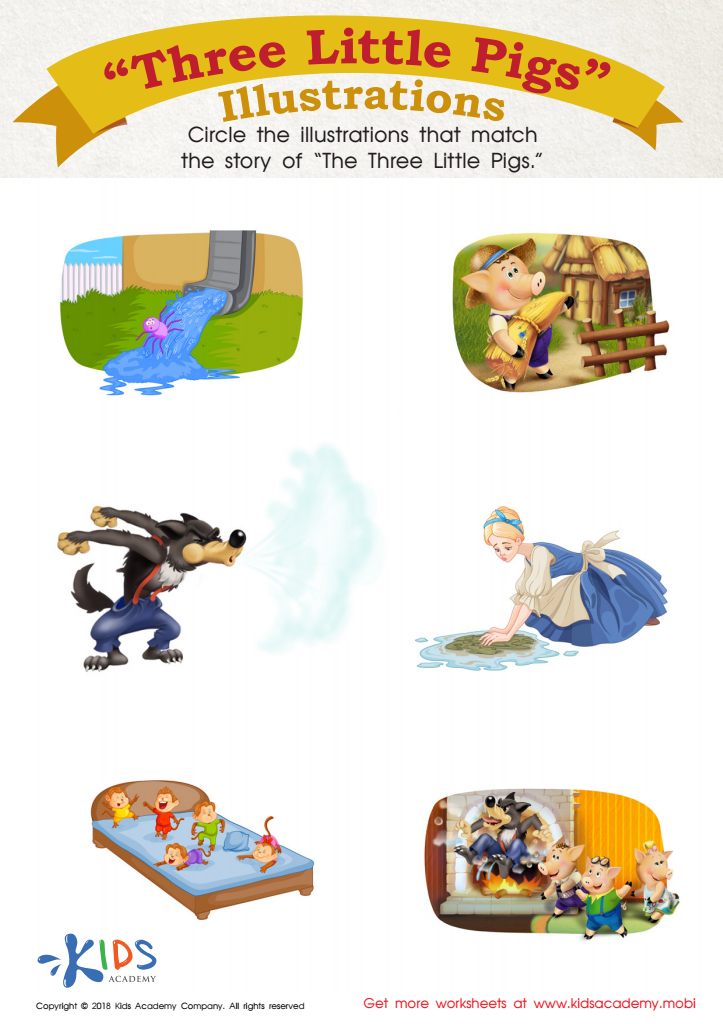
Three Little Pigs: Illustrations Worksheet
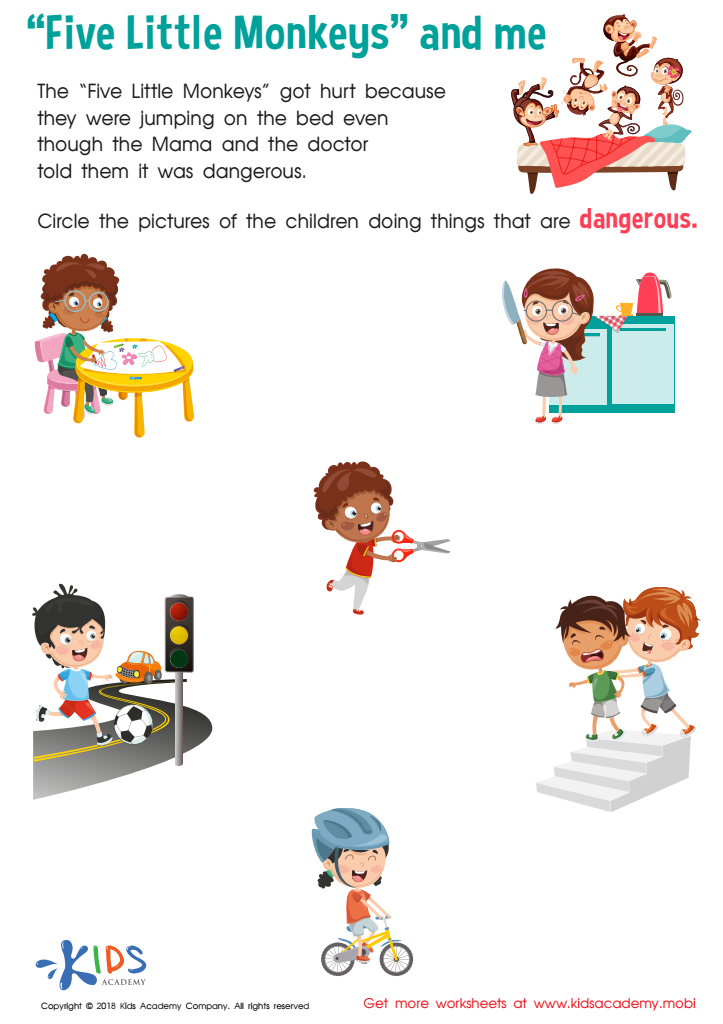
Five Little Monkeys and Me Worksheet



.jpg)




Sequencing skills are fundamental to a child's early literacy development, and the use of easy reading fiction targeting ages 4-7 plays a pivotal role in fostering these abilities. Sequencing involves understanding the order of events within a story, which is crucial for comprehending narratives and connecting ideas logically.
For young readers, mastering sequencing translates into better reading comprehension. When children can identify the beginning, middle, and end of a story, they can predict outcomes, understand cause and effect, and narrate events coherently. These skills are not only foundational for fluent reading but also critical thinking.
Parents and teachers should care because strong sequencing skills support academic success across subjects. For example, in math, understanding steps in a problem is necessary for arriving at the correct solution. In writing, structuring a story or even simple sentences benefits from a clear sequence of ideas.
Moreover, children who engage with sequencing activities through easy fiction are more likely to develop a love of reading. These stories, with simple plots and engaging characters, capture young imaginations and encourage children to see reading as a fun and rewarding activity.
In summary, sequencing skills are vital for comprehensive reading and overall cognitive development. Parents and teachers prioritizing these exercises give children the tools to succeed academically and enjoy in-depth literary experiences.